Direct Answer: An elevator modernization project qualifies for Section 179 expensing in 2026 if the upgraded components are classified as depreciable business property placed in service during the tax year, the total cost falls within IRS annual deduction limits, and the work improves an existing elevator system rather than constituting new construction — consult a qualified tax advisor alongside your elevator contractor to confirm cost segregation eligibility before filing.

Elevator Modernization Tax Deductions & Section 179 Expensing in 2026: Complete FAQ
Does elevator modernization qualify for a tax deduction or Section 179 expensing in 2026?
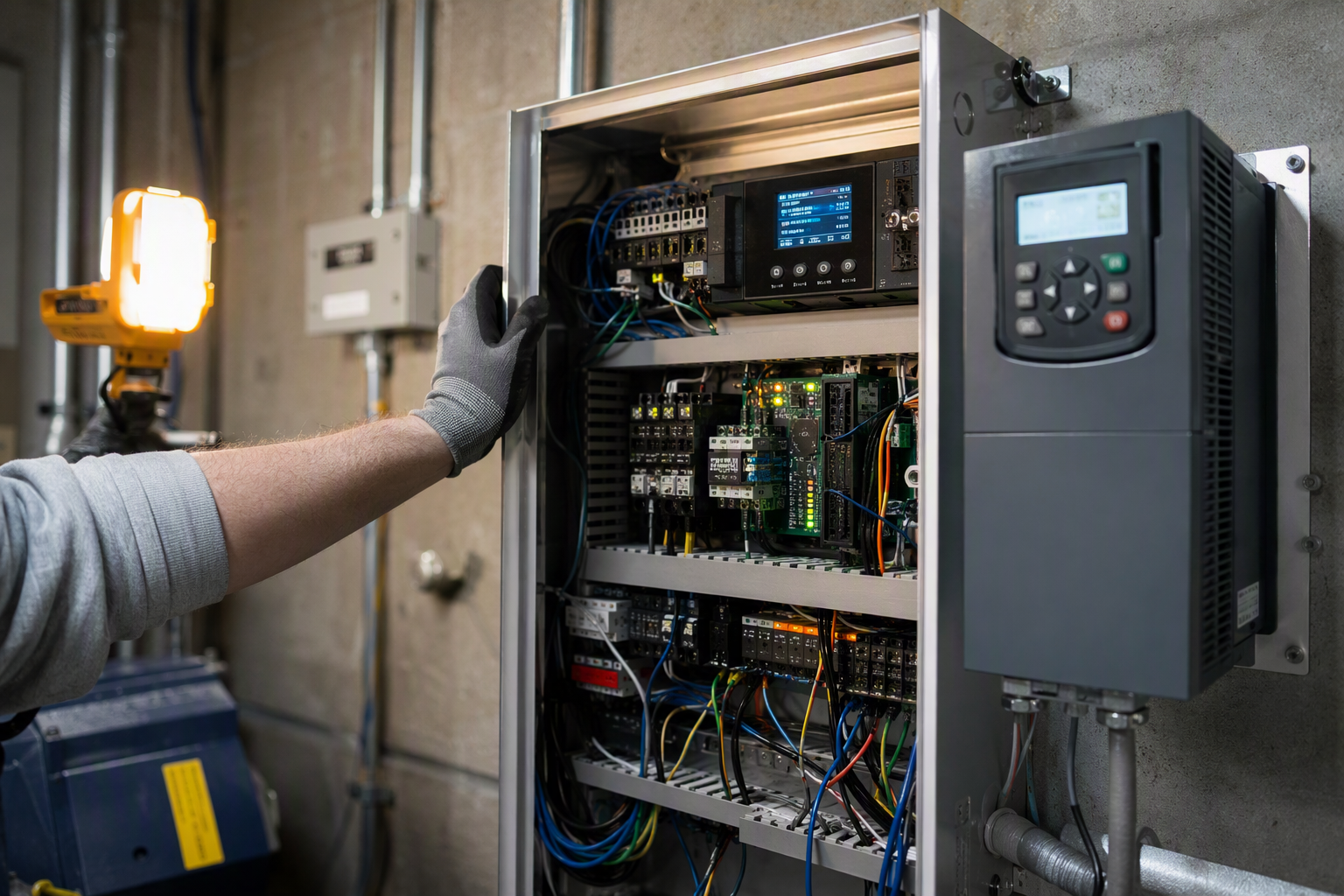
Elevator modernization can qualify for Section 179 expensing or bonus depreciation in 2026 when the upgraded components meet IRS definitions of depreciable tangible personal property or qualified improvement property placed in service during the tax year on a non-residential commercial building.
The IRS distinguishes between capital improvements that must be depreciated over the standard 39-year schedule for commercial real property and components that may be segregated into shorter depreciation classes — typically 5- or 7-year property — through a cost segregation study. Elevator modernization often includes both categories: the structural shaft and cab enclosure tend to remain real property, while drive systems, control panels, motor generators, door operators, and safety devices may qualify as personal property or qualified improvement property eligible for accelerated treatment.
Section 179 of the Internal Revenue Code allows businesses to expense the full cost of qualifying property in the year it is placed in service, subject to annual dollar limits and a phase-out threshold set by Congress. For 2026, those limits are subject to inflation adjustments published by the IRS — businesses should verify current thresholds directly with the IRS or a licensed tax professional, as the figures can shift year to year. Bonus depreciation rules under the Tax Cuts and Jobs Act have also been phasing down; working with a CPA who specializes in real property is essential before relying on any specific percentage.
What types of elevator components are most likely to qualify for accelerated depreciation?
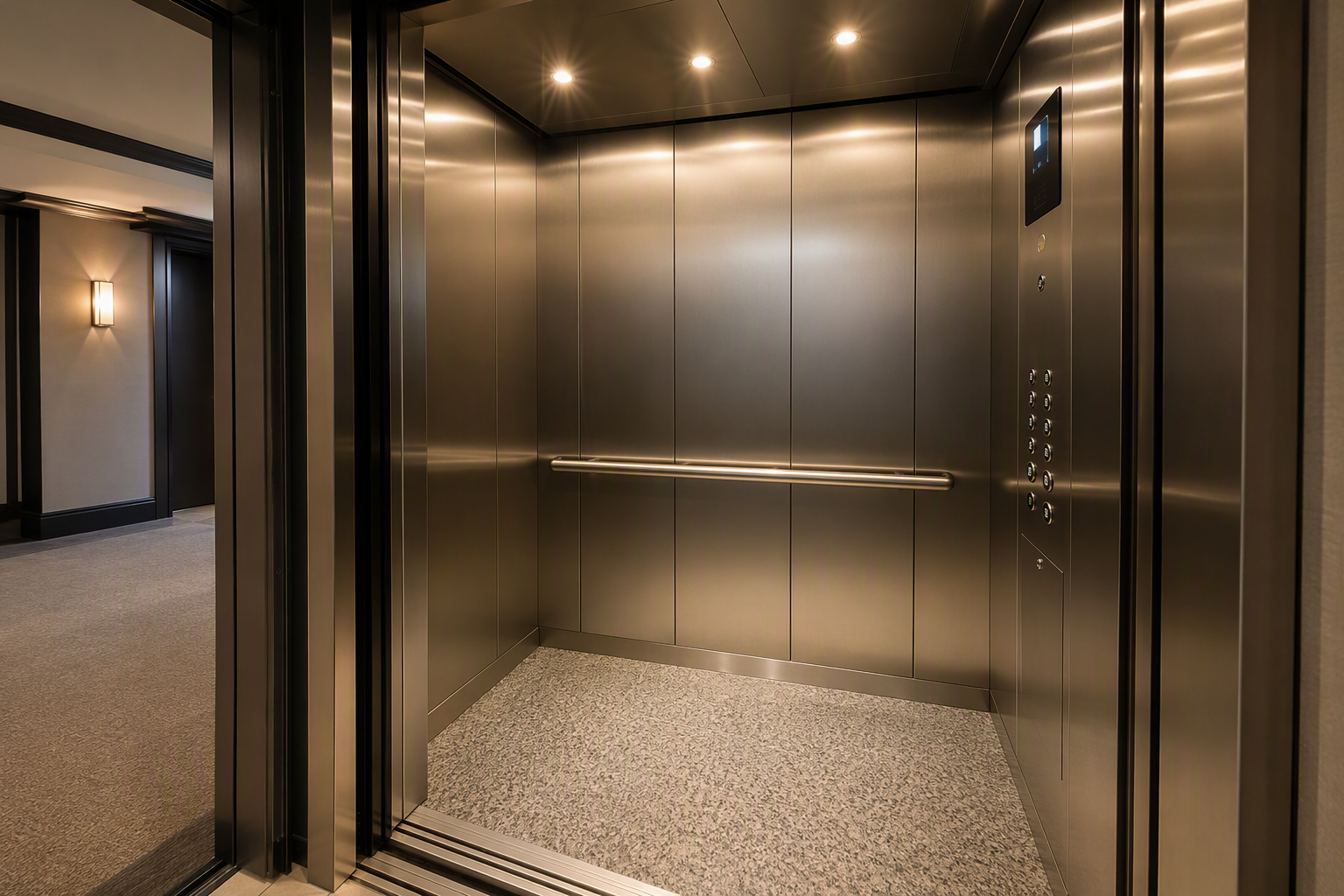
Components that are functionally separable from the building structure — such as solid-state controllers, variable-frequency drives, door operators, and safety circuitry — are the strongest candidates for accelerated depreciation or Section 179 treatment.
A properly executed cost segregation study categorizes elevator modernization line items individually. Components that typically receive shorter depreciable lives include electronic control systems, traction machine upgrades, cab interiors (lighting, flooring, paneling), emergency communication systems, and monitoring hardware. By contrast, the hoistway itself, guide rails embedded in concrete, and structural pit components are generally treated as building structure with a 39-year recovery period.
The distinction matters significantly for cash flow planning. Accelerating depreciation on the personal-property components of a modernization project can generate substantial first-year tax savings that offset the upfront capital cost of the project. Quality Elevator Company recommends that building owners engage a CPA and a cost segregation specialist before finalizing a modernization scope, so that the project can be documented in a way that supports the tax treatment at audit.
What is the difference between Section 179 expensing and bonus depreciation for elevator work?
Section 179 allows a business to elect to expense qualifying property up to an annual dollar cap, while bonus depreciation (governed by a separate code provision) applies a percentage write-down to qualifying property with no dollar cap but with a phasing schedule set by federal law.
For most commercial building owners, the practical difference is that Section 179 is subject to a taxable income limitation — you cannot use it to generate a net operating loss — whereas bonus depreciation has no such income limitation and can produce a loss that carries forward. Both provisions require that the property be placed in service during the tax year and that it meet the IRS definition of qualifying property.
Elevator modernization projects can often use a combination of both mechanisms: Section 179 on components that clearly meet personal-property classification, and bonus depreciation on qualified improvement property to the extent bonus depreciation remains available in 2026 under the current phase-down schedule. A licensed CPA familiar with real property depreciation should make this determination based on actual project invoices and a completed cost segregation analysis.
How does the IRS define “placed in service” for an elevator modernization project?
Property is considered placed in service when it is in a condition or state of readiness and availability for use in the taxpayer’s trade or business — for an elevator, this generally means the date the modernized system passes final inspection and is returned to passenger service.
This definition has important practical implications for elevator modernization projects that span a calendar year. If a drive modernization begins in November 2025 but the elevator does not pass final inspection and return to service until February 2026, the placed-in-service date is in 2026, and the deduction applies to the 2026 tax year regardless of when payments were made.
Building owners and property managers should coordinate with their elevator contractor to obtain the final inspection certificate, completion documentation, and a clear return-to-service date. These records are essential supporting documents if the IRS ever questions which tax year a deduction was claimed. Jurisdictions served by Quality Elevator Company — including Baltimore, Washington DC, Philadelphia, and Richmond — each require a final inspection by a state or local authority before an elevator returns to service, so the inspection certificate naturally establishes a defensible placed-in-service date.
Does ADA compliance work on an elevator qualify for any special tax treatment?
ADA-related elevator upgrades may qualify for the Disabled Access Credit (IRS Form 8826) available to eligible small businesses, in addition to any depreciation treatment available on the physical components.
The Americans with Disabilities Act (ADA) requires that elevators in multi-story commercial facilities meet specific accessibility standards, including cab dimensions, door width, control panel heights, and tactile signage. When a modernization project includes ADA-mandated upgrades — such as replacing non-compliant controls, adding audio/visual signals, or installing compliant handrails — those costs may be separately tracked for the Disabled Access Credit.
The Disabled Access Credit allows eligible small businesses (generally those with gross receipts under IRS thresholds or fewer than a specified number of full-time employees) to claim a tax credit equal to a percentage of qualifying access expenditures above a minimum threshold, up to a maximum credit amount per year. Unlike a deduction, a tax credit reduces tax liability dollar-for-dollar. Businesses that do not meet the small-business threshold may still deduct ADA expenditures as ordinary business expenses or capitalize them under cost segregation. A tax advisor should review the full scope of ADA work before filing.
What documentation is required to support an elevator modernization tax deduction?
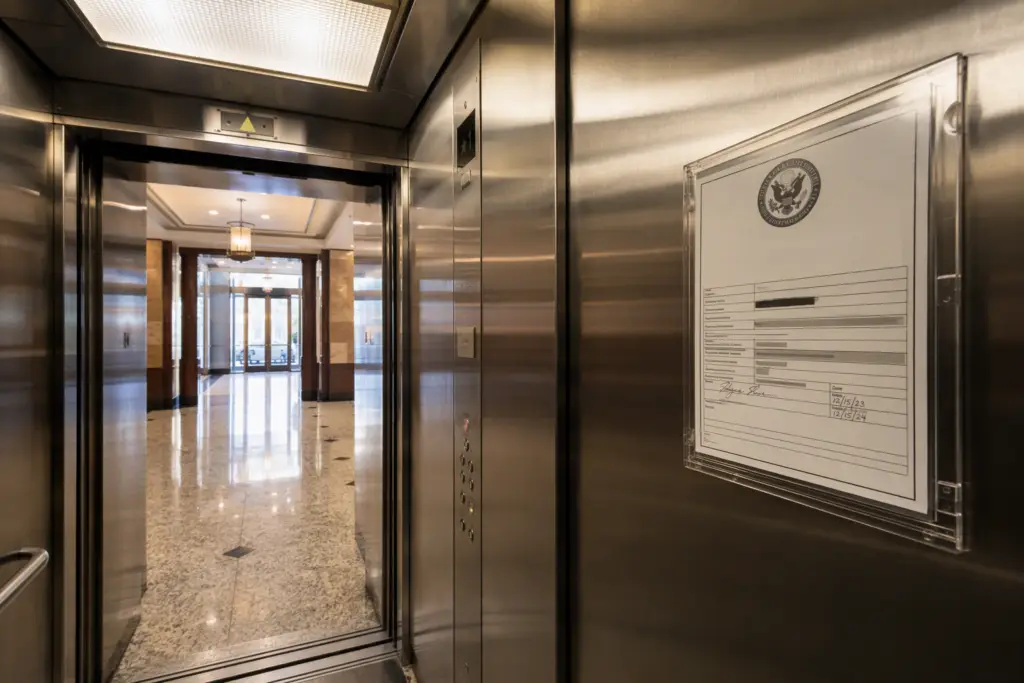
At minimum, the IRS expects itemized contractor invoices, a completed asset description placing each component in the correct depreciation class, the final inspection certificate establishing the placed-in-service date, and — for larger projects — a written cost segregation study prepared by a qualified professional.
Detailed documentation requirements include:
- Itemized proposals and change orders showing the cost of each component separately (control system, machine, cab, wiring, etc.)
- Manufacturer specifications and serial numbers for major components
- Contractor completion certificate and punch-list sign-off
- State or local final inspection certificate and elevator operating permit
- Cost segregation study allocating costs to appropriate asset classes
- IRS Form 4562 (Depreciation and Amortization) filed with the tax return
- Section 179 election statement if applicable
Working with a contractor who provides granular, component-level invoicing rather than a single lump-sum figure significantly simplifies cost segregation and audit defense. Quality Elevator Company provides detailed project documentation as a standard part of its modernization process, which supports the downstream work of cost segregation specialists and CPAs.
How does a cost segregation study work for elevator modernization projects?
A cost segregation study is a formal engineering analysis that identifies and reclassifies components of a capital improvement from 39-year real property into shorter-lived asset classes, typically 5-year or 7-year personal property, to accelerate depreciation deductions.
Conducted by engineers or CPAs with construction cost expertise, a cost segregation study reviews contractor invoices, project drawings, equipment specifications, and site conditions to allocate each cost item to the correct IRS asset class. For elevator modernization, the study examines which components are permanently affixed structural elements (39-year) versus mechanical systems and electronic equipment (shorter-lived).
The study produces a written report that can be attached to the tax return or retained for audit support. The cost of a cost segregation study is itself a deductible professional fee. Studies are generally cost-effective for modernization projects above a certain dollar threshold — a qualified CPA or cost segregation firm can advise whether a study makes financial sense given the specific project cost and the building owner’s tax situation.
What elevator modernization work is specifically excluded from Section 179 or bonus depreciation?
Structural and real-property components — including the elevator hoistway shaft, concrete pit, overhead machine room structure, and any work that constitutes new construction rather than improvement of an existing asset — are excluded from Section 179 and are not eligible for bonus depreciation as qualified improvement property.
The IRS has historically held that Section 179 does not apply to property used predominantly to furnish lodging, and specific rules govern mixed-use buildings. Additionally, property acquired from a related party, inherited property, or property transferred in a non-recognition transaction does not qualify for Section 179. If a building is placed in service and the elevator is part of the original construction — rather than a retrofit or replacement of an existing system — the costs are capitalized with the building rather than treated as a modernization improvement.
It is also important to note that simply upgrading cab finishes without replacing any mechanical or safety systems may not generate sufficient personal-property content to justify a cost segregation study. Scope matters: the more the modernization addresses drive systems, controls, and safety technology, the greater the pool of potentially reclassifiable components.
Which elevator modernization projects generate the strongest tax benefit per dollar spent?
Drive and control modernizations — replacing DC geared machines with AC variable-frequency drive systems, upgrading relay-logic controllers to solid-state microprocessor controls, and replacing outdated safety circuits — typically generate the largest proportion of reclassifiable personal-property costs per dollar invested.
| Modernization Component | Typical IRS Asset Class | Depreciation Recovery Period | Section 179 Eligible? |
|---|---|---|---|
| Solid-state microprocessor controller | 5- or 7-year personal property | 5 or 7 years | Generally yes |
| Variable-frequency drive (VFD) / AC machine | 5- or 7-year personal property | 5 or 7 years | Generally yes |
| Door operators and door systems | 5- or 7-year personal property | 5 or 7 years | Generally yes |
| Cab interior (lighting, panels, flooring) | Qualified improvement property | 15 years (QIP) | Potentially (consult CPA) |
| ADA-compliant fixtures and controls | 5- or 7-year or QIP | Varies | Potentially + Disabled Access Credit |
| Emergency lighting and communication | 5- or 7-year personal property | 5 or 7 years | Generally yes |
| Hoistway structure / shaft walls | 39-year real property | 39 years | No |
| Concrete pit work / structural | 39-year real property | 39 years | No |
| Machine room structure / overhead beam | 39-year real property | 39 years | No |
Projects that combine a full drive modernization with controller replacement and door operator upgrades create the broadest base of reclassifiable assets. Because these components also address the most critical safety and reliability concerns cited under ASME A17.1 Safety Code for Elevators and Escalators, they simultaneously satisfy regulatory compliance goals and maximize tax efficiency.
How do ASME A17.1 code compliance requirements affect the tax treatment of modernization work?
When an elevator must be brought into compliance with the current edition of the ASME A17.1 Safety Code as a condition of continued operation, the expenditure is generally treated as a necessary capital improvement, which supports its classification as depreciable business property rather than a deductible repair expense.
The ASME A17.1 Safety Code for Elevators and Escalators establishes minimum safety standards for elevator construction, maintenance, and modernization. Local jurisdictions in Maryland, the District of Columbia, Pennsylvania, and Virginia adopt the ASME A17.1 code (often with local amendments) and enforce it through periodic inspections. When an authority having jurisdiction (AHJ) issues a violation notice requiring specific upgrades — for example, installation of door restrictors, firefighters’ service upgrades, or governor replacement — the building owner has a regulatory obligation to perform the work.
Code-mandated safety upgrades strengthen the tax argument that the work represents a capital improvement to the asset rather than a routine maintenance expense. The IRS uses a “betterment, restoration, or adaptation” framework (the BAR test) to distinguish capital improvements from deductible repairs. Work that is required by a safety code and that meaningfully extends useful life or restores a system to proper working order typically meets the betterment or restoration prong of this test, supporting capitalization and depreciation rather than a simple repair deduction.
What is the IRS “betterment, restoration, and adaptation” (BAR) test and how does it apply to elevator work?
The BAR test determines whether an expenditure must be capitalized (and then depreciated) or can be deducted immediately as a repair: work that betters the property, restores it after deterioration or casualty, or adapts it to a new or different use must be capitalized, while work that merely keeps the property in ordinarily efficient operating condition may be expensed.
For elevator maintenance and modernization, the BAR test produces meaningful distinctions. Lubricating cables, replacing worn brake pads, or performing a periodic safety test are routine maintenance deductible in the year incurred. By contrast, replacing the entire traction machine, upgrading from relay-logic to microprocessor controls, or installing a new motor and drive system betters or restores the elevator and must be capitalized.
The practical implication is that elevator maintenance contracts — covering routine service, oil changes, adjustments, and minor part replacements — generate fully deductible operating expenses, while modernization scopes generate capital expenditures subject to depreciation. A well-structured modernization proposal clearly delineates which line items are maintenance-type repairs and which are capital improvements, giving the building owner and tax advisor clean documentation for both categories.
How do state and local tax rules in Maryland, DC, Pennsylvania, and Virginia affect elevator modernization deductions?
State income tax treatment of elevator modernization generally conforms to federal treatment in many respects, but each jurisdiction has its own conformity rules for Section 179 limits, bonus depreciation, and qualified improvement property that can produce differences between federal and state tax liability.
Maryland, for example, has historically decoupled from certain federal bonus depreciation provisions, meaning that a taxpayer who claims federal bonus depreciation must add back the excess depreciation on the Maryland return and recover it over the Maryland depreciation schedule. The District of Columbia similarly has its own conformity rules. Pennsylvania and Virginia each have unique state-level depreciation rules that may limit or disallow federal bonus depreciation claims for state tax purposes.
Building owners with properties in multiple jurisdictions served by Quality Elevator Company — such as a portfolio spanning Baltimore and Philadelphia — should work with a CPA familiar with both federal and state conformity rules to model the net tax benefit on a state-by-state basis. The federal Section 179 deduction or bonus depreciation claim that appears optimal from a federal perspective may be partially clawed back at the state level, affecting the true after-tax cost of a modernization project.
Can a building owner deduct elevator modernization costs under the “repair regulations” safe harbors?
The IRS repair regulations (Treasury Regulations §§ 1.162-3 through 1.263(a)-3) provide several safe harbors that allow certain amounts to be deducted rather than capitalized, but full elevator modernization projects typically exceed the thresholds and conditions of these safe harbors and must be capitalized.
The de minimis safe harbor allows taxpayers with applicable financial statements to deduct amounts paid for tangible property if the cost per invoice or per item does not exceed a specified threshold. For larger modernization projects costing tens of thousands of dollars or more, this threshold is routinely exceeded, so the safe harbor does not apply to the project as a whole. However, individual low-cost components within a broader project — such as a replacement indicator lamp assembly or a single threshold plate — might individually qualify.
The routine maintenance safe harbor allows deduction of costs for activities that keep property in ordinarily efficient operating condition, if the taxpayer reasonably expects to perform the same maintenance more than once during the applicable recovery period. Full modernization of a control system or traction machine is not routine maintenance by this definition and does not qualify. Elevator service agreements covering standard inspection, lubrication, and minor adjustments are more likely to fall within the routine maintenance safe harbor.
What questions should a building owner ask their elevator contractor before starting a modernization project to maximize tax benefits?
Before executing a modernization contract, building owners should ask their elevator contractor for component-level pricing, written specification sheets for all major equipment, clear identification of the expected final inspection date, and confirmation of which work is new installation versus replacement of existing components.
Specific questions to ask include:
- Can you provide an itemized proposal listing the cost of each major component separately, rather than a single lump-sum figure?
- What is the make, model, and serial number of each piece of major equipment being installed?
- Which components are you removing and replacing versus adding new to the system?
- What is the anticipated timeline from start of work to final inspection and return to service?
- Will you provide a written completion certificate with the final inspection date once the AHJ approves the work?
- Does any portion of this scope involve work on the hoistway structure, pit, or machine room structure (as opposed to mechanical and electrical systems)?
- Are any of the components being installed refurbished or used equipment, and if so, what is their condition and documentation?
- Can you provide specifications that confirm the new control system and drive system are fully separate, removable assets rather than integral to the building structure?
Quality Elevator Company structures its modernization proposals to support post-project cost segregation analysis, providing the documentation detail that a CPA or cost segregation engineer needs to allocate costs accurately.
How long does an elevator modernization project typically take, and how does timeline affect the tax year of the deduction?
Elevator modernization timelines vary significantly based on system type, scope, parts availability, and building access constraints, and the placed-in-service date — not the payment date or project start date — determines which tax year the deduction applies to.
A limited modernization such as a controller replacement on a standard hydraulic elevator may be completed in a matter of days or a few weeks. A comprehensive traction elevator modernization involving machine, controller, door operators, and cab work may take several weeks to a few months. When supply chain conditions affect lead times for custom control panels or specialized traction machines, projects that begin in one calendar year can easily carry into the next.
Building owners planning year-end tax strategy should communicate their target placed-in-service date to their elevator contractor early in the planning process. Rushing a modernization to meet a December 31 deadline without adequate planning can result in incomplete work that does not pass final inspection, delaying the placed-in-service date into the following year. A realistic project schedule agreed upon at proposal stage protects both the building owner’s tax planning and the quality of the finished installation.
Does replacing a hydraulic elevator with a traction system qualify differently than a traction elevator modernization?
Converting a hydraulic elevator to a traction system is typically treated as a more extensive capital improvement than a standard modernization, and the tax analysis must address whether the project constitutes a partial disposition of the existing asset and the acquisition of a new one.
When an entirely new drive system is installed in a different configuration than the existing system — as in a hydraulic-to-traction conversion — the IRS partial disposition rules under Treasury Regulation § 1.168(i)-8 may allow the building owner to write off the adjusted basis of the retired hydraulic components in the year of disposition, producing a separate loss deduction in addition to depreciation on the new installation. This can meaningfully improve the total tax outcome of the conversion project compared to a straightforward modernization.
The hydraulic cylinder, tank, and associated piping that are removed and abandoned in place or excavated represent a component of the original building asset. Their original cost (or a reasonable estimate if original records are unavailable) can be written off as a partial disposition. A cost segregation specialist or CPA with experience in real property transactions can assist with determining the adjusted basis of the retired components.
What OSHA requirements apply during elevator modernization and how do they affect project costs?
Workers performing elevator modernization are subject to OSHA regulations governing construction and general industry safety, including lockout/tagout procedures, fall protection, and confined space entry standards, and the associated safety compliance costs are generally deductible as ordinary business expenses for the contractor.
From the building owner’s perspective, OSHA compliance costs embedded in the contractor’s bid are part of the overall project cost and are subject to the same capital-versus-repair analysis as the rest of the scope. Safety measures required during the modernization itself — temporary hoistway protection, signage, and barriers — are typically treated as project overhead and capitalized with the modernization cost.
Building owners should verify that any elevator contractor they engage maintains current OSHA compliance programs and that technicians working on the project are properly trained. OSHA standards applicable to elevator construction work include provisions specific to the hazards of hoistway operations, electrical work, and heavy equipment handling. Working with a reputable, safety-conscious contractor reduces risk of project delays from safety incidents that could affect the placed-in-service date and, by extension, the tax year of the deduction.
How should property managers document elevator modernization for both tax and regulatory compliance purposes?
Property managers should maintain a modernization file that includes the original proposal, all change orders, component specifications, AHJ inspection records, the final operating permit, photographs of installed equipment, and the completed cost segregation study or CPA workpapers supporting the depreciation schedule.
Recommended documentation steps in order:
- Obtain and retain the fully itemized modernization proposal with component-level pricing before work begins.
- Request and file manufacturer data sheets and model numbers for all major installed components.
- Document the removal of old equipment with photographs and a disposition record noting the date of removal.
- Obtain signed change orders for any scope modifications that affect cost allocation.
- Request the AHJ inspection report and final approval certificate upon project completion.
- Obtain the contractor’s completion certificate confirming return-to-service date.
- Commission a cost segregation study if project cost justifies it, prior to filing the tax return for the placed-in-service year.
- File IRS Form 4562 with appropriate elections and retain all supporting documentation for at minimum the applicable statute of limitations period.
- Update the property’s fixed asset schedule to reflect the new components and any partial dispositions of retired equipment.
- Retain all records in a format accessible for audit, as depreciation deductions on real property improvements can be reviewed for many years.
How can building owners evaluate whether a modernization project’s tax benefits justify the capital investment?
A complete return-on-investment analysis for elevator modernization should incorporate the present value of tax savings from accelerated depreciation, the Disabled Access Credit if applicable, operational energy savings from modern drive systems, reduced maintenance costs, and the risk mitigation value of avoiding code violations and unplanned outages.
When the tax benefits are modeled properly — including first-year Section 179 deductions or bonus depreciation on reclassifiable components and potential partial disposition write-offs on retired equipment — the effective after-tax cost of a modernization project can be substantially lower than the gross invoice amount. This changes the payback period calculation meaningfully.
Energy savings from replacing an aging DC drive system with a modern AC variable-frequency drive can also contribute to the business case. Modern regenerative drive systems return energy to the building’s electrical grid during descent cycles, reducing utility costs. These operational savings are separate from the tax treatment but compound the overall financial benefit of modernization. Quality Elevator Company can provide detailed technical specifications for modernization scopes that help building owners and their financial advisors build a complete investment analysis.
What should building owners do right now to prepare for an elevator modernization project with optimal tax treatment?
Building owners who anticipate an elevator modernization in 2026 should begin by scheduling a professional assessment of their existing system, engaging a CPA early in the planning process, and ensuring that their contractor can provide the documentation infrastructure needed to support cost segregation and tax filing.
Preparation steps in recommended order:
- Schedule a comprehensive elevator assessment with a qualified elevator service company to document the current condition of all system components and identify which elements are candidates for modernization.
- Engage a CPA or tax advisor with commercial real property experience to model the federal and state tax treatment of the anticipated project scope before committing to a contract.
- Request itemized proposals from contractors that break out costs at the component level, not as a single lump sum.
- Determine whether a cost segregation study is warranted given the expected project cost, and if so, identify a qualified engineer or firm to conduct it.
- Review ADA compliance status of the existing elevator system to identify whether Disabled Access Credit opportunities exist alongside standard depreciation treatment.
- Confirm the expected placed-in-service date with the contractor and verify that it aligns with the intended tax year for the deduction.
- Obtain copies of any open AHJ violation notices or inspection reports that document the regulatory basis for required upgrades.
- Coordinate with legal counsel if the modernization involves lease provisions, common area maintenance allocations, or tenant reimbursement arrangements that affect who claims the deduction.
Ready to Assess Your Elevator Modernization Options?
Understanding the full technical scope of a modernization project is the essential first step toward maximizing any available tax benefits. Quality Elevator Company provides professional elevator assessments for commercial properties throughout Baltimore, MD, Washington DC, Philadelphia, PA, and Richmond, VA — giving building owners, property managers, and their tax advisors the detailed component-level documentation needed to make informed decisions about modernization scope, timing, and cost segregation.
Contact Quality Elevator Company for a free elevator assessment. Call us at 301-779-9116 to schedule your consultation today.
This content is provided for general informational purposes only and does not constitute tax, legal, or accounting advice. Building owners should consult a licensed CPA, tax attorney, or other qualified professional regarding the specific tax treatment of any elevator modernization expenditure.
Need elevator service you can rely on? Quality Elevator Company is ready to help.