Elevator Service in Baltimore, MD | Quality Elevator Company
ADA elevator accessibility requirements affect virtually every building in Baltimore, MD that serves the public or employs people — yet the specific obligations depend on building type, the scope of any planned renovation, and whether barrier removal is feasible given the building’s existing conditions. Quality Elevator Company provides certified elevator service throughout Baltimore and the surrounding Maryland region, helping building owners navigate both federal ADA mandates and Maryland-specific elevator code requirements.
What Does the ADA Actually Require for Elevators in Existing Buildings?
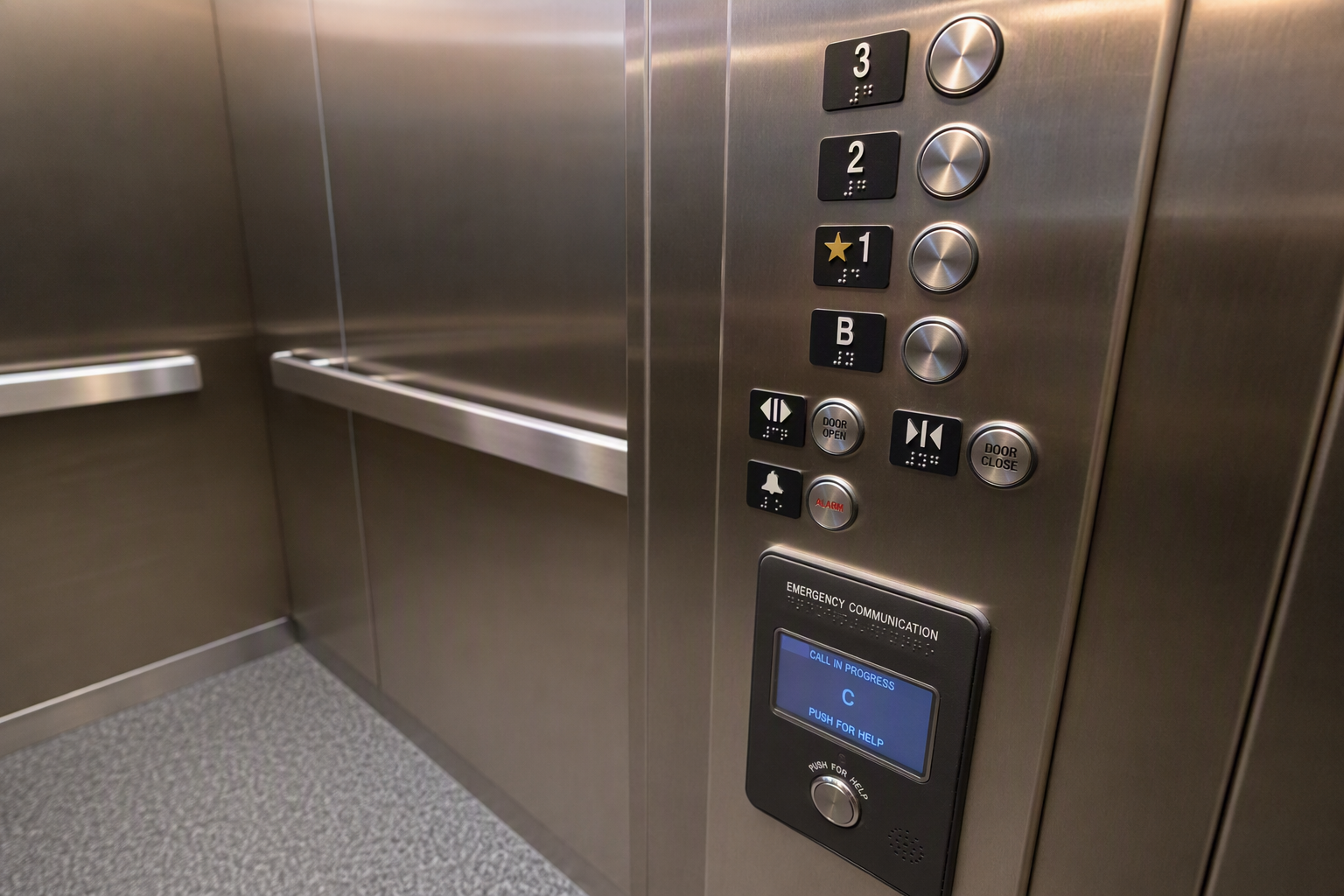
The Americans with Disabilities Act (ADA) applies to elevators in two distinct ways for existing buildings:
- Readily Achievable Barrier Removal: Public accommodations (Title III) must remove accessibility barriers — including elevator barriers — when doing so is readily achievable, meaning accomplishable without significant difficulty or expense. This is an ongoing obligation, not a one-time fix.
- Path of Travel Requirements: When a building undergoes alterations to a primary function area, the path of travel to that area — including any elevator serving it — must be made accessible to the extent that the cost of accessibility upgrades does not exceed a disproportionate share of the overall alteration cost. The ADA defines “disproportionate” as exceeding a specific percentage of the primary alteration cost; consult the ADA.gov guidance documents for current thresholds.
Importantly, the ADA generally does not require elevators in buildings under three stories or with fewer than three thousand square feet per floor — unless the building is a shopping center, shopping mall, professional office of a healthcare provider, or transportation facility. Baltimore’s dense stock of mid-rise commercial and office buildings typically falls well above these thresholds.
Which Elevator Accessibility Features Are Most Commonly Required?
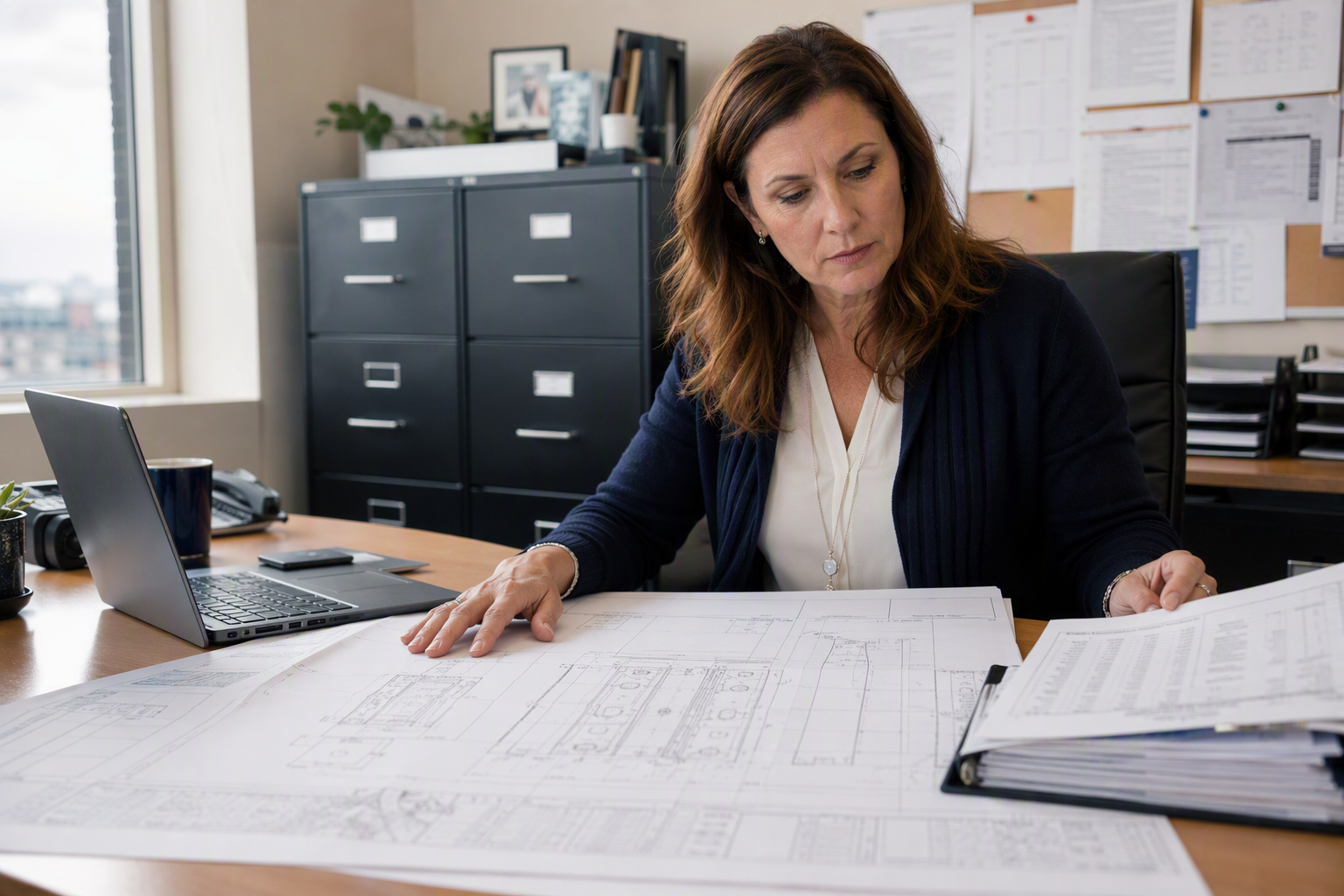
When ADA compliance work is triggered, building owners in Baltimore should expect to evaluate the following categories of elevator accessibility upgrades:
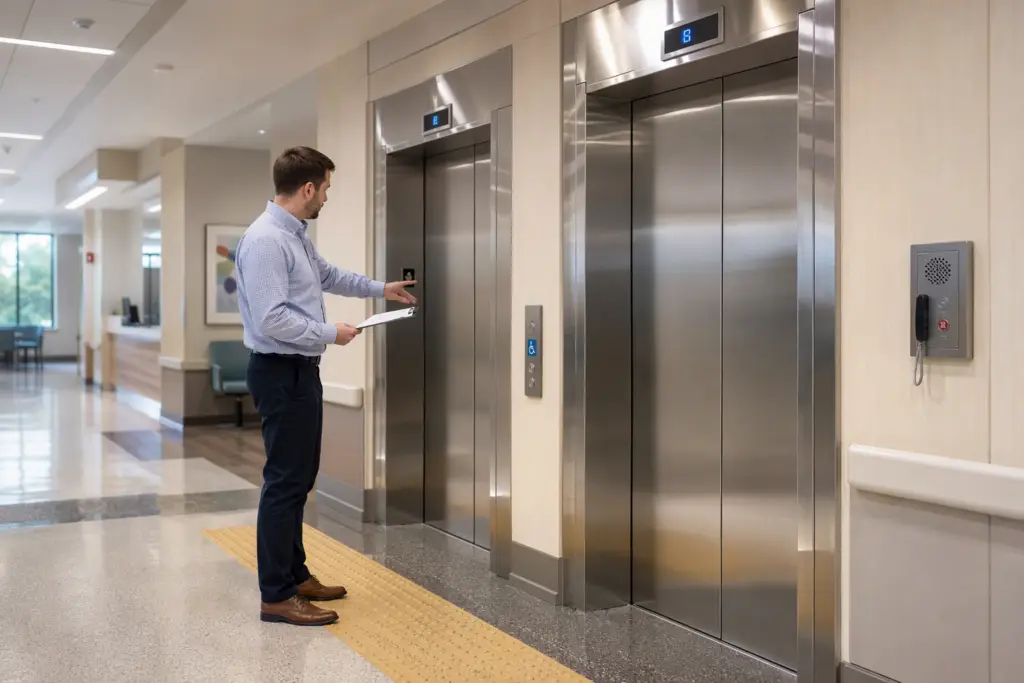
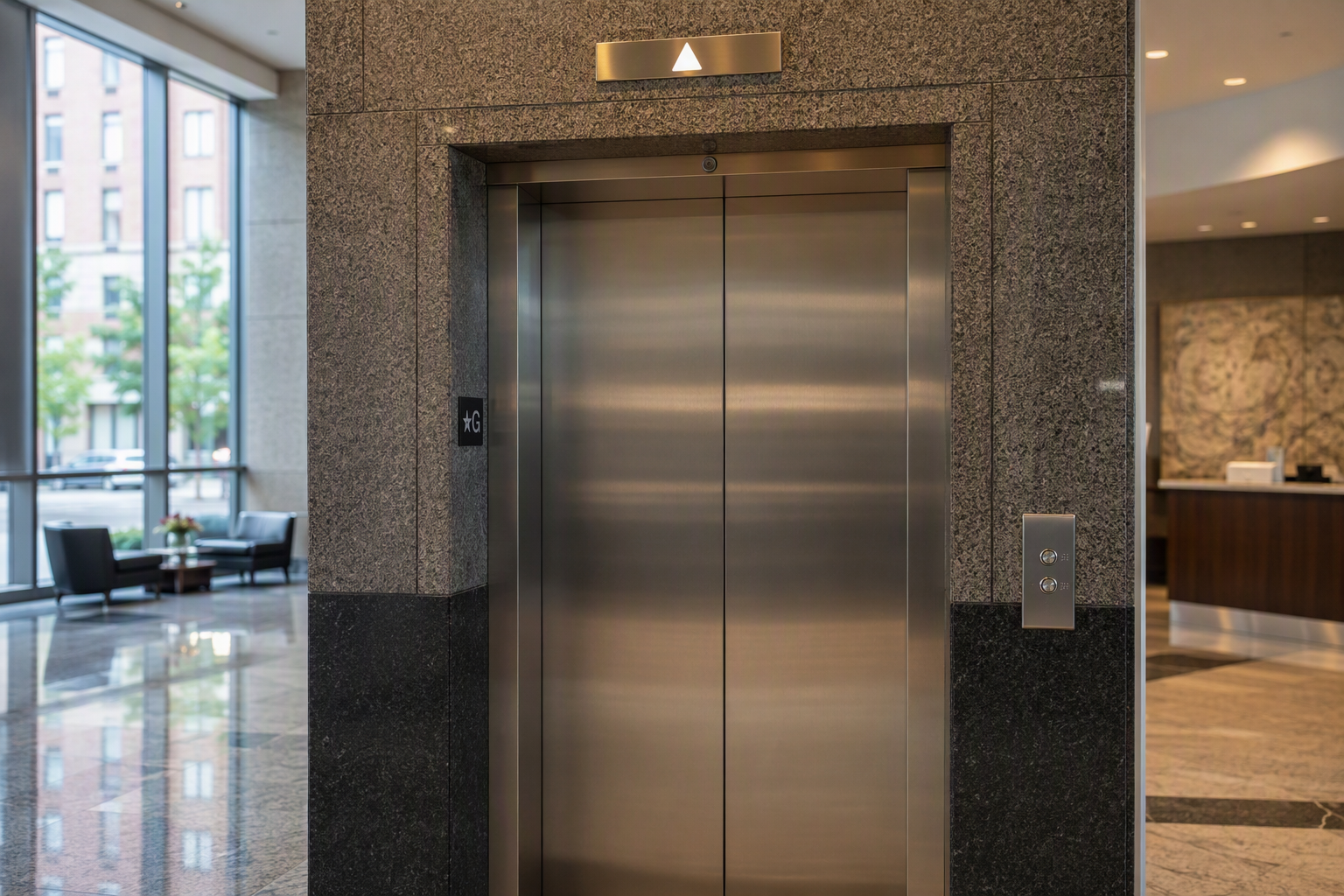
- Call Buttons: Must be raised or flush, a minimum specified diameter, and include visual signals. Buttons must be within reach range for wheelchair users.
- Cab Size and Door Width: ADA Standards for Accessible Design specify minimum cab dimensions and clear door opening widths to accommodate wheelchairs and mobility devices.
- Floor Designations and Braille: Raised characters and Braille are required on hoistway entrance jambs at each floor landing.
- Audible and Visual Signals: Elevators must provide both audible (chime or verbal) and visual (illuminated indicator) signals when the car arrives and indicate direction of travel.
- Two-Way Emergency Communication: The cab must contain a two-way communication system usable by individuals who are deaf or hard of hearing — typically requiring a visual display in addition to audio.
- Leveling Accuracy: The elevator must level within a tolerance that allows wheelchair users to board and exit without navigating a gap or ledge.
- Interior Controls: Control panels inside the cab must meet reach range requirements and include Braille and raised characters.
When Do ADA Elevator Requirements Apply to Existing Baltimore Buildings?
Timing is one of the most misunderstood aspects of ADA elevator compliance. The obligation does not arise only at construction — it is continuous and event-triggered:
- Ongoing Barrier Removal: Public accommodations have a standing duty to remove barriers as it becomes readily achievable to do so. A building that could not afford upgrades in a prior year may face a new obligation as financial conditions change.
- Alterations to Primary Function Areas: Any renovation affecting a primary function area — a lobby, office floor, retail space — triggers a path-of-travel obligation that can require elevator upgrades proportional to the project budget.
- Change of Occupancy or Use: Converting a Baltimore warehouse or industrial property to commercial or residential use can trigger compliance review of all vertical transportation systems.
- New Leasing or Sale Transactions: Buyers and new tenants increasingly require ADA compliance assessments as part of due diligence, making deferred elevator upgrades a transactional liability.
- Complaint or Enforcement Action: A formal complaint to the U.S. Department of Justice or a private lawsuit can compel immediate remediation regardless of project schedules.
How Do Maryland State Elevator Codes Interact With ADA Requirements?
Maryland adopts the ASME A17.1 Safety Code for Elevators and Escalators as the basis for its elevator safety regulations, administered through the Maryland Department of Labor’s Division of Labor and Industry. In 2026, building owners should confirm which edition of ASME A17.1 is currently enforced by Maryland — code adoptions cycle, and the state may be operating under a specific edition with local amendments.
Key Maryland-specific considerations include:
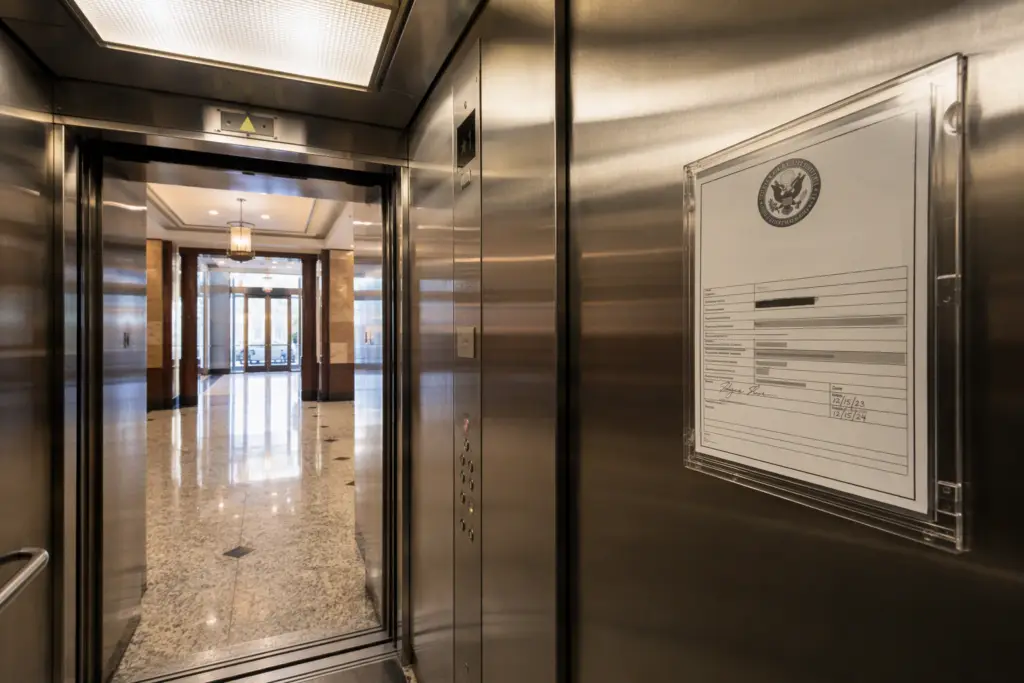
- Annual Inspections: Maryland requires periodic inspections and operating permits for elevators. Deferred maintenance that results in a failed inspection can force an elevator out of service, which itself creates an accessibility barrier for building occupants with disabilities.
- Permit Requirements for Modifications: Any ADA upgrade that involves physical alteration of elevator components — cab enlargement, new control panels, door operator replacement — requires a permit from the Maryland Division of Labor and Industry and must be performed by licensed elevator contractors.
- Local Baltimore City Oversight: Baltimore City may apply additional inspection requirements through its Department of Housing and Community Development. Building owners should verify applicable local requirements alongside state-level obligations.
- OSHA Elevator Safety: Workers performing elevator construction, installation, or major repair work are subject to OSHA safety standards, which contractors in Maryland must observe.
What Is the Typical Process for Bringing an Elevator Into ADA Compliance?
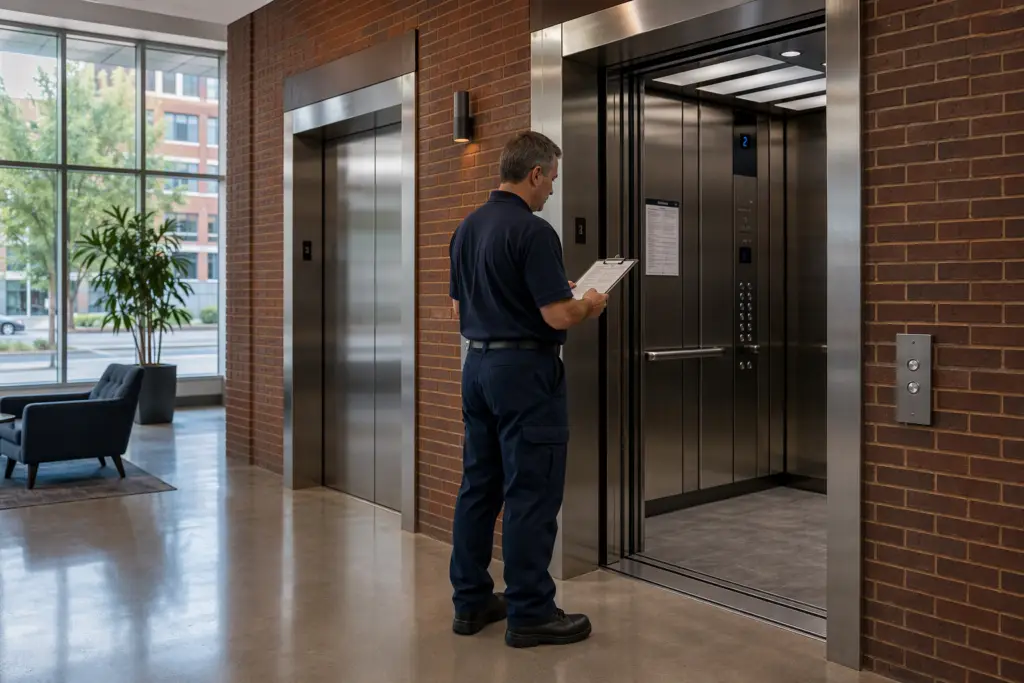
- Accessibility Audit: A qualified elevator contractor conducts a detailed inspection of all elevator systems against current ADA Standards for Accessible Design and ASME A17.1 requirements.
- Gap Report: The audit produces a written list of deficiencies, categorized by whether they are readily achievable to correct and their relative priority for barrier removal.
- Scope Development: The building owner, in consultation with the elevator contractor and potentially an ADA accessibility consultant, defines the upgrade scope and sequences work to minimize tenant disruption.
- Permit Application: The contractor submits plans and specifications to the Maryland Division of Labor and Industry and, where applicable, Baltimore City, for review and permit issuance.
- Modernization or Component Upgrade: Work is performed — ranging from individual component replacements (buttons, signage, communication systems) to full cab modernization or door system replacement.
- Inspection and Certificate: The upgraded elevator is inspected by a state-authorized inspector and a new operating certificate is issued before the elevator returns to service.
- Documentation: The building owner retains records of the compliance work completed, which supports defense against future complaints or litigation.
Does ADA Compliance Require Full Elevator Modernization?
Not always. Many ADA accessibility deficiencies can be corrected through targeted component upgrades rather than full modernization — replacement of call button assemblies, installation of compliant signage and Braille panels, upgrade of the two-way emergency communication system, or adjustment of door timing and leveling tolerances. However, when an elevator is already aging and facing multiple accessibility deficiencies alongside mechanical wear, a full modernization may be more cost-effective over the long term and may also be required to bring the elevator into compliance with current ASME A17.1 safety standards.
How Does Quality Elevator Company Support Baltimore Building Owners With ADA Compliance?
Quality Elevator Company serves commercial, residential, and institutional building owners throughout Baltimore and the greater Maryland region. The company’s services span the full compliance lifecycle — from initial accessibility audits and gap assessments through permit coordination, component upgrades, full modernizations, and ongoing maintenance programs designed to keep elevators in continuous ADA-compliant operation.
Emergency elevator service is available for situations where an elevator failure creates an immediate accessibility barrier or safety concern. Building owners in Baltimore can reach Quality Elevator Company at any time for urgent situations.
Local expertise matters in a market like Baltimore, where the building stock ranges from historic downtown office towers and row-house conversions to modern high-rise residential and medical facilities — each presenting distinct accessibility and code compliance challenges that a nationally focused service provider may not be equipped to address with the same depth of regional knowledge.
What Should Baltimore Building Owners Do Right Now to Assess Their ADA Elevator Obligations?
- Identify every elevator in the property portfolio and confirm the date of the last Maryland state inspection and operating permit renewal.
- Review any planned renovation or construction projects to determine whether they affect a primary function area and would trigger path-of-travel obligations.
- Request a professional accessibility audit from a licensed elevator contractor familiar with both ADA standards and Maryland’s adopted edition of ASME A17.1.
- Document the findings and create a prioritized barrier removal plan, even if full remediation is phased over time.
- Consult legal counsel if the property has received any ADA complaints or is involved in a transaction where compliance status is under review.
ADA elevator compliance is not a one-time project — it is an ongoing obligation that evolves with each renovation, each change in tenancy, and each edition of applicable codes. Baltimore building owners who treat compliance proactively protect their tenants, their assets, and their organizations from enforcement risk.
Schedule a Free Consultation with Quality Elevator Company today. Call 301-779-9116 to speak with a member of our Baltimore elevator service team about ADA accessibility audits, compliance upgrades, and modernization planning.
Need elevator service you can rely on? Quality Elevator Company is ready to help.