How Does Extreme Summer Heat Affect Elevator Performance — and What Should You Do Before Fall Inspection Season?
Extreme summer heat stresses nearly every mechanical and electrical system inside an elevator installation. Hydraulic fluid thins and loses viscosity, motor windings overheat, controller components drift out of calibration, and machine room temperatures can exceed the tolerances specified in ASME A17.1 Safety Code for Elevators and Escalators. Acting before fall inspection season gives building owners the window they need to correct heat-related degradation before a state inspector identifies violations that trigger mandatory shutdowns.
How Does Summer Heat Actually Damage Elevator Hydraulic Systems?
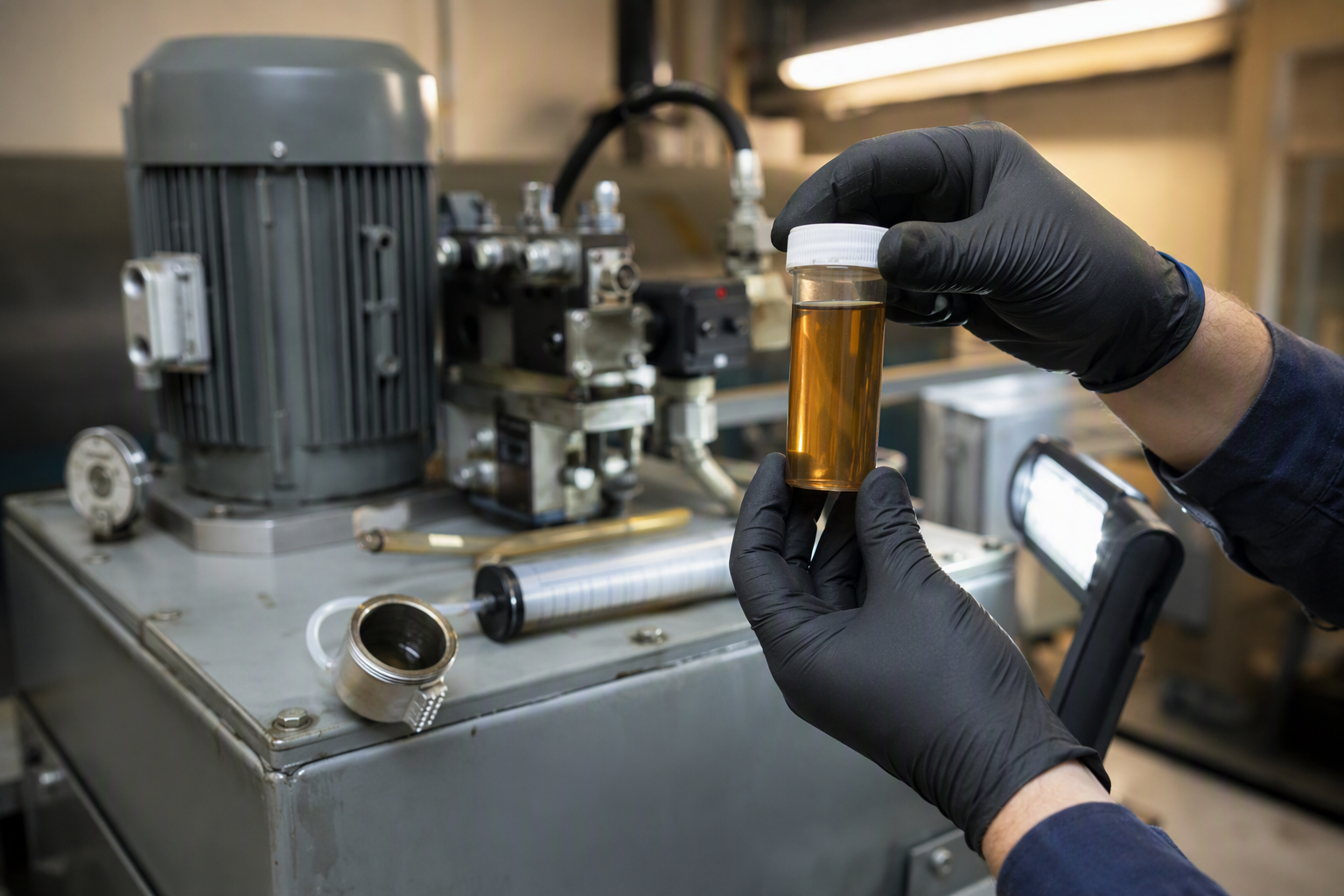
High ambient temperatures thin hydraulic fluid below its operating viscosity specification, reducing lubrication film strength and causing the pump to cavitate, overheat, and lose lifting capacity.
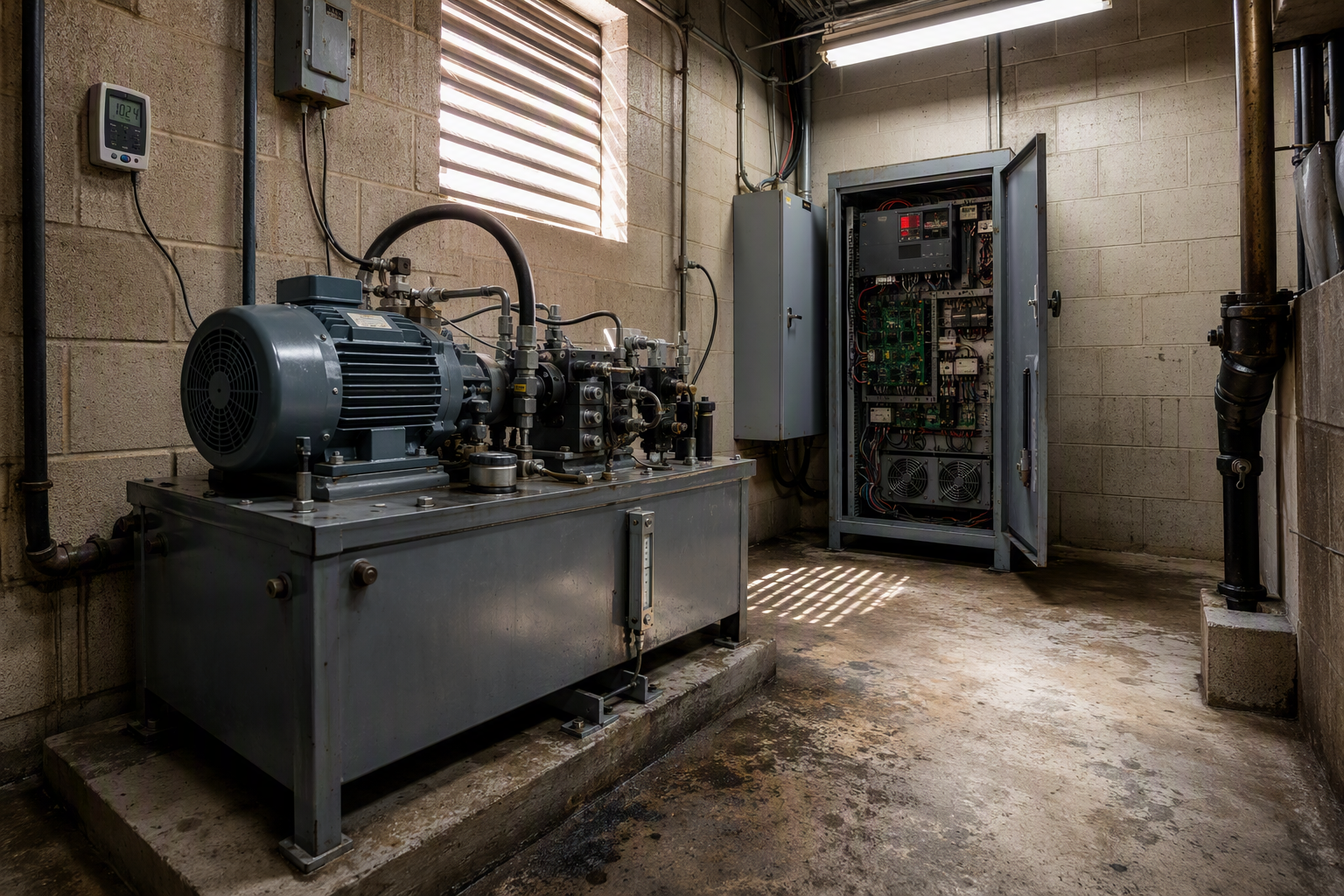
Hydraulic elevators depend on fluid that maintains a precise viscosity range across a defined temperature band. When machine room temperatures climb during summer — particularly in basement pits with poor ventilation — the fluid becomes too thin to maintain consistent pressure. The pump unit works harder to compensate, generating additional heat that compounds the problem. Over a long, hot summer this cycle accelerates wear on pump seals, valve seats, and the power unit motor itself.
Beyond viscosity degradation, extreme heat promotes oxidation within the fluid reservoir. Oxidized fluid develops acidic byproducts that attack internal metal surfaces and rubber seals. A pre-fall service visit should include a fluid sample evaluation to determine whether a full fluid exchange is warranted before inspectors arrive.
What Machine Room Temperature Limits Must Elevators Meet Under ASME A17.1?
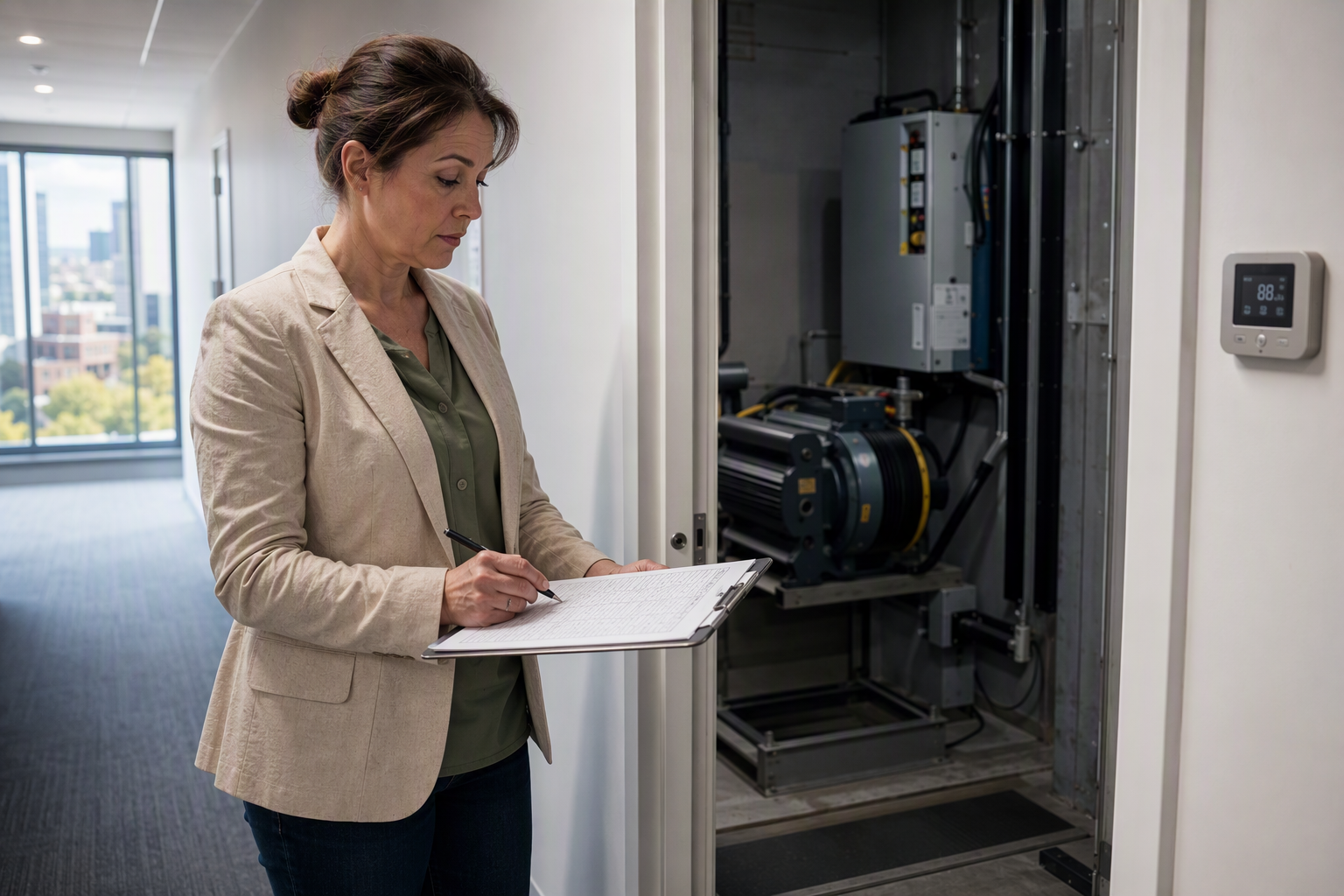
ASME A17.1 Safety Code for Elevators and Escalators requires that machine rooms be maintained at temperatures and humidity levels consistent with the proper operation of the equipment installed therein.
While the code does not publish a single universal number applicable to all equipment types, manufacturers of traction motor controllers, variable-frequency drives (VFDs), and hydraulic power units publish maximum ambient temperature ratings — commonly in the range of 40°C (104°F) — in their installation documentation. During summer heat waves in Baltimore, Washington DC, Philadelphia, and Richmond, unventilated machine rooms routinely exceed these thresholds.
Building operators should document machine room temperatures through the summer months. Logs showing temperatures outside manufacturer tolerances constitute a compliance exposure that inspectors can cite. Installing or servicing dedicated HVAC or ventilation equipment in the machine room is not an optional upgrade — it is an operational requirement under the code.
Which Elevator Components Are Most Vulnerable to Heat Stress?
Variable-frequency drives, motor windings, controller circuit boards, hydraulic power unit seals, and elevator buffer springs are the components most commonly degraded by prolonged high-temperature exposure.
| Component | Heat Risk | Failure Mode | Pre-Fall Action |
|---|---|---|---|
| Hydraulic Fluid | High | Viscosity loss, oxidation, seal damage | Sample and evaluate; replace if degraded |
| Variable-Frequency Drive (VFD) | High | Capacitor degradation, thermal shutdown, error faults | Inspect cooling fans, heat sinks, and firmware logs |
| Motor Windings | High | Insulation breakdown, ground faults, reduced torque | Megohm insulation resistance test |
| Controller Circuit Boards | Moderate–High | Solder joint fatigue, component drift | Visual inspection; test safety string continuity |
| Hydraulic Seals and O-Rings | Moderate–High | Hardening, cracking, fluid bypass | Check for weeping at valve block and cylinder |
| Wire Rope / Hoist Ropes | Moderate | Lubricant migration, surface oxidation | Rope lubrication and visual diameter check |
| Buffer Springs (Oil or Spring) | Low–Moderate | Oil buffer fluid level drop due to evaporation | Verify fluid level per ASME A17.1 requirements |
| Door Operator Components | Moderate | Belt stretch, motor overheating, misalignment | Adjust close force; verify reopening device function |
Can Heat Cause Elevators to Shut Down Unexpectedly?
Yes — thermal overload protection devices, built into motors and VFDs, are designed to shut the elevator down when component temperatures exceed safe operating thresholds, which is exactly the nuisance-trip pattern building managers report during heat waves.
These shutdowns protect equipment from catastrophic damage, but they are disruptive to building operations and create ADA accessibility concerns when a building’s only vertical transportation is taken offline. A single elevator building serving a population that relies on accessible routes has both a legal exposure and an ethical obligation to maintain continuous service.
If thermal trips occurred more than once during the summer, that pattern is a diagnostic signal. Technicians should review the controller fault log, measure actual machine room temperatures at the time of recurrence, and determine whether the root cause is ambient temperature, a failing cooling fan, or an aging motor approaching end-of-life insulation class limits.
What Are the State-Specific Inspection Requirements in Maryland, DC, Virginia, and Pennsylvania?
Each jurisdiction served by Quality Elevator Company maintains its own elevator inspection authority, inspection frequency requirements, and certificate-of-operation rules that must be met independently of federal standards.
All four jurisdictions adopt some version of ASME A17.1 as the baseline technical standard, but enforcement, fee structures, and annual inspection scheduling vary. Maryland’s Department of Labor oversees elevator safety statewide. Washington DC’s Department of Consumer and Regulatory Affairs administers elevator permits and inspections. The Virginia Department of Labor and Industry handles inspections across the commonwealth, including the Richmond metro area. Pennsylvania’s Department of Labor and Industry covers Philadelphia through its elevator inspection program.
In all four markets, operating an elevator without a current, valid certificate of operation is a violation that exposes building owners to fines and mandatory shutdown orders. Fall is historically when inspection backlogs clear and inspectors complete annual cycles — making a proactive pre-fall service visit essential for compliance readiness.
What Should Building Owners Do Immediately After a Summer of Extreme Heat?
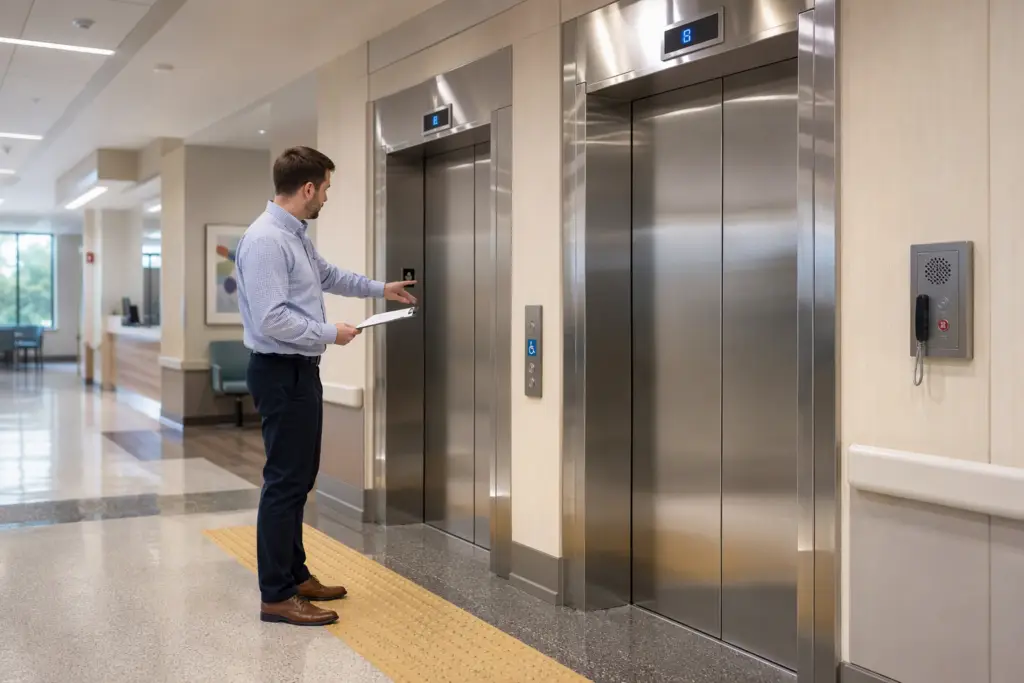
Building owners should follow a structured pre-fall protocol to identify heat-related degradation before a state inspector does.
- Pull the controller fault log. Review all fault codes recorded since Memorial Day. Thermal overloads, door faults, and leveling errors logged during heat waves are diagnostic data, not random events.
- Inspect the machine room environment. Verify that HVAC or ventilation equipment is operational, that vents are unobstructed, and that no pest intrusion has compromised electrical panels or wiring.
- Check hydraulic fluid condition. For hydraulic elevators, visually inspect fluid color and clarity in the reservoir. Dark, cloudy, or acrid-smelling fluid indicates oxidation and warrants laboratory evaluation.
- Test the thermal overload devices. Have a qualified elevator technician verify that motor overloads are calibrated correctly and reset properly — do not simply reset them without investigating why they tripped.
- Perform a rope or belt inspection. For traction elevators, inspect wire rope for heat-driven lubricant loss, corrosion, and broken wires per ASME A17.1 criteria.
- Test all door reopening devices. Door operators and infrared curtains can drift out of calibration in sustained heat. Verify closing force and reopening sensitivity comply with code-required limits.
- Verify governor and safety device function. Annual testing of overspeed governors, safeties, and buffers is required. Confirm that the most recent test dates and certificates are current before fall inspections begin.
- Document everything. Create a written record of all inspections, measurements, fluid samples, and corrective actions. This documentation supports your compliance posture if an inspector raises questions.
- Schedule a formal pre-inspection service visit. Engage a certified elevator company — such as Quality Elevator Company, serving Baltimore, Washington DC, Philadelphia, and Richmond — to conduct a systematic pre-fall assessment and remediate any findings before a state inspector arrives.
How Does Heat Affect Traction Elevators Differently Than Hydraulic Elevators?
Traction elevators face heat-related stress primarily in the motor room — through motor winding insulation breakdown and VFD thermal failures — while hydraulic elevators experience the most severe impact in the fluid and power unit systems located in the pit or machine room.
Geared traction machines use gear oil that, like hydraulic fluid, loses viscosity and film strength under sustained heat. Gearless traction machines eliminate this exposure but remain vulnerable through their permanent magnet or induction motor windings and the VFD electronics that modulate speed. In either case, the controller environment is a primary concern: solid-state components on circuit boards age more rapidly when ambient temperatures stay elevated over months rather than days.
MRL (machine-room-less) traction systems present an additional challenge because drive components are located in the hoistway or overhead space — areas that tend to be hotter than dedicated machine rooms and harder to ventilate. Pre-fall service for MRL installations should specifically address hoistway ventilation and controller enclosure temperature ratings.
What Role Does Elevator Pit Ventilation Play During Summer Heat?
Proper pit ventilation prevents heat and moisture accumulation that degrades hydraulic components, accelerates electrical insulation deterioration, and promotes corrosion on structural and safety-critical parts.
Many older elevator pits in Baltimore rowhouses, DC commercial buildings, Philadelphia mid-rises, and Richmond office complexes were designed before modern hydraulic systems became standard, resulting in pits that trap summer heat and humidity. Standing water, inadequate sump drainage, and blocked pit ventilation openings compound the problem. A pre-fall check should confirm that pit ventilation is functional, that the sump pump (where present) is operational, and that no standing water has affected electrical components including the pit stop switch, oil level switch, or traveling cable terminations.
How Does Summer Heat Affect Elevator Door Performance?
Heat causes door operator belts to stretch, lubricants in door gibs and tracks to thin and migrate, and electronic sensors to drift — resulting in door-related nuisance trips that are among the most common callback complaints in summer months.
Door operator motors are subjected to frequent duty cycles throughout the building day. In summer, the combination of motor self-heating and elevated ambient temperatures accelerates belt aging. Door sills expand slightly, and debris accumulation in sill grooves — combined with expansion — can cause binding that the door operator interprets as an obstruction, triggering a fault. Under ADA requirements, door closing force and reopening device sensitivity must meet defined limits regardless of seasonal conditions. Pre-fall door adjustment is not cosmetic maintenance — it is a compliance requirement.
What Lubrication Checks Are Required Before Fall Inspections?
A comprehensive lubrication inspection before fall covers guide rail lubricators, hoist rope or belt lubrication, gearbox oil level and condition, door operator components, and governor rope contact points.
Summer heat accelerates lubricant consumption on guide rails, where elevator shoes or roller guides require consistent lubrication to minimize wear and vibration. If an automatic lubricator ran dry or ran low during summer, rails may show evidence of wear scoring that must be addressed before an inspector evaluates them. Gearbox oil in geared traction machines should be checked for level, color, and the presence of water contamination — condensation cycling during summer temperature swings can introduce moisture into sealed gearboxes through breather ports.
When Should a Building Owner Consider Replacing Hydraulic Fluid Rather Than Just Checking It?
Hydraulic fluid should be replaced rather than simply topped off when a sample shows significant discoloration, contamination, viscosity outside specification, or measurable acidity — conditions that summer heat directly accelerates.
Fluid replacement is a maintenance action, not a code-mandated interval event, but many elevator service standards and manufacturer recommendations identify fluid condition as a primary determinant of power unit service life. Buildings that ran their hydraulic systems heavily during a hot summer — high-rise residential buildings with continuous traffic, for example — are stronger candidates for proactive fluid exchange than lightly used commercial installations. Quality Elevator Company technicians can evaluate fluid condition during a pre-fall assessment and advise on whether exchange is warranted before inspection season.
Are Building Owners Legally Liable If an Elevator Fails Due to Heat-Related Neglect?
Yes — building owners have a duty of care to maintain elevators in safe operating condition, and failure to address known or reasonably discoverable heat-related deficiencies can expose owners to liability under premises liability law and regulatory penalties under state elevator safety statutes.
OSHA general industry standards apply in workplace environments, and many state elevator codes impose civil penalties on building owners who operate elevators in violation of applicable safety requirements. A documented pattern of thermal shutdowns that went uninvestigated, combined with an eventual equipment failure, creates a record that is difficult to defend. Proactive, documented maintenance before fall inspection season is the most effective risk management tool available to property owners.
How Long Does a Pre-Fall Elevator Assessment Typically Take?
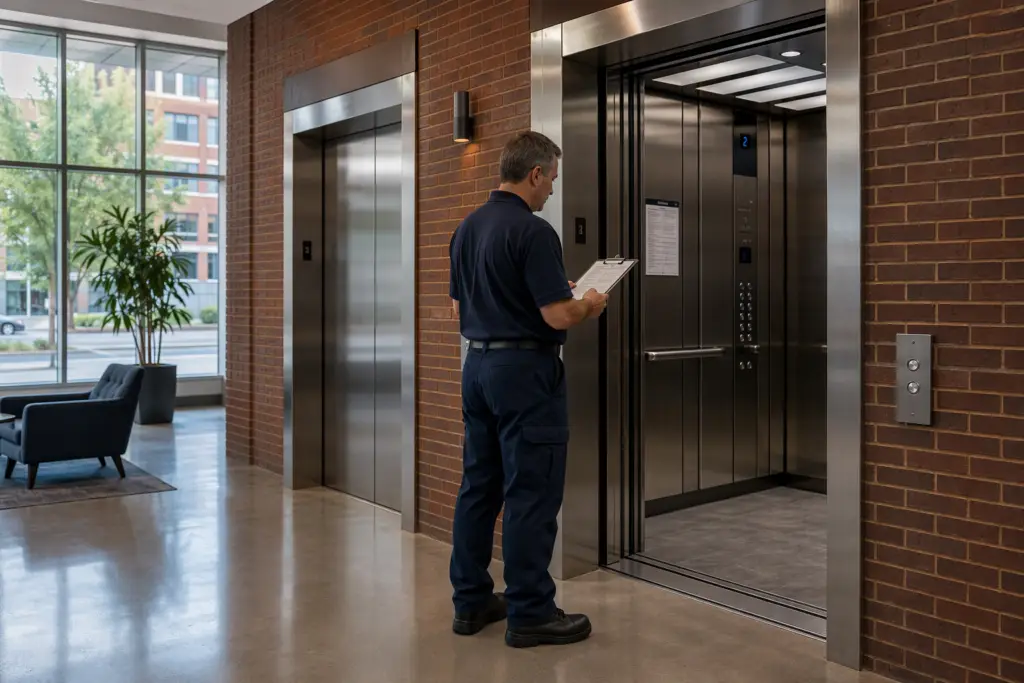
The duration of a pre-fall elevator assessment depends on elevator type, age, number of stops, and the scope of findings — a single hydraulic elevator in a low-rise building typically requires less time than a multi-elevator traction installation in a high-rise.
Building managers should plan for a service window that accommodates a complete review of machine room components, pit equipment, hoistway devices, cab interior, and all safety-critical systems. Fault log review, fluid sampling, rope or belt inspection, and safety device verification each require dedicated attention. Scheduling the assessment well before the peak of fall inspection season — rather than the week before — gives time to procure replacement parts or schedule follow-up remediation work if issues are found.
What Is the Difference Between a Routine Maintenance Visit and a Pre-Inspection Assessment?
A routine maintenance visit follows a predetermined task checklist designed for ongoing reliability, while a pre-inspection assessment specifically targets the failure modes, documentation gaps, and code compliance items that state inspectors evaluate — they overlap but are not identical.
A pre-inspection assessment typically includes a code compliance review against the applicable edition of ASME A17.1 adopted in the relevant jurisdiction, a review of the previous inspection report to confirm that any cited items were corrected, and a documentation audit to confirm that test records, governor seals, and certificates are in order. Routine maintenance keeps equipment running; a pre-inspection assessment confirms it will pass.
What Electrical Issues Does Summer Heat Create in Elevator Controllers?
Sustained elevated temperatures in machine rooms and controller enclosures cause electrolytic capacitor degradation, relay contact oxidation, cooling fan bearing wear, and printed circuit board solder joint fatigue — all of which increase the probability of nuisance faults or outright failures during fall operation.
Variable-frequency drives are particularly sensitive because their DC bus capacitors age more rapidly at higher temperatures, a relationship well documented in power electronics engineering literature. A VFD that has operated in a hot machine room all summer may be approaching the end of its capacitor service life without producing any visible symptom. Pre-fall inspection of VFD cooling fans, heat sink cleanliness, and fault history provides early warning before a capacitor failure causes an unplanned outage in cooler fall weather — when the thermal stress is reduced and the failure mode shifts from thermal shutdown to component degradation-related fault.
How Do Heat-Related Elevator Problems Affect ADA Compliance?
When heat-related failures take an elevator out of service in a building where the elevator is part of an accessible route required under the Americans with Disabilities Act, the building owner may be in violation of accessibility requirements for the duration of the outage.
The ADA does not excuse accessibility failures due to equipment malfunction, and there is no grace period for temporary outages in facilities subject to Title II (state and local government) or Title III (public accommodations) requirements. Buildings in Baltimore, Washington DC, Philadelphia, and Richmond that serve the public or house tenants have ongoing obligations to maintain accessible routes. A summer heat wave that causes repeated elevator outages is not just a maintenance inconvenience — it may constitute an ADA compliance failure with associated legal exposure.
What Questions Should a Building Owner Ask an Elevator Company Before Fall Inspection Season?
Building owners should ask about the company’s familiarity with the specific code edition adopted in their jurisdiction, their process for reviewing prior inspection reports, how they handle parts procurement timelines, and what documentation they provide after a pre-fall assessment.
Specifically relevant questions include: Does the service company pull and analyze the controller fault log systematically? Do they evaluate hydraulic fluid condition or simply top off the reservoir? Do they perform insulation resistance testing on motor windings? Can they provide a written summary of findings and corrective actions suitable for submission to a state inspector? Quality Elevator Company provides certified elevator services across Baltimore MD, Washington DC, Philadelphia PA, and Richmond VA — building owners in these markets can expect a structured assessment process aligned with the specific inspection requirements of each jurisdiction.
How Far in Advance Should Pre-Fall Elevator Service Be Scheduled?
Building owners should schedule pre-fall elevator assessments at least six to eight weeks before their anticipated state inspection date to allow adequate time for parts procurement, remediation work, and documentation preparation.
Elevator parts — particularly VFD components, hydraulic valve assemblies, and hoist ropes — can have lead times measured in weeks rather than days. Discovering a deficiency the week before a scheduled inspection leaves no margin to source replacement parts and complete the work. Scheduling early also avoids the end-of-summer service backlog that develops as many building managers make identical decisions simultaneously. The late July through early September window is generally the optimal time to book pre-fall assessments in all four markets served by Quality Elevator Company.
What Documentation Should Building Owners Have Ready for Fall Elevator Inspections?
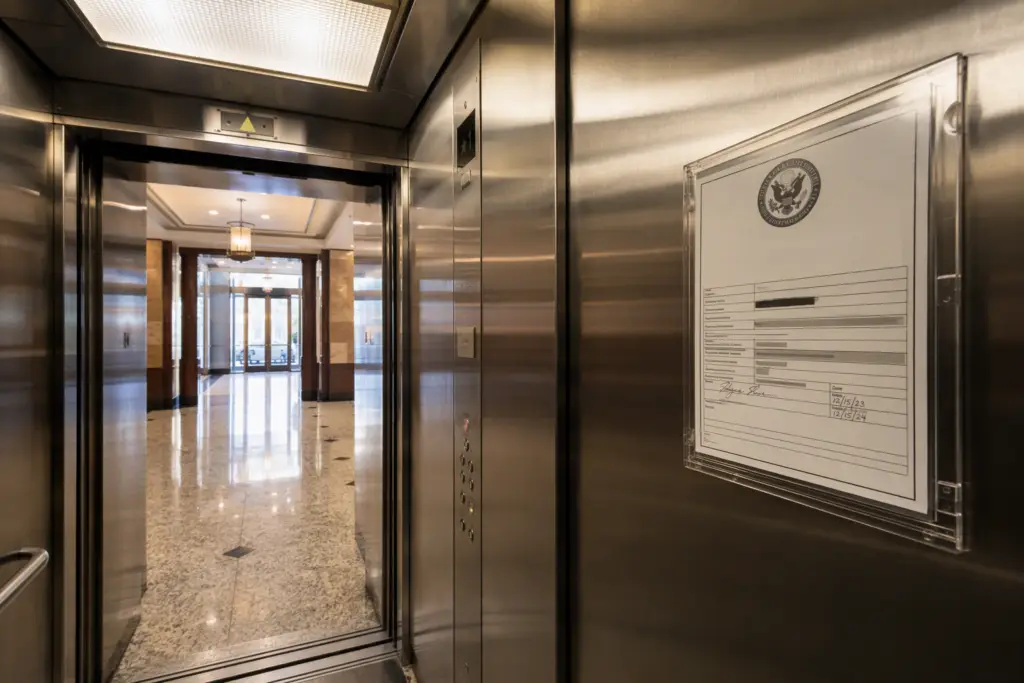
Inspectors typically require the current certificate of operation, the previous inspection report with all cited violations documented as corrected, annual test records for governors and safeties, and any permits for repairs or alterations performed since the last inspection.
Documentation gaps are a common source of inspection deficiencies that are entirely preventable. The 2019 edition of ASME A17.1 — and subsequent editions adopted by individual states — contains specific requirements for maintenance records and the retention of test documentation. In some jurisdictions, failing to produce required test records on inspection day results in a conditional certificate or an immediate shutdown order regardless of the equipment’s actual mechanical condition. A pre-fall documentation audit, conducted as part of a comprehensive assessment, closes this gap before it becomes a compliance event.
What Are the Most Common Violations Found During Fall Elevator Inspections?
The most frequently cited violations in fall elevator inspections involve door operation and safety, lubrication deficiencies, expired test records, lighting and signage issues, and machine room housekeeping — many of which are directly or indirectly related to summer operating conditions.
Door-related citations are consistently among the most common across all jurisdictions because door systems have many moving parts, wear components, and code-mandated performance parameters. Summer heat accelerates the drift of these systems out of tolerance. Lubrication deficiencies — particularly on guide rails and rope systems — are common after hot, dry summers. Machine room housekeeping violations, including debris accumulation and storage of non-elevator materials, are unrelated to heat but remain a persistent finding. A pre-fall walkthrough that addresses all of these categories substantially reduces the probability of citation and the disruption of a post-inspection shutdown.
Schedule Your Pre-Fall Elevator Assessment Today
Summer heat creates real, measurable damage to elevator systems — damage that state inspectors are trained to identify during fall inspection cycles. Building owners in Baltimore MD, Washington DC, Philadelphia PA, and Richmond VA who wait until an inspection notice arrives risk citations, shutdowns, and the extended timelines that come with reactive repair rather than planned maintenance.
Quality Elevator Company provides comprehensive pre-fall elevator assessments covering hydraulic systems, traction equipment, controller diagnostics, safety device verification, and compliance documentation review. Every assessment is conducted against the specific regulatory requirements of the jurisdiction where the elevator operates.
Contact Quality Elevator Company for a free elevator assessment: 301-779-9116
Need elevator service you can rely on? Quality Elevator Company is ready to help.