Elevator Service in Baltimore, MD | Quality Elevator Company
For property owners and facility managers in Baltimore, MD, one of the most consequential decisions in building operations is whether to modernize an existing elevator or replace it entirely. Elevator modernization versus replacement in a mid-rise building is not a one-size-fits-all calculation — it depends on equipment age, current compliance status under Maryland and local Baltimore codes, the building’s long-term occupancy goals, and the scope of work required to meet modern safety and accessibility standards. Quality Elevator Company helps Baltimore-area building owners navigate this decision with thorough assessments grounded in local code knowledge and vertical transportation expertise.
What Is the Difference Between Elevator Modernization and Full Replacement?
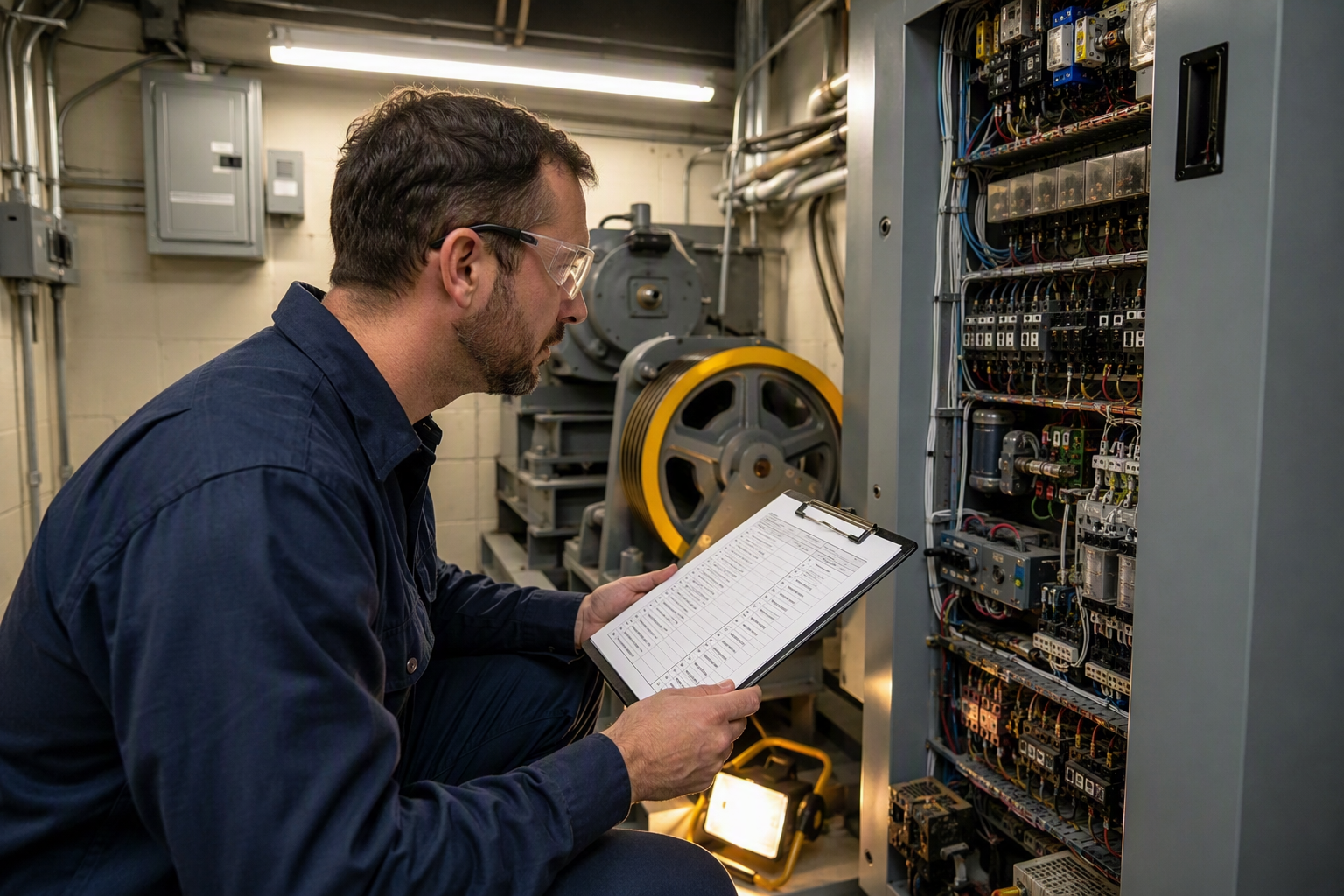
Elevator modernization refers to upgrading specific systems or components of an existing elevator installation — such as the control system, drive, cab interior, door operators, safety devices, or fixtures — without removing the entire installation. Modernization can be performed in phases or as a comprehensive overhaul and is designed to extend useful service life, improve reliability, reduce energy consumption, and bring aging equipment into compliance with current codes.
Full replacement involves removing the existing elevator entirely — including the hoistway equipment, machine room components, and cab — and installing a new system from the ground up. Replacement is typically recommended when structural deficiencies exist in the hoistway, when the equipment is at or beyond the end of its functional life, or when modernization costs approach or exceed replacement costs without delivering comparable long-term value.
What Factors Determine Whether Modernization or Replacement Is More Cost-Effective?
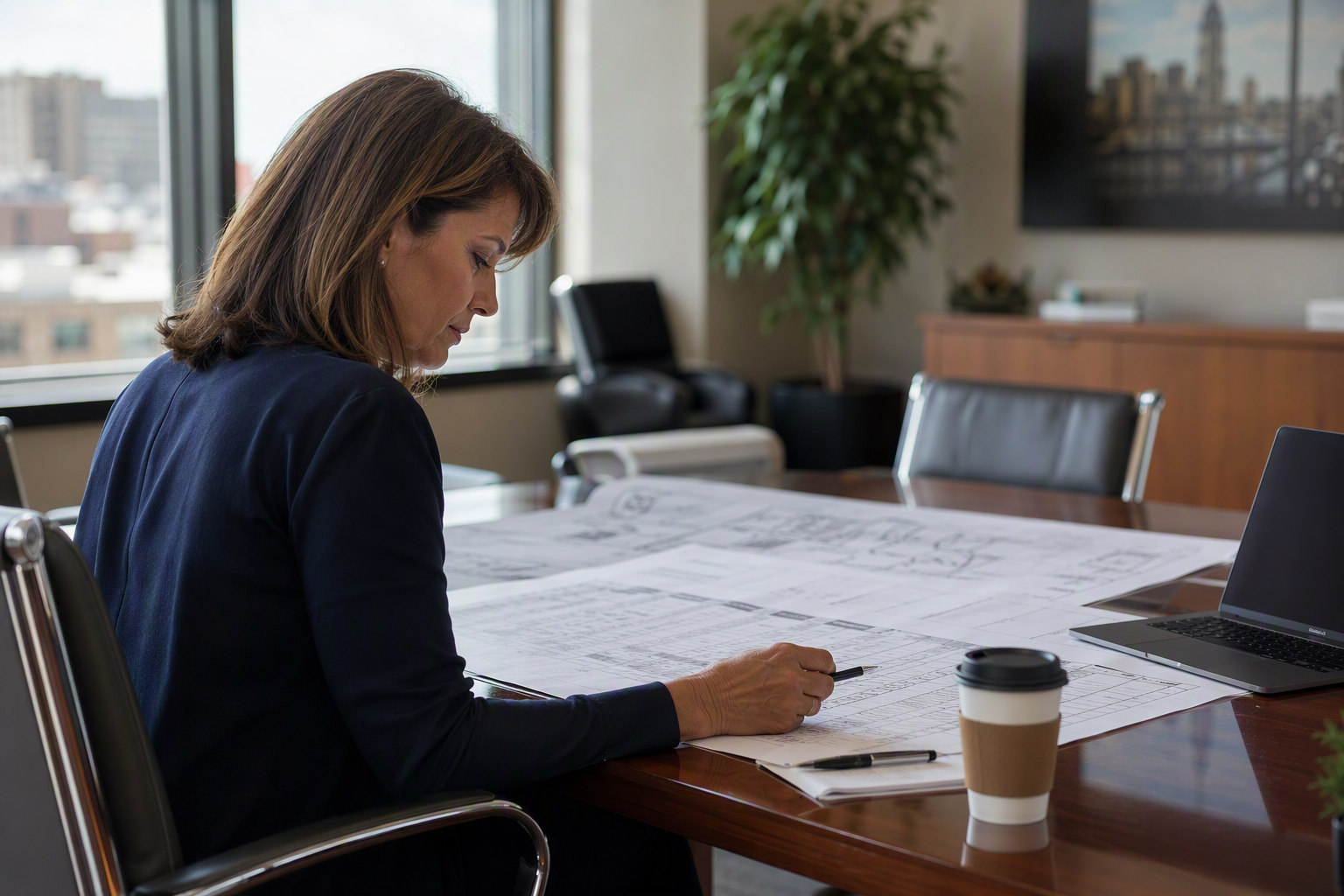
No two buildings present identical conditions, but the following factors consistently shape the modernization-versus-replacement decision for mid-rise properties in Baltimore:
- Age and condition of existing equipment: Elevators with aging hydraulic systems, obsolete relay-logic controls, or worn traction components may require such extensive component replacement that full modernization approaches the cost of a new system.
- Hoistway and machine room condition: If the hoistway pit, overhead clearances, or machine room layout do not meet current requirements, structural modifications add to either path’s cost — but may be unavoidable regardless of which route is chosen.
- Code compliance gaps: Maryland requires that elevator work comply with the ASME A17.1 Safety Code for Elevators and Escalators, and any alteration or modernization triggers a full code compliance review for the affected systems. Older Baltimore buildings may face requirements for updated door protection devices, firefighters’ emergency operation, and accessibility modifications aligned with ADA accessibility standards.
- Building use and occupancy demands: A high-traffic apartment building has different reliability and duty-cycle requirements than a low-traffic professional office building, which affects equipment selection and the premium placed on downtime avoidance during the project.
- Energy efficiency goals: Modern regenerative drives and LED cab lighting can meaningfully reduce operating costs over time — a benefit more easily quantified when comparing the long-term value of modernization against the higher upfront cost of replacement.
- Financing and phasing options: Modernization can often be staged across budget cycles, whereas full replacement generally requires a single capital commitment.
What Does Maryland Law Require When Modernizing or Replacing an Elevator?
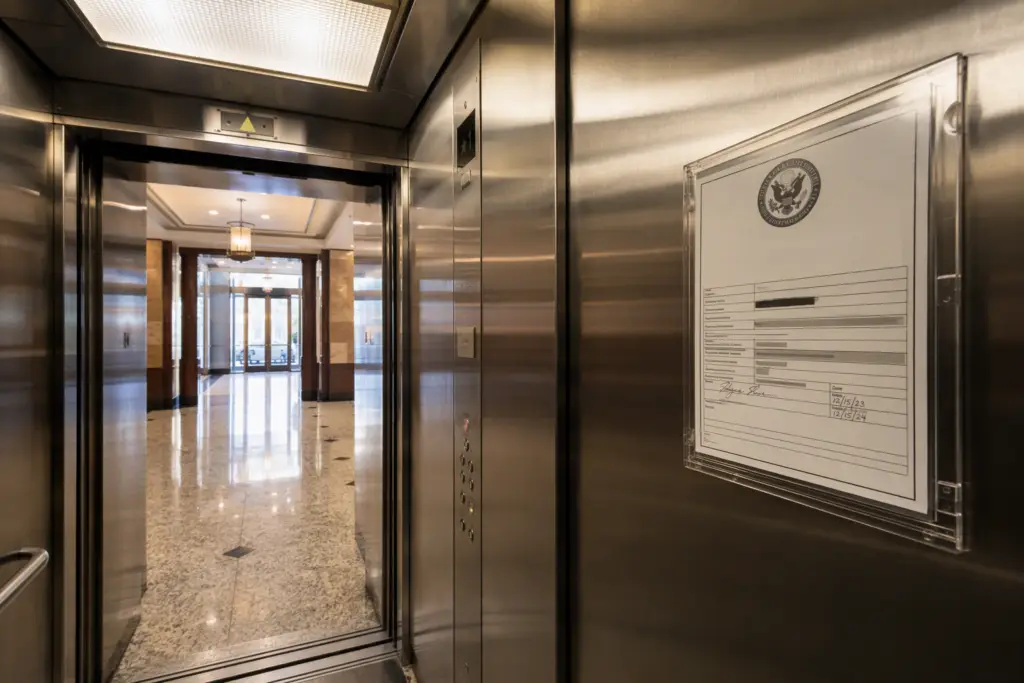
In Maryland, elevators are regulated under the Maryland Department of Labor’s elevator safety program. All elevator work — including modernizations, alterations, and new installations — must be performed by licensed contractors and inspected by a licensed elevator inspector before the equipment is returned to service. Permits are required for modernizations that alter safety-critical systems.
When an alteration is made to an existing elevator in Baltimore, the work must comply with the current edition of the ASME A17.1 Safety Code for Elevators and Escalators as adopted in Maryland, as well as applicable ADA requirements for public accommodations and commercial facilities. Notably, ASME A17.1 requires that a Category 1 or Category 5 safety test be completed following modernization of certain systems, depending on the scope of work performed.
Workplace safety standards governed by OSHA also apply to elevator construction and modernization work, protecting both technicians and building occupants during the project.
In 2026, Baltimore building owners should verify that their elevator equipment and any planned work align with the most current Maryland-adopted edition of ASME A17.1 — a step Quality Elevator Company incorporates into every initial assessment.
How Long Does Elevator Modernization Take Compared to Replacement?
Project timelines vary based on equipment type, scope, parts availability, and permitting. In general terms:
- Targeted modernizations — such as a control system upgrade or door operator replacement — can be completed in days to a few weeks with carefully planned outage windows to minimize disruption to building occupants.
- Comprehensive modernizations involving drive systems, cab interiors, and multiple mechanical components typically require several weeks of coordinated work, which may be phased to keep at least one elevator operational in multi-unit buildings.
- Full replacement generally requires a longer outage period due to the removal of existing equipment, any required hoistway modifications, and the commissioning and inspection process for a new installation.
For mid-rise apartment buildings in Baltimore where elevator availability directly affects residents, timeline planning is as important as cost planning. Quality Elevator Company works with building management to develop phased work schedules that balance project efficiency with occupant impact.
What Equipment Is Typically Upgraded During a Mid-Rise Elevator Modernization?
A comprehensive modernization for a mid-rise traction or hydraulic elevator in the Baltimore market commonly addresses the following systems:
- Control system and microprocessor-based controllers
- Drive systems (including variable-voltage, variable-frequency drives for traction elevators)
- Door operators, door safety edges, and hall call fixtures
- Cab interiors, lighting, and flooring
- Safety devices and governor systems
- Firefighters’ emergency operation and communication systems
- Hydraulic power units or pump and valve assemblies (for hydraulic systems)
- Accessibility fixtures including braille signage and audible signals per ADA requirements
How Should a Baltimore Building Owner Choose Between Vendors for This Project?
Selecting the right elevator service contractor for a modernization or replacement project in Baltimore involves evaluating several factors beyond initial bid price:
- Verify licensure: Confirm the contractor holds a Maryland elevator contractor license and that the technicians assigned to the project are licensed elevator mechanics under Maryland law.
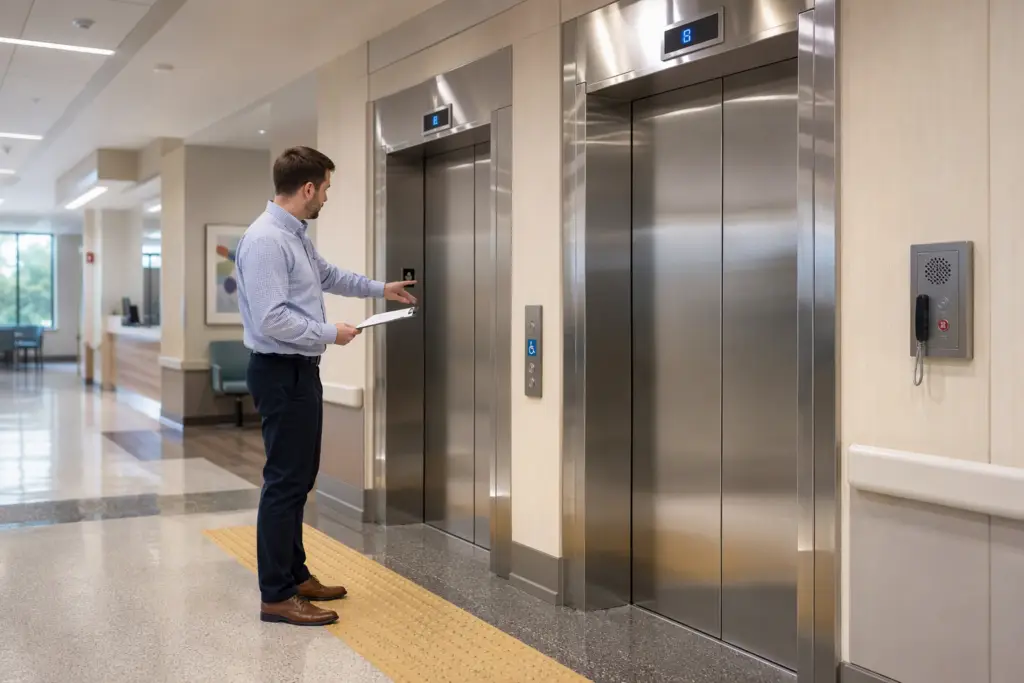
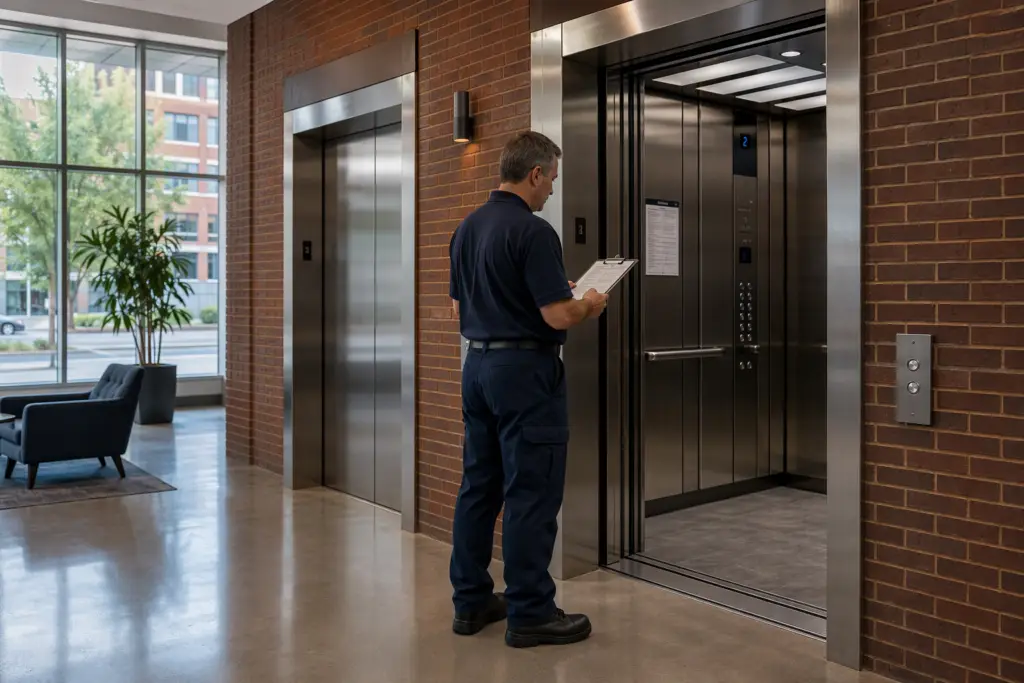
- Request a documented condition assessment: A qualified contractor will inspect the existing equipment and provide a written scope of work before presenting pricing options.
- Evaluate code knowledge: The contractor should demonstrate specific familiarity with Maryland’s adopted edition of ASME A17.1 and Baltimore’s local permitting process.
- Assess parts and manufacturer relationships: Contractors with access to multiple equipment manufacturers and parts suppliers offer more flexibility and may reduce lead times.
- Review the maintenance and post-project support proposal: A modernization or replacement is most valuable when backed by a preventive maintenance agreement that protects the investment long-term.
- Check references from comparable Baltimore properties: Mid-rise apartment and office buildings present specific operational demands — references from similar local projects carry more weight than general testimonials.
What Local Markets Does Quality Elevator Company Serve in the Baltimore Area?
Quality Elevator Company provides elevator modernization, replacement consultation, maintenance, and repair services throughout the Baltimore metropolitan area. The company serves mid-rise office buildings, apartment and condominium communities, healthcare facilities, retail properties, and mixed-use developments across Baltimore City and the surrounding region. Local expertise in Maryland’s regulatory environment and familiarity with the building stock common to Baltimore’s neighborhoods — from historic downtown office towers to newer mixed-use residential developments — positions Quality Elevator Company to deliver assessments and recommendations grounded in regional context.
Is Emergency Elevator Service Available in Baltimore, MD?
Quality Elevator Company maintains emergency service availability for elevator outages and safety-related issues at Baltimore-area properties. Building managers and property owners can reach the Quality Elevator Company team around the clock when an elevator goes out of service unexpectedly or when a safety concern requires immediate attention. Prompt response to elevator entrapments and out-of-service equipment is a core operational priority, consistent with Maryland’s regulatory requirements for licensed elevator contractors.
What Should a Building Owner Do Immediately When an Elevator Fails or Poses a Safety Risk?
- Secure the elevator: Take the elevator out of service immediately if a malfunction, unusual noise, leveling issue, or safety concern is observed. Post the elevator out of service and restrict access.
- Address any entrapment: If passengers are trapped, contact emergency services (911) immediately. Do not attempt to manually extract passengers without trained personnel.
- Contact your elevator service contractor: Notify Quality Elevator Company to dispatch a licensed technician to assess the condition and restore safe operation or formally take the equipment out of service pending repair.
- Document the incident: Record the date, time, nature of the malfunction, and any actions taken for your maintenance records and for the elevator inspector’s review.
- Verify return-to-service requirements: Depending on the nature of the failure and any repairs made, Maryland may require an inspection before the elevator is returned to passenger service. Confirm this with your elevator contractor.
Understanding the full cost and scope of elevator modernization versus replacement requires a property-specific assessment — not a generic estimate. The condition of existing equipment, code compliance status, building occupancy demands, and project timeline all interact in ways that a qualified, locally experienced elevator service partner is best positioned to evaluate.
Schedule a Free Consultation with Quality Elevator Company today. Baltimore-area property owners and facility managers can connect with the Quality Elevator Company team to discuss modernization or replacement options, code compliance requirements, and long-term maintenance planning for their buildings.
Call Quality Elevator Company: 301-779-9116
Need elevator service you can rely on? Quality Elevator Company is ready to help.