Quick Answer: An elevator modernization project typically unfolds in phases — assessment, permitting, equipment procurement, installation, and inspection — and building owners should plan for their elevator to be out of service anywhere from a few weeks to several months depending on the scope of work, building type, and local permitting timelines.
For building owners and property managers, an elevator modernization project is one of the most significant capital investments tied to vertical transportation. Understanding exactly what happens at each stage — and how long the elevator will be unavailable — is essential for budgeting, tenant communication, and regulatory compliance. This guide walks through every phase of a modernization project, answers the questions building owners most commonly ask, and explains how to choose the right service partner for the work.
What Is Elevator Modernization and Why Does It Matter?
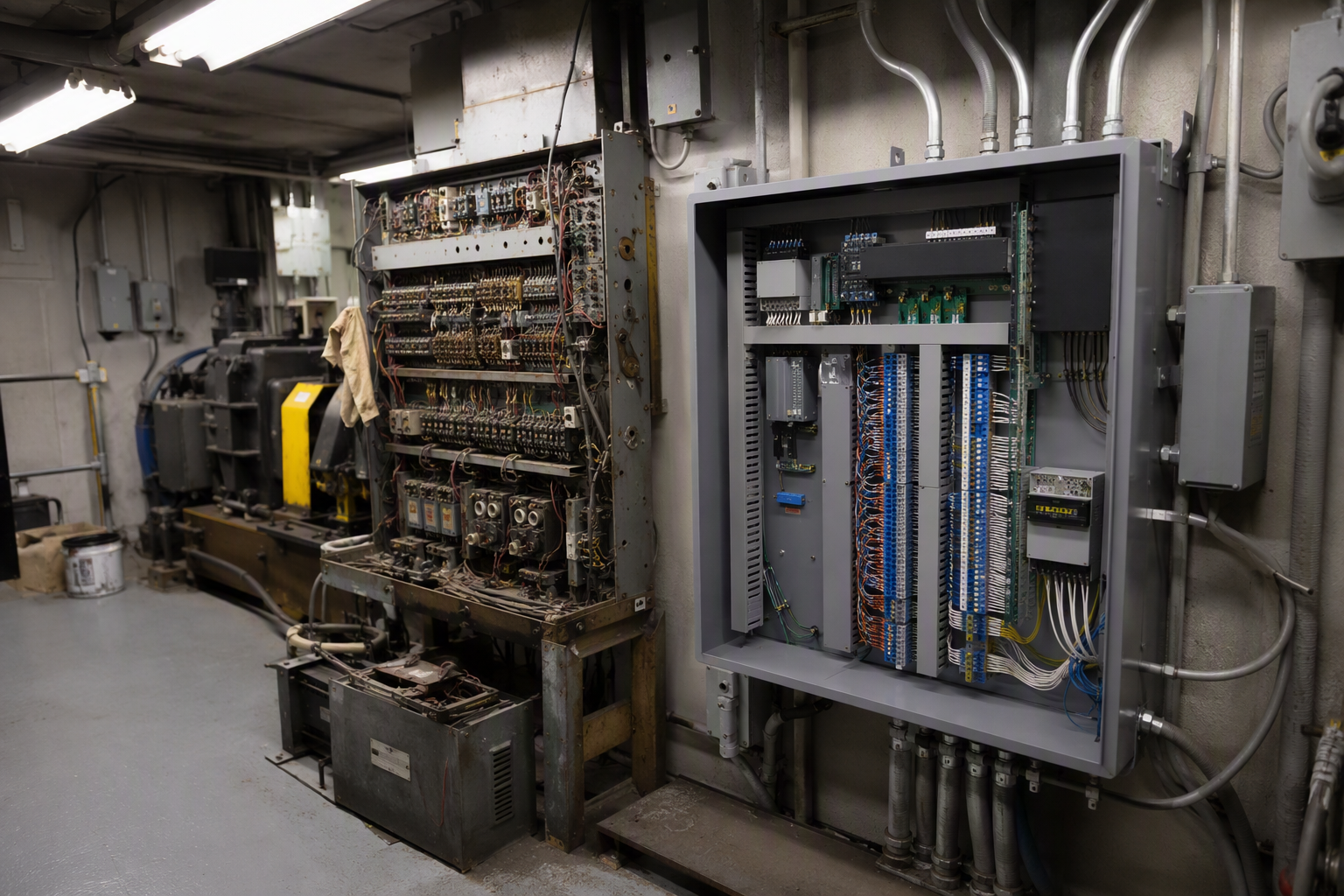
Elevator modernization refers to the partial or complete replacement of an elevator’s major mechanical, electrical, and control systems — without necessarily replacing the hoistway structure itself. It is distinct from routine maintenance and from a full elevator replacement. Modernization is typically pursued when an elevator’s components are aging, when the system no longer meets current code requirements, or when energy consumption, reliability, and ride quality have deteriorated to a point that affects building operations and occupant experience.
Modern elevator systems are governed by standards such as the ASME A17.1 Safety Code for Elevators and Escalators, which sets minimum safety requirements for elevator design, construction, operation, inspection, and maintenance. Accessibility requirements are established under the Americans with Disabilities Act (ADA). A modernization project presents a critical opportunity to bring an existing elevator into compliance with current editions of these standards — a factor that carries both legal and liability implications for building owners.
What Are the Main Phases of an Elevator Modernization Project?
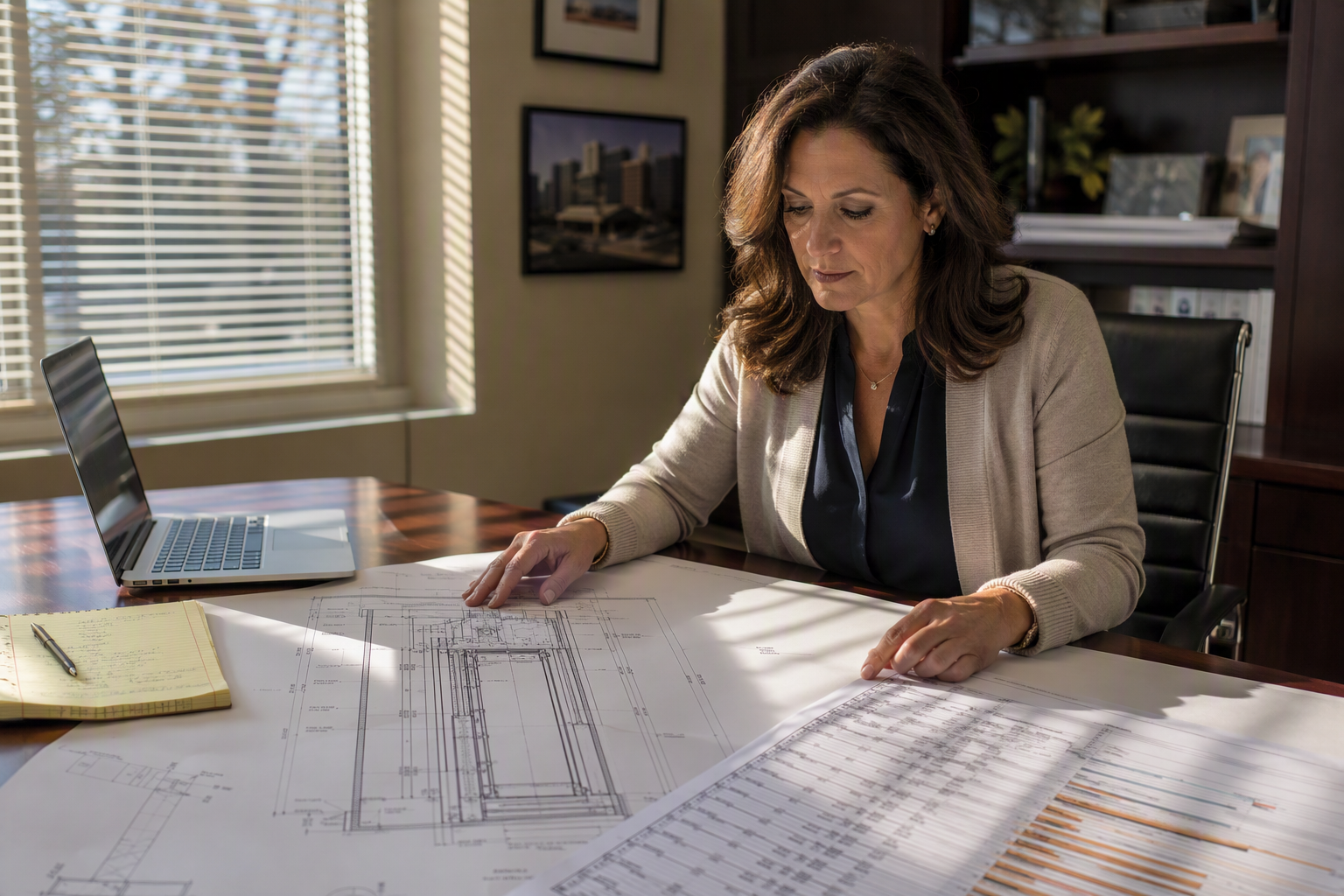
Every elevator modernization follows a defined sequence of phases. Understanding each phase helps building owners set realistic expectations and plan for disruption.
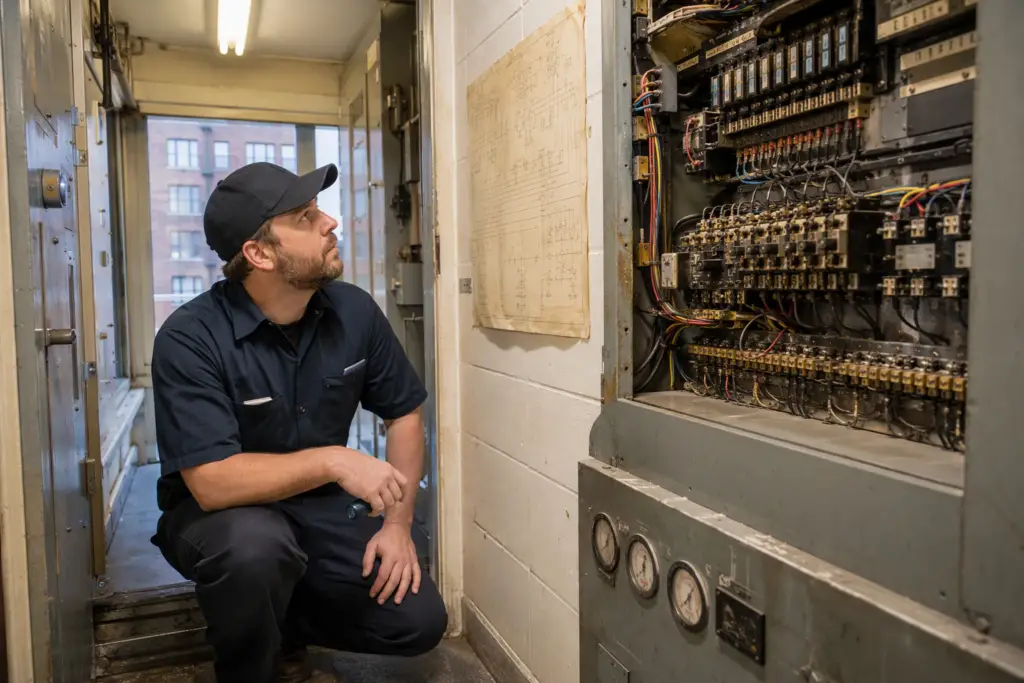
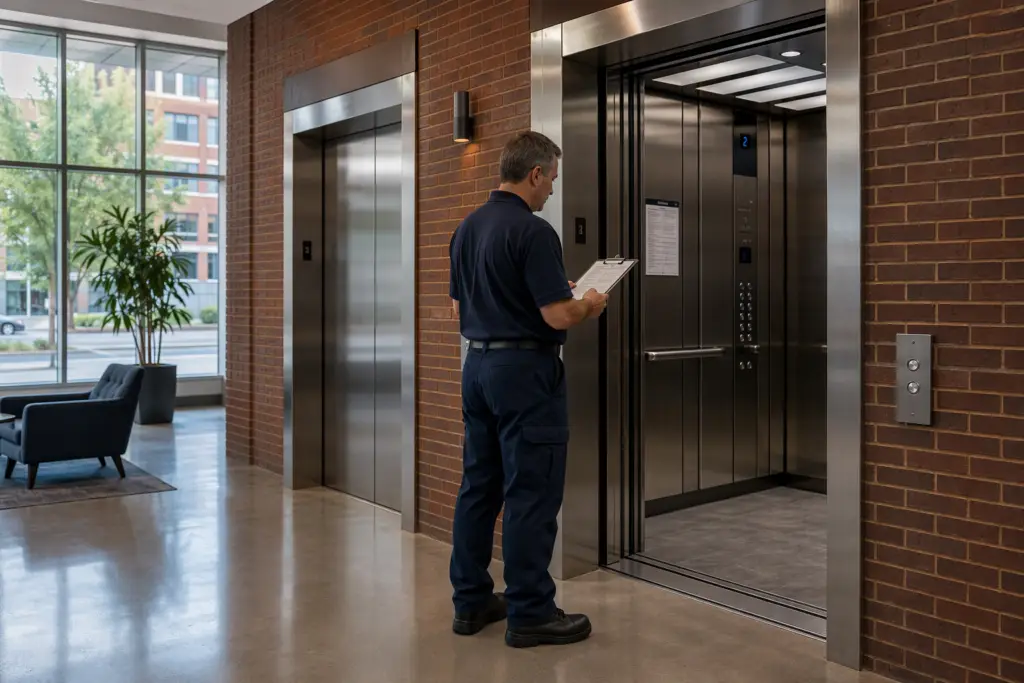
- Assessment and Condition Survey: A qualified elevator service provider conducts a detailed inspection of the existing equipment — reviewing the controller, drive system, door operators, cab interior, hoistway components, and safety devices. The findings determine the scope of modernization required and identify any code deficiencies.
- Specification and Proposal Development: Based on the assessment, the service provider develops a detailed specification outlining exactly which components will be replaced or upgraded. Building owners should receive a clear scope of work, not a vague estimate.
- Contract Execution and Engineering: Once a contract is in place, engineering drawings are prepared. For complex projects or older equipment, custom engineering may be required to adapt new components to existing hoistway dimensions.
- Permit Application and Approval: Modernization projects require permits from the local Authority Having Jurisdiction (AHJ). Permit timelines vary significantly by municipality and can range from days to several months. This phase is often a source of unexpected delays and should be factored into the overall project schedule from the outset.
- Equipment Procurement: Major components — including the controller, drive unit, door operators, fixtures, and safety devices — are ordered from manufacturers. Lead times for specialized elevator equipment can extend the pre-construction phase considerably, particularly for custom or legacy-hoistway-compatible components.
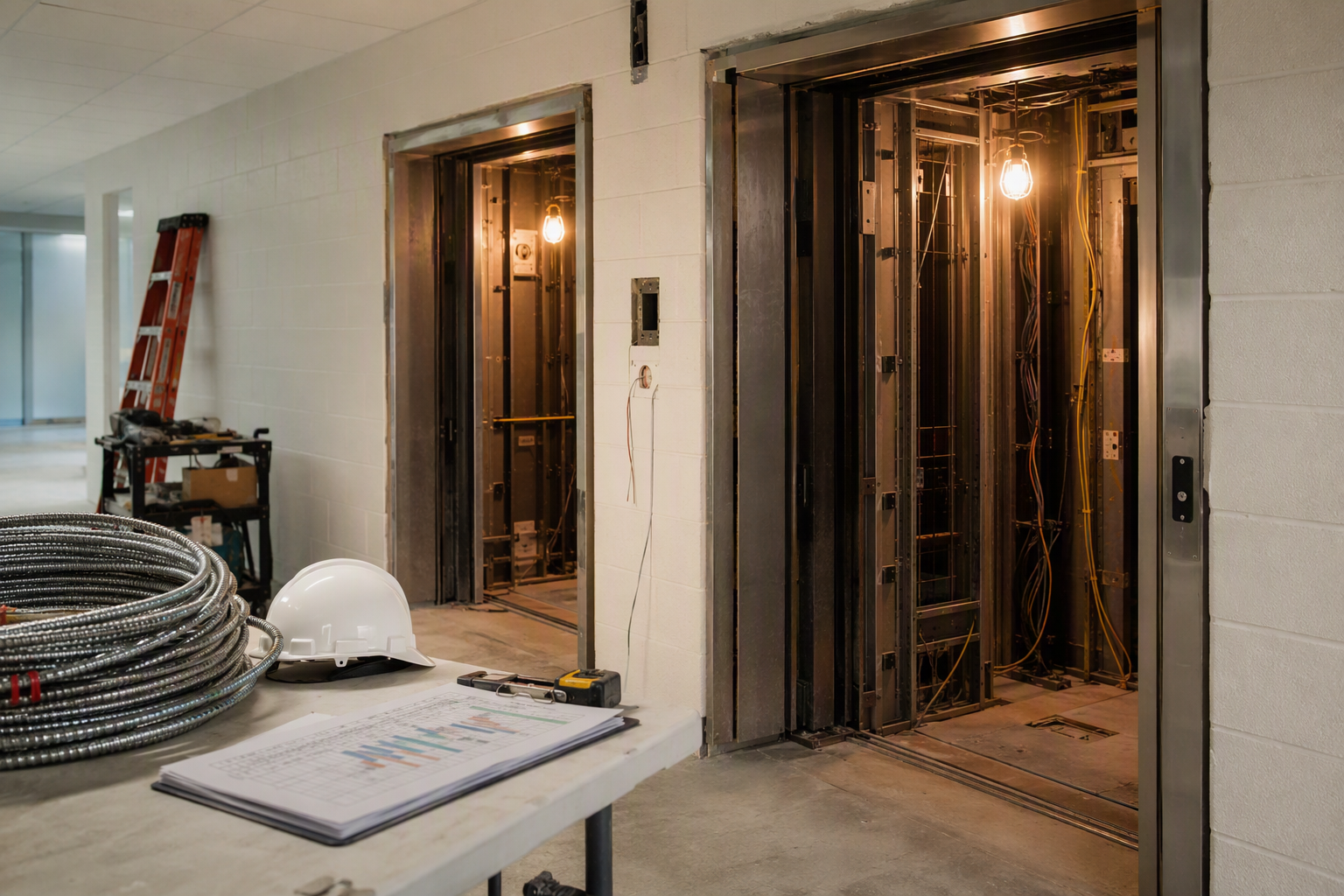
- Elevator Taken Out of Service / Field Installation: The elevator is taken out of service and the physical installation work begins. Existing components are removed and new systems are installed, wired, and programmed. This is the phase during which the elevator is unavailable to building occupants.
- Testing and Adjustment: After installation, the modernized elevator undergoes a systematic testing and adjustment process. Drive parameters, door timing, leveling accuracy, and safety system functionality are all verified and tuned.
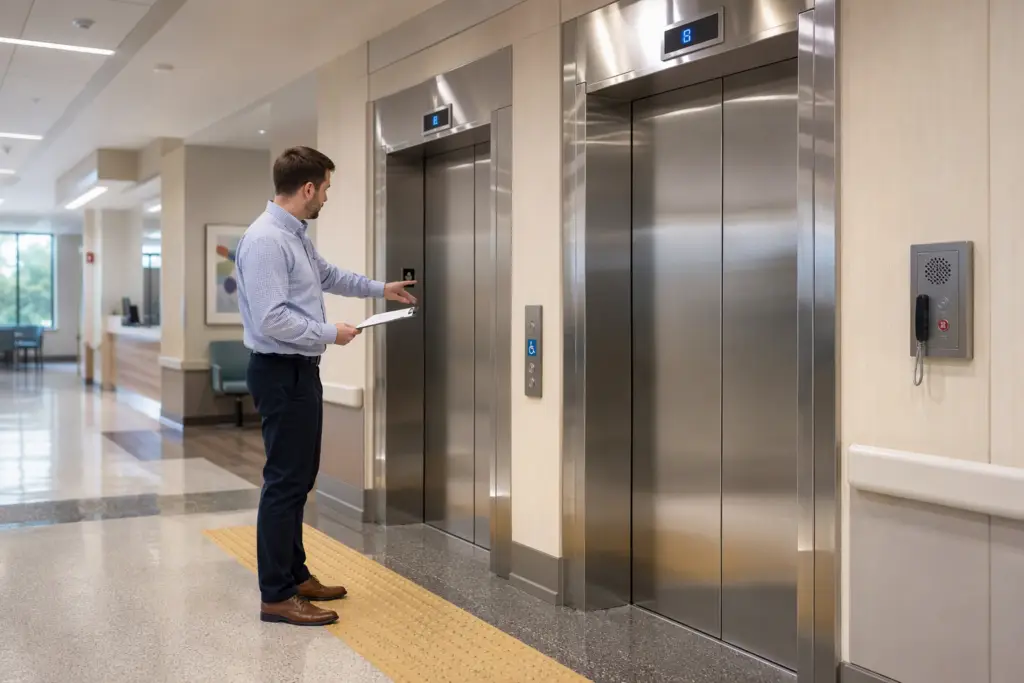
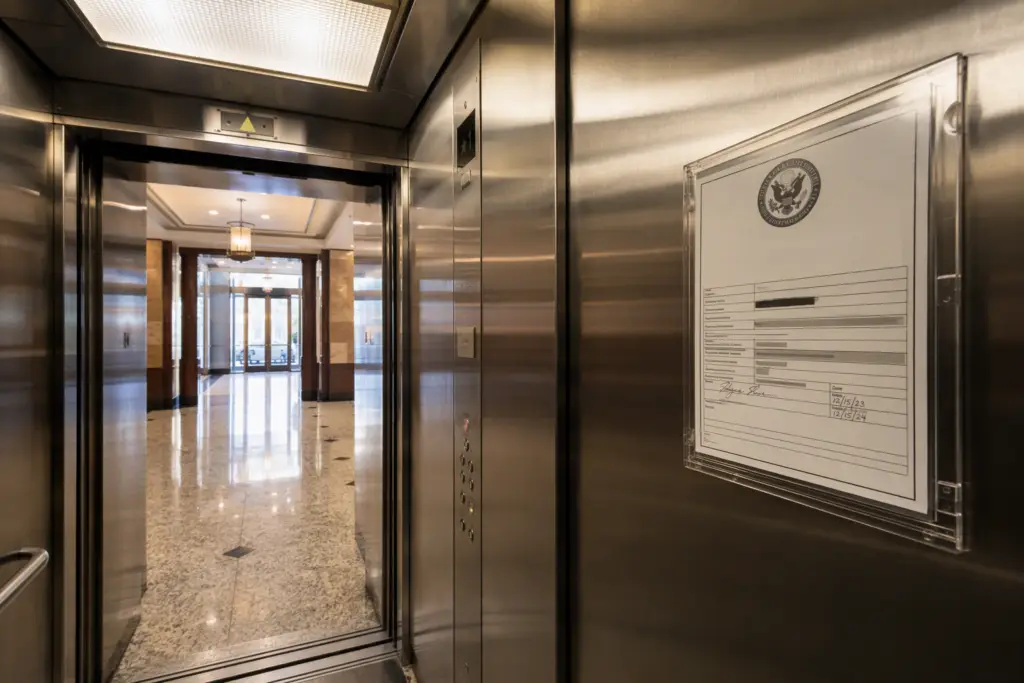
- Final Inspection by the AHJ: The local jurisdiction sends an inspector to witness a formal acceptance test. The elevator cannot legally return to service until it receives a certificate of operation following a passed inspection.
- Return to Service and Closeout: Once the certificate is issued, the elevator is returned to service. The service provider delivers documentation, updated maintenance records, and any warranty information.
How Long Will My Elevator Be Out of Service During Modernization?
The out-of-service period depends on the scope of work, the number of elevators in the building, equipment lead times, local inspection scheduling, and whether any unforeseen conditions are discovered during installation. The table below outlines typical ranges by project scope.
| Scope of Modernization | Typical Out-of-Service Duration | Key Variables |
|---|---|---|
| Controls and fixtures only (partial modernization) | Two to six weeks | Controller lead time, permit turnaround, inspection availability |
| Controls, drive, and door operators (mid-scope) | Four to ten weeks | Drive system procurement, hoistway conditions, AHJ scheduling |
| Full modernization (all major systems) | Eight weeks to six months | Engineering complexity, custom components, multiple units, permit delays |
| Multi-car group modernization (staggered) | Varies; one car at a time reduces total impact | Coordination with building operations, sequencing plan |
For buildings with a single elevator, the out-of-service period requires particularly careful planning to accommodate occupants who rely on vertical access, including those covered under the Americans with Disabilities Act. Building owners should consult with legal counsel and their service provider about interim accessibility accommodations.
What Components Are Typically Replaced During Elevator Modernization?
| Component | Modernized In Partial Scope? | Modernized In Full Scope? | Primary Benefit of Replacement |
|---|---|---|---|
| Elevator controller | Yes | Yes | Reliability, code compliance, diagnostics capability |
| Drive system (motor/drive unit) | Sometimes | Yes | Energy efficiency, reduced mechanical noise, ride quality |
| Door operators and door equipment | Sometimes | Yes | Reduced door-related service calls, improved safety |
| Cab interior and fixtures | Optional | Yes | Aesthetics, ADA-compliant fixtures and signage |
| Safety devices (governor, safeties, buffers) | If required by code | Yes | ASME A17.1 compliance, passenger safety |
| Ropes/belts and sheaves | If condition warrants | Yes | Ride quality, safety margins |
| Hoistway wiring | Partial | Yes | Compatibility with new systems, reduced fault risk |
| Emergency communication system | If required by code | Yes | Code compliance, occupant safety |
How Do I Plan for Building Operations During the Downtime?
Proactive planning minimizes the impact of elevator downtime on building occupants and operations. The following steps provide a practical framework for building owners and property managers.
- Notify tenants and occupants in writing as early as possible — ideally thirty or more days before work begins — with a realistic estimated duration and status update schedule.
- Identify all occupants with accessibility needs and work with your legal counsel to develop a written interim accommodation plan consistent with ADA obligations.
- Coordinate with the contractor on work hours to minimize noise and disruption, particularly in residential or healthcare settings where quiet hours matter.
- Establish a dedicated point of contact between the building management team and the modernization contractor so that questions and schedule changes are communicated promptly.
- Plan for stairwell use increases — ensure stairwells are clean, well-lit, and signage directs occupants appropriately.
- Schedule moves, deliveries, and large-item transportation before the elevator goes out of service where possible.
- Confirm permit status regularly — permit delays are a common cause of extended downtime, and proactive follow-up with the AHJ can sometimes accelerate scheduling.
- Request milestone updates in writing from the contractor at each project phase so you can communicate accurate information to stakeholders.
What Are the Pros and Cons of Partial vs. Full Elevator Modernization?
| Factor | Partial Modernization | Full Modernization |
|---|---|---|
| Upfront cost | Lower | Higher |
| Downtime duration | Shorter | Longer |
| Long-term maintenance costs | May remain elevated (aging components) | Typically reduced |
| Code compliance achieved | Partial — only addressed items | Comprehensive |
| Risk of follow-on failures | Higher — legacy components remain | Lower |
| Energy efficiency improvement | Moderate (if drive replaced) | Significant |
| Ride quality improvement | Moderate | Maximum |
| Recommended for buildings with | Limited capital budgets; newer hoistway equipment | Aging systems across all components; long-term ownership horizon |
What Code Requirements Must a Modernized Elevator Meet?
Any modernization project triggers a review of code compliance. The ASME A17.1 Safety Code for Elevators and Escalators is the primary standard governing elevator safety in the United States and Canada, and local jurisdictions adopt specific editions of this code. When a modernization permit is filed, the AHJ typically requires that the modernized elevator comply with the edition of ASME A17.1 that the jurisdiction has adopted — which in many cases introduces new requirements that did not apply to the original installation.
Accessibility requirements under the Americans with Disabilities Act apply to the cab interior, fixtures, call buttons, and door timing. Work environments during the installation phase are governed by OSHA standards for construction and maintenance work. Building owners should confirm with their modernization contractor exactly which code edition applies in their jurisdiction and how compliance will be documented for the AHJ inspection.
How Should I Evaluate and Compare Elevator Modernization Contractors?
The quality of the modernization contractor has a direct impact on project duration, code compliance, and long-term reliability. The following criteria help building owners make a well-informed comparison.
| Evaluation Criterion | What to Look For | Red Flags |
|---|---|---|
| Scope specificity | Detailed written specification identifying every component to be replaced | Vague proposals with broad language and undefined exclusions |
| Permitting experience | Familiarity with local AHJ and documented permit management process | No clear plan for permit acquisition or inspection scheduling |
| Independent vs. OEM-tied | Independent providers can source from multiple manufacturers; may offer flexibility and competitive pricing | Sole-sourced proposals with no alternative equipment options |
| References and history | Verifiable references from comparable buildings and project types | Reluctance to provide references or recent project examples |
| Post-modernization service plan | Clear maintenance agreement aligned with ASME A17.1 inspection intervals | No defined maintenance plan after project completion |
| Communication protocols | Defined milestones, written progress updates, single point of contact | No structured communication plan |
Quality Elevator Company is an independent elevator service provider that works with building owners throughout the modernization process — from initial assessment through final inspection and ongoing maintenance. As an independent provider, Quality Elevator Company is not tied to a single equipment manufacturer, which means the scope of work is built around the building’s actual needs rather than proprietary product preferences.
Will Modernization Increase My Building’s Property Value or Insurance Standing?
A modernized elevator contributes positively to a building in several qualitative ways. Updated systems reduce the frequency of service interruptions, which matters to tenants and lease renewal decisions. Demonstrated code compliance with current editions of the ASME A17.1 Safety Code for Elevators and Escalators and the ADA reduces liability exposure. Insurance underwriters and commercial lenders increasingly scrutinize the maintenance and compliance history of building systems, and a documented modernization with passing inspection records represents a positive asset in due diligence reviews. Building owners should consult their insurance broker and property counsel for guidance specific to their situation.
What Are Common Causes of Elevator Modernization Delays?
Modernization projects can and do run longer than initial estimates. Understanding the most common causes of delay allows building owners to ask the right questions before signing a contract.
- Permit delays: AHJ processing times vary widely and can add weeks or months to a project timeline if not managed proactively.
- Equipment lead times: Specialized components, particularly for older or non-standard hoistways, can have extended manufacturer lead times.
- Hidden conditions discovered during removal: Hoistway wiring, structural issues, or deteriorated equipment not visible during the initial survey may require additional scope and time.
- Inspection scheduling: AHJ inspectors may have limited availability, and a failed inspection requires rescheduling after corrections are made.
- Contractor coordination failures: Poor scheduling of subcontractors (electricians, structural trades) can create gaps in the installation sequence.
- Scope changes: Changes requested by the building owner mid-project can disrupt procurement and scheduling.
How Is Elevator Modernization Different from an Elevator Replacement?
Modernization preserves the existing hoistway, machine room (where applicable), and structural elements. It replaces the functional systems — controls, drive, doors, cab, safety devices — within the existing structure. A full elevator replacement involves removing everything, including the hoistway structure, and is typically pursued only when the hoistway itself is structurally compromised or when a building is being substantially renovated. Full replacement involves significantly greater construction scope, cost, and disruption. Modernization is the appropriate choice for the majority of aging elevator systems where the hoistway and structural elements remain sound.
What Questions Should I Ask Before Signing a Modernization Contract?
Before committing to a modernization contract, building owners should obtain clear written answers to the following questions from every prospective contractor.
- What specific components are included in the scope, and what is explicitly excluded?
- Which edition of ASME A17.1 will the modernized elevator be required to comply with in this jurisdiction?
- Who is responsible for permit acquisition, and what is the estimated permitting timeline?
- What is the equipment procurement lead time, and which manufacturers are being specified?
- What is the contingency plan if hidden conditions are discovered during removal?
- How will project milestones and schedule changes be communicated to the building owner?
- What warranty is provided on labor and equipment after the project is complete?
- Who will serve as the point of contact with the AHJ during inspection scheduling?
Why Choose Quality Elevator Company for Your Modernization Project?
Quality Elevator Company is a certified elevator service company that supports building owners through every phase of elevator modernization — from the initial condition assessment and scope development through permitting coordination, installation management, final inspection, and post-modernization maintenance. As an independent provider, Quality Elevator Company is positioned to develop specifications based on the building’s requirements rather than manufacturer preferences, and to coordinate with local Authorities Having Jurisdiction on behalf of building owners.
Property managers and building owners seeking a transparent, accountable modernization process are encouraged to reach out for a comprehensive evaluation of their elevator equipment and a clear, detailed modernization proposal.
Ready to Plan Your Elevator Modernization?
Contact Quality Elevator Company for a free elevator assessment. A thorough evaluation of your current equipment is the essential first step toward a successful modernization project — one that is delivered on scope, on schedule, and in full compliance with applicable codes.
Call us today: 301-779-9116
Need elevator service you can rely on? Quality Elevator Company is ready to help.