How Much Does Elevator Maintenance Cost Per Year for a Commercial Building?
Understanding what drives elevator maintenance spending is essential for commercial facility managers, building owners, and CFOs who need to forecast operating budgets accurately. This authority resource breaks down every major cost factor, explains what compliance codes require, and answers the most common questions building decision-makers ask when evaluating elevator maintenance programs in 2026.
—
What Determines Annual Elevator Maintenance Cost?
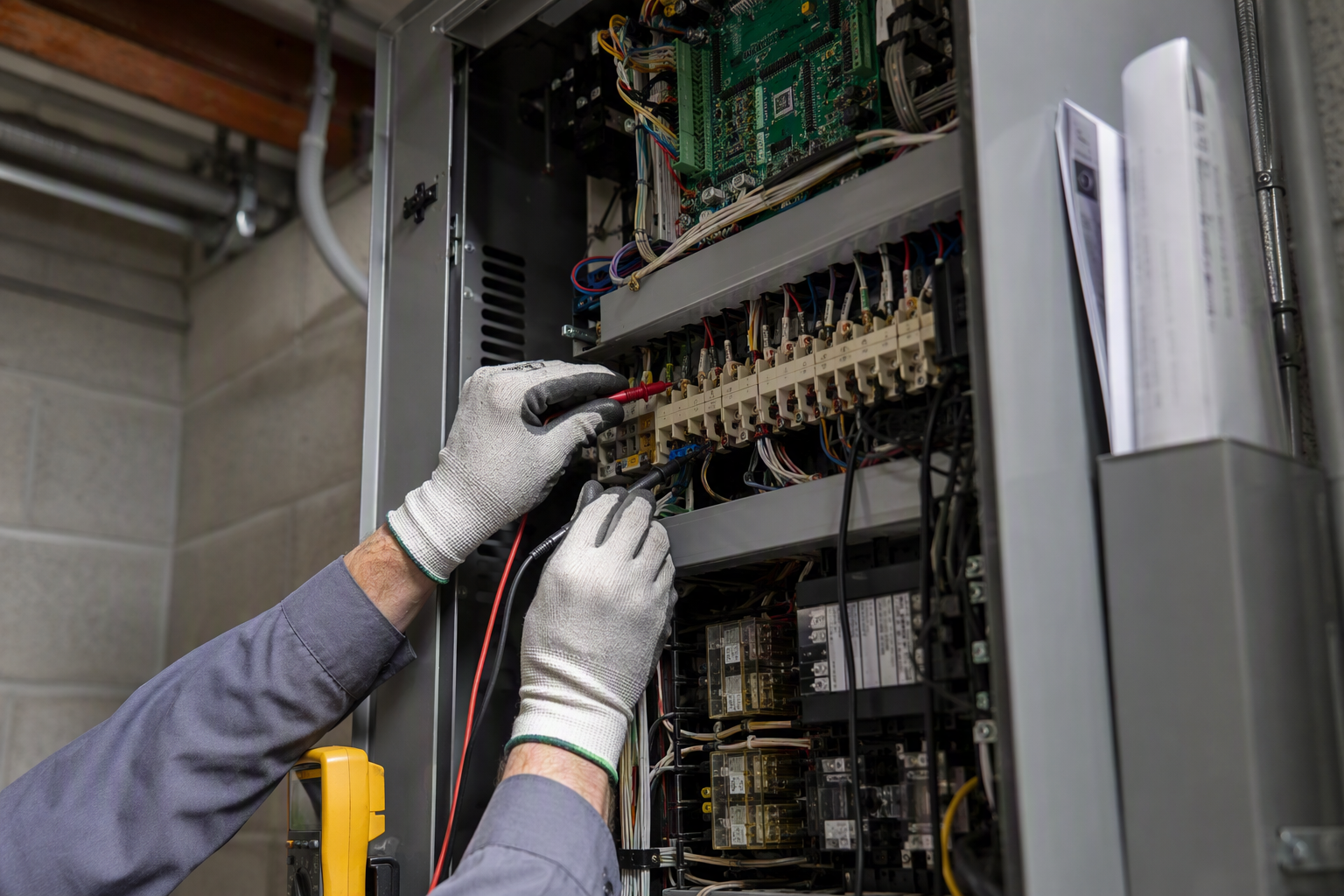
No single number applies universally to commercial elevator maintenance because the cost is the product of several intersecting variables. Understanding each variable allows building operators to benchmark quotes intelligently and negotiate contracts that deliver genuine value rather than the lowest upfront price with hidden exclusions.
Elevator Type and Technology
Hydraulic elevators, traction elevators, and machine-room-less (MRL) traction systems each carry different maintenance profiles. Hydraulic units require regular fluid inspections and are subject to environmental regulations governing fluid containment. Conventional traction elevators involve overhead machinery, sheaves, and counterweights that demand periodic lubrication and adjustment. MRL systems consolidate mechanical components differently, which affects technician access time and parts availability. Older relay-logic controlled units frequently cost more to maintain than microprocessor-controlled systems because replacement components are scarcer and diagnostic work is more time-intensive.
Usage Intensity and Passenger Volume
A single elevator in a low-rise professional office building with modest daily traffic accumulates wear at a far slower rate than a unit serving a busy hospital, hotel, or mixed-use residential tower operating around the clock. Higher cycle counts accelerate wear on doors, rollers, cables, and control components, which increases both preventive maintenance labor hours and the frequency of parts replacement.
Contract Scope: What Is and Is Not Included
The single largest source of budget surprises in elevator maintenance is the gap between what building owners assume a contract covers and what it actually covers. Maintenance agreements generally fall along a spectrum:
- Examination-only or oil-and-grease contracts: Cover periodic lubrication and visual inspection but exclude most parts and labor for repairs.
- Parts-inclusive contracts: Cover a defined list of components but may exclude major items such as motors, controllers, or door operators.
- Full-coverage or comprehensive contracts: Cover most parts and labor, including modernization-grade components, with fewer exclusions. These carry the highest annual premiums but provide the most predictable total cost of ownership.
Building owners comparing quotes must read exclusion clauses carefully. A lower-priced contract that excludes motors, controllers, and door equipment can result in repair invoices that dwarf the annual savings realized on the contract premium.
Building Location and Local Labor Markets
Elevator mechanic labor rates vary significantly by metropolitan area, reflecting prevailing union wages, cost of living, and local licensing requirements. Major urban markets in the Northeast, West Coast, and parts of the Midwest consistently carry higher labor rates than rural or smaller metro areas. Local jurisdictional requirements — including inspection fees paid to municipal or state authorities — also factor into effective annual costs.
Number of Elevators in the Portfolio
Buildings with multiple elevators frequently benefit from volume pricing, since a technician dispatched to the property can service several units in a single visit, reducing per-unit travel and labor overhead. Multi-unit contracts are often more cost-effective on a per-elevator basis than single-unit agreements.
Age and Condition of Equipment
Aging equipment requires more frequent parts replacement, and obsolete components are more expensive and harder to source. An elevator approaching the end of its intended service life may generate maintenance invoices that rival or exceed the annualized cost of modernization, making a capital replacement analysis financially justified.
—
What Do Compliance Codes Require for Elevator Maintenance?
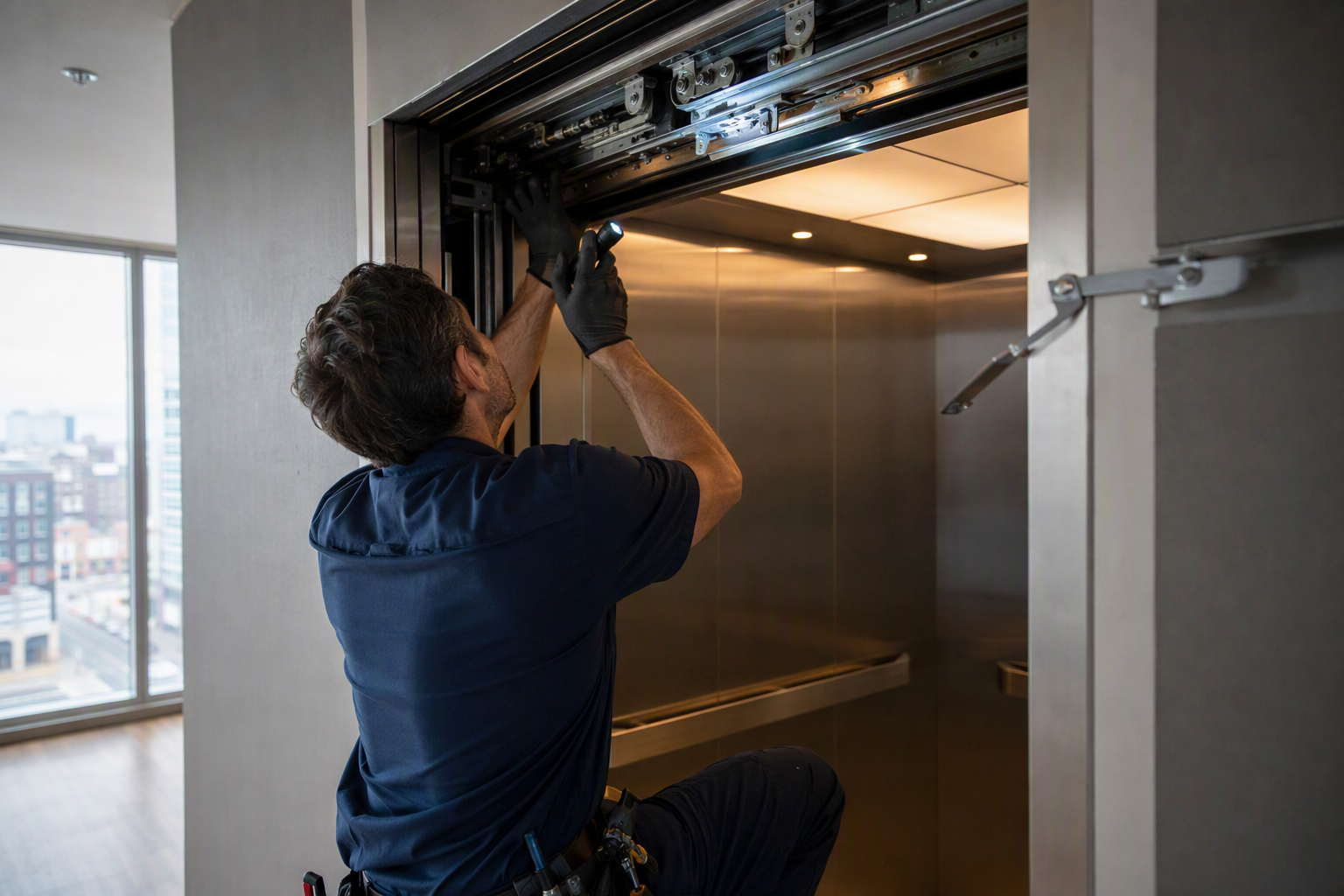
Maintenance is not optional — it is mandated by code. The foundational standard governing elevator safety in the United States is the ASME A17.1 Safety Code for Elevators and Escalators. This code establishes minimum requirements for periodic inspections, tests, and maintenance procedures. Most states and municipalities adopt ASME A17.1 by reference in their own elevator safety regulations, meaning compliance with the code is effectively a legal obligation for commercial building owners.
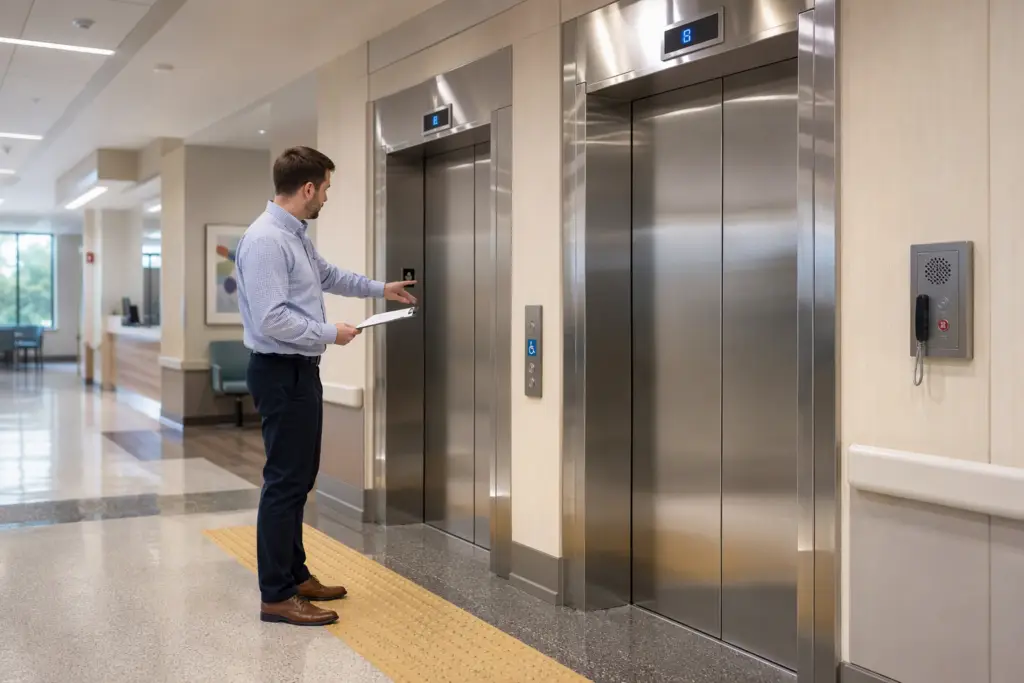
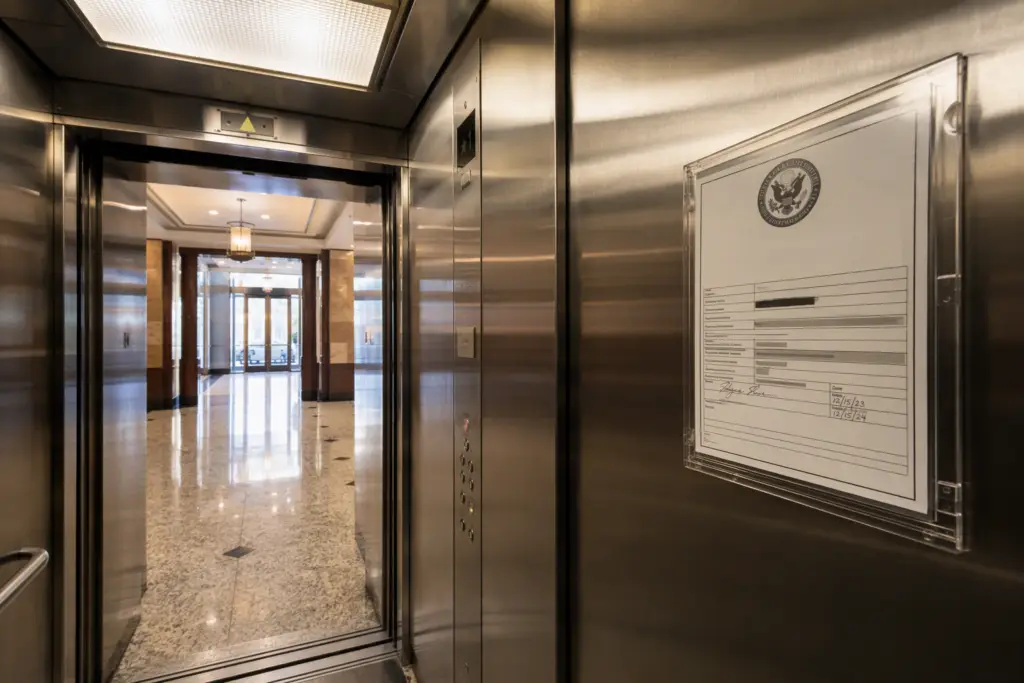
Key maintenance-related provisions within ASME A17.1 include requirements for periodic inspections and witnessed tests at defined intervals, documented maintenance procedures, and the keeping of maintenance records. When an Authority Having Jurisdiction (AHJ) — typically a state or local elevator inspection department — audits a building, they may request maintenance logs as evidence that required service has been performed.
For buildings open to the public, the Americans with Disabilities Act (ADA) imposes additional obligations to maintain accessible features in working order. Elevator downtime that renders an accessible route unavailable can trigger ADA compliance concerns, reinforcing the business and legal case for proactive maintenance.
OSHA regulations also apply when elevator maintenance and repair work is being performed, governing lockout/tagout procedures, confined space protocols, and general construction and maintenance safety standards that qualified elevator technicians must follow.
—
What Are the Main Cost Categories in an Annual Elevator Maintenance Budget?
Annual elevator maintenance spending breaks down across several distinct cost categories. Building operators benefit from understanding each category separately rather than treating the annual contract fee as the total cost of elevator ownership.
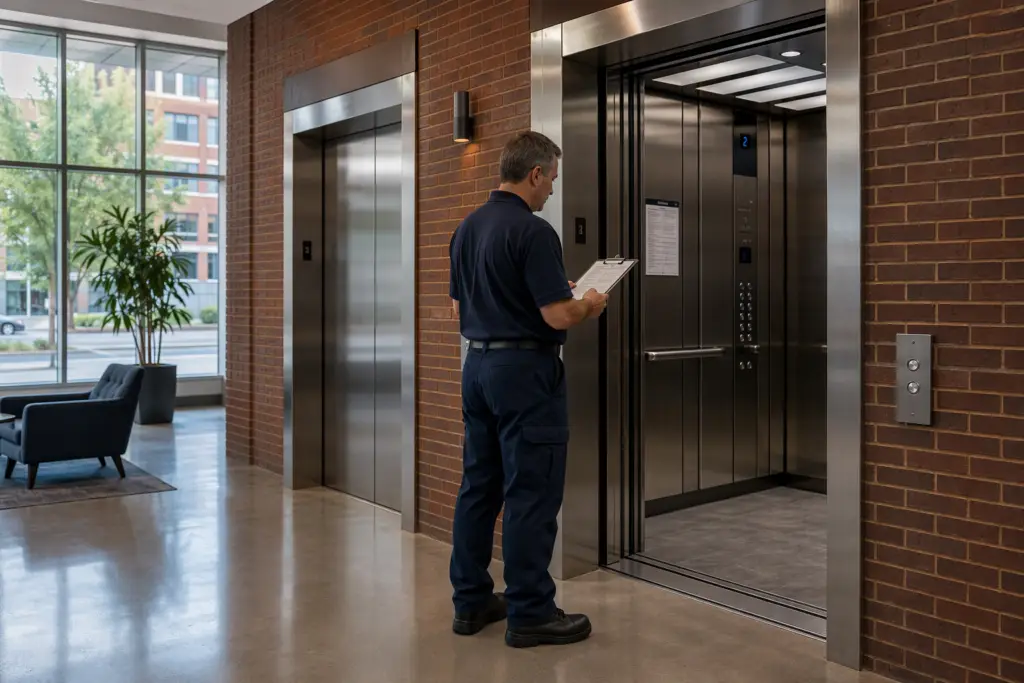
- Preventive maintenance labor: Scheduled visits by certified elevator mechanics to perform lubrication, adjustment, cleaning, and safety checks. The frequency of these visits is typically specified in the contract.
- Parts and materials: Consumable items such as lubricants, brake linings, and belts, as well as replacement components for doors, buttons, sensors, and control systems.
- Inspection and permit fees: Fees paid to the state or local AHJ for annual or periodic third-party inspections required by code.
- Emergency and callback service: Labor and parts costs for unscheduled service calls to address breakdowns, entrapments, or safety-related failures. Whether these are included in the contract premium or billed separately is a critical contract term.
- Modernization and capital repairs: Major expenditures that typically fall outside standard maintenance contracts, such as replacing a motor, controller, or cab interior. These costs are best tracked separately as capital expenditures but must be anticipated in long-range facility budgets.
—
How Does Elevator Maintenance Cost Compare to the Cost of Deferred Maintenance?
Deferring maintenance is rarely a genuine cost-saving strategy. Equipment that is not regularly serviced tends to accumulate wear more rapidly, leading to component failures that are significantly more expensive to repair than the maintenance that would have prevented them. Door system failures are among the most common causes of elevator downtime, and door-related issues are largely preventable through consistent adjustment and lubrication during scheduled visits.
Beyond repair costs, downtime carries indirect financial consequences including reduced tenant satisfaction, potential lease renewal risk in commercial office buildings, and ADA exposure if accessible routes are compromised. In high-traffic properties such as hotels, hospitals, and retail centers, elevator downtime can directly affect revenue and guest experience in ways that are difficult to quantify but clearly real.
—
What Should a Building Owner Look for in an Elevator Maintenance Contract?
Evaluating maintenance proposals requires scrutiny beyond the annual price. The following contract terms warrant careful review:
- Scope of inclusions and exclusions: Request a written list of every component category that is and is not covered.
- Response time commitments: Understand what guaranteed response times apply for entrapments and non-entrapment breakdowns, and whether these commitments are enforceable contractually.
- Technician qualification requirements: Confirm that the provider uses mechanics who are trained and qualified under applicable state and local licensing requirements.
- Maintenance visit frequency: Verify how many scheduled visits per year are included, and whether visit frequency aligns with manufacturer recommendations and ASME A17.1 guidance.
- Escalation clauses: Multi-year contracts often include annual price escalation provisions tied to labor cost indices. Understand how these work before signing.
- Termination provisions: Know the conditions and penalties for early termination, particularly if you are considering switching providers.
- Proprietary parts and tools: Some large national providers install proprietary components that can only be serviced by their own technicians, limiting your ability to switch vendors in the future. This is a significant long-term cost consideration.
—
How Does Building Size and Elevator Count Affect Annual Maintenance Costs?
The relationship between building size and elevator maintenance cost is not strictly linear. A single elevator in a small professional building may have a proportionally higher per-unit maintenance cost than one of ten elevators in a high-rise tower, because the economics of technician dispatch, parts stocking, and contract administration favor larger portfolios. Facility managers overseeing multiple properties benefit from consolidating elevator maintenance under a single provider when service quality and geography permit, as this typically provides leverage for more favorable contract terms.
—
What Industry Trends Are Shaping Elevator Maintenance Costs in 2025–2026?
Several qualitative trends are influencing the elevator maintenance landscape heading into 2026:
- Remote monitoring and predictive maintenance: IoT-enabled elevator monitoring systems are increasingly being integrated into maintenance programs, allowing technicians to detect developing issues before they cause failures. These systems can reduce emergency callback frequency over time, though they typically carry their own subscription or installation costs that add to the annual budget.
- Labor cost pressures: Qualified elevator mechanics remain in high demand relative to supply in many markets. Labor cost inflation continues to exert upward pressure on maintenance contract pricing, a trend that shows no sign of reversing in the near term.
- Sustainability and energy efficiency requirements: Some jurisdictions are expanding requirements related to elevator energy consumption and environmental compliance, including regulations governing hydraulic fluid types. These requirements can influence both maintenance procedures and associated costs.
- Code evolution: The ASME A17.1 Safety Code for Elevators and Escalators is updated on a regular cycle. As newer editions are adopted by state and local authorities, buildings with older equipment may face mandatory upgrades that intersect with their maintenance programs.
- Consolidation among service providers: Ongoing consolidation in the elevator service industry is changing competitive dynamics in some markets, affecting pricing and the availability of independent service providers as alternatives to large national companies.
—
How Should Building Owners Budget for Elevator Maintenance Long-Term?
Sound facilities management treats elevator maintenance as a multi-year budget line rather than an annual variable. A defensible long-range approach includes:
- Establishing a current-condition baseline through a comprehensive equipment assessment that documents the age, condition, and compliance status of each unit.
- Forecasting preventive maintenance contract costs over a three-to-five-year horizon, accounting for likely escalation provisions.
- Setting aside a capital reserve for major repairs and modernization, calibrated to the age and condition of the equipment identified in the baseline assessment.
- Scheduling a formal equipment condition review every three to five years to update the capital forecast based on actual wear and evolving code requirements.
- Documenting all maintenance activities to satisfy ASME A17.1 recordkeeping requirements and to support vendor accountability.
—
What Is the Difference Between Elevator Maintenance and Elevator Modernization?
Maintenance refers to ongoing servicing, inspection, and repair of existing equipment to keep it operating safely and reliably. Modernization refers to the replacement of major systems — such as the controller, drive, door operator, fixtures, or cab — typically to improve performance, energy efficiency, safety, or compliance with updated code requirements. These are distinct budget categories. Maintenance costs are operating expenses; modernization costs are typically capitalized. The two are connected, however: well-maintained equipment reaches the modernization decision point in better condition and with more predictable timing than neglected equipment, giving building owners greater control over capital planning.
—
How Does Elevator Maintenance Affect Building Insurance and Liability?
Documented, consistent maintenance is a risk management asset. In the event of a personal injury claim related to an elevator, the maintenance record is among the first items requested in litigation discovery. A complete, well-organized record of inspections, adjustments, and repairs demonstrates that the building owner met the duty of care. Buildings that cannot produce maintenance documentation — or whose documentation reveals long gaps in service — face significantly greater exposure. Many commercial property insurers also factor elevator maintenance practices into underwriting decisions and premium calculations, though specific requirements vary by carrier and policy.
—
How Can Building Owners Evaluate Whether They Are Overpaying for Elevator Maintenance?
Benchmarking is the most reliable tool for evaluating whether current contract pricing is competitive. Building owners and facility managers should periodically solicit competing proposals — even if they do not intend to switch providers immediately — to understand the current market rate for comparable scope in their geography. Beyond price, the quality of maintenance matters: a lower-cost contract that results in more frequent breakdowns, slower response times, or deferred repairs can generate total costs that exceed those of a more comprehensive agreement. Tracking callback frequency and equipment downtime over time provides objective data for evaluating maintenance program performance.
—
What Are the Risks of Using an Unqualified Elevator Maintenance Provider?
Elevator maintenance is a safety-critical activity regulated by state and local licensing requirements in most U.S. jurisdictions. Using an unqualified or unlicensed provider exposes building owners to multiple categories of risk: safety incidents resulting from improperly performed maintenance, regulatory penalties for non-compliance, insurance coverage disputes, and liability exposure in the event of injury. The OSHA standards governing elevator maintenance work are extensive, and compliance requires trained, qualified personnel. Vetting provider qualifications and confirming that technicians hold applicable state and local licenses is a foundational step in vendor selection.
—
How Does Quality Elevator Company Approach Elevator Maintenance Cost Planning?
Quality Elevator Company approaches elevator maintenance as a data-driven service discipline, helping commercial building owners understand the full cost picture rather than simply quoting the lowest contract price. The company’s service model is grounded in thorough equipment assessment, transparent contract terms, and documented maintenance practices that satisfy ASME A17.1 Safety Code for Elevators and Escalators recordkeeping requirements and support long-range capital planning. By providing building owners with clear information about equipment condition, applicable code requirements, and the range of service options available, Quality Elevator Company enables more informed decisions about maintenance investment — decisions that account for total cost of ownership rather than contract price alone.
—
Quick-Reference: Key Questions About Elevator Maintenance Costs
Is annual elevator maintenance required by law for commercial buildings?
Yes. Commercial buildings are subject to mandatory inspection and maintenance requirements under the ASME A17.1 Safety Code for Elevators and Escalators as adopted by state and local authorities. Operating a commercial elevator without a current inspection certificate or without documented maintenance is a regulatory violation in virtually all U.S. jurisdictions.
What is typically excluded from a basic elevator maintenance contract?
Basic or examination-only contracts commonly exclude major mechanical and electrical components such as motors, controllers, door operators, and structural components. They may also exclude vandalism damage, cab interior components, and after-hours emergency service labor. Always request a written exclusions list before signing.
How often should a commercial elevator be inspected?
The ASME A17.1 Safety Code for Elevators and Escalators specifies inspection and test intervals, and most state and local jurisdictions require at minimum an annual inspection by a qualified inspector or the AHJ. Some high-use applications may warrant more frequent servicing. The specific interval applicable to a given installation depends on the jurisdiction and the type of equipment.
Can a building owner self-perform elevator maintenance to reduce costs?
No. Elevator maintenance must be performed by qualified, licensed elevator mechanics in accordance with applicable state and local requirements. Building maintenance staff are not authorized to perform regulated elevator maintenance work. Attempting to self-perform this work creates serious safety, regulatory, and liability exposure.
Does elevator age significantly affect annual maintenance cost?
Yes. Older elevators — particularly those with obsolete control systems or discontinued components — typically incur higher maintenance costs due to parts scarcity, longer diagnostic labor, and more frequent component failures. For equipment beyond a certain age, the annual total cost of maintenance and repairs may support a capital modernization decision.
How does ADA compliance relate to elevator maintenance costs?
Under the Americans with Disabilities Act, building owners are required to maintain accessible features — including elevators serving as accessible routes — in working order. Maintenance programs must therefore prioritize the operational reliability of accessibility features such as door timing, leveling accuracy, and control panel functionality. Compliance failures can result in complaints, investigations, and remediation costs.
What is a full-coverage elevator maintenance contract?
A full-coverage or comprehensive maintenance contract covers most parts and labor costs for repairs and component replacements, in addition to scheduled preventive maintenance visits. These contracts provide the most cost predictability but carry higher annual premiums. They are generally most appropriate for high-use elevators, older equipment, or buildings where budget certainty is a priority.
How can building owners reduce elevator maintenance costs without sacrificing safety?
Cost management strategies that do not compromise safety include consolidating multiple units under a single provider for volume pricing, benchmarking contracts periodically to ensure market-rate pricing, ensuring maintenance visit frequency is sufficient to prevent costly breakdowns, and investing in timely minor repairs before they escalate into major component failures. Cutting maintenance visit frequency or deferring known repairs are false economies that typically increase total costs.
What documentation should be maintained for elevator compliance purposes?
Building owners should maintain current inspection certificates, records of all preventive maintenance visits including dates and work performed, records of all repairs and parts replacements, and documentation of any tests required under the ASME A17.1 Safety Code for Elevators and Escalators. This documentation should be retained for a period consistent with applicable jurisdictional requirements and available for review by the AHJ upon request.
What questions should be asked when requesting an elevator maintenance proposal?
Key questions include: What is the complete list of included and excluded components? How many scheduled maintenance visits per year are included? What are the response time commitments for entrapments and non-entrapment breakdowns? Are emergency callback labor and parts included or billed separately? Does the contract include proprietary components that limit future vendor choice? What are the annual escalation provisions? What are the termination terms and penalties?
—
Summary: Building a Sound Elevator Maintenance Budget
Annual elevator maintenance costs for commercial buildings are shaped by a combination of equipment type and age, usage intensity, contract scope, local labor markets, and regulatory requirements. There is no universal figure that applies across all buildings, and the lowest contract price rarely represents the lowest total cost of ownership. Sound budgeting requires understanding all cost categories — preventive maintenance, parts, inspections, emergency service, and capital reserves — alongside the compliance obligations imposed by the ASME A17.1 Safety Code for Elevators and Escalators, the Americans with Disabilities Act, and applicable OSHA standards.
Quality Elevator Company supports commercial building owners in making those decisions with clear, transparent information and service practices grounded in code compliance and documented performance. A comprehensive equipment assessment is the logical starting point for any building owner seeking to understand and control elevator maintenance costs.
—
Get a Free Elevator Assessment for Your Commercial Building
Understanding your true annual elevator maintenance cost starts with knowing the current condition, compliance status, and service needs of your equipment. Contact Quality Elevator Company for a free elevator assessment and get the data you need to budget with confidence.
Call Quality Elevator Company today: 301-779-9116
Need elevator service you can rely on? Quality Elevator Company is ready to help.