How to Compare Elevator Maintenance Proposals: What to Look For, What to Question, and How to Know If You Are Getting a Fair Price

Direct Answer: To evaluate competing elevator maintenance proposals fairly, compare scope of service (parts, labor, and emergency calls included vs. excluded), contractor licensing and compliance with your jurisdiction’s inspection requirements, contract flexibility, and whether the quoted price reflects the full cost of ownership rather than a low introductory rate with costly exclusions. Evaluating competing elevator […]
Hiring an Elevator Service Company: 15 Questions Building Owners and Property Managers Should Ask Before Signing Any Contract

Before signing any elevator maintenance contract, building owners should ask about the contractor’s licensing and insurance, inspection intervals and procedures, contract terms and exclusions, emergency response protocols, compliance with applicable codes, and how the company documents and reports service history. Before signing an elevator maintenance contract, building owners and property managers should carefully review licensing […]
Commercial Elevator Maintenance Costs in 2026: What Building Owners in Baltimore, DC, Philadelphia, and Richmond Actually Pay and Why Prices Vary
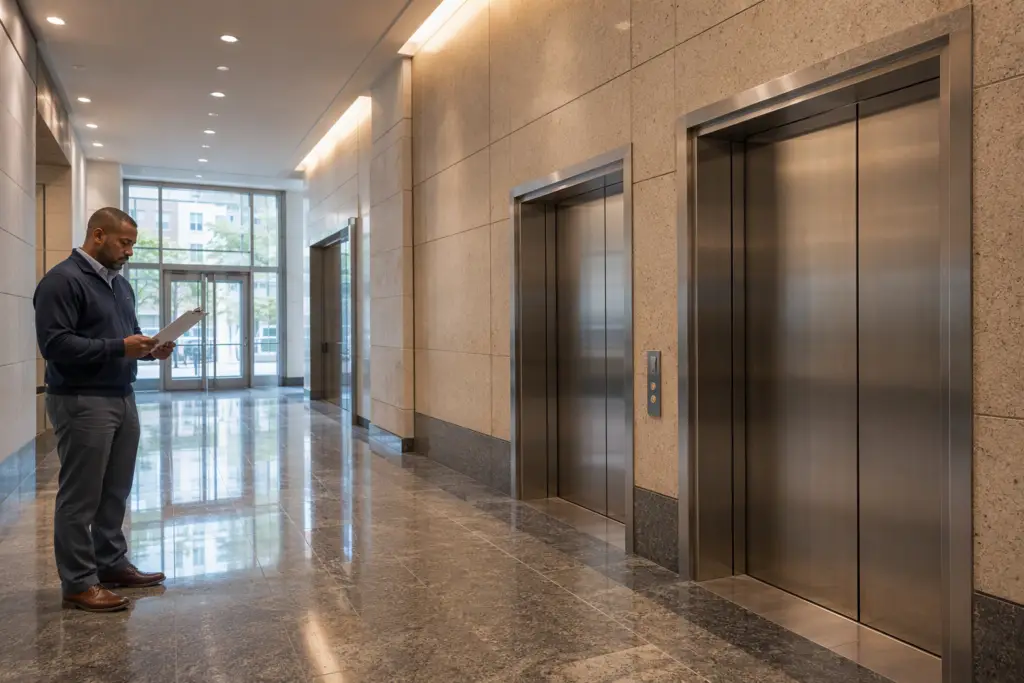
Direct Answer: Annual commercial elevator maintenance costs vary depending on elevator type, age, location, contract coverage level, and regulatory requirements, but building owners in markets such as Baltimore, Washington DC, Philadelphia, and Richmond should budget meaningfully for maintenance agreements, mandatory inspections, and periodic testing — costs that compound when deferred modernization or emergency repairs enter […]
How to Switch Elevator Service Contractors: What to Check Before You Sign, How to Exit Your Current Contract, and What to Demand at Handoff

Quick Answer: Switching elevator service contractors requires reviewing your current contract’s termination and assignment clauses, collecting all compliance documentation before the handoff, confirming the incoming contractor holds the required licenses in your jurisdiction (DC, Maryland, Pennsylvania, or Virginia), and scheduling a joint walkthrough so no inspection records, certificates, or open permits fall through the cracks. […]
Elevator Entrapment and Emergency Response: What Building Managers Must Have in Place Before an Incident Happens
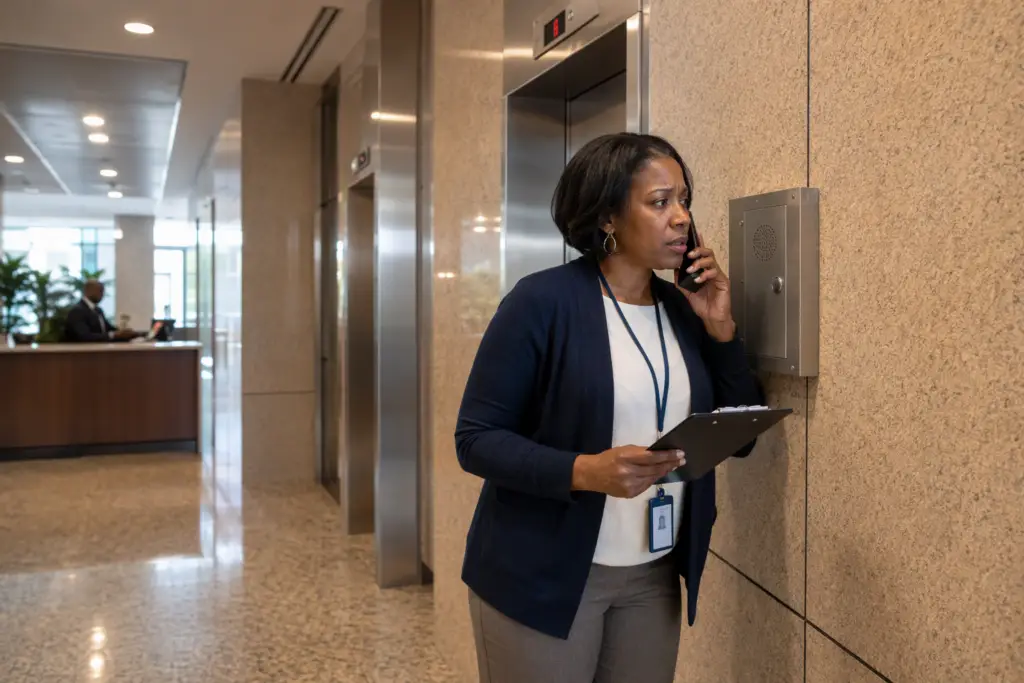
Quick Answer: As a building manager, handle an elevator entrapment by immediately calling your elevator service company’s emergency line, contacting 911 if passengers show distress, communicating calmly with trapped occupants through the intercom, and never attempting to open elevator doors or extract passengers yourself — only trained, licensed elevator technicians and first responders should perform […]
Elevator Energy Efficiency Upgrades: What Systems Qualify, How Much You Save, and Whether the Investment Makes Sense for Your Building
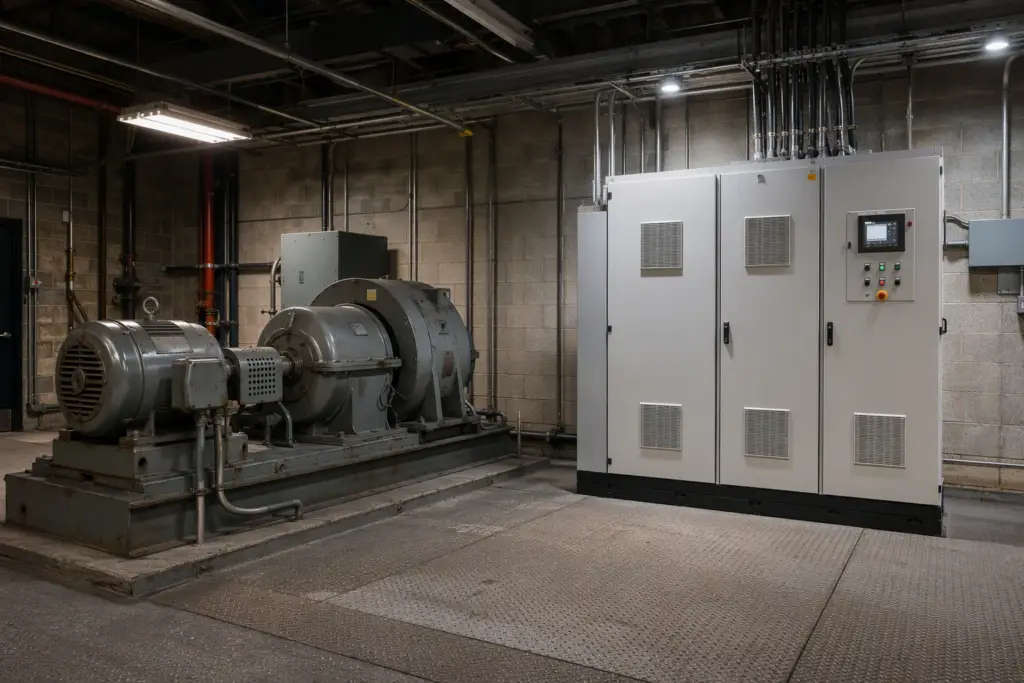
Elevator Energy Efficiency Upgrades: What Systems Qualify, How Much You Save, and Whether the Investment Makes Sense for Your Building Quick Answer: Your elevator likely qualifies for an energy efficiency upgrade if it uses an older hydraulic or DC-motor traction system, lacks a variable-frequency drive (VFD), or runs on outdated lighting and standby controls — […]
Fall Elevator Inspection Prep: What Baltimore, DC, Philadelphia, and Richmond Building Owners Should Do Before Year-End Deadlines
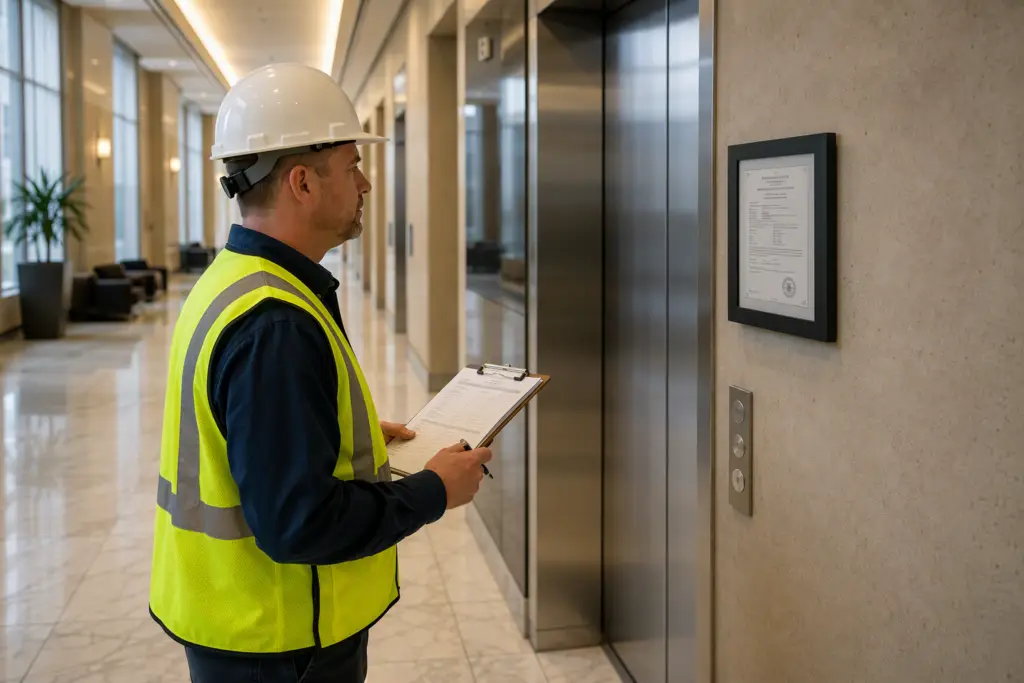
How to Prepare Your Building Elevator for a State or City Inspection This Fall | Quality Elevator Company How to Prepare Your Building Elevator for a State or City Inspection This Fall Direct Answer: To prepare your building elevator for a fall state or city inspection in DC, Maryland, Pennsylvania, or Virginia, building owners should […]
Commercial Elevator Inspections Explained: What Inspectors Check, What Causes Failures, and How to Resolve Violations Before Deadlines
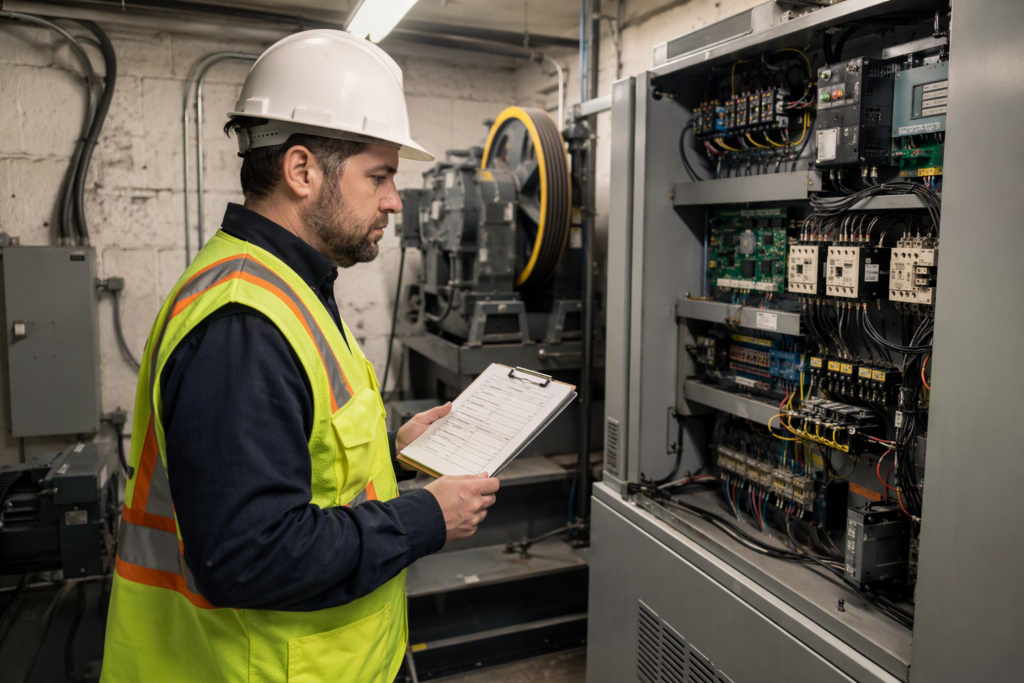
Elevator inspections involve a licensed inspector examining mechanical, electrical, and safety systems against code requirements — if an elevator fails, it must be taken out of service immediately and cannot legally operate until deficiencies are corrected and the unit passes a reinspection. A licensed elevator inspector examines the traction machine and controller cabinet during a […]
Commercial Elevator Modernization Costs in 2026: What Building Owners in Baltimore, DC, Philadelphia, and Richmond Actually Pay
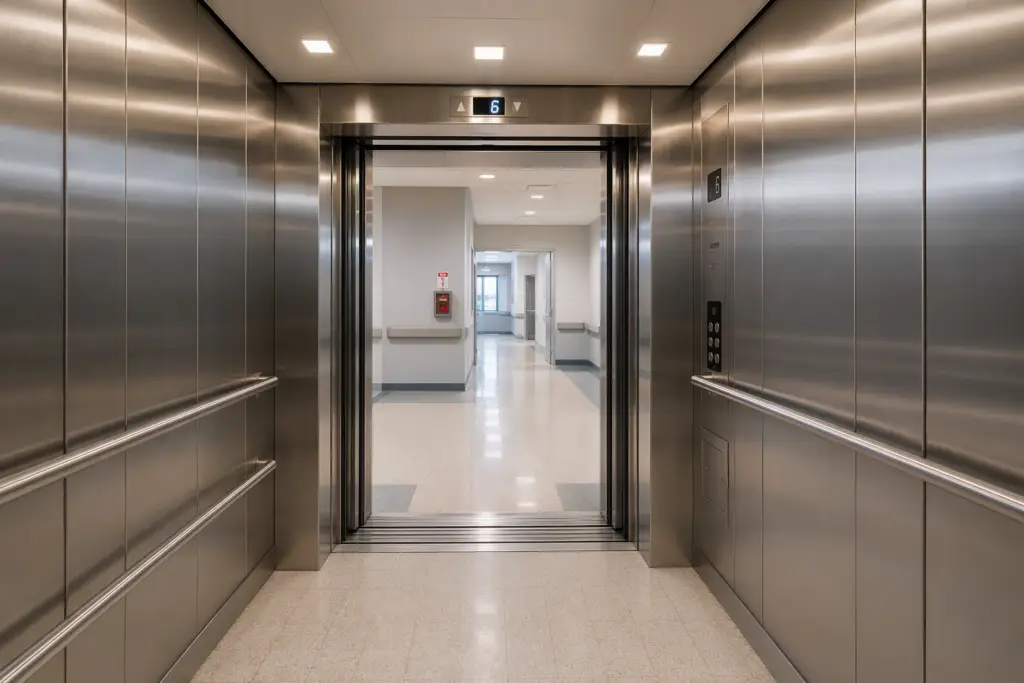
Elevator Modernization Cost for Healthcare Facilities in 2026 Direct Answer: Modernizing a commercial elevator in a healthcare facility typically requires a scope-based investment that varies widely depending on building age, system complexity, ADA compliance gaps, and local code requirements — making a professional assessment the essential first step before budgeting. A fully modernized elevator cab […]
Managing Elevator Maintenance Across Multiple Units or Properties: How to Track Compliance, Reduce Costs, and Avoid Gaps in Service
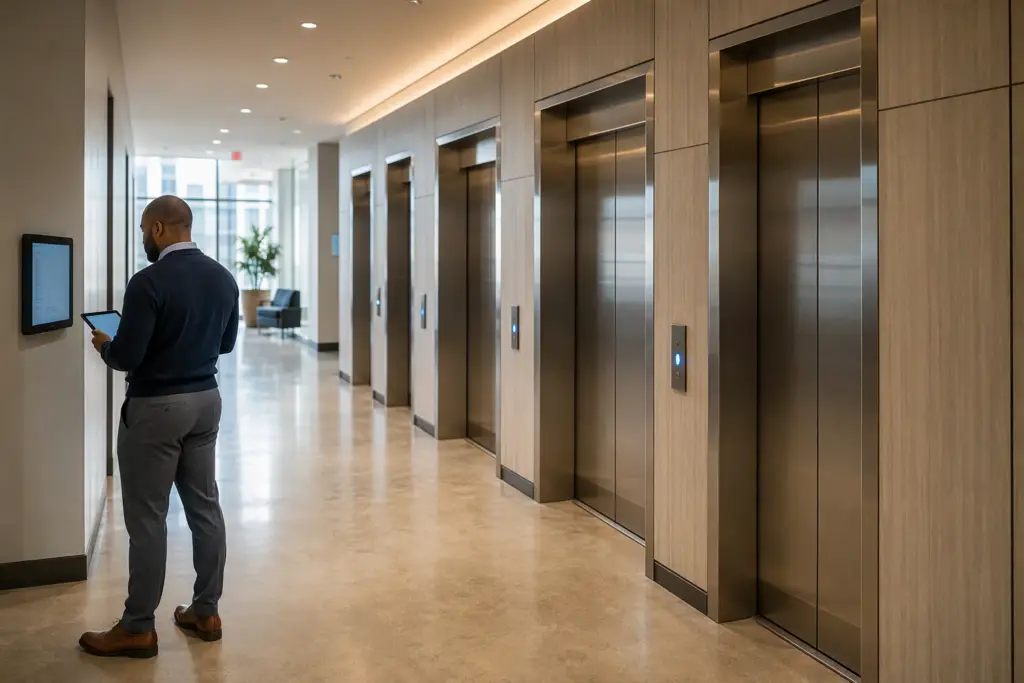
Managing Multiple Elevators: Compliance, Cost Reduction & Service Gaps | Quality Elevator Company Quick Answer: Managing multiple elevators across a large building or property portfolio requires a centralized tracking system for inspection schedules and certificates, a unified service contract with a qualified independent provider, and jurisdiction-specific compliance monitoring across the District of Columbia, Maryland, Pennsylvania, […]