Elevator Modernization Cost for Healthcare Facilities in 2026
Healthcare facilities in Baltimore, Washington DC, Philadelphia, and Richmond operate under some of the most demanding vertical transportation requirements in any commercial sector. Elevators in hospitals, outpatient clinics, long-term care facilities, and medical office buildings must meet federal accessibility law, current safety codes, and state-level inspection mandates — all while remaining operational around the clock to support patient care. Understanding what drives elevator modernization costs in 2026 helps facility managers, hospital administrators, and healthcare real estate teams plan capital expenditures accurately and avoid costly code violations.
What Does Elevator Modernization Mean for a Healthcare Facility?
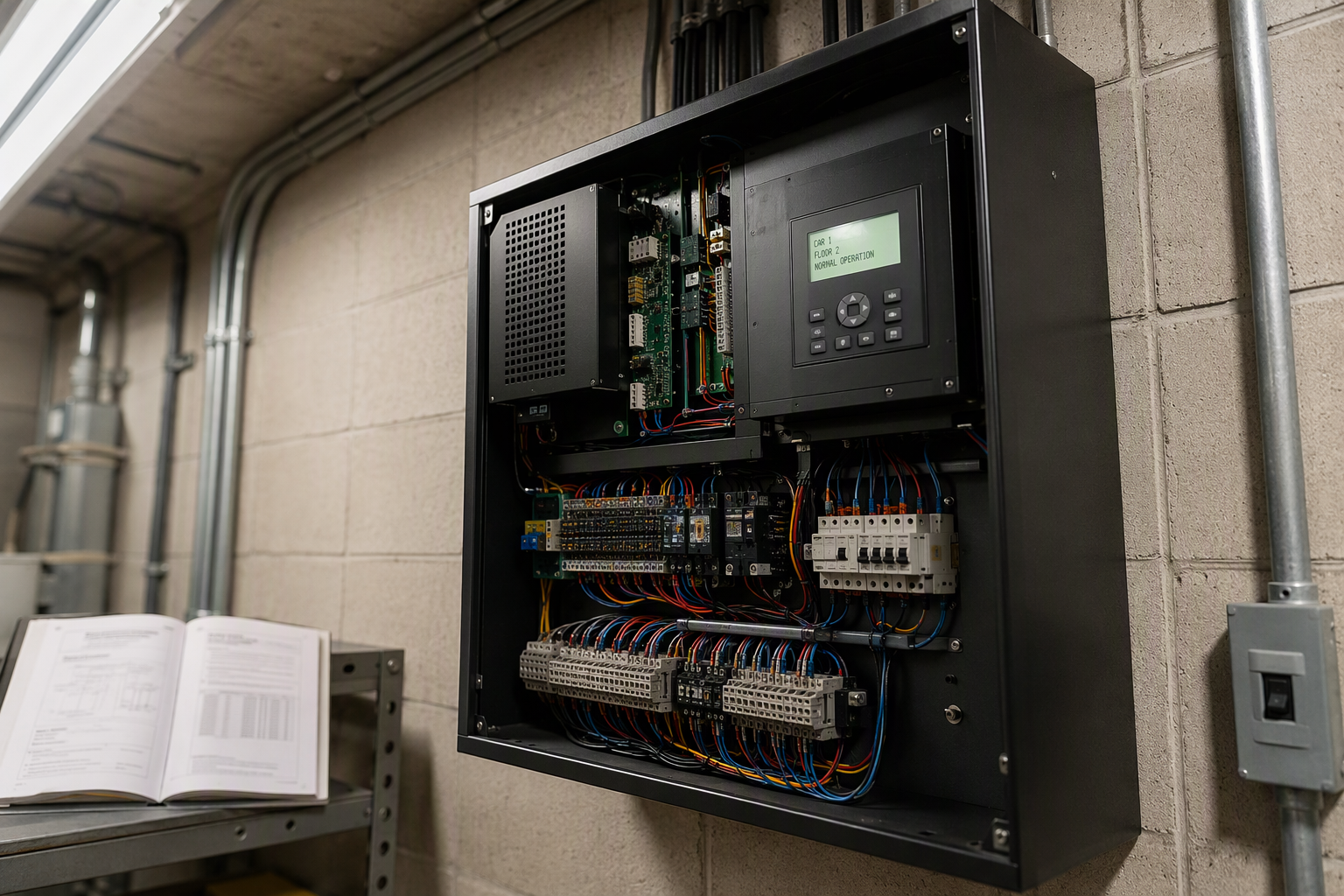
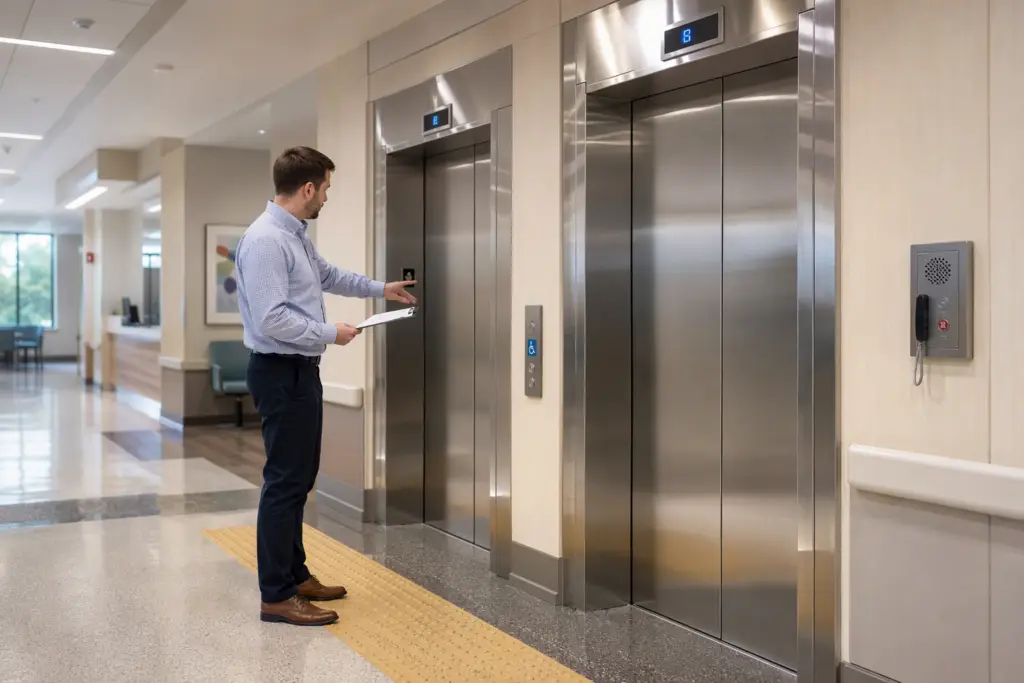
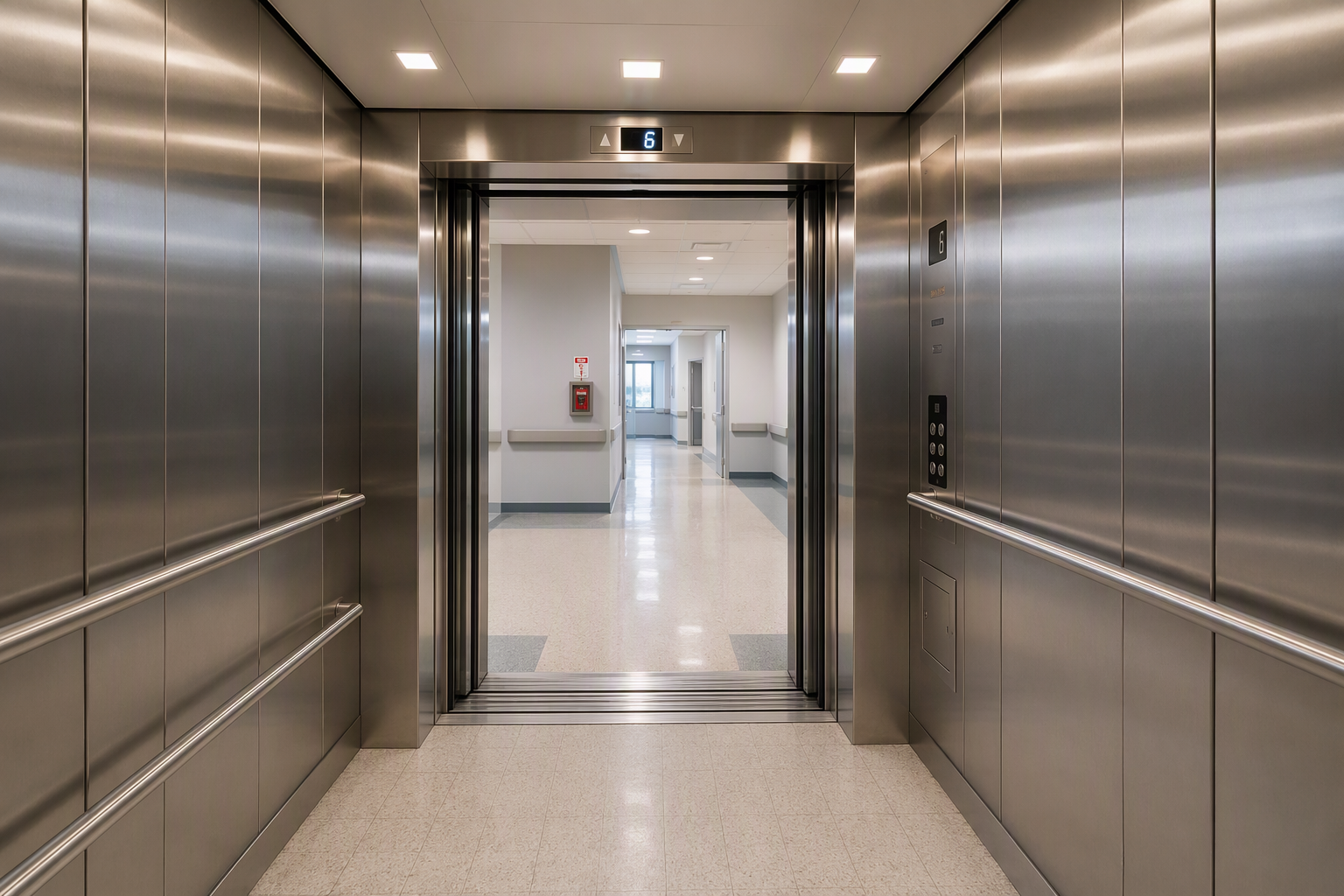
Modernization is not the same as routine maintenance or repair. It refers to the replacement or substantial upgrade of major elevator system components — including the controller, drive system, cab interior, door operators, fixtures, and safety devices — to bring the unit into alignment with current codes and operational expectations. In a healthcare environment, modernization often also addresses patient-specific requirements: wider cab dimensions for stretcher transport, non-porous interior surfaces for infection control, and reduced door open/close times for emergency response.
Quality Elevator Company works with healthcare facility teams throughout Maryland, Virginia, Pennsylvania, and the District of Columbia to evaluate which components require replacement and which can be retained, producing a scope that is both code-compliant and cost-effective.
What Compliance Standards Apply to Healthcare Elevator Modernization?
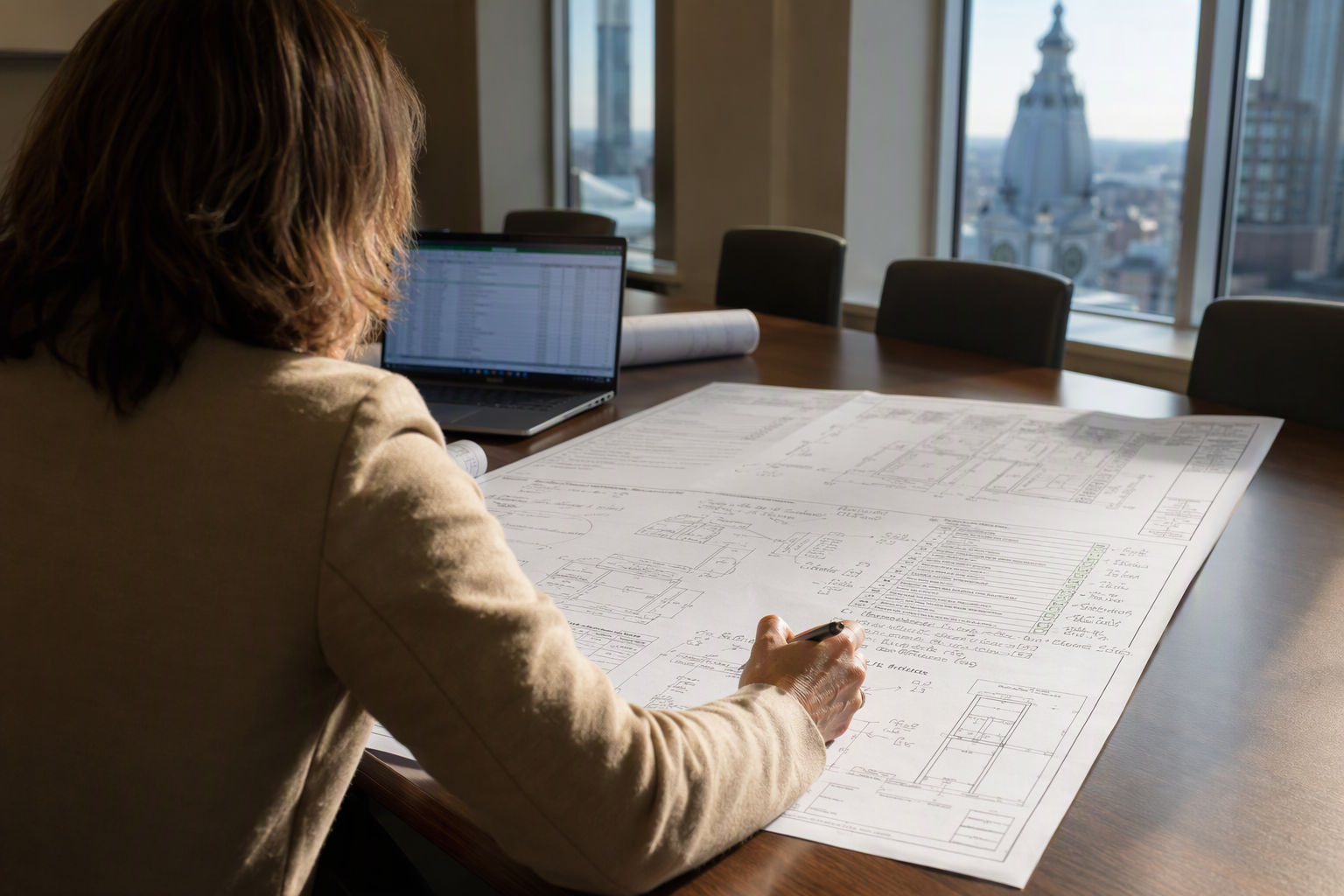
Healthcare elevator modernization in the DC, Maryland, Virginia, and Pennsylvania markets is governed by a layered framework of federal and state requirements:
- ASME A17.1 Safety Code for Elevators and Escalators — This is the foundational federal safety code covering design, construction, operation, inspection, testing, maintenance, and repair of elevators. When modernization work is performed, the altered components must comply with the edition of ASME A17.1 adopted by the applicable Authority Having Jurisdiction (AHJ) at the time of the permit.
- ASME A17.3 Safety Code for Existing Elevators and Escalators — This standard governs the retroactive requirements that apply to existing elevators not currently undergoing full modernization, and it establishes the baseline from which modernization scope is often measured.
- Americans with Disabilities Act (ADA) — Title III of the ADA requires that elevators in facilities open to the public, including healthcare facilities, be accessible. Modernization projects frequently trigger ADA compliance reviews covering door width, cab dimensions, control panel reach ranges, audible signals, and Braille signage.
- State Elevator Safety Programs — Maryland, Virginia, Pennsylvania, and the District of Columbia each administer their own elevator inspection and permitting programs. Any modernization project requires permits from the relevant state or municipal AHJ, and the completed work must pass inspection before the elevator is returned to service.
- OSHA Standards — During the modernization project itself, contractor safety practices in the machine room and hoistway must comply with applicable OSHA standards for construction and general industry.
Healthcare facilities accredited by bodies such as The Joint Commission face additional scrutiny around elevator downtime and equipment reliability, which should be factored into project planning and contractor selection.
What Factors Drive Elevator Modernization Costs in Healthcare Settings?
No two healthcare elevator modernization projects are priced identically. The following factors have the most significant influence on total project cost:
- System age and configuration: Older hydraulic or relay-logic traction systems require more extensive component replacement than systems built in more recent decades.
- Scope of modernization: A partial modernization targeting only the controller and drive differs substantially in cost from a full modernization that also replaces the cab, doors, fixtures, and safety devices.
- Healthcare-specific requirements: Larger cabs sized for stretchers and wheelchairs, antimicrobial surface materials, and hands-free or low-touch controls add cost beyond standard commercial specifications.
- ADA remediation: If existing fixtures, door widths, or cab dimensions do not meet current ADA standards, the modernization must address these gaps.
- Number of stops and travel distance: Multi-story hospital towers with many floors require more wiring, fixtures, and labor than low-rise medical office buildings.
- Downtime constraints: Healthcare facilities often cannot take an elevator fully out of service during peak hours, requiring after-hours or phased work schedules that affect labor costs.
- Local permitting and inspection fees: Fees vary by jurisdiction across Maryland, DC, Virginia, and Pennsylvania.
- Equipment lead times: Supply chain conditions in 2026 affect availability and pricing of control systems and drive equipment — a factor Quality Elevator Company accounts for in project timelines.
How Long Does a Healthcare Elevator Modernization Project Take?
Project duration depends on scope, equipment lead times, and the facility’s operational constraints. A partial modernization focused on controls and drive systems may be completed more quickly than a full cab and mechanical overhaul. Healthcare facilities should plan for extended timelines relative to standard commercial projects because:
- Permitting in healthcare-zoned or hospital campus settings may involve additional plan review steps.
- Work scheduling is often restricted to nights, weekends, or low-census periods to protect patient and staff access.
- Inspection and testing by the state AHJ must be scheduled after work is complete before the elevator can be returned to service.
Engaging Quality Elevator Company early in the planning process — ideally during the capital budget cycle — provides the scheduling lead time necessary to align equipment procurement, permitting, and work windows with the facility’s operational calendar.
What Is Included in a Full Elevator Modernization Scope?
A comprehensive modernization for a healthcare elevator may include any combination of the following components:
- Solid-state or microprocessor-based controller replacement
- Variable-voltage, variable-frequency (VVVF) drive system upgrade
- New door operators, tracks, and sills for reliable, code-compliant door performance
- Hall and car fixtures, including push buttons, digital indicators, and emergency communication systems
- Cab interior refurbishment with materials appropriate for healthcare environments
- Safety device upgrades to meet current ASME A17.1 requirements
- Machine room upgrades including ventilation and lighting
- ADA-compliant signage, Braille, and audible signal systems
- Telephone or two-way communication systems compliant with current code and ADA requirements
How Should a Healthcare Facility Prioritize Modernization vs. Repair?
The decision between ongoing repair and full or partial modernization is a financial and risk management calculation. When aging components require repeated service calls, when parts are no longer manufactured, or when a state inspection reveals violations that cannot be corrected through minor repair, modernization becomes the more cost-effective path. Healthcare facilities face heightened urgency because elevator downtime directly affects patient transport, equipment delivery, and staff movement. A condition assessment from Quality Elevator Company can document the current state of the equipment and provide the data needed to make an informed capital planning decision.
What Are the ADA Requirements That Affect Healthcare Elevator Modernization?
Under the Americans with Disabilities Act, healthcare facilities are required to provide accessible vertical transportation. During a modernization project, alterations to elevator components trigger ADA compliance requirements for the altered elements. Key ADA considerations for healthcare elevators include:
- Minimum clear door width for accessibility
- Car control panel reach range and button height requirements
- Visual and audible floor indicators and signals
- Braille and raised character designations on fixtures
- Two-way emergency communication accessible to people who are deaf or hard of hearing
Healthcare facilities that have deferred ADA compliance work should treat a modernization project as the appropriate opportunity to achieve full conformance and reduce legal exposure.
What Steps Should a Healthcare Facility Take to Begin the Modernization Process?
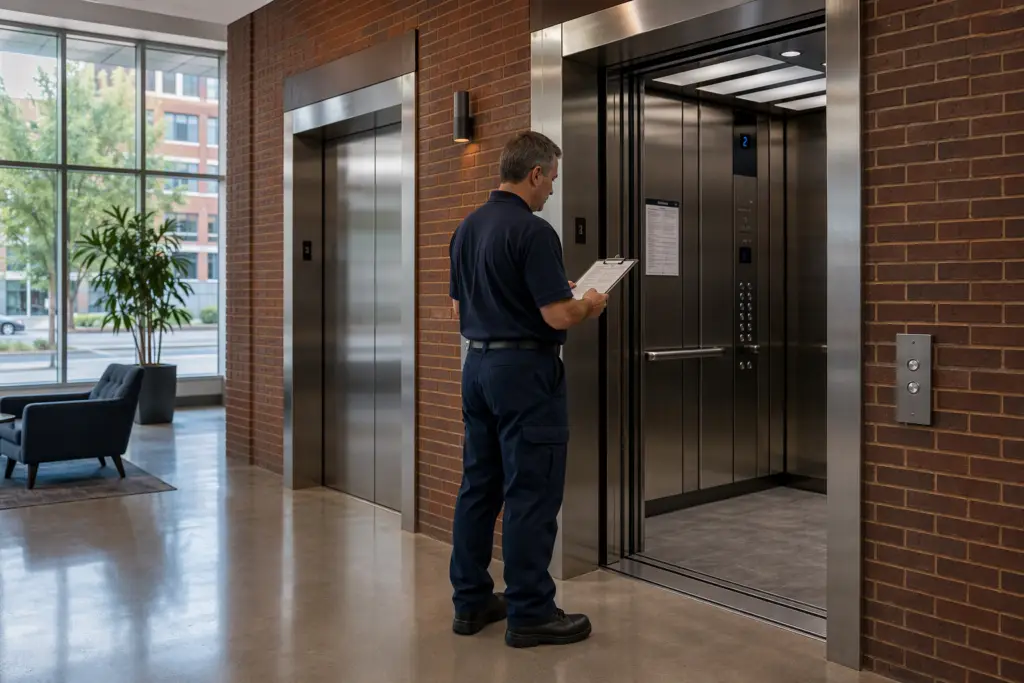
- Schedule a condition assessment with a qualified elevator service company to document the current state of all major components, identify code deficiencies, and establish a prioritized scope.
- Review inspection records from your state AHJ to identify any outstanding violations or upcoming inspection deadlines that affect project timing.
- Engage your facilities and clinical operations teams to identify downtime windows, patient transport dependencies, and phasing requirements.
- Obtain a detailed written proposal that specifies scope, equipment brands, compliance standards being met, permitting responsibilities, and project timeline.
- Confirm permitting requirements with the relevant AHJ in Maryland, DC, Virginia, or Pennsylvania before work begins.
- Schedule the post-completion inspection with the AHJ as early as possible, since inspection availability can affect the elevator’s return-to-service date.
- Establish a post-modernization maintenance agreement to protect the investment and maintain code compliance on an ongoing basis.
Questions Your Inspector Will Ask
When a state elevator inspector reviews a completed modernization project at a healthcare facility in Maryland, DC, Virginia, or Pennsylvania, the inspection typically covers the following areas. Facility managers should be prepared to provide documentation and access for each:
- What permits were pulled for this work, and are they current? The inspector will verify that the modernization was performed under valid permits issued by the applicable AHJ.
- What edition of ASME A17.1 was the project designed and installed to? The inspector will confirm that altered components meet the code edition adopted by the jurisdiction.
- Are all safety device certificates and test records available? Governors, buffers, safeties, and other devices require testing and documentation.
- Has the emergency communication system been tested? Two-way communication must be functional and ADA-accessible.
- Are door reopening devices operational and properly adjusted? Door safety performance is a critical inspection point.
- Is the machine room secured and compliant? Access restrictions, lighting, and ventilation are reviewed.
- Are all fixtures and signage ADA-compliant? Inspectors check Braille, button placement, and audible signals.
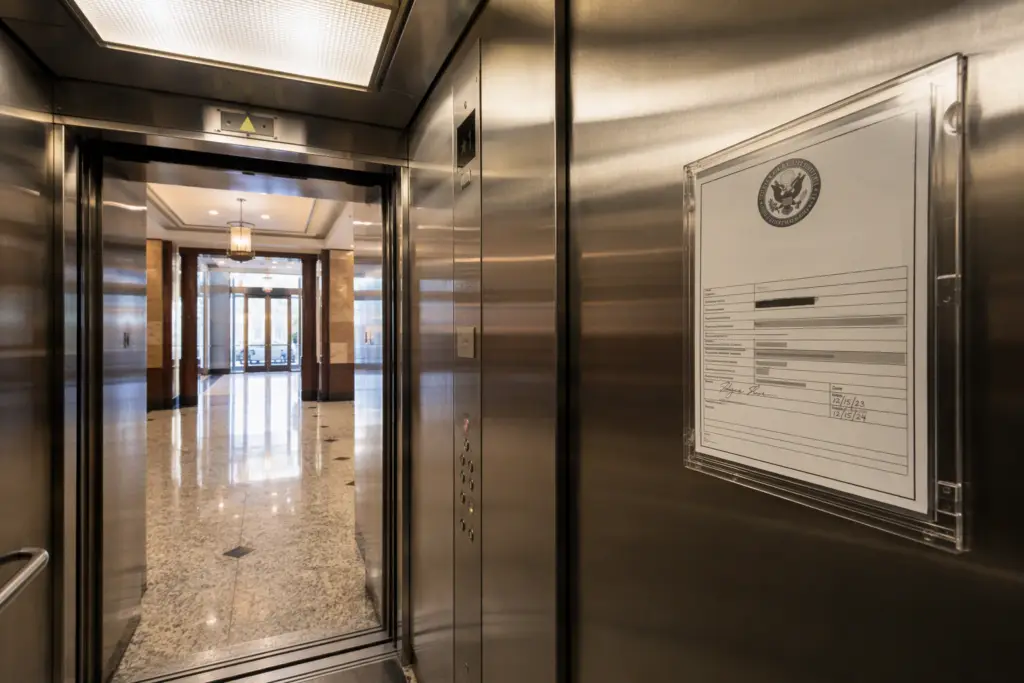
- Is the current certificate of inspection posted in the cab? Healthcare facilities must display a valid certificate at all times.
How Does Modernization Affect Ongoing Elevator Maintenance Requirements?
A modernized elevator does not eliminate the need for ongoing maintenance — it resets the equipment to a reliable baseline from which a proactive maintenance program can extend service life and prevent unplanned downtime. Under ASME A17.1, elevator owners are responsible for ensuring that equipment is maintained in safe operating condition. For healthcare facilities, where elevator reliability is directly linked to patient safety, a structured maintenance agreement with a qualified provider is a risk management essential, not an optional add-on.
Why Do Healthcare Facilities in Baltimore, Washington DC, Philadelphia, and Richmond Choose Quality Elevator Company?
Quality Elevator Company serves healthcare facilities across Maryland, the District of Columbia, Virginia, and Pennsylvania with elevator modernization, maintenance, and compliance services. The company’s teams are familiar with the inspection requirements and AHJ processes in each of these markets, and they work directly with facility engineering and operations teams to minimize disruption to patient care during project execution. Quality Elevator Company’s assessments provide healthcare facility managers with the documented, objective information needed to support capital planning and regulatory compliance — without generalizations or guesswork.
What Should a Healthcare Facility Budget for Elevator Modernization in 2026?
Because modernization scope varies so significantly by system age, configuration, number of stops, healthcare-specific requirements, and local code compliance gaps, no published cost figure applies reliably to any individual project. Budgeting based on generic ranges without an on-site assessment frequently results in either under-scoped proposals that omit required work or over-estimated budgets that delay necessary projects. The only accurate basis for a healthcare facility’s capital budget line item is a written assessment and proposal based on the actual equipment and compliance requirements of that facility. Quality Elevator Company provides this assessment at no charge as the starting point for all modernization engagements.
Get an Accurate Modernization Cost for Your Healthcare Facility
Elevator modernization in a healthcare environment requires a partner who understands clinical operations, current safety codes, ADA obligations, and the inspection processes administered by Maryland, DC, Virginia, and Pennsylvania authorities. Do not base a capital budget on estimates that were not developed for your specific equipment and compliance situation.
Contact Quality Elevator Company for a free elevator assessment: 301-779-9116
Serving healthcare facilities in Baltimore, MD | Washington, DC | Philadelphia, PA | Richmond, VA
Need elevator service you can rely on? Quality Elevator Company is ready to help.