
Finding reliable, current elevator industry statistics requires knowing which organizations collect, verify, and publish that data. The vertical transportation sector is governed by a network of standards bodies, trade associations, federal agencies, and academic research institutions — each publishing distinct categories of data. This guide identifies every major source, explains what each publishes, and helps building owners, facility managers, developers, and policymakers locate the figures they need for 2025 planning and compliance decisions.
Quality Elevator Company monitors these authoritative channels continuously to deliver data-driven elevator maintenance, modernization, and installation services to clients across the region.
What Are the Primary Organizations That Publish Elevator Industry Statistics?
Several distinct organizations produce verified, citable elevator industry data. Each covers a different dimension of the industry — safety incidents, workforce trends, market size, or regulatory compliance.
- National Elevator Industry, Inc. (NEII): The leading trade association for elevator manufacturers and major contractors. NEII publishes industry overviews, safety advocacy reports, and policy position papers. Their website at neii.org is a primary reference point for installation volumes and industry advocacy data.
- Elevator Escalator Safety Foundation (EESF): Focused specifically on public safety education and incident data, EESF publishes consumer-facing safety statistics and partners with government agencies on awareness campaigns.
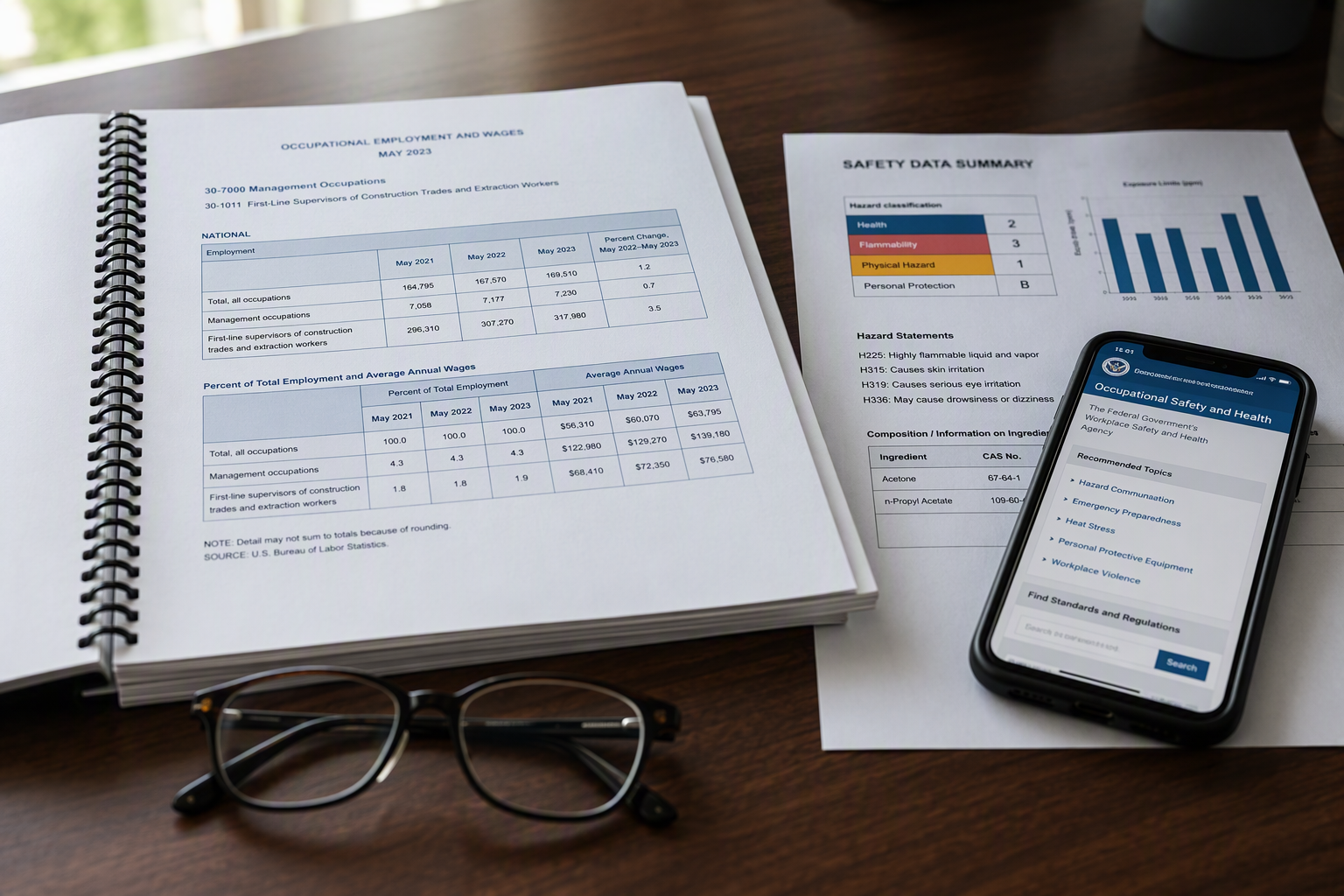
- U.S. Bureau of Labor Statistics (BLS): Publishes occupational employment and wage data for elevator installers and repairers (SOC code 47-4021), as well as injury and fatality statistics through the Census of Fatal Occupational Injuries (CFOI) and Survey of Occupational Injuries and Illnesses (SOII).
- U.S. Consumer Product Safety Commission (CPSC): Tracks consumer product-related injuries and publishes reports on elevator and escalator incidents through its National Electronic Injury Surveillance System (NEISS).
- Occupational Safety and Health Administration (OSHA): Maintains workplace safety regulations and inspection records relevant to elevator construction and maintenance environments. Visit osha.gov for regulatory data and compliance resources.
- ASME International: Publishes and maintains the ASME A17.1 Safety Code for Elevators and Escalators, the foundational North American safety standard, as well as A17.3 for existing installations and A18.1 for platform lifts.
- Market Research Firms: Firms such as Grand View Research, MarketsandMarkets, Mordor Intelligence, and IBISWorld publish commercial elevator market reports covering global and regional market sizing, growth projections, and competitive landscapes — available for purchase or subscription.
What Does ASME Publish About Elevator Safety Standards?
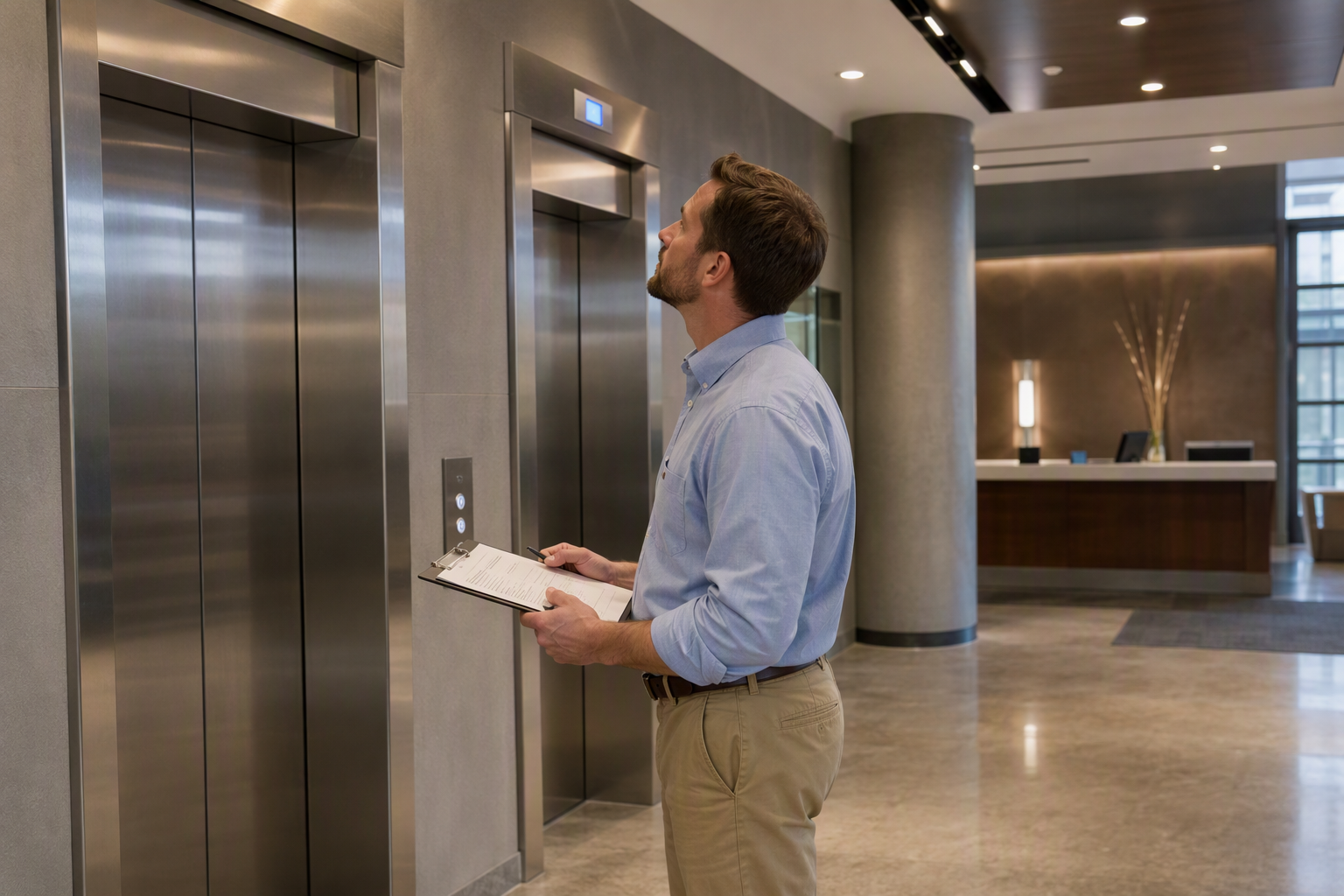
ASME International does not publish incident statistics; it publishes and updates the codes and standards that define how elevators must be designed, installed, inspected, and maintained. The ASME A17.1 Safety Code for Elevators and Escalators is revised on a regular cycle and is adopted — in whole or with local amendments — by most U.S. states and Canadian provinces as the legal minimum safety standard.
ASME also publishes:
- ASME A17.2: Guide for inspection of elevators, escalators, and moving walks — used by inspectors and authorities having jurisdiction (AHJs).
- ASME A17.3: Safety code for existing elevators and escalators — governing retrofit and modernization requirements.
- ASME A18.1: Safety standard for platform lifts and stairway chairlifts.
Facility managers, building owners, and attorneys seeking code citations for compliance or litigation purposes should reference the current edition of these standards directly through asme.org/codes-standards.
Where Can I Find Elevator Workforce and Employment Statistics?
The U.S. Bureau of Labor Statistics is the definitive federal source for elevator industry workforce data. Their Occupational Employment and Wage Statistics (OEWS) program surveys employers nationally and by state, publishing median wages, employment levels, and geographic concentration data for the elevator installer and repairer occupation.
The BLS Occupational Outlook Handbook also provides projected job growth rates for elevator installers and repairers over ten-year horizons, making it a valuable resource for workforce planning, apprenticeship program justification, and policy advocacy. Data is updated annually and is publicly available at no cost through bls.gov.
The International Union of Elevator Constructors (IUEC) also publishes data related to union membership, apprenticeship completions, and training hours — relevant for labor market analysis and contractor qualification assessments.
Which Agency Tracks Elevator Safety Incidents and Injuries?
Elevator incident statistics in the United States are tracked across multiple federal agencies, which can create confusion for researchers. The primary sources are:
- CPSC / NEISS: The Consumer Product Safety Commission’s National Electronic Injury Surveillance System captures emergency department visits related to elevator and escalator incidents from a statistically representative sample of hospitals. Researchers can query this database directly through the CPSC website.
- BLS / CFOI: The Census of Fatal Occupational Injuries tracks elevator-related worker fatalities, distinguishing between construction-phase incidents and maintenance-phase incidents.
- OSHA: Maintains records of inspections, citations, and penalties related to elevator construction and maintenance worksites. Aggregate data is published through osha.gov.
- State Elevator Inspection Agencies: Many states — including New York, California, and Texas — maintain their own databases of elevator inspections, violations, and incidents. These state-level databases are often more granular than federal sources for local analysis.
Researchers should note that no single federal database captures all elevator incidents comprehensively, because jurisdiction over elevator safety is shared between federal OSHA and state-level plan states.
How Do I Find ADA Compliance Statistics for Elevators?
Accessibility compliance data for elevators intersects multiple regulatory frameworks. The Americans with Disabilities Act requires that elevators be provided in multi-story facilities that meet certain thresholds, and the ADA Standards for Accessible Design specify dimensional, operational, and signage requirements for elevator cabs, call buttons, and door timing.
The U.S. Access Board — a federal agency that develops accessibility guidelines — publishes technical bulletins and guidance documents on accessible elevator design. The Department of Justice and Department of Transportation publish complaint and enforcement statistics related to ADA compliance broadly, though elevator-specific enforcement data is not always separately categorized.
Building owners undertaking modernization projects should consult the ADA.gov resource library and the current edition of the ASME A17.1 Safety Code for Elevators and Escalators, which incorporates accessibility-related provisions aligned with ADA requirements.
What Market Research Firms Cover the Global Elevator Industry?
Commercial market intelligence on the elevator industry — covering topics such as global market size, compound annual growth rate (CAGR), regional demand, competitive landscape, and technology adoption — is published by a range of private research firms. These reports are typically sold on a per-report or subscription basis and are used by investors, manufacturers, and strategic planners.
Commonly cited firms in the elevator sector include:
- Grand View Research — publishes global elevator market reports with regional breakdowns.
- MarketsandMarkets — covers smart elevator technology, IoT integration, and modernization market segments.
- Mordor Intelligence — publishes elevator and escalator market analysis by geography and end-use vertical.
- IBISWorld — provides U.S.-specific industry reports on elevator installation, maintenance, and repair as a domestic industry segment.
- Statista — aggregates publicly available and licensed data into accessible dashboards, useful for quick reference figures with citation trails back to primary sources.
When citing figures from any of these sources, researchers should verify the methodology, sample size, and base year of each report, as projections can vary significantly between firms depending on their modeling assumptions.
What Trends Are Shaping the Elevator Industry in 2025 and 2026?
While specific figures for 2025–2026 market performance require sourced market reports, several qualitative trends are consistently identified across industry publications, trade association communications, and regulatory developments:
- Modernization demand is growing: A substantial portion of the installed elevator base in the United States consists of aging equipment. As building owners face increasing inspection requirements and liability exposure, modernization projects — replacing controls, drives, cab interiors, and door systems — represent a growing share of contractor revenue relative to new installations.
- IoT and predictive maintenance adoption: Major elevator OEMs and independent service companies are increasingly deploying sensor-based monitoring systems that transmit real-time performance data, enabling condition-based maintenance scheduling rather than purely time-based service intervals.
- Energy efficiency requirements: Green building certification programs such as LEED and WELL, along with municipal energy benchmarking laws, are driving demand for regenerative drives, LED cab lighting, standby mode features, and destination dispatch systems that reduce energy consumption.
- Workforce pipeline pressures: The elevator construction trade requires multi-year apprenticeship training, and industry observers note that retirements among experienced mechanics create ongoing pressure to recruit and train new technicians — a dynamic that affects labor costs and project timelines across the sector.
- Code evolution: The ongoing revision cycle of the ASME A17.1 Safety Code for Elevators and Escalators continues to incorporate new provisions related to machine-room-less (MRL) systems, seismic performance, and emergency operations — requiring building owners to monitor state adoption timelines and plan for compliance upgrades.
- Accessibility enforcement focus: Renewed federal and state attention to ADA enforcement in public accommodations is prompting more proactive accessibility audits of existing elevator systems, particularly for call button height, braille signage, door timing, and leveling accuracy.
How Should I Evaluate the Credibility of Elevator Statistics I Find Online?
Not all elevator statistics published online are equally reliable. When evaluating a figure, apply the following criteria:
- Identify the primary source: Determine whether the number originates from a government agency, a peer-reviewed study, a trade association survey, or a commercial market research firm — each carries different levels of methodological transparency.
- Check the base year: Market projections dated more than two to three years ago may not reflect post-pandemic construction patterns, supply chain disruptions, or interest rate effects on construction starts.
- Review the methodology: Market research firms use varying approaches — bottom-up surveys, top-down revenue modeling, or expert interviews — that can produce materially different estimates for the same market.
- Confirm geographic scope: Global figures include markets — particularly China and India — that behave very differently from the North American market. Ensure the geography matches your research need.
- Trace secondary citations: Many websites republish statistics without linking to the original source. Follow the citation chain to the primary document before using a figure in planning or compliance documents.
- Consult multiple sources: Triangulating figures across NEII, BLS, CPSC, and at least one commercial market report gives a more reliable range than relying on any single source.
What Inspection and Code Compliance Data Is Publicly Available?
Elevator inspection records are maintained at the state and local level rather than by a single federal database. In most U.S. jurisdictions, the authority having jurisdiction (AHJ) — typically a state department of labor, building department, or fire marshal — maintains records of:
- Annual inspection certificates and their expiration dates
- Violation notices and corrective action orders
- Permit applications for new installations and major alterations
- Accident and incident reports submitted by building owners or contractors
In many states, this data is available through public records requests. Some jurisdictions publish violation data or inspection status through online portals. The specific process varies significantly by state and municipality.
The ASME A17.2 Guide for Inspection of Elevators, Escalators, and Moving Walks defines the inspection categories, tests, and frequencies that AHJs use as their baseline — making it the essential reference for understanding what inspectors are looking for and what violation categories mean in practice.
How Does OSHA Regulate Elevator Work and What Data Does It Publish?
OSHA regulates the construction and maintenance of elevators as workplaces — focusing on worker safety during installation, repair, and inspection activities rather than on the safety of elevator passengers. Key OSHA standards applicable to elevator work include those governing electrical safety, fall protection, confined space entry, and lockout/tagout procedures.
OSHA publishes enforcement data through its public inspection and citation database, which allows researchers to search for elevator-related citations by industry code, standard violated, and geographic area. This data is useful for understanding common compliance failures in the elevator construction sector and for benchmarking a contractor’s safety record.
OSHA’s fatality and catastrophe reporting database also includes elevator-related worker deaths, supplementing the BLS CFOI data for more recent incidents that have not yet completed the BLS annual reporting cycle.
What Should a Building Owner Do When They Need Elevator Data for a Compliance or Capital Planning Decision?
- Define the specific data need: Clarify whether the decision requires safety code citations, market cost benchmarks, inspection compliance records, accessibility requirements, or equipment lifecycle data — each has a different primary source.
- Consult the applicable code edition: Identify which edition of ASME A17.1 or A17.3 has been adopted by your state or local jurisdiction, as adoption lags behind publication by several years in many states.
- Contact the local AHJ: Request current inspection records, any open violation orders, and confirmation of the code edition in force in your jurisdiction.
- Review ADA requirements: Use ADA.gov to confirm current accessibility standards applicable to your facility type and any recent guidance on elevator-specific provisions.
- Obtain a professional assessment: A qualified elevator service company can translate code requirements, inspection findings, and equipment condition into a prioritized capital plan — bridging the gap between published data and site-specific decision-making.
- Document all sources: For capital planning presentations, insurance purposes, or regulatory submissions, maintain a record of which edition of each standard was consulted and when.
How Can Quality Elevator Company Help With Data-Driven Elevator Decisions?
Quality Elevator Company approaches every client engagement with reference to current codes, regulatory requirements, and industry best practices drawn from authoritative sources. Rather than relying on anecdote or generalized assumptions, the company’s service recommendations are grounded in the requirements of the ASME A17.1 Safety Code for Elevators and Escalators, applicable ADA accessibility standards, and OSHA workplace safety regulations.
For building owners, property managers, developers, and facilities directors who need to make capital investment decisions, negotiate service contracts, plan modernization timelines, or respond to inspection violations, Quality Elevator Company provides assessments that connect site-specific conditions to the regulatory and industry context those decisions require.
The company tracks developments in elevator codes, accessibility enforcement trends, and technology adoption patterns to ensure that clients receive guidance aligned with current and near-term compliance expectations — not outdated assumptions about what was acceptable in prior code cycles.
Summary: Key Sources for Elevator Industry Statistics in 2025
| Data Category | Primary Source | Where to Access |
|---|---|---|
| Safety codes and standards | ASME International | asme.org/codes-standards |
| Accessibility requirements | U.S. Department of Justice / ADA | ada.gov |
| Worker safety regulations & citation data | OSHA | osha.gov |
| Workforce & wage statistics | U.S. Bureau of Labor Statistics | bls.gov (OEWS, OOH, CFOI) |
| Consumer injury data | U.S. Consumer Product Safety Commission | cpsc.gov (NEISS database) |
| Industry advocacy & market overview | National Elevator Industry, Inc. (NEII) | neii.org |
| Global market size & projections | Commercial research firms (Grand View Research, IBISWorld, etc.) | Available for purchase/subscription |
| Local inspection & compliance records | State/local Authority Having Jurisdiction (AHJ) | Varies by state — public records request |
Note: All data in this table refers to organization type and access method, not specific statistics. Figures from any of these sources should be verified directly with the publishing organization for accuracy and currency.
Ready to Make Data-Driven Elevator Decisions for Your Building?
Understanding where elevator industry statistics come from is only the first step. Translating those figures — and the codes, inspection requirements, and market conditions behind them — into actionable decisions for a specific property requires site knowledge, technical expertise, and familiarity with local regulatory requirements.
Quality Elevator Company brings all three to every client engagement. Whether the need is a routine inspection, a modernization feasibility assessment, an accessibility compliance review, or a full capital planning consultation, the team grounds every recommendation in current codes and verified industry knowledge.
Contact Quality Elevator Company for a free elevator assessment: 301-307-5363
Need elevator service you can rely on? Quality Elevator Company is ready to help.