Hospital Elevator Requirements and Maintenance: Who to Contact
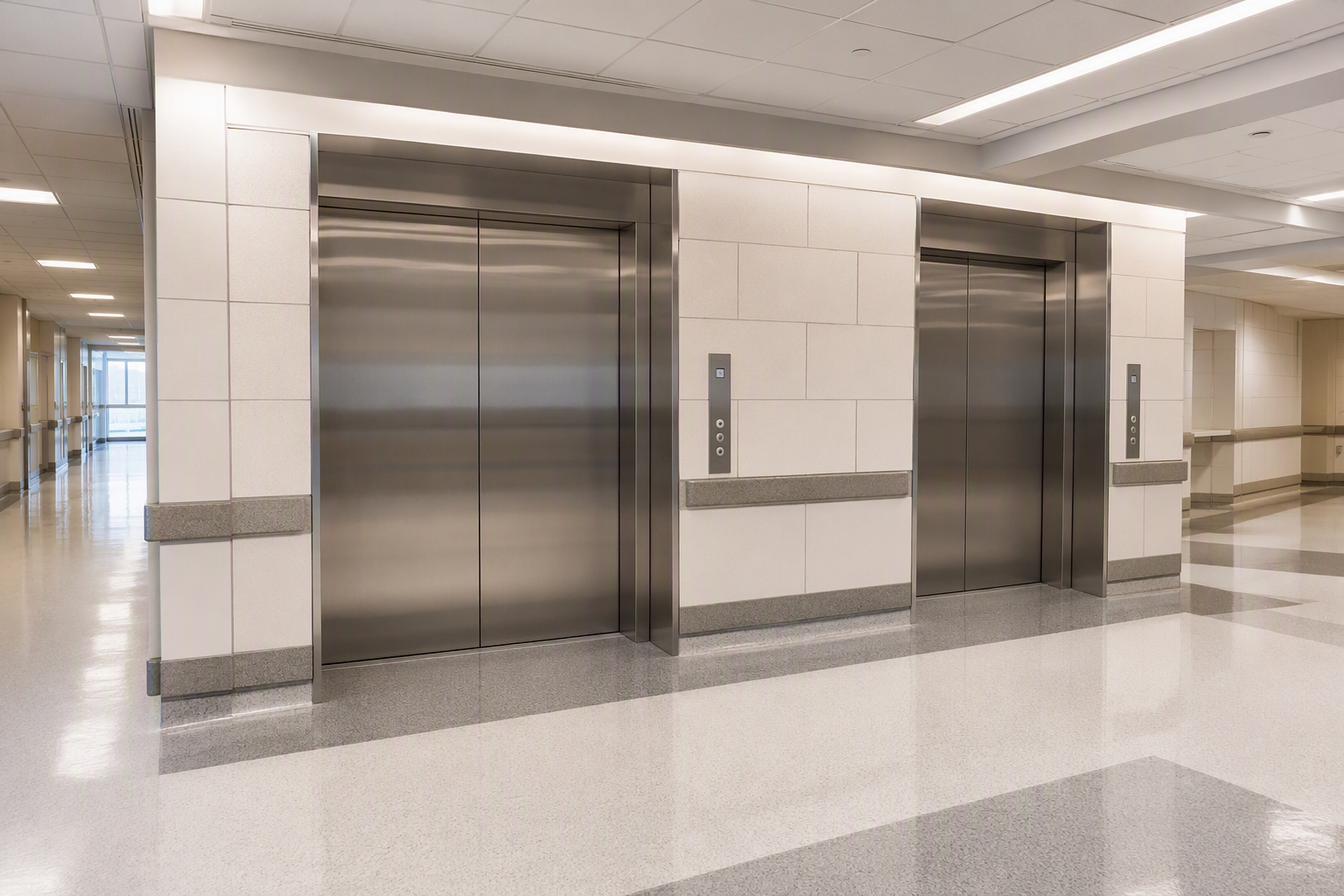
Hospital elevators are not ordinary vertical transportation equipment. They carry patients on gurneys, medical staff responding to emergencies, pharmaceutical carts, and life-sustaining equipment — often simultaneously, around the clock. A failure is not simply an inconvenience; it can delay critical care. Selecting the right elevator service partner for a healthcare facility is a clinical-operations decision as much as a facilities-management one.
Quality Elevator Company serves hospitals, outpatient surgery centers, rehabilitation facilities, and long-term care campuses across Baltimore MD, Washington DC, Philadelphia PA, and Richmond VA, providing code-compliant installation, modernization, inspection, and maintenance services tailored to the demands of the healthcare environment.
What Compliance Codes Govern Hospital Elevators?
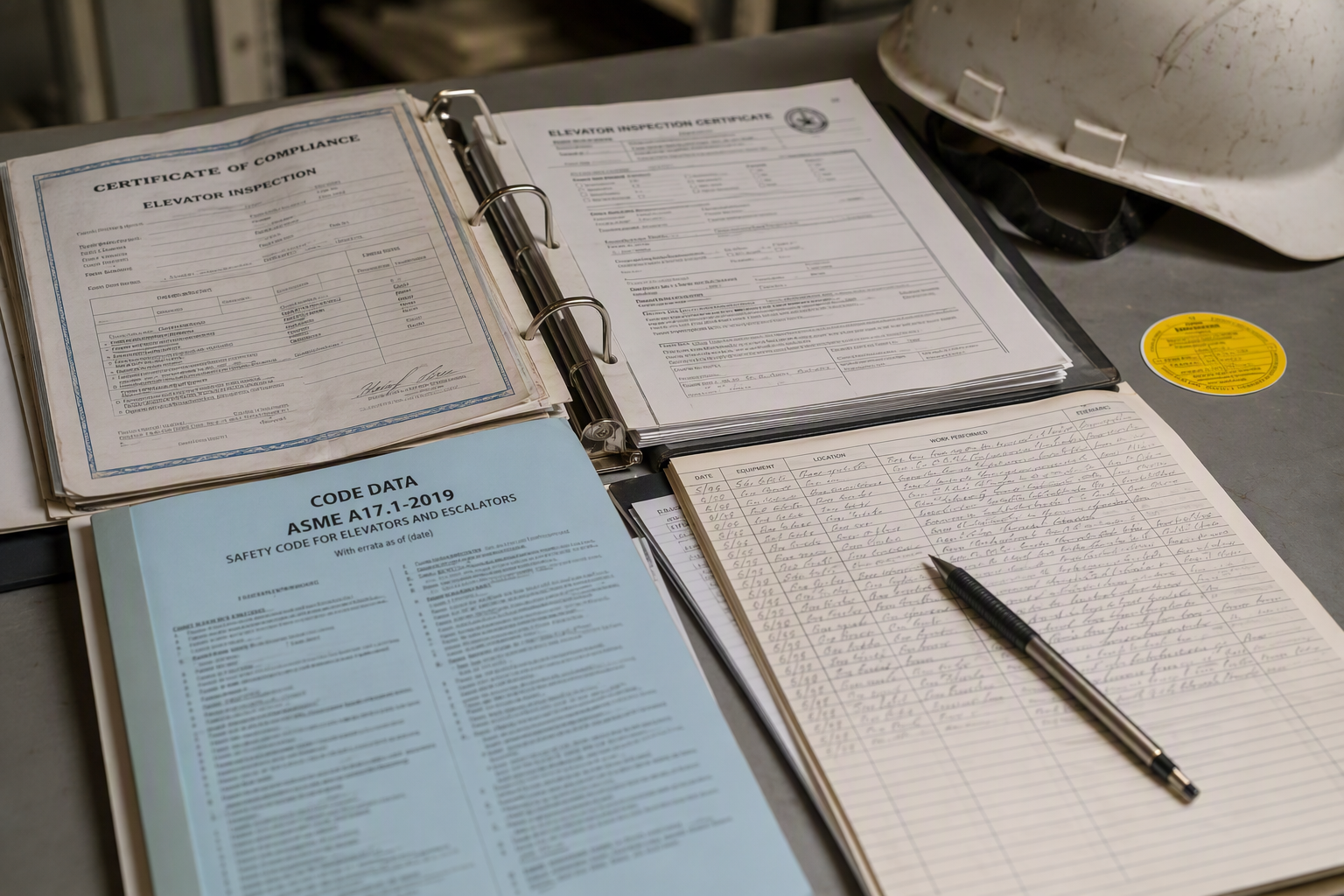
Healthcare elevator compliance draws from multiple overlapping regulatory frameworks. Facilities managers should be familiar with each layer.
- ASME A17.1 Safety Code for Elevators and Escalators: The foundational national standard covering design, construction, installation, operation, inspection, testing, maintenance, alteration, and repair of elevators. The 2022 edition (referenced in 2026 state adoptions) includes specific provisions for hospital-duty and accessibility features.
- ASME A17.3: Governs existing (pre-code) elevator installations and requires periodic upgrades to bring aging equipment closer to current safety standards — relevant for hospitals in older building stock common across Baltimore and Philadelphia.
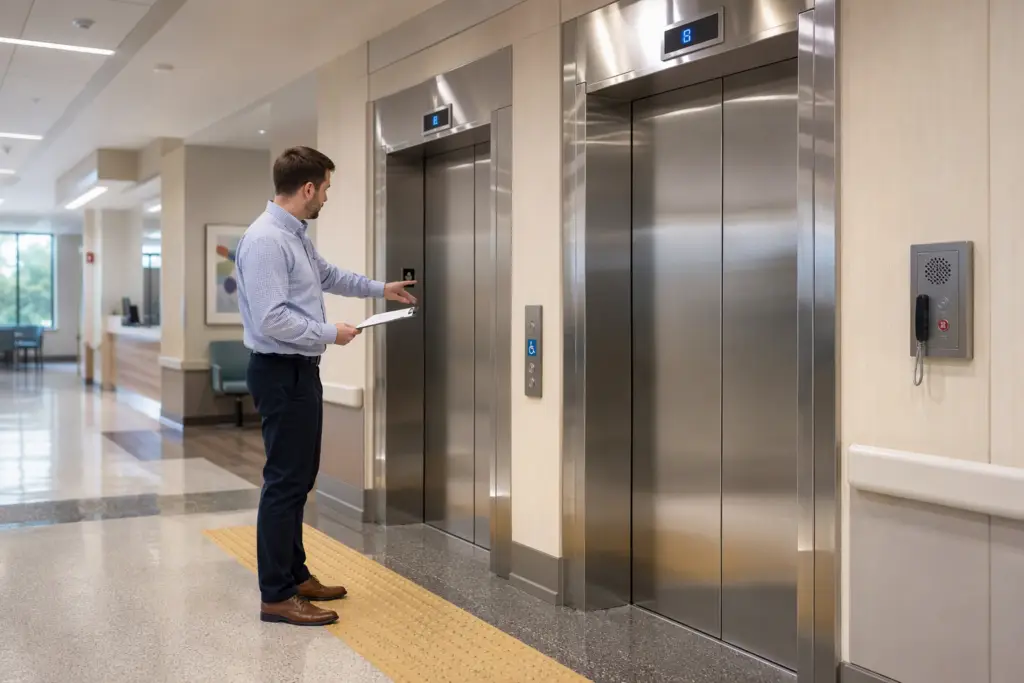
- Americans with Disabilities Act (ADA): Mandates accessible elevator dimensions, door timing, Braille/raised character controls, audible signals, and minimum cab sizes — all especially critical in patient-transport environments.
- The Joint Commission (TJC) Environment of Care Standards: Accredited hospitals must demonstrate that elevators are maintained under a documented preventive maintenance program. Elevator downtime or failed inspections can affect accreditation status.
- NFPA 101 Life Safety Code: Governs fire-service recall and Phase I/Phase II emergency operation — a non-negotiable requirement for any hospital elevator installation.
- State and Local Codes: Maryland, Virginia, Pennsylvania, and Washington DC each adopt and amend ASME A17.1 independently. Facilities in these jurisdictions must verify current local amendments with their Authority Having Jurisdiction (AHJ).
- OSHA General Industry Standards: Apply to elevator maintenance technicians working in healthcare settings, including lockout/tagout procedures and confined-space protocols.
Who Is Responsible for Hospital Elevator Maintenance?
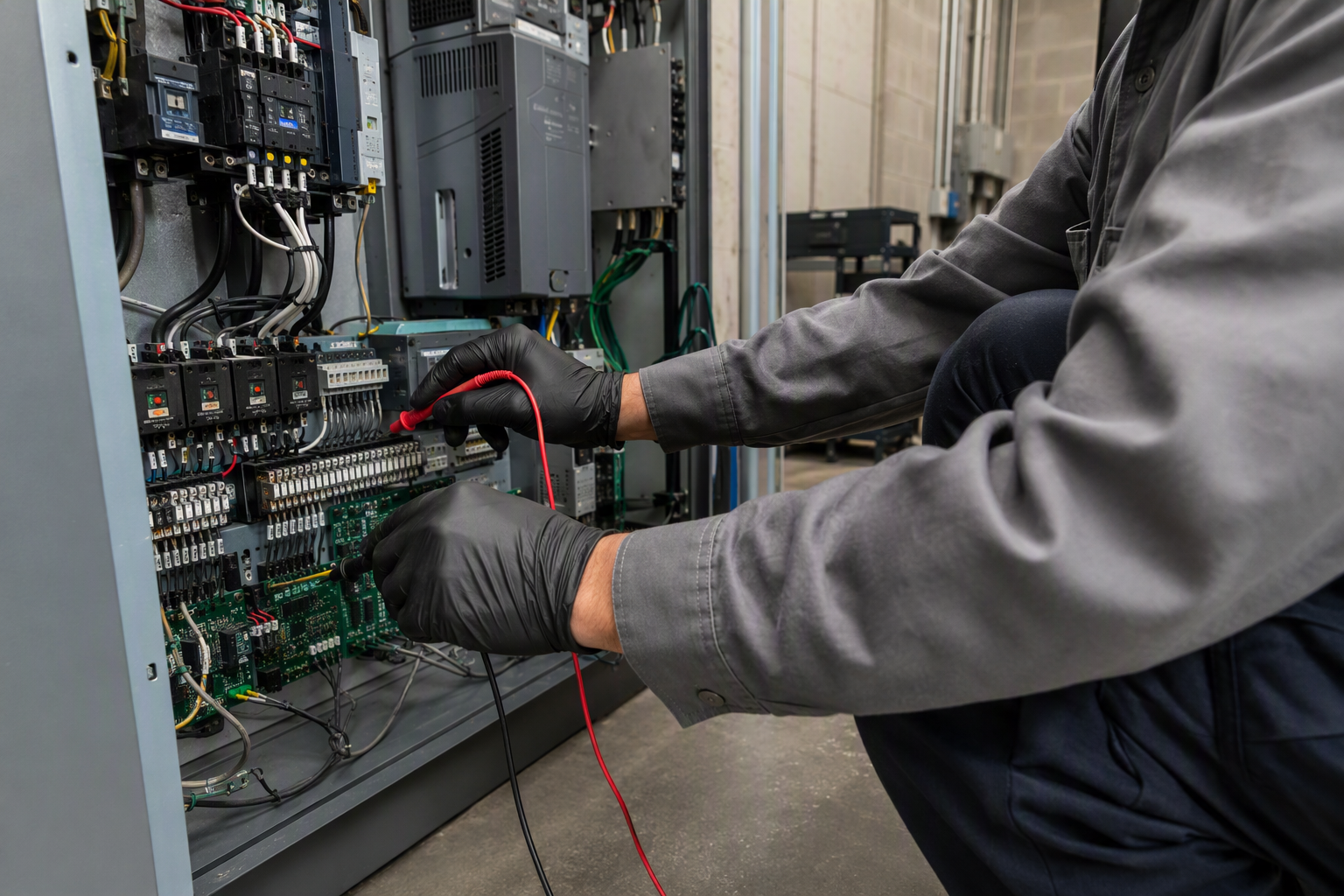
Responsibility is shared across three parties. The hospital’s facilities management team owns the equipment and bears ultimate regulatory accountability. The state or local elevator inspection authority conducts periodic third-party inspections and issues certificates of operation. A licensed elevator service contractor — such as Quality Elevator Company — performs the day-to-day preventive maintenance, required testing, and any corrective repairs.
Hospitals that attempt to self-perform elevator maintenance without licensed elevator mechanics violate ASME A17.1 and most state elevator laws. All work on elevator equipment must be performed by qualified mechanics holding the appropriate jurisdiction-specific licensure.
What Are the Specific Elevator Requirements for Hospital Buildings?
Hospital elevators must meet requirements beyond standard commercial installations, including:
- Cab dimensions for gurney access: A hospital-duty elevator cab must accommodate a fully extended patient stretcher with attendants on either side. Specific minimum cab dimensions are defined by the facility’s building program and referenced in FGI Guidelines for the Design and Construction of Hospitals.
- Door width and timing: ADA requires a minimum clear door width and specific door-open dwell times. Hospital applications often specify wider-than-minimum openings to accommodate bariatric transport equipment.
- Load capacity: Hospital service elevators frequently require higher-capacity ratings to accommodate imaging equipment, supply carts, and multi-person loading.
- Emergency power: At least one elevator per bank must be connected to the facility’s emergency generator and must automatically return to a designated floor during a power event.
- Infection control: Interior finishes, handrail materials, and ventilation must support the facility’s infection prevention protocols. During modernization projects, dust and airborne contaminant controls during construction are governed by ICRA (Infection Control Risk Assessment) procedures.
- 24/7 operational reliability: Unlike commercial office buildings, hospital elevators cannot be taken out of service during business hours without a patient-safety impact analysis and an approved contingency plan.
How Often Are Hospital Elevators Required to Be Inspected?
Under the ASME A17.1 Safety Code for Elevators and Escalators, elevators are subject to periodic inspections and witnessed tests at intervals defined by the applicable jurisdiction. Most states require a full inspection and certificate renewal annually, with additional witnessing of safety tests — such as governor, buffer, and safeties — on a separate schedule (commonly every five years for certain test categories).
State elevator divisions in Maryland, Virginia, Pennsylvania, and the District of Columbia each publish their adopted inspection schedules. Facilities managers should confirm current intervals with their AHJ and ensure their service contractor maintains records that support inspection readiness at all times.
What Happens If a Hospital Elevator Fails Inspection?
A failed inspection typically results in the AHJ issuing an out-of-service order, requiring the elevator to be taken offline until deficiencies are corrected and re-inspected. For hospitals, this creates an immediate patient-safety and operational problem.
- Notify the facilities director and hospital administration immediately upon receiving a failed inspection notice.
- Contact your licensed elevator service contractor to review the specific deficiencies cited in the inspection report.
- Develop a written corrective action plan with repair timelines and submit it to the AHJ if required.
- Implement a patient-transport contingency plan — identifying alternate elevator routes, stairwell options, and staffing adjustments — for the duration of the outage.
- Complete all cited repairs using licensed elevator mechanics.
- Schedule and pass a re-inspection with the AHJ before returning the elevator to service.
- Document all corrective actions for Joint Commission Environment of Care files.
How Should Hospitals Evaluate an Elevator Service Contractor?
Not every elevator company is equipped to serve healthcare facilities. When evaluating vendors, facilities managers should assess:
- Healthcare experience: Ask for references from other hospital or medical campus clients in your region.
- Compliance familiarity: The contractor should demonstrate working knowledge of ASME A17.1, ADA, Joint Commission Environment of Care expectations, and your state’s specific amendments.
- Licensed mechanics: Verify that technicians hold licenses required by Maryland, Virginia, Pennsylvania, or DC elevator laws, as applicable.
- Infection control protocols: The contractor should be able to follow ICRA requirements when working in or adjacent to patient-care areas.
- Documented maintenance programs: The contractor should provide a written preventive maintenance scope that supports Joint Commission audit requirements.
- Local presence: A contractor with a local office in your market can respond to unplanned service needs more effectively than a nationally managed but regionally thin operation.
Quality Elevator Company maintains local operations serving Baltimore, Washington DC, Philadelphia, and Richmond — allowing healthcare clients in each of these markets to work with technicians who know the specific AHJ requirements for their jurisdiction.
What Is Involved in Hospital Elevator Modernization?
Aging hospital elevators — particularly those installed before current editions of ASME A17.1 and ADA were adopted — often require modernization to meet current code, improve reliability, and reduce maintenance costs. A modernization project may address:
- Controller and drive system upgrades for improved energy efficiency and ride quality
- Door operator replacement to achieve current ADA dwell timing and force requirements
- Emergency lighting, communication, and leveling system upgrades
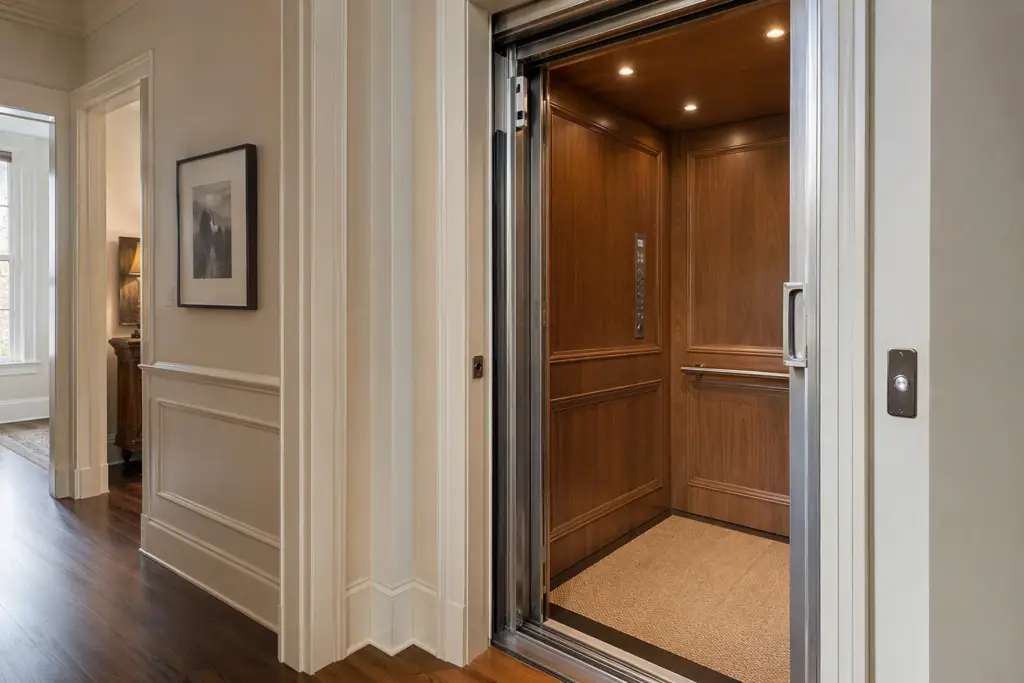
- Cab interior renovation using healthcare-appropriate materials
- Safety device upgrades required under ASME A17.3 for existing installations
Modernization in an occupied hospital requires careful phasing to avoid simultaneous outages of multiple elevators. A detailed outage schedule, coordinated with nursing, surgery, and facilities leadership, is essential before work begins.
Are There Elevator Considerations Specific to Different Healthcare Settings?
Yes. Requirements and priorities vary by facility type:
- Acute-care hospitals: Highest demand for 24/7 reliability, emergency power recall, gurney-capacity cabs, and ICRA-compliant maintenance access.
- Outpatient surgery centers: ADA accessibility is paramount; patient throughput timing affects door specification choices.
- Rehabilitation hospitals: Patients in wheelchairs and assistive devices require full ADA compliance and may benefit from extended door dwell times beyond minimum code requirements.
- Long-term care and skilled nursing facilities: Resident dignity and fall-prevention design influence cab interior and control panel specifications.
- Medical office buildings: Standard commercial ASME A17.1 compliance applies, with ADA accessibility as the primary patient-facing requirement.
Questions Your Inspector Will Ask
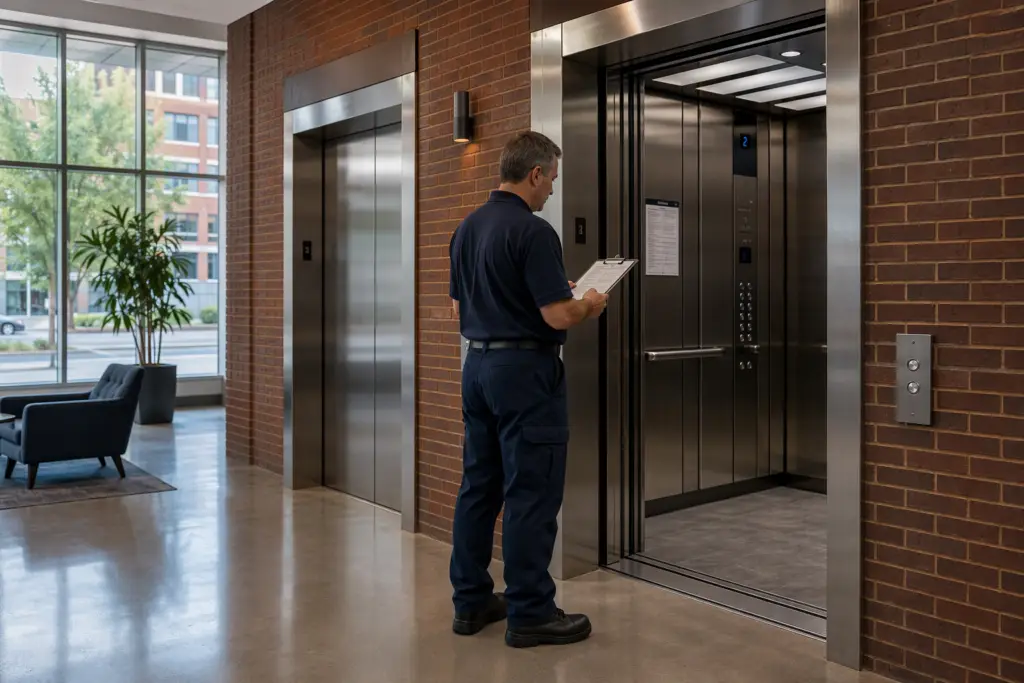
When the state elevator inspector visits a hospital, facilities managers should be prepared to address the following:
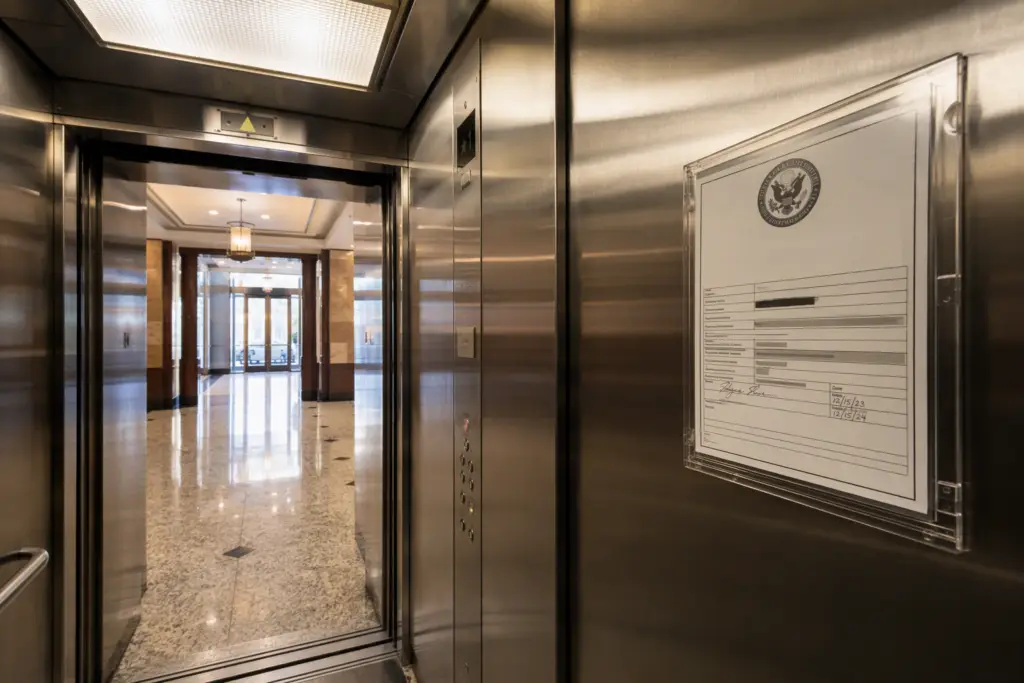
- Is the current certificate of operation posted inside the elevator cab? Most jurisdictions require the certificate to be displayed in a specific location.
- Where is the maintenance log, and is it current? Inspectors review maintenance records to confirm required tasks have been performed at the required intervals.
- When was the last governor, buffer, and safety test performed, and who witnessed it? Required safety tests under ASME A17.1 must be conducted by a licensed contractor and witnessed by the AHJ or its designee.
- Is fire service (Phase I and Phase II) recall functional? Inspectors will test emergency operation recall to a designated floor and in-car fireman’s service.
- Is emergency lighting and the in-car telephone operational? Both are required under ASME A17.1 and are routinely tested during inspection.
- What is the rated load capacity, and is the load plate posted? Overloading is a safety violation; capacity must be posted and the equipment must not be used beyond its rating.
- Are pit and machine room conditions compliant? Inspectors check for proper lighting, clearances, no unauthorized storage, and functioning pit ladder and stop switches.
- Has any alteration work been performed since the last inspection? Alterations trigger additional inspection requirements under ASME A17.1.
How Does Preventive Maintenance Reduce Hospital Elevator Risk?
A structured preventive maintenance program — documented in writing and aligned with the manufacturer’s specifications and ASME A17.1 requirements — reduces unplanned downtime, supports inspection readiness, and extends equipment service life. For healthcare facilities, the consequences of deferred maintenance are amplified: a failed door operator or a leveling error in a patient-transport elevator can create both a safety event and a regulatory finding.
Quality Elevator Company develops maintenance programs for healthcare clients that are structured to support Joint Commission Environment of Care documentation requirements, providing facilities managers with the records they need during accreditation reviews.
How Do I Get Started with Hospital Elevator Compliance in Baltimore, DC, Philadelphia, or Richmond?
The practical starting point is a thorough elevator assessment covering the current condition of each unit, its compliance status under the applicable jurisdiction’s elevator code, outstanding inspection items, and maintenance history. From that baseline, a licensed elevator service contractor can develop a prioritized compliance and maintenance roadmap.
Quality Elevator Company offers free elevator assessments for healthcare facilities across its service area, giving facilities and engineering teams an objective view of where each unit stands against current ASME A17.1, ADA, and local code requirements — without obligation.
Contact Quality Elevator Company for a Free Elevator Assessment
Serving hospitals and healthcare facilities in Baltimore MD, Washington DC, Philadelphia PA, and Richmond VA — Quality Elevator Company provides certified elevator installation, maintenance, modernization, and compliance support designed for the demands of the healthcare environment.
Call us today: 301-779-9116
Need elevator service you can rely on? Quality Elevator Company is ready to help.