How Do I Know If My Elevator Will Pass Inspection Before the Inspector Shows Up?
You can predict your elevator’s inspection outcome with a high degree of confidence by conducting a structured self-audit that mirrors the official inspection protocol. Inspectors follow a defined checklist rooted in the ASME A17.1 Safety Code for Elevators and Escalators and applicable state amendments. If every item on that checklist is in order before the inspector walks through the door, your elevator is ready to pass. The sections below walk you through every major inspection category, common failure points, jurisdiction-specific requirements across Maryland, Washington DC, Pennsylvania, and Virginia, and how to close any compliance gaps before your inspection date.
1. What Does an Official Elevator Inspection Actually Cover?
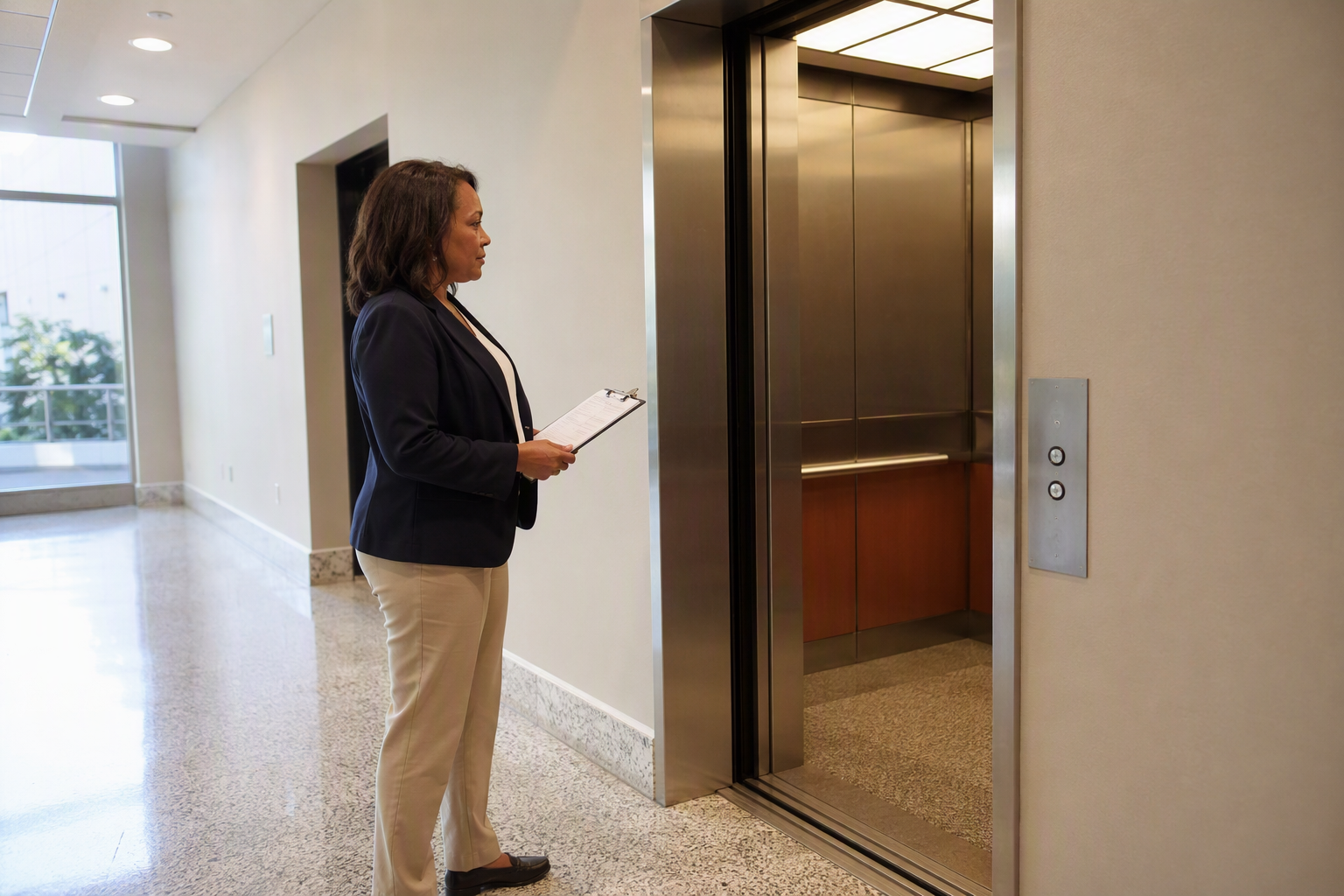
An official elevator inspection covers mechanical components, safety devices, electrical systems, door operation, cab conditions, emergency equipment, and documentation — all evaluated against ASME A17.1 and local code amendments.
Inspectors work through a structured checklist that touches virtually every system on the elevator. The mechanical scope includes the machine room, drive sheaves, governor, buffers, counterweight, and pit equipment. Electrical review covers wiring, control panels, and safety circuit continuity. Door tests verify opening and closing force, reopening devices, and interlock function. Inside the cab, inspectors look at lighting levels, emergency lighting, ventilation, the emergency alarm, and the two-way communication system. They also check posted certificates, load capacity placards, and maintenance logs. Understanding this full scope is the foundation for any pre-inspection self-audit.
2. How Often Are Elevators Required to Be Inspected?
Most jurisdictions require annual inspections for passenger elevators, though the precise interval and the categories of inspection (periodic vs. periodic and acceptance) are governed by ASME A17.1 and each state’s adopting regulations.
Maryland, Washington DC, Pennsylvania, and Virginia each adopt ASME A17.1 with their own amendments and enforcement schedules. In general, passenger elevators receive periodic inspections annually, while new or altered installations require acceptance inspections before being returned to service. Escalators and other conveyances follow separate intervals. Building owners should verify their current jurisdiction’s schedule with their state labor or building department, as inspection frequencies can vary by equipment type, occupancy, and vintage. Failing to schedule and pass a required inspection on time can result in the elevator being taken out of service until a successful inspection is completed.
3. What Are the Most Common Reasons Elevators Fail Inspection?
The most frequent inspection failures involve door safety devices, missing or expired documentation, inoperative emergency lighting or two-way communication, and deferred maintenance items that have been allowed to accumulate.
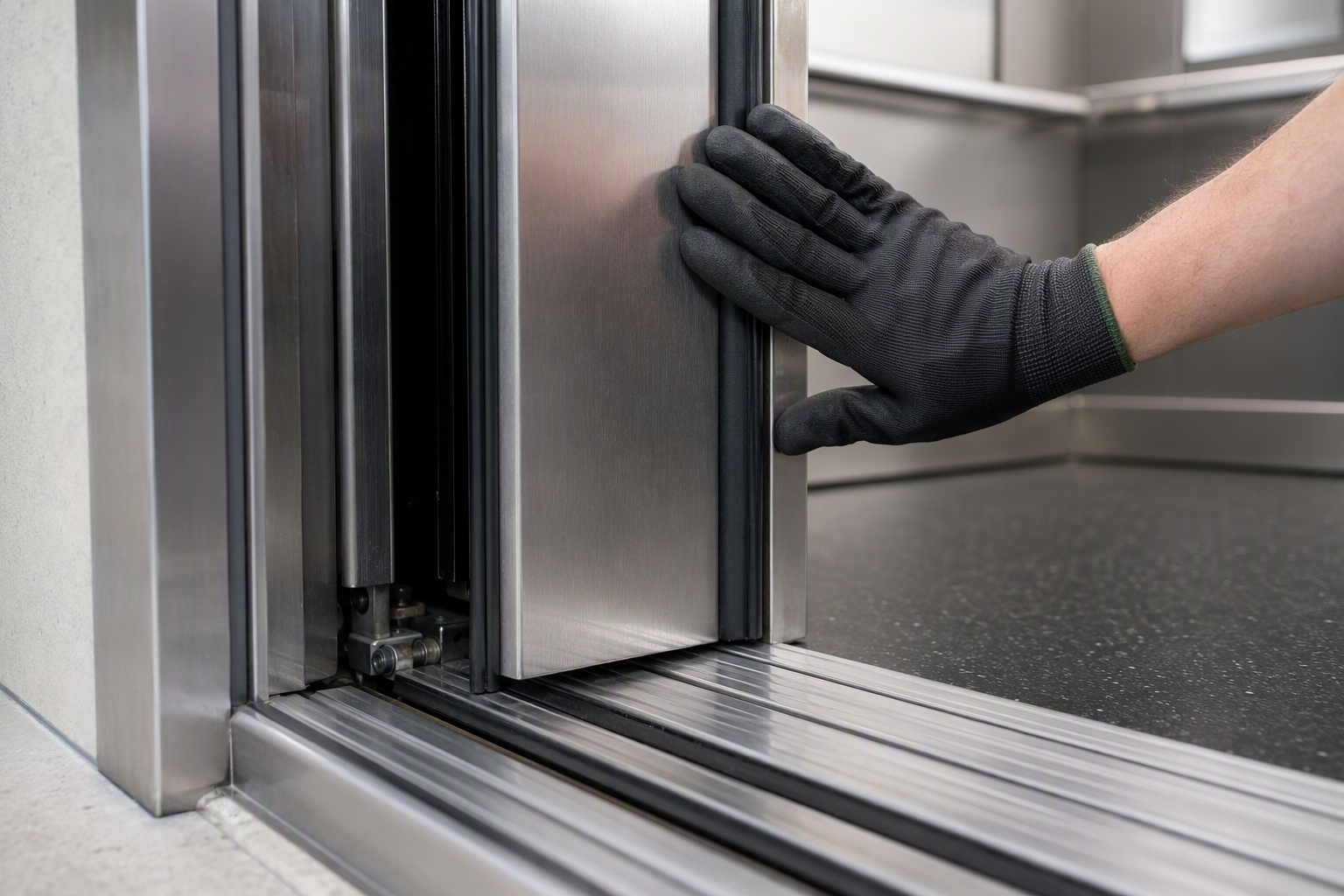
Door-related failures are consistently among the top cited deficiencies. These include worn or broken door clutches, misaligned gibs, excessive closing force, and malfunctioning door reopening devices. Documentation failures occur when certificates have expired, maintenance logs are incomplete, or load placards are missing from the cab. Emergency system failures — a dead battery in the emergency lighting unit or a two-way phone that does not connect — are straightforward to fix but easy to overlook. Finally, pit conditions including water intrusion, inadequate lighting, or a missing or inoperative stop switch account for a meaningful portion of cited deficiencies. Addressing these categories first gives building owners the highest return on pre-inspection effort.
4. How Do I Conduct a Pre-Inspection Self-Audit of My Elevator?
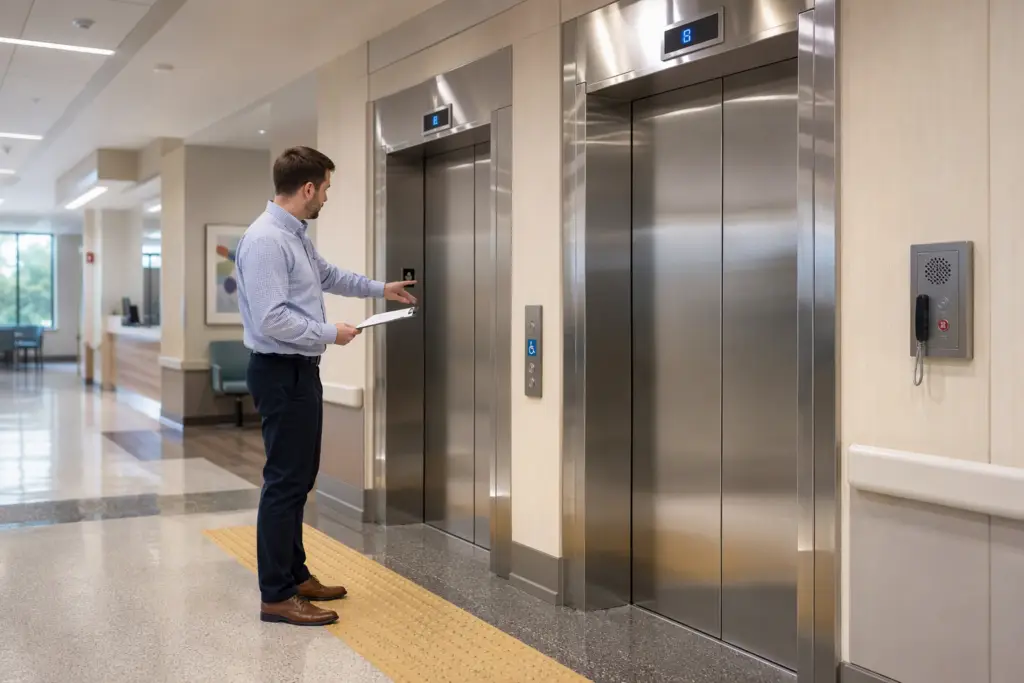
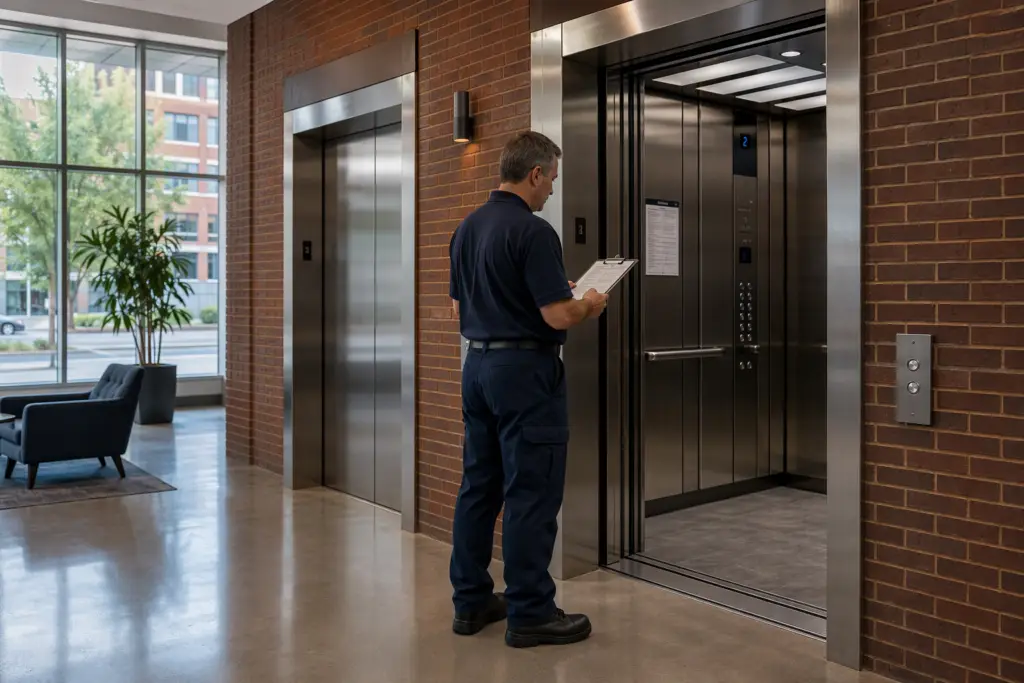
A pre-inspection self-audit follows the same sequence an inspector uses: machine room, pit, hoistway, landing doors, cab interior, and documentation review.
The following step-by-step procedure mirrors the standard inspection workflow and is suitable for building managers or maintenance personnel to complete before the official inspection date.
- Gather documentation first. Collect the current operating certificate, maintenance contract logs, and the most recent inspection report. Confirm the certificate is posted in the cab and has not expired.
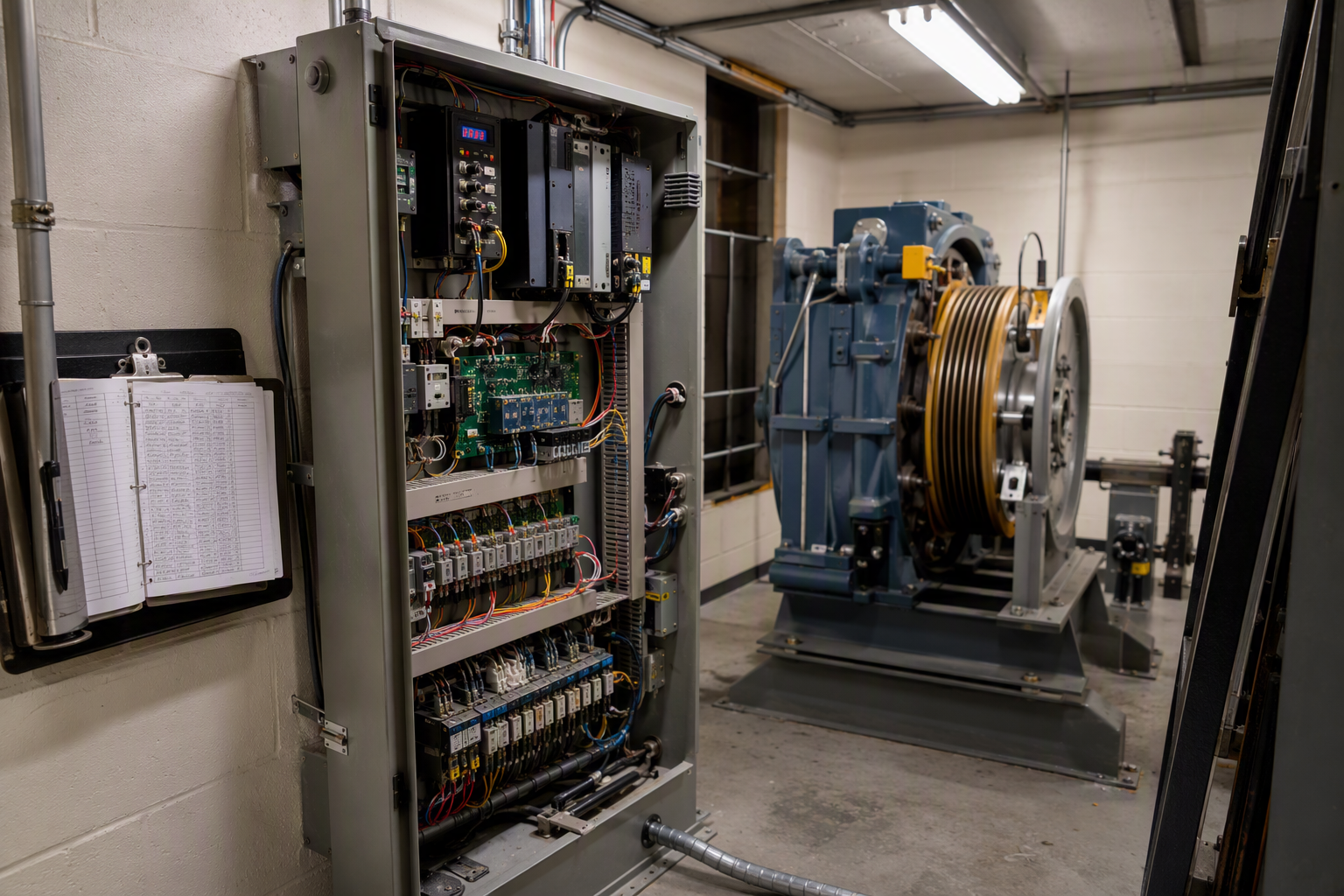
- Inspect the machine room. Verify adequate lighting (at least the level required by code at the working level), a clear path to the controller, no storage that violates clearance requirements, appropriate temperature control, and a functioning fire extinguisher if required locally.
- Check the pit. Confirm the pit light works, the pit stop switch is accessible and functional, there is no standing water, and the pit ladder (if required by the pit depth) is secure and undamaged.
- Test landing doors at every floor. Verify each hoistway door closes fully, latches properly, and that the interlock prevents the door from opening more than a prescribed distance when the car is not present.
- Test the door reopening device in the cab. Pass an object through the door closing path to confirm the reopening device activates reliably and the doors do not close with excessive force.
- Verify cab lighting and emergency lighting. Confirm normal lighting is adequate and that the battery-powered emergency lighting unit activates when normal power is interrupted.
- Test the emergency alarm and two-way communication. Activate the alarm button and confirm audibility. Place a call on the two-way phone or intercom and verify two-way voice communication is established with a monitored location.
- Review the cab interior. Confirm the load capacity placard is posted and legible, flooring is secure and not a trip hazard, handrails are anchored, and ventilation is operational.
- Check the governor and safety devices. Unless you have certified elevator technicians available, this step should be performed by a licensed contractor — note any unusual noises or behavior in the governor for immediate professional evaluation.
- Document your findings. Record every item checked, any deficiencies found, and the corrective actions taken. This log demonstrates due diligence and can be presented to the inspector.
5. What Elevator Documentation Must Be Present During Inspection?
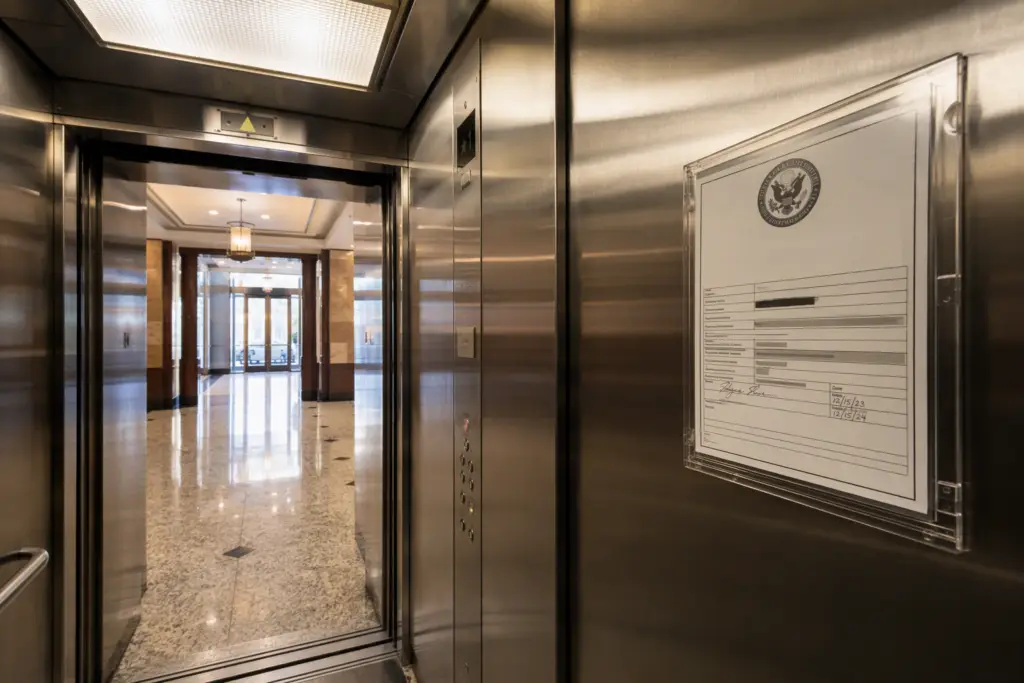
At minimum, inspectors expect to see a valid operating certificate posted in the cab, a load capacity placard, the most recent inspection report, and evidence of a current maintenance program.
The operating certificate must be current — not expired by even a single day. In most jurisdictions it must be displayed in the elevator cab where passengers can see it. The load capacity and maximum occupancy placard must be permanently affixed and legible. Maintenance records do not always need to be physically present in the cab, but inspectors may request them, and building owners should be able to produce them promptly. For modernized or altered elevators, the alteration permit and acceptance inspection documentation may also be required. Jurisdictions across Maryland, Washington DC, Pennsylvania, and Virginia have their own certificate formats and renewal procedures, so owners should confirm local requirements.
6. What Do State-Specific Elevator Regulations Require in Maryland, Washington DC, Pennsylvania, and Virginia?
Each jurisdiction adopts ASME A17.1 with local amendments and enforces compliance through its own licensing board or labor department, meaning requirements can differ in meaningful ways even within a single metropolitan area.
| Jurisdiction | Governing Body | Code Base | Inspection Interval (Passenger Elevators) | Inspector Qualification |
|---|---|---|---|---|
| Maryland | MD Dept. of Labor, Licensing & Regulation | ASME A17.1 with MD amendments | Annual periodic | State-licensed elevator inspector |
| Washington DC | DC Dept. of Consumer & Regulatory Affairs (DCRA) | ASME A17.1 with DC amendments | Annual periodic | DCRA-approved inspector |
| Pennsylvania | PA Dept. of Labor & Industry, Bureau of Occupational & Industrial Safety | ASME A17.1 with PA amendments | Annual periodic | State-certified elevator inspector |
| Virginia | VA Dept. of Labor and Industry (DOLI) | ASME A17.1 with VA amendments | Annual periodic | State-licensed elevator inspector |
Building owners in the Baltimore, Washington DC, Philadelphia, and Richmond markets should contact their respective enforcement agency directly or work with a qualified elevator service provider to confirm current code editions in force, since jurisdictions update their adopted code editions on independent timelines. Quality Elevator Company’s service teams maintain current knowledge of local amendment requirements in all four markets.
7. How Does ADA Compliance Factor Into an Elevator Inspection?
While ADA compliance and safety inspections are legally separate processes, inspectors in many jurisdictions note ADA-related deficiencies, and building owners bear an independent obligation under the Americans with Disabilities Act to maintain accessible features in working order.
Key ADA elevator requirements include call button placement and sizing, Braille and raised-character floor designations, audible floor announcements, door timing sufficient to allow a person using a mobility device to board, and cab dimensions meeting minimum accessible standards. A cab that fails its ADA obligations may still receive a safety certificate, but the building owner remains exposed to separate civil liability. Before inspection, verify that all Braille plates are present and undamaged, audible signals function, and the door dwell time is sufficient. The ADA Standards for Accessible Design provide the authoritative reference for these requirements.
8. What Should the Machine Room Look Like to Pass Inspection?
The machine room must be clean, properly lit, free of unauthorized storage, climate-controlled within the range required by the equipment manufacturer and ASME A17.1, and accessible only to authorized personnel.
Inspectors look for adequate working space around the controller and drive unit, no evidence of oil leaks on the floor or machinery, and all covers and guards in place. The hoistway access door must be self-closing and self-latching. If the machine room contains a hydraulic power unit, the oil reservoir must be at the correct level and there must be no signs of leakage in the underground cylinder or above-ground piping. Temperature extremes — both excessive heat and freezing — can affect controller operation and are noted as deficiencies. A cluttered machine room signals poor maintenance discipline and invites closer scrutiny of other systems.
9. What Pit Conditions Will Cause an Elevator to Fail Inspection?
A pit with standing water, inoperative lighting, a missing or damaged stop switch, inadequate clearance, or evidence of pest intrusion will result in a cited deficiency and potentially a rejection of the inspection.
The pit is one of the areas inspectors examine most carefully because it houses critical safety components including the buffer, the traveling cable termination, and the pit switch. Standing water is an immediate safety hazard and a common failure trigger — if the building has a chronic pit water problem, a sump pump may need to be installed or the source of infiltration addressed before the inspection. The pit light must illuminate the entire pit adequately. The stop switch must be within reach from the pit access point and must function correctly. Pit ladders, where required based on pit depth under ASME A17.1, must be permanently mounted and in good condition.
10. How Do I Know If My Elevator’s Safety Devices Are Working Properly?
Safety device verification — including the governor, safeties, buffers, and car and counterweight clearances — requires testing by a licensed elevator technician and cannot be reliably assessed through visual inspection alone.
The governor is a centrifugal speed-sensing device that triggers the car safeties if the elevator exceeds its rated speed. Buffers must compress and return properly at rated load and speed. These tests are documented in the inspection record and require specialized equipment and trained personnel to perform safely. Building managers can, however, note warning signs: unusual sounds during travel, vibration, or a car that levels inconsistently at floors may indicate safety device issues requiring professional evaluation before the inspection date. Quality Elevator Company provides pre-inspection maintenance visits specifically designed to evaluate and test these systems in advance.
11. What Is the Role of the Elevator Maintenance Contract in Passing Inspection?
A documented, current maintenance contract and the associated service logs are strong indicators to an inspector that the elevator has been properly maintained — and gaps in that record often prompt additional scrutiny.
ASME A17.1 establishes maintenance obligations for elevator owners, and many state adopting regulations incorporate those requirements explicitly. Inspectors are more likely to look closely at mechanical components when maintenance documentation is absent or irregular. A full-service maintenance contract that includes periodic lubrication, adjustment, safety device testing, and written records gives building owners the best foundation for a clean inspection. When reviewing maintenance logs, inspectors may look for the frequency of service visits, the nature of work performed, and how open items were resolved. Owners should ensure their maintenance provider keeps organized, dated records accessible for inspection review.
12. How Do I Test the Emergency Two-Way Communication System Before Inspection?
Place a test call from the elevator cab’s two-way communication device and verify that a live, monitored party answers and can communicate clearly — this is the standard the inspector will apply.
ASME A17.1 requires that elevators be equipped with a means to permit two-way communication between the car and a location that is continuously monitored. Before the inspection, confirm the device connects, that audio is clear in both directions, and that the monitoring party can identify the building and elevator location. Battery backup for the communication system should also be tested — if normal power fails, the system must remain operational. Monitoring service contracts sometimes lapse or phone lines are changed without updating the communication system; these are avoidable failures that a brief pre-inspection test will catch. In addition to the two-way phone, test the emergency alarm bell for audibility from outside the hoistway.
13. What Door Force and Speed Requirements Must an Elevator Meet?
Under ASME A17.1, horizontal sliding doors must not exert more than a specified kinetic energy and closing force on a person in the door path, and the reopening device must prevent door contact under normal operation.
Inspectors use a calibrated door force gauge to measure closing force and may also time the door open dwell period. Doors that slam shut, close with excessive speed, or whose reopening device activates too slowly or inconsistently are a frequent source of citations. Before inspection, observe the doors at every floor during normal operation. Doors that sound rough, hesitate, or exhibit uneven motion may have worn gibs, clutches, or drive motors. These mechanical adjustments are within the scope of routine maintenance and should be addressed before the inspection date, not after. Cab door sills and landing sill gaps should also be inspected for accumulation of debris that could impede door travel.
14. How Does Elevator Modernization Affect Inspection Requirements?
Any modernization or alteration to an elevator triggers an acceptance inspection under ASME A17.1 and local code, and the altered components must comply with the code edition in effect at the time the permit was issued.
Modernization projects — which may include new controls, cab interiors, door operators, or drive systems — require a permit from the local authority before work begins and an acceptance inspection before the elevator is returned to service. Owners who modernize without permits face enforcement action and may be required to remove and redo the work. For periodic inspections following a modernization, inspectors will verify that the work was completed under a permit, that the acceptance inspection was passed, and that the altered systems meet the applicable code. Building owners in Baltimore, Washington DC, Philadelphia, and Richmond should confirm permit requirements with their local jurisdiction before committing to any alteration scope.
15. What Happens If My Elevator Fails Inspection?
A failed inspection typically results in a written notice of violation that specifies each deficiency, a compliance deadline, and — for serious deficiencies — an order to take the elevator out of service until corrections are made and a re-inspection is passed.
The severity of the consequences depends on the nature of the deficiency. Minor administrative items (an expired certificate not yet renewed, a placard that needs replacement) may result in a correction notice with a short deadline. Safety-related deficiencies — an inoperative safety device, door interlock failure, or pit flooding — can result in immediate out-of-service orders. Re-inspection fees apply in most jurisdictions, meaning a failed inspection adds direct cost beyond the repair itself. Building owners whose elevators serve ADA-accessible routes also face additional exposure under the ADA if the elevator is taken out of service without a compliant alternative. The most cost-effective strategy is always to resolve deficiencies before the initial inspection.
16. How Far in Advance Should I Schedule a Pre-Inspection Service Visit?
Scheduling a pre-inspection maintenance and evaluation visit at least four to six weeks before the official inspection date allows sufficient time to identify deficiencies, order replacement parts if needed, and complete repairs before the inspector arrives.
Parts lead times vary considerably by elevator age and manufacturer. Older elevators with proprietary control systems or discontinued components can have lead times measured in weeks. Scheduling a pre-inspection visit with only a few days to spare creates significant risk that a discovered deficiency cannot be corrected in time. A qualified elevator contractor will document findings, prioritize items by inspection risk, and coordinate any required permits for repairs that constitute alterations. Quality Elevator Company offers pre-inspection assessment services for building owners in the Baltimore, Washington DC, Philadelphia, and Richmond markets, providing a structured evaluation aligned to what inspectors will examine.
17. What Are Inspectors Looking for in Hydraulic Elevators Specifically?
Hydraulic elevator inspections include all standard cab and door checks plus specific evaluation of the power unit, underground cylinder integrity, oil level, pressure relief valve function, and rupture valve operation.
Single-bottom hydraulic cylinders, common in older installations, present environmental risk from oil leaks into the ground. Many jurisdictions require that these cylinders be replaced with double-bottom or PVC-lined equivalents, or that an oil containment system be in place. Inspectors will look for evidence of oil in the pit, which can indicate a cylinder or piping leak. The pressure relief valve must be set correctly and functional. The rupture valve — designed to prevent uncontrolled descent if a hydraulic line fails — must be tested. Building owners with older hydraulic elevators should be particularly attentive to these components and consult with a qualified contractor about current local requirements for single-bottom cylinder compliance.
18. Can Workplace Safety Regulations Affect My Elevator’s Compliance Status?
Yes — OSHA standards govern elevator-related hazards in workplaces, including machine room access, lockout/tagout procedures, and working conditions for elevator mechanics, and violations can compound compliance exposure for building owners.
While OSHA does not conduct elevator safety inspections in the same way that state elevator inspection programs do, OSHA regulations apply to the conditions under which workers interact with elevator equipment. Machine room housekeeping, electrical panel labeling, and lockout/tagout provisions are all subject to OSHA scrutiny if a workplace injury occurs or an OSHA inspection is triggered. Building owners who allow elevator contractors to work in unsafe conditions — inadequate lighting, trip hazards, unlabeled panels — face potential OSHA liability independent of the elevator inspection program. Ensuring machine rooms and pits meet basic workplace safety standards benefits both inspection readiness and overall risk management.
19. How Do I Choose the Right Elevator Service Company to Prepare for Inspection?
The right elevator service company has verifiable experience with the inspection requirements of your specific jurisdiction, employs licensed elevator mechanics, and provides written pre-inspection reports that identify each deficiency with a clear remediation plan.
When evaluating elevator contractors, building owners should ask whether the company is familiar with the inspection protocols used by the local authority having jurisdiction — whether that is the Maryland Department of Labor, DCRA in Washington DC, Pennsylvania’s Bureau of Occupational and Industrial Safety, or Virginia DOLI. Ask to see a sample pre-inspection checklist and a sample service report. Confirm that the company’s mechanics hold current state elevator mechanic licenses, as this is required for legal work on elevators in all four jurisdictions. Owners should also verify that the contractor can pull permits for any repair work that constitutes an alteration, since unpermitted alterations create inspection problems of their own. Quality Elevator Company serves building owners across Baltimore, Washington DC, Philadelphia, and Richmond with inspection-ready maintenance and assessment programs tailored to each jurisdiction’s requirements.
20. What Are the Highest-Priority Items to Fix Before an Elevator Inspection?
The highest-priority pre-inspection items are those that create an immediate out-of-service risk: inoperative safety devices, door interlock failures, inoperative two-way communication, expired operating certificates, and pit safety switch or lighting deficiencies.
Not all deficiencies carry equal weight. An inspector discovering a safety device that does not function has no choice but to order the elevator out of service regardless of how clean everything else looks. The following priority framework helps building owners allocate pre-inspection effort:
- Immediate out-of-service risks: Safety device functionality, door interlocks, car and counterweight buffers. Address these first and with licensed personnel.
- Emergency system compliance: Two-way communication, emergency lighting, alarm bell. These are quick to test and quick to correct if failed — there is no excuse for failing inspection on these items.
- Documentation and certificates: Operating certificate currency and posting, load placard presence, maintenance log completeness. Administrative but heavily weighted by inspectors.
- Door operation and force: Reopening device reliability, closing force within limits, door clearances. These are mechanical adjustments within routine maintenance scope.
- Pit and machine room conditions: Lighting, stop switch, water, housekeeping, temperature. These are observable and correctable without specialized equipment in most cases.
- ADA features: Braille plates, audible signals, door dwell time. These do not affect the safety certificate but carry independent legal exposure.
Building owners who work through this priority list systematically — ideally with guidance from a qualified elevator service provider — enter inspection day with confidence rather than uncertainty.
Get Your Elevator Inspection-Ready Before the Inspector Arrives
Don’t wait until the inspector shows up to discover a deficiency that takes your elevator out of service. Quality Elevator Company provides comprehensive pre-inspection assessments for building owners in Baltimore MD, Washington DC, Philadelphia PA, and Richmond VA — covering every system an inspector will examine, with a written report and clear remediation guidance.
Contact Quality Elevator Company for a free elevator assessment: 301-779-9116
Need elevator service you can rely on? Quality Elevator Company is ready to help.