Elevator Service in Baltimore, MD | Quality Elevator Company
Elevator modernization is one of the most significant investments a Baltimore property owner or facilities manager can make. Whether the goal is regulatory compliance, improved reliability, energy efficiency, or enhanced passenger safety, understanding what drives modernization costs in 2026 helps building owners plan intelligently and avoid budget surprises. Quality Elevator Company serves the Baltimore, MD market with certified elevator services designed to guide clients through every stage of a modernization project.
What Is Elevator Modernization, and Why Does It Matter in 2026?
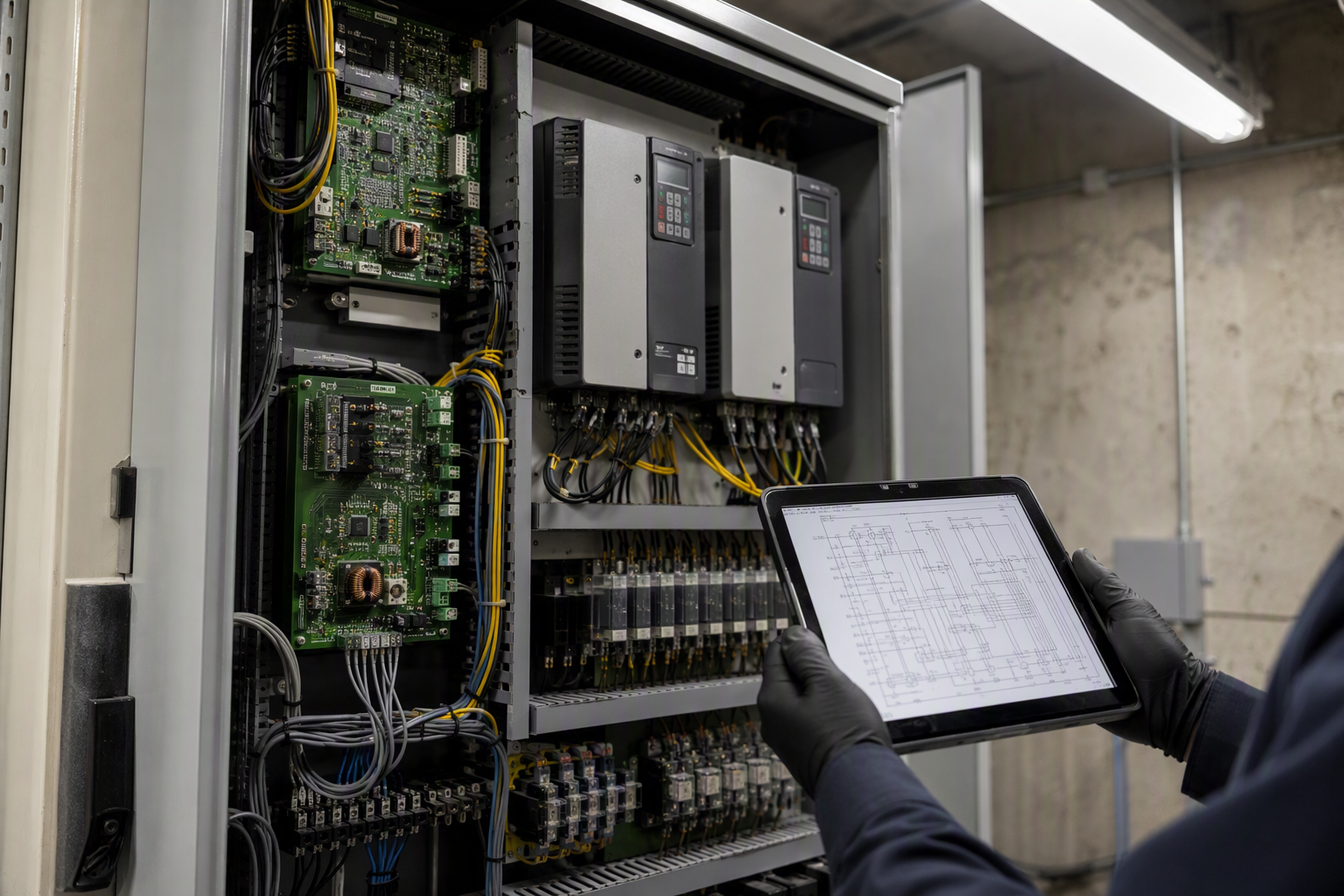
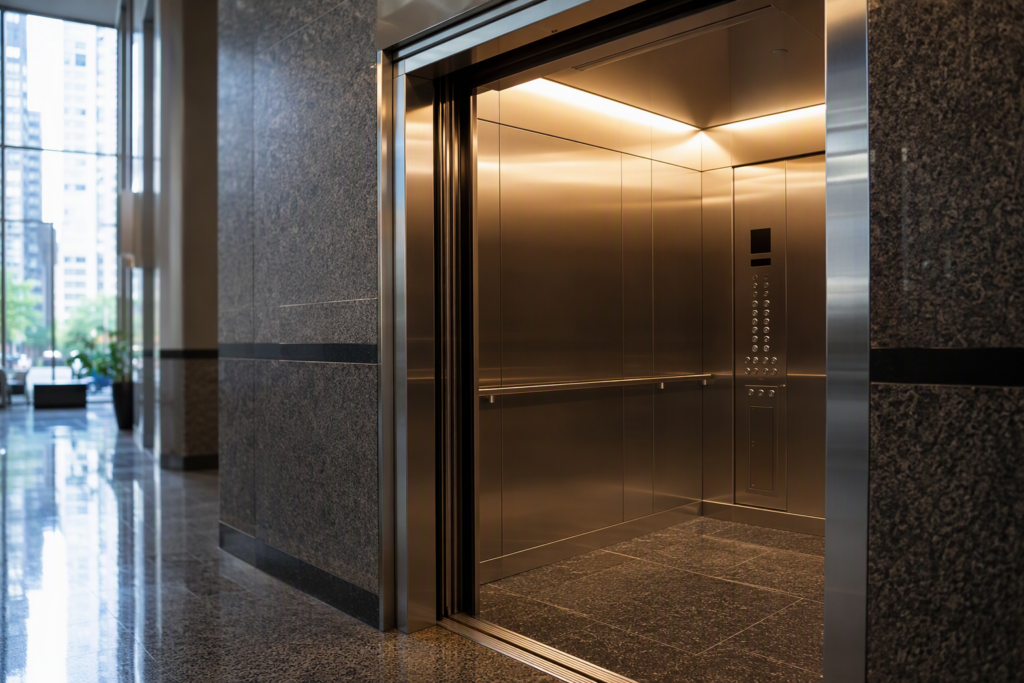
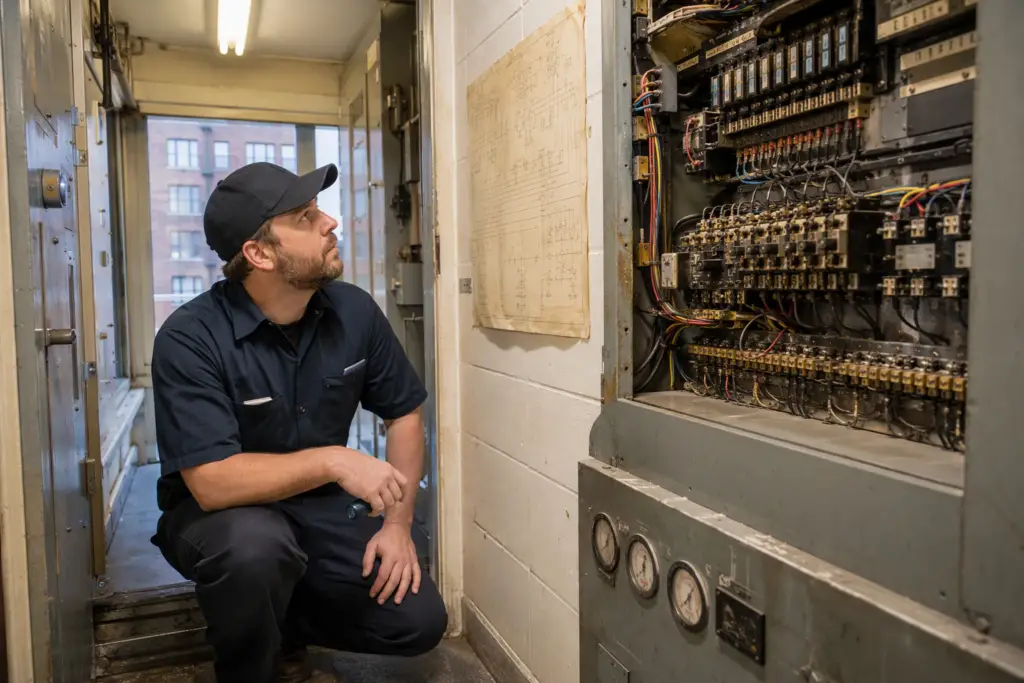
Elevator modernization refers to the partial or complete upgrade of an elevator system’s mechanical, electrical, or control components — without necessarily replacing the entire hoistway or cab structure. Common modernization projects include replacing aging controllers, upgrading drive systems, installing new door operators, modernizing cab interiors, and integrating updated safety devices.
In 2026, modernization is increasingly driven by evolving safety codes, building sustainability goals, and the age of elevator fleets across Maryland’s commercial, residential, and institutional properties. Older systems that fall out of compliance with current standards can represent both a liability and a safety risk for building occupants.
What Are the Main Factors That Affect Elevator Modernization Cost?
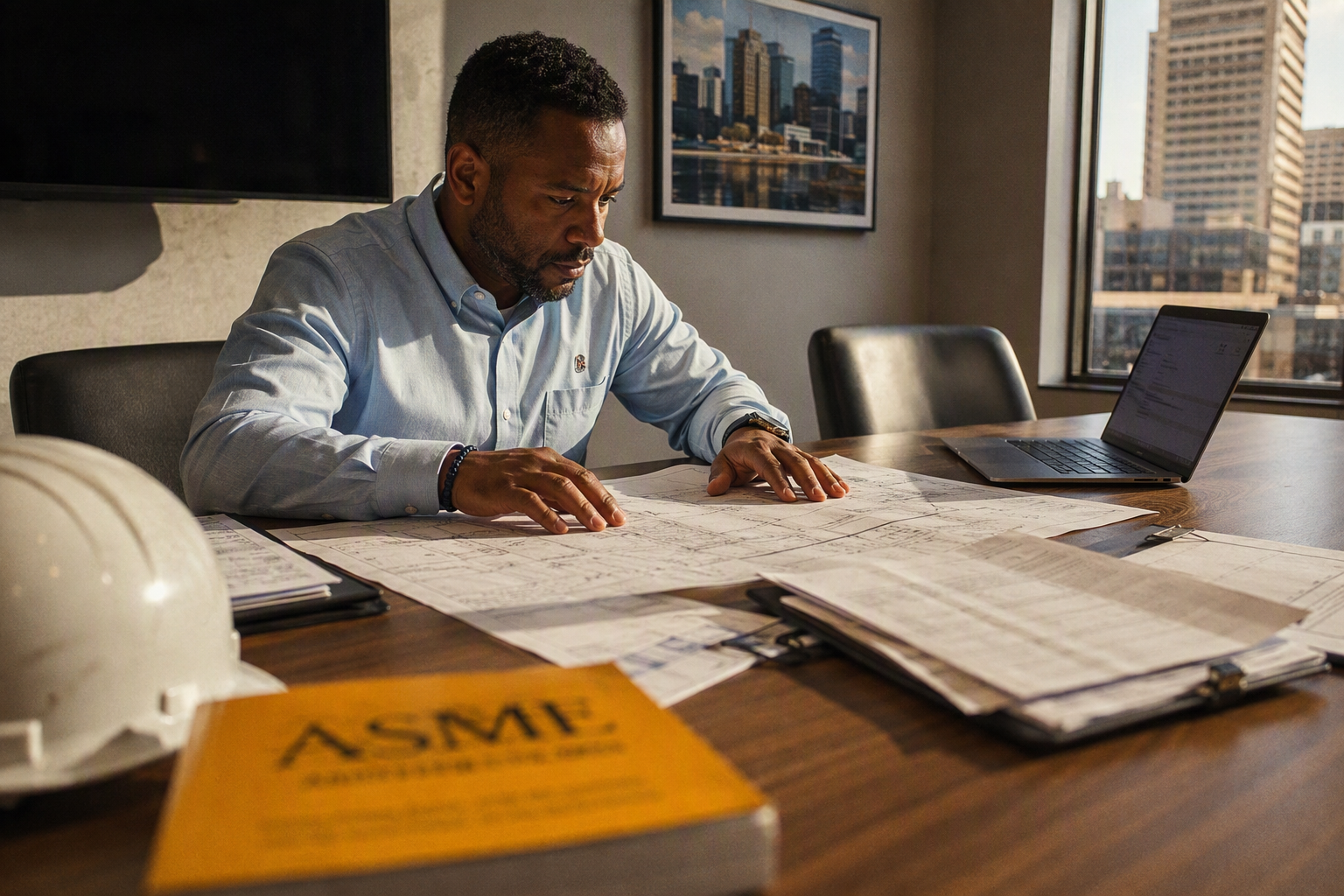
No two modernization projects are identical. The following factors most significantly influence overall project cost:
- Elevator type and age: Hydraulic, traction, and machine-room-less (MRL) systems each carry different modernization requirements and price points. Older elevators often require more extensive upgrades to meet current standards.
- Scope of work: A partial modernization — such as replacing only the controller — costs far less than a full modernization that includes the drive, cab, doors, and safety systems.
- Number of stops and travel distance: More floors and greater travel distance generally increase the complexity and material requirements of the project.
- Building accessibility and site conditions: Tight machine rooms, difficult hoistway access, or buildings with active operations during construction can increase labor time and project cost.
- Code compliance requirements: Maryland’s adoption of updated elevator safety standards may mandate specific upgrades during a modernization project, adding to the scope.
- Equipment and parts selection: The brand, quality tier, and availability of components — from controllers to cab finishes — directly affects material costs.
- Permit and inspection fees: Baltimore City and Maryland state permit requirements add administrative costs that vary by jurisdiction and project scope.
What Maryland and Baltimore Code Requirements Apply to Elevator Modernization?
Maryland elevator installations and modernizations are governed by the ASME A17.1 Safety Code for Elevators and Escalators, which Maryland has adopted as the basis for its elevator safety regulations. When a modernization project triggers code review, the work may be required to bring the elevator into conformance with the currently adopted edition of ASME A17.1, not just the edition in effect when the elevator was originally installed.
Key compliance considerations for Baltimore and Maryland property owners include:
- Seismic requirements: Depending on the scope of modernization, seismic safety upgrades may be required under ASME A17.1 provisions.
- Emergency lighting and communication: Updated code requirements specify emergency lighting duration and two-way communication systems within elevator cabs.
- Door reopening devices: Modern door safety devices, including light curtains or safety edges, are required on elevators undergoing door system modernization.
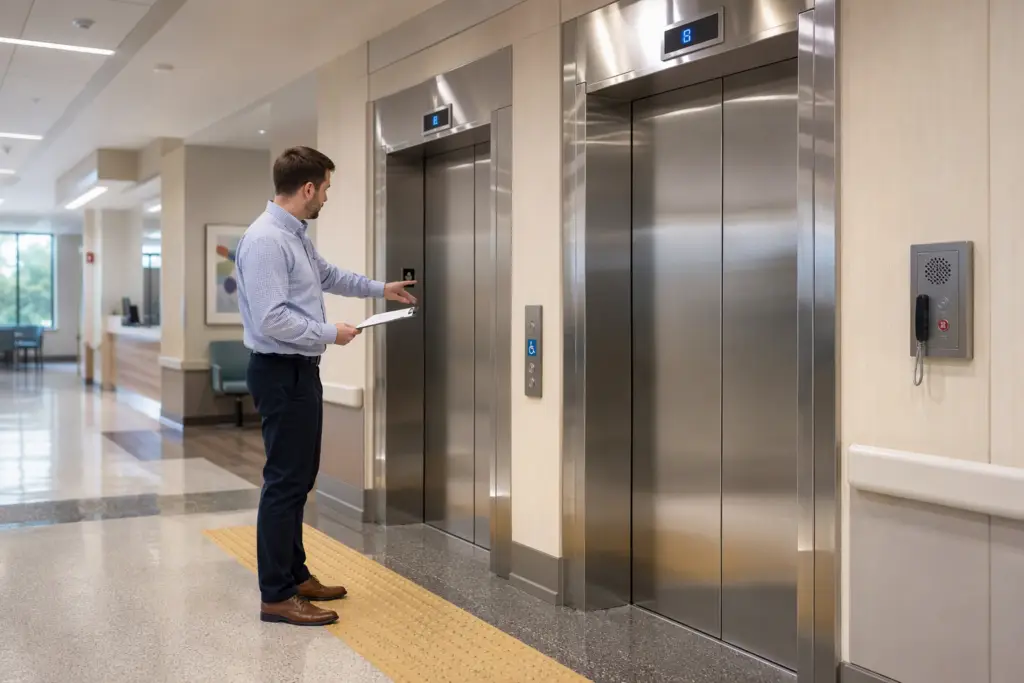
- ADA compliance: Modernization projects often present an opportunity — and in some cases an obligation — to address accessibility features consistent with Americans with Disabilities Act (ADA) standards, including cab dimensions, control panel heights, and audible signals.
- Workplace safety during installation: Contractors performing elevator modernization work must adhere to applicable OSHA standards governing construction and confined space work.
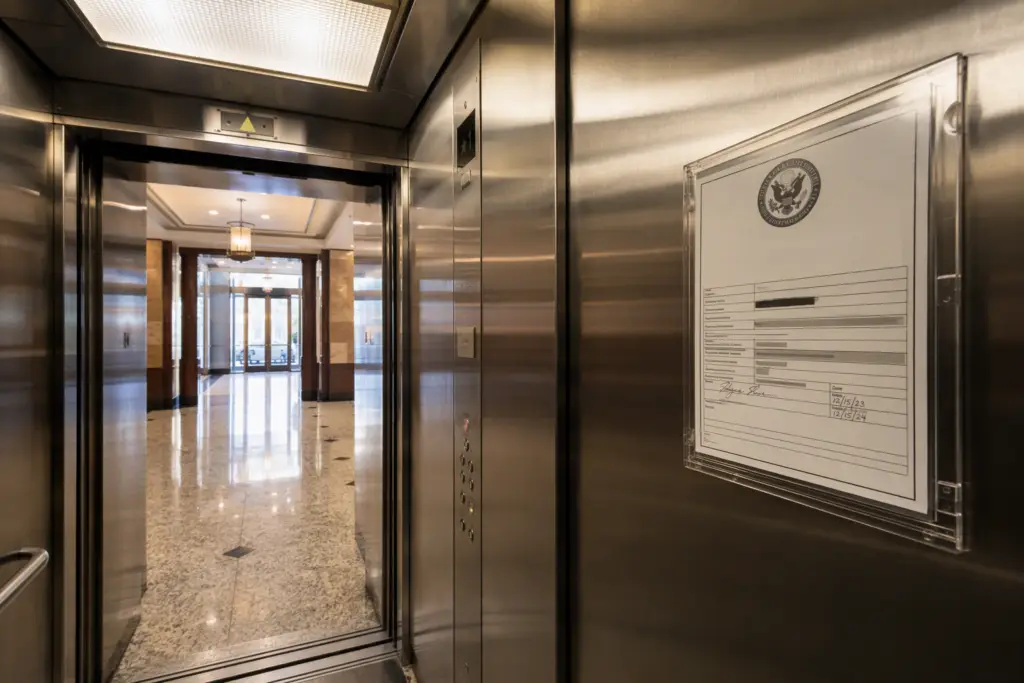
Maryland’s elevator program requires permits before modernization work begins and a state inspection upon completion. Building owners should account for permit lead times when scheduling modernization projects.
What Are the Different Levels of Elevator Modernization?
Modernization projects generally fall into three broad categories, each with a different cost profile:
- Component modernization: Targeted replacement of a single failing or outdated system — such as the controller, drive unit, or door operator — while retaining the rest of the elevator. This is the most cost-effective approach when only one system is underperforming.
- Partial modernization: Replacement of multiple major systems, such as the controller, drive, and door equipment, while retaining the cab, guide rails, and hoistway components. This approach extends useful life while managing project costs.
- Full modernization: Comprehensive replacement of all electrical, mechanical, and interior components short of the hoistway structure itself. Full modernization delivers the closest experience to a new elevator installation and is most appropriate for elevators that are significantly outdated or non-compliant.
How Does the Timeline for Elevator Modernization Affect Planning?
Modernization timelines depend on project scope, equipment lead times, permit processing in Baltimore, and building operational needs. Component replacements may be completed within days, while full modernizations can take several weeks to months. Supply chain conditions for elevator components in 2026 should be discussed directly with a qualified elevator contractor during the planning phase, as lead times for certain parts and equipment can extend project schedules significantly.
Building owners with high-traffic properties — such as healthcare facilities, hotels, and multifamily residential buildings in Baltimore — should work with their elevator service provider to develop a phased plan that minimizes disruption to building operations during construction.
How Should Building Owners Compare Elevator Modernization Vendors?
Selecting the right elevator modernization partner involves more than comparing bid prices. Consider the following when evaluating vendors in the Baltimore area:
- Familiarity with Maryland code: A contractor with direct experience navigating Maryland’s permit and inspection process can prevent costly delays.
- Manufacturer relationships: Access to quality components and the ability to service multiple equipment brands provides more flexibility in specifying the right solution.
- Warranty and post-modernization support: Understand what warranty coverage applies to both parts and labor, and whether the contractor offers ongoing maintenance after the modernization is complete.
- References and project history: Ask for examples of comparable modernization projects completed in the Baltimore region.
- Communication and project management: Clear timelines, written scopes of work, and responsive communication are indicators of a well-managed project.
What Local Markets Does Quality Elevator Company Serve in the Baltimore Area?
Quality Elevator Company provides elevator modernization services across Baltimore City and the surrounding Maryland region, including commercial office buildings, multifamily residential properties, healthcare campuses, government facilities, educational institutions, and retail centers. The company’s local knowledge of Baltimore’s building stock — including older properties with legacy elevator systems — informs the modernization recommendations provided to each client.
Emergency elevator service is available to support clients when unexpected outages occur, ensuring that building owners have a responsive partner they can contact around the clock.
What Is the First Step to Getting an Elevator Modernization Estimate in Baltimore?
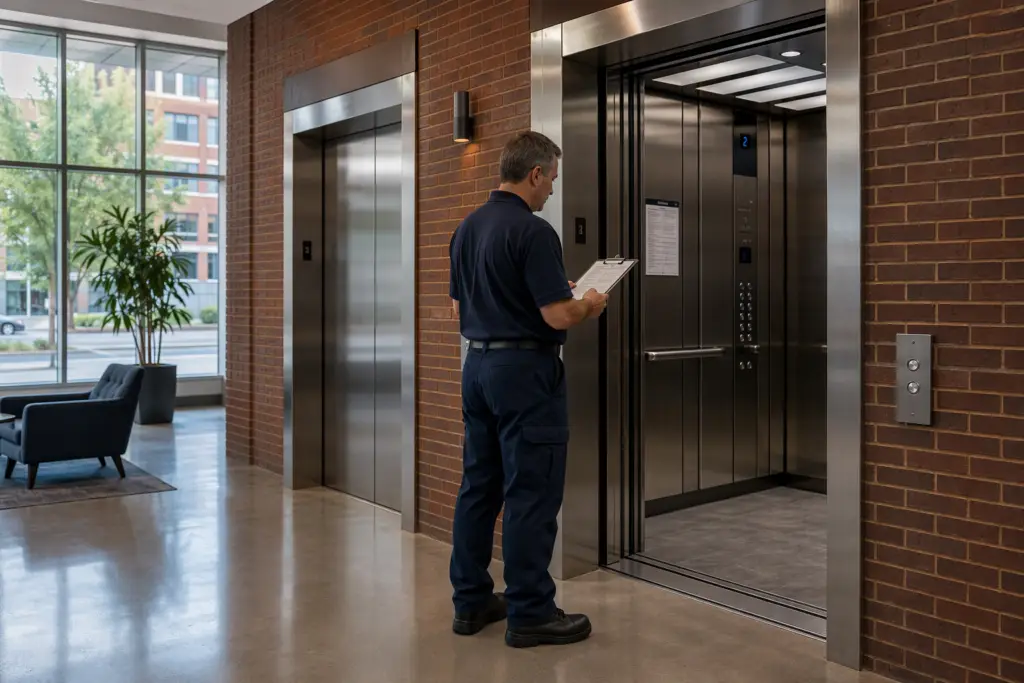
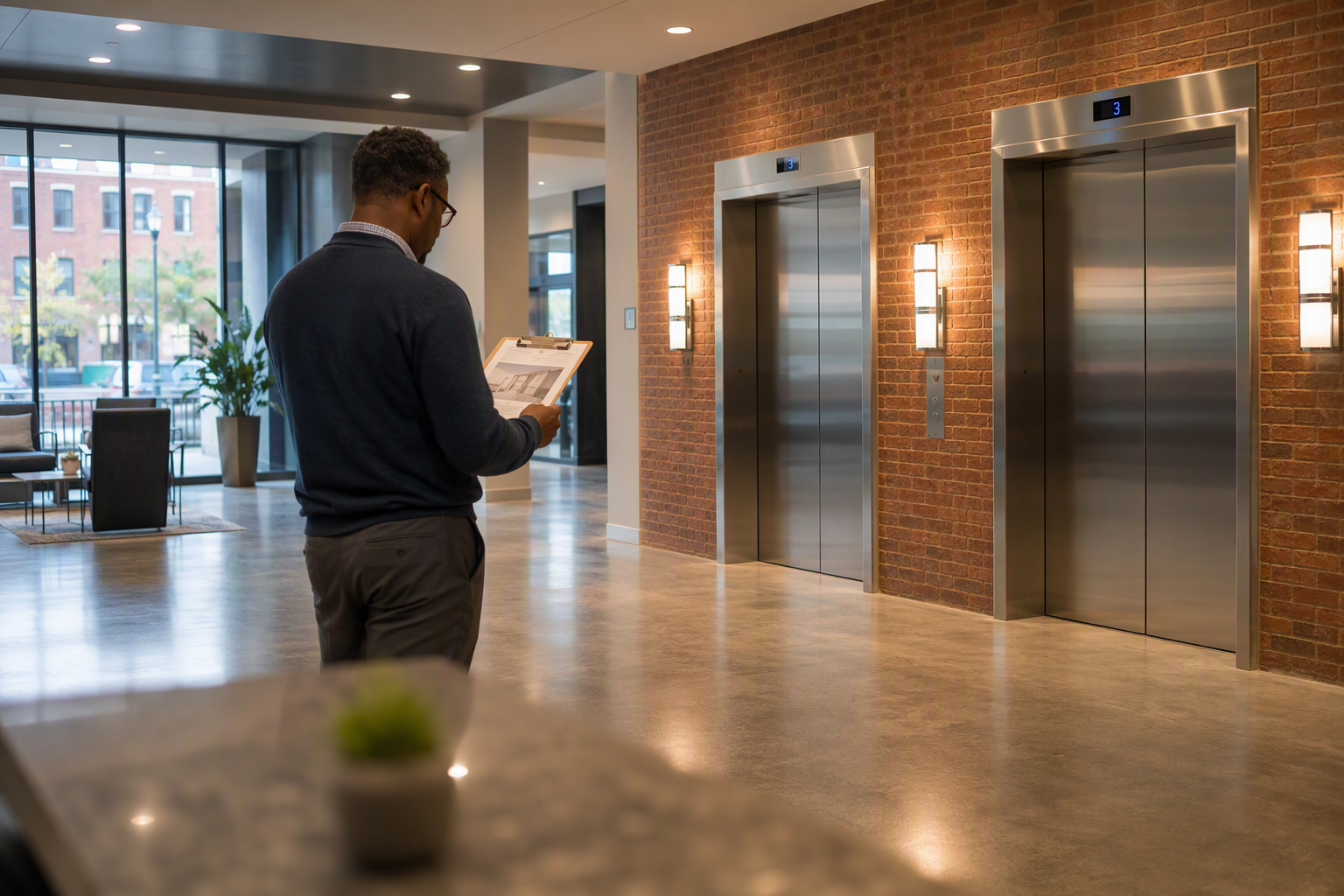
The most reliable way to determine modernization cost is through a professional on-site assessment. A qualified elevator technician will evaluate the existing equipment, identify code compliance gaps, assess the condition of mechanical and electrical components, and develop a scope of work tailored to the building’s specific needs and budget objectives. This assessment forms the basis of an accurate project estimate and helps building owners prioritize upgrades in a logical sequence.
- Contact Quality Elevator Company to schedule an on-site assessment of your elevator system.
- A qualified technician evaluates equipment age, condition, and current code compliance status.
- A written scope of work and project estimate is prepared based on findings.
- The project plan is reviewed with the building owner, with options presented for phasing or prioritizing specific upgrades.
- Permits are submitted to the appropriate Maryland and Baltimore authorities before work begins.
- Modernization work is completed and inspected per Maryland state requirements.
- Post-modernization maintenance planning is established to protect the investment.
Schedule a Free Consultation
Understanding the true cost and scope of elevator modernization begins with a conversation. Quality Elevator Company’s team serves building owners throughout Baltimore, MD with the expertise needed to navigate Maryland code requirements, evaluate existing equipment, and deliver a modernization plan that fits the building’s needs and budget.
Contact Quality Elevator Company today to schedule a free consultation and receive a detailed assessment of your elevator modernization options.
Call us at 301-779-9116 to speak with a member of the Quality Elevator Company team serving Baltimore, MD.
Need elevator service you can rely on? Quality Elevator Company is ready to help.