Elevator Industry Statistics 2025: Key Data, Trends & Compliance Figures
Whether you are a building owner, facility manager, real estate developer, or code compliance officer, understanding where the elevator industry stands in 2025 is essential for making informed capital expenditure decisions, managing risk, and planning for the regulatory landscape ahead. This authority page compiles the most credible available data, regulatory benchmarks, and qualitative trend analysis to give you a complete picture of the elevator industry today.
Quality Elevator Company applies this kind of data-driven perspective to every elevator assessment, maintenance contract, and modernization recommendation it provides to clients across its service region.
What Are the Most Important Elevator Industry Statistics for 2025?

The elevator industry touches virtually every sector of the built environment — residential, commercial, healthcare, hospitality, and government. While precise year-over-year revenue figures vary by source and methodology, several anchor statistics consistently appear across credible market analyses and regulatory bodies:
| Data Point | Figure | Source |
|---|---|---|
| Estimated U.S. elevators in operation | ~900,000+ | ASME (industry context) |
| Estimated annual elevator trips (U.S.) | ~18 billion | ASME (industry context) |
| Governing safety code (U.S.) | ASME A17.1 Safety Code for Elevators and Escalators | ASME Codes & Standards |
| ADA accessibility mandate | Title III of the Americans with Disabilities Act | ADA.gov |
| Elevator worker safety oversight | Federal OSHA standards for construction and general industry | OSHA.gov |
Note: Market revenue figures from private research firms vary widely in methodology and subscription access. Only figures attributable to publicly verifiable regulatory or standards bodies are presented in table form on this page.
How Many Elevators Are in the United States?
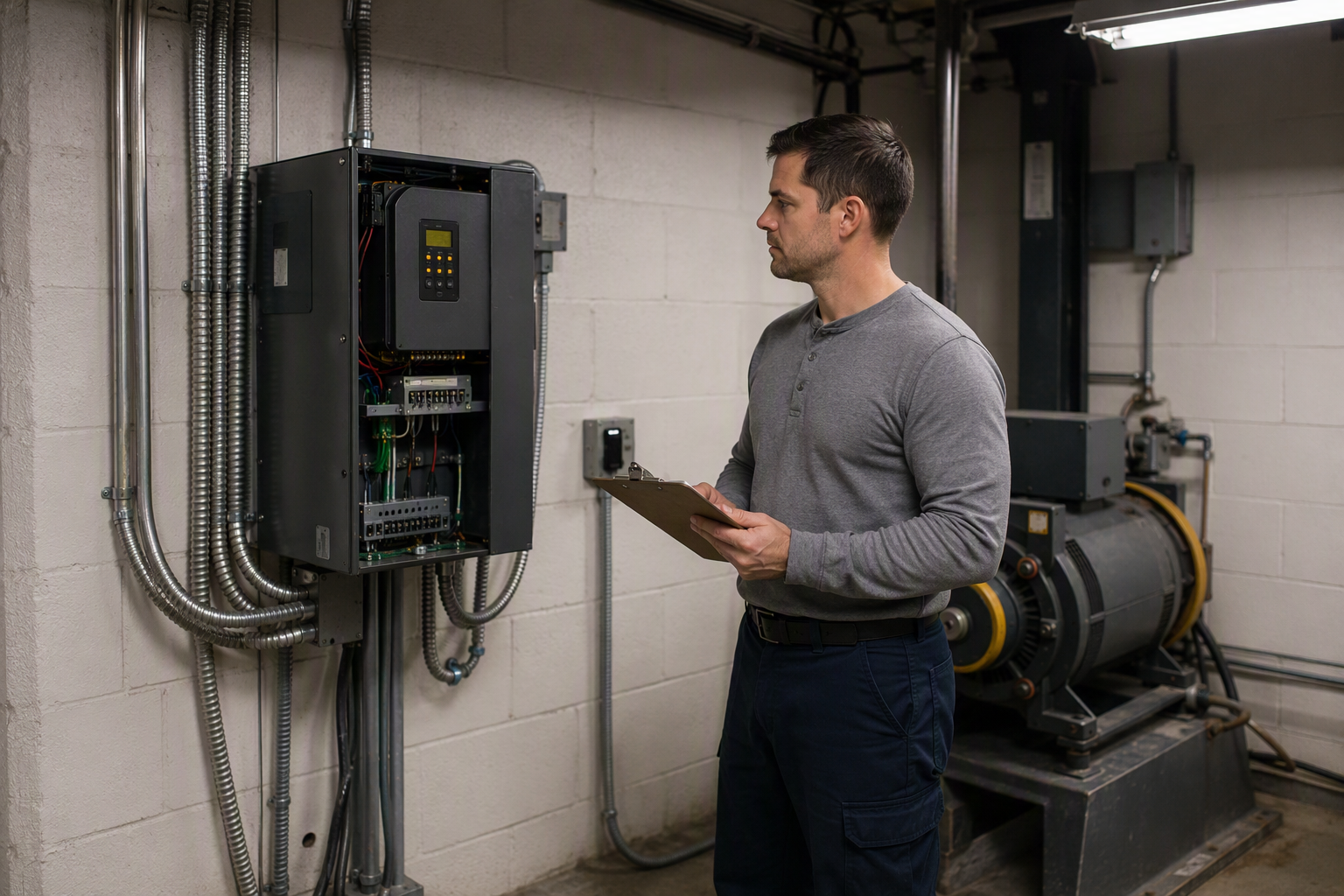
The United States hosts one of the largest installed elevator bases in the world. The figure most widely cited in regulatory and industry contexts is approximately 900,000 elevators in active service. This number encompasses traction elevators in high-rise commercial towers, hydraulic elevators in low-rise and mid-rise residential buildings, platform lifts in accessibility-driven retrofits, and freight elevators in warehouses and industrial facilities.
This scale means that elevator maintenance, inspection, and modernization represent a continuous, non-discretionary expenditure category for property owners nationwide. Unlike many building systems, elevators are subject to mandatory periodic inspections under ASME A17.1 Safety Code for Elevators and Escalators, meaning a substantial portion of industry activity is driven by code compliance rather than elective upgrades.
What Safety Code Governs Elevator Inspections in 2025?
The primary safety standard governing elevator design, installation, maintenance, and inspection in the United States is the ASME A17.1 Safety Code for Elevators and Escalators. Most states adopt ASME A17.1 by reference into their building codes, though the edition in force varies by jurisdiction. Facility managers and building owners should verify which edition their local authority having jurisdiction (AHJ) has adopted, as some jurisdictions operate on code cycles that lag the most current published edition.
Inspection intervals under ASME A17.1 are not uniform across all elevator types. The standard distinguishes between periodic inspections (which occur on a defined cycle, often annually) and periodic tests (which occur less frequently and involve more comprehensive examination of safety devices, buffers, and load-bearing components). Failure to comply with mandated inspection schedules can result in equipment shutdown orders and, in some jurisdictions, civil penalties.
Quality Elevator Company helps building owners understand which inspection category applies to their equipment and what documentation is required to demonstrate compliance to their local AHJ.
What Are ADA Requirements for Elevators in Commercial Buildings?
The Americans with Disabilities Act establishes accessibility requirements that directly affect elevator design and retrofit decisions. Under Title III of the ADA, places of public accommodation and commercial facilities are generally required to provide accessible routes, and elevators are the standard solution for vertical access in multi-story buildings.
ADA elevator requirements address a range of design elements, including:
- Minimum car dimensions to accommodate wheelchair users
- Door width and timing requirements
- Accessible control panel height and button size
- Visual and audible signals at each floor
- Braille and raised character labeling on controls
- Leveling accuracy to ensure flush alignment with floor surfaces
Buildings undergoing renovation or modernization must evaluate whether their existing elevator equipment meets current ADA standards. This is a frequent driver of modernization projects, particularly in buildings constructed before the ADA’s 1990 enactment. Quality Elevator Company assesses ADA compliance gaps as a standard component of its elevator evaluations.
What Are the Main Cost Drivers for Elevator Maintenance and Modernization?
While specific pricing varies widely based on equipment type, building height, local labor markets, and required scope of work, several factors consistently drive elevator maintenance and modernization costs:
- Equipment age and obsolescence: Older relay-logic control systems are increasingly difficult to service as replacement parts become scarce, making modernization both a reliability and a cost-efficiency decision.
- Inspection compliance gaps: Deferred maintenance that results in failed inspections requires emergency remediation, which typically costs more than proactive service.
- ADA retrofit requirements: Bringing older equipment into ADA compliance can involve cab interior modifications, control panel replacement, and leveling system upgrades.
- Energy efficiency upgrades: Modern variable-frequency drive (VFD) systems and LED cab lighting reduce operating costs over time, making them a financial consideration alongside regulatory ones.
- Labor and parts availability: Regional labor market conditions and supply chain factors affect the cost and timeline of both routine maintenance and major component replacement.
What Is Driving Elevator Industry Growth in 2025–2026?
Several structural trends are shaping elevator industry activity in 2025 and into 2026, even without citing specific revenue growth percentages that would require a subscribed market research source:
Aging infrastructure modernization: A substantial share of the U.S. elevator installed base was installed in the mid-to-late twentieth century. As this equipment ages past typical design-life thresholds, building owners face an accelerating wave of modernization decisions. This is particularly visible in urban commercial real estate, where building repositioning projects routinely include elevator upgrades as a core component of capital improvement plans.
Healthcare and senior living expansion: Growing demand for healthcare facilities and senior living communities is creating strong new-installation activity, as these building types require higher elevator-to-floor-area ratios and more specialized equipment, including bariatric-capacity cars and stretcher-accessible dimensions.
Smart building integration: Destination-dispatch systems, IoT-enabled predictive maintenance platforms, and integration with building management systems are increasingly standard expectations in Class A commercial properties. This technology adoption is driving both new installations and retrofit activity.
Code update cycles: As jurisdictions update their adopted editions of ASME A17.1, building owners in those markets face compliance timelines that create predictable demand for inspections, upgrades, and documentation services.
Workforce safety regulation: OSHA enforcement activity and state-level elevator mechanic licensing requirements continue to shape the service provider landscape, rewarding firms with robust safety programs and qualified technician pipelines.
How Often Must Elevators Be Inspected Under U.S. Code?
Inspection frequency is governed by the edition of ASME A17.1 Safety Code for Elevators and Escalators adopted by the authority having jurisdiction in a given state or municipality. The code establishes two primary inspection categories:
- Periodic Inspection: A visual and operational examination of the elevator’s major systems, typically required on an annual basis for most passenger elevator types. The inspector verifies that safety devices, door systems, machine room conditions, and emergency systems are functioning and properly documented.
- Periodic Test: A more comprehensive evaluation that includes load tests, safety device function tests, and buffer tests. These occur on longer cycles — often every one to five years depending on the specific test type and the ASME A17.1 edition in force — and must be witnessed by the AHJ or its designated inspector.
- Witnessing and Documentation: Both inspection types require proper documentation. Building owners must retain inspection certificates and make them available for AHJ review. In many jurisdictions, the current certificate must be posted inside the elevator cab.
- Category Testing (Category 1, 3, and 5): ASME A17.1 assigns specific test categories to different safety components. Category 1 tests are annual; Category 5 tests (the most comprehensive, including full-load safety tests) occur on five-year cycles for most traction elevator types. Confirm applicable categories with your AHJ and qualified elevator contractor.
What Types of Elevators Are Most Common in U.S. Buildings?
The U.S. installed base encompasses several primary elevator types, each with distinct maintenance profiles, regulatory considerations, and modernization pathways:
- Hydraulic elevators: Common in low-rise buildings (typically up to five or six stories), hydraulic systems use a piston-and-cylinder mechanism driven by a hydraulic power unit. Older single-bottom hydraulic cylinders have been subject to environmental scrutiny due to in-ground cylinder leak risk, and many jurisdictions require modernization to above-ground or PVC-encased cylinder configurations.
- Traction elevators (geared and gearless): Standard in mid-rise and high-rise applications, traction elevators use steel ropes or belts running over a sheave driven by an electric motor. Gearless traction machines are the norm in high-speed, high-rise applications. Modernization of traction systems often centers on control system upgrades and machine replacement.
- Machine-room-less (MRL) traction elevators: A growing share of new mid-rise installations use MRL configurations, which eliminate the dedicated machine room by locating the drive machine in the hoistway. These systems require specific maintenance access provisions under ASME A17.1.
- Platform lifts and vertical wheelchair lifts: Used primarily for ADA accessibility compliance in buildings where full elevator installation is not feasible, these devices are governed by ASME A18.1 Safety Standard for Platform Lifts and Stairway Chairlifts and must also meet ADA requirements where applicable.
- Freight elevators: Designed for goods transport in industrial and warehouse applications, freight elevators have distinct structural and door requirements under ASME codes and are subject to OSHA general industry standards when used in workplace settings.
What Are the Most Common Elevator Code Violations Found During Inspections?
While violation frequency varies by jurisdiction and building age, certain deficiency categories appear consistently across inspection reports and are worth understanding before scheduling a compliance inspection:
- Door safety device failures: Door reversal systems, door restrictors, and interlocks are among the most frequently cited deficiencies. These devices are critical life-safety components under ASME A17.1.
- Machine room housekeeping and access violations: Improper storage in machine rooms, inadequate lighting, and compromised fire separation are common findings, particularly in older buildings.
- Governor and safety device test overdue: Buildings that have deferred Category 3 or Category 5 tests beyond their required interval routinely receive notices of violation from AHJs.
- ADA non-compliance: Control panel height, button labeling, and leveling tolerance failures are frequently identified in buildings constructed or last modernized before current ADA standards were adopted.
- Emergency lighting and communication failures: Non-functional emergency lighting or cab communication systems are immediate life-safety concerns that typically trigger mandatory shutdown orders.
How Does OSHA Regulate Elevator Construction and Maintenance Work?
OSHA governs the safety of workers involved in elevator construction, installation, maintenance, and repair. This includes both the construction standards (29 CFR Part 1926) applicable during new installation and the general industry standards (29 CFR Part 1910) applicable during ongoing maintenance and service operations.
Key OSHA considerations for elevator work environments include lockout/tagout (LOTO) procedures for energy control, fall protection requirements in hoistways, confined space entry protocols for pit work, and electrical safety standards for machine room operations. Building owners have a responsibility to ensure that elevator contractors working in their facilities operate under compliant safety programs, and selecting a contractor with a demonstrated OSHA compliance record is an important risk management consideration.
What Should Building Owners Do If Their Elevator Fails an Inspection?
- Take the elevator out of service immediately if the AHJ issues a shutdown order or if the failed item is a life-safety deficiency. Operating a unit under a shutdown order exposes building owners to significant liability.
- Obtain the full written inspection report from the inspector and review each cited deficiency. Distinguish between items that require immediate correction and those that have a compliance deadline.
- Contact a qualified elevator contractor to assess the scope and cost of required repairs before responding to the AHJ. A contractor familiar with local code requirements can help prioritize work and identify whether a variance or extension request is appropriate.
- Schedule remediation work promptly and confirm that the contractor will provide documentation (work orders, parts certifications, test results) needed to satisfy the AHJ’s re-inspection requirements.
- Request a re-inspection from the AHJ or its designated inspection agency once remediation is complete. Do not return the elevator to service before receiving written clearance.
- Update your maintenance records to reflect the repairs performed and implement a proactive maintenance schedule to reduce the likelihood of future violations.
How Do Elevator Modernization Projects Typically Progress?
Modernization timelines and scope vary based on equipment type, building occupancy, and the extent of upgrades required, but the general sequence follows a consistent pattern:
- Assessment and scope development: A qualified elevator consultant or contractor conducts a condition assessment, identifying code compliance gaps, component age and condition, and operational performance issues. This produces a modernization scope document.
- Permit application: Most jurisdictions require building permits for elevator modernization work. The permit application typically requires engineered drawings and equipment specifications.
- Equipment procurement: Lead times for major components (controllers, machines, cab finishes) can range from several weeks to several months depending on supply chain conditions. Procurement is often initiated before demolition begins.
- Construction and installation: Depending on scope, modernization may be performed with the elevator out of service for a continuous period, or phased to minimize disruption in multi-unit buildings.
- Inspection and acceptance testing: Upon completion, the AHJ or its inspector conducts acceptance testing per the applicable edition of ASME A17.1 before the elevator is returned to service.
- Certificate issuance: A new operating permit or certificate of inspection is issued, and the documentation is posted in the elevator cab as required by the jurisdiction.
What Role Does Predictive Maintenance Play in the 2025 Elevator Industry?
Predictive maintenance — using real-time sensor data and analytics to anticipate component failures before they occur — is one of the most significant operational shifts in the elevator industry heading into 2025 and 2026. Rather than relying solely on scheduled maintenance visits, connected elevator systems can monitor door performance, motor temperature, vibration signatures, and leveling accuracy continuously, flagging anomalies that indicate developing problems.
For building owners, this shift carries both opportunity and obligation. The opportunity lies in reducing unplanned downtime, extending component life, and generating data that supports capital planning conversations. The obligation involves understanding what data the connected system collects, who has access to it, and how it integrates with the broader building management ecosystem.
Quality Elevator Company incorporates assessment of modernization readiness — including connectivity and predictive maintenance capability — into its evaluation process for clients considering equipment upgrades.
How Does Building Type Affect Elevator Requirements and Costs?
Elevator requirements differ meaningfully across building categories, which affects both the regulatory framework and the practical cost structure:
- High-rise commercial office: Typically requires gearless traction systems, destination dispatch, and full ADA compliance. High utilization rates make maintenance frequency and response capability critical factors in contractor selection.
- Low-rise multifamily residential: Often served by hydraulic systems with lower utilization cycles. Older hydraulic units in this category are a primary modernization target due to environmental regulations around underground cylinders.
- Healthcare facilities: Subject to both standard elevator codes and healthcare-specific operational requirements, including infection control considerations for cab materials, oversized car dimensions for stretcher and bed transport, and emergency power provisions.
- Industrial and warehouse: Freight elevator requirements under ASME A17.1 and OSHA general industry standards create a distinct compliance framework from passenger elevator categories.
- Historic buildings: Retrofit installations in historic structures must navigate both elevator code requirements and preservation constraints, often requiring custom engineering solutions and AHJ coordination.
How Should Building Owners Evaluate an Elevator Service Provider?
Selecting an elevator maintenance and modernization contractor is a consequential decision with long-term implications for safety, compliance, and building value. Key evaluation criteria include:
- Code knowledge: The contractor should demonstrate familiarity with the edition of ASME A17.1 adopted in the local jurisdiction and the specific requirements of the AHJ.
- Documentation practices: A professional contractor maintains detailed service records, provides written reports after each maintenance visit, and assists with inspection preparation and AHJ correspondence.
- Safety culture: Verify that the contractor operates under a formal safety program consistent with OSHA requirements and that workers are appropriately trained for the work being performed.
- ADA compliance expertise: Given the frequency of ADA-related deficiencies, the contractor should be able to assess accessibility compliance and recommend appropriate remediation.
- Transparency in scope and pricing: A reputable contractor provides written proposals with clearly defined scope, parts specifications, and warranty terms — without undisclosed exclusions that inflate final costs.
Quality Elevator Company approaches every client relationship with this standard of transparency, providing detailed assessments that give building owners the information they need to make confident decisions.
Summary: What the Elevator Industry Statistics for 2025 Tell Us
The elevator industry in 2025 is defined by scale, regulatory complexity, and accelerating technology adoption. With more than 900,000 units in service across the U.S., the installed base represents a massive ongoing demand for maintenance, inspection, and modernization services. The regulatory framework — anchored by ASME A17.1, ADA accessibility standards, and OSHA worker safety requirements — creates non-discretionary compliance obligations that drive consistent industry activity regardless of broader economic cycles.
For building owners and facility managers, the actionable implication of these statistics is straightforward: elevator compliance is not a one-time event but a continuous program requiring qualified partners, proactive planning, and accurate documentation. Organizations that treat elevator maintenance as a strategic asset — rather than a reactive expense — consistently achieve better safety outcomes, lower total lifecycle costs, and fewer regulatory disruptions.
Quality Elevator Company is positioned as a data-informed service provider that brings this analytical rigor to every client engagement, from single-unit residential assessments to multi-building commercial portfolios.
Get a Free Elevator Assessment from Quality Elevator Company
Understanding the elevator industry landscape is the first step — the second is knowing exactly where your equipment stands. Quality Elevator Company provides comprehensive elevator assessments that evaluate code compliance, ADA accessibility, mechanical condition, and modernization readiness.
Contact Quality Elevator Company for a free elevator assessment: 301-307-5363
Need elevator service you can rely on? Quality Elevator Company is ready to help.