Elevator Service in Baltimore, MD | Quality Elevator Company
Deciding between elevator modernization and full replacement is one of the most consequential capital decisions a Baltimore building owner or property manager will make. The right choice depends on equipment condition, Maryland regulatory requirements, building use, budget cycles, and long-term operational goals. Quality Elevator Company provides certified elevator services across Baltimore, MD, guiding owners through every stage of this evaluation.
What Is the Difference Between Elevator Modernization and Full Replacement?
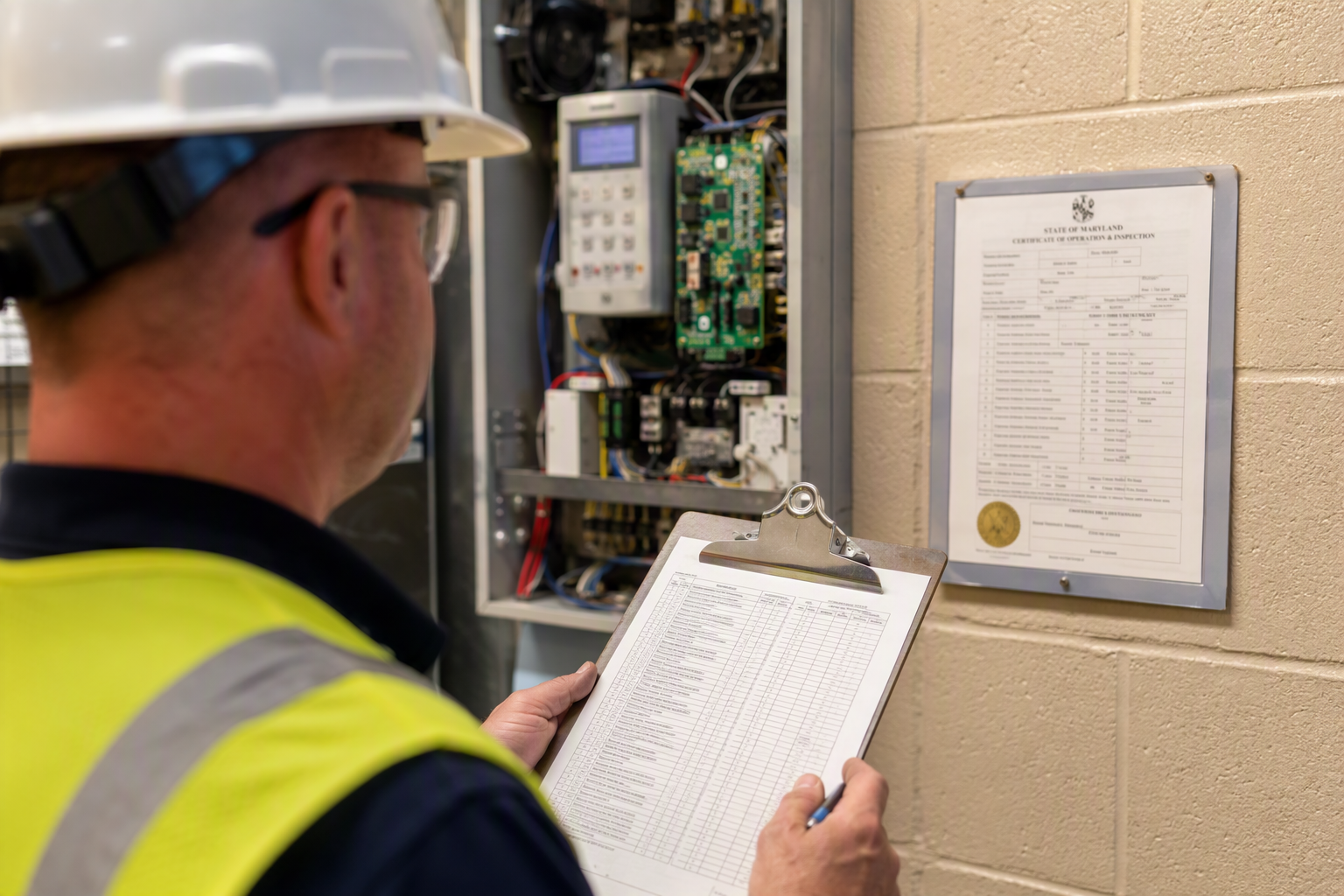
Elevator modernization — sometimes called a retrofit or upgrade — involves replacing specific components of an existing elevator system while retaining the hoistway, machine room (where applicable), and structural cab frame. Typical modernization scopes include new digital controls and microprocessor systems, updated door operators and safety edges, modernized drive systems, upgraded lighting and cab interiors, and compliance-driven safety additions.
Full replacement, by contrast, involves removing the entire elevator system — including the cab, guide rails, hoistway equipment, and mechanical infrastructure — and installing a new unit from the ground up. This approach is appropriate when structural wear is extensive, when the existing layout no longer meets the building’s vertical transportation needs, or when a new elevator technology (such as a machine-room-less hydraulic or traction system) is being introduced.
In Baltimore, both paths must result in a system that complies with Maryland’s adopted elevator safety standards, enforced through the ASME A17.1 Safety Code for Elevators and Escalators. Maryland requires periodic inspections and certificates of operation — any modernization or replacement project triggers a compliance review before the elevator is returned to service.
What Maryland and Baltimore Elevator Code Requirements Apply in 2026?
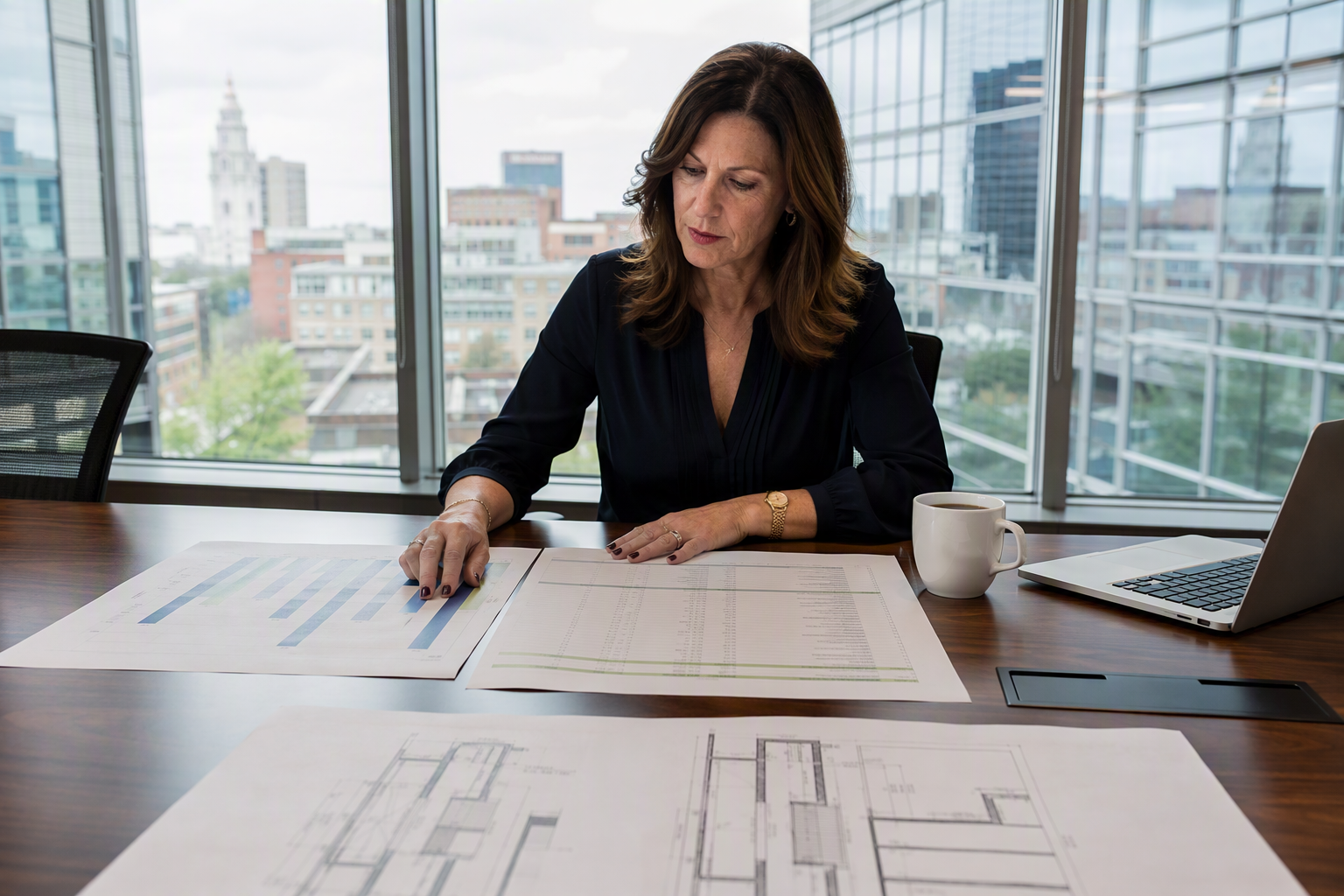
Maryland’s elevator safety program operates under state law and references ASME A17.1 as the foundational technical standard. Key compliance points Baltimore building owners must understand include:
- Mandatory inspections: Elevators in Maryland must pass routine inspections by a licensed elevator inspector. Both modernization projects and full replacements require a new inspection and certificate before resuming passenger service.
- Firefighters’ emergency operation: Maryland-adopted ASME A17.1 provisions require Phase I and Phase II firefighters’ emergency operation features — a common modernization trigger for older Baltimore buildings.
- Seismic and structural standards: While Maryland is not a high-seismic zone, applicable ASME provisions for lateral loads still apply during full replacement projects.
- Accessibility compliance: Any alteration that constitutes a “major alteration” under applicable rules may trigger ADA (Americans with Disabilities Act) requirements for cab dimensions, control panel heights, door timing, and audible/visual signals.
- Machine room and pit requirements: Maryland inspectors evaluate machine room ventilation, pit depth, clearances, and lighting during any substantial modernization or replacement project.
Quality Elevator Company stays current with Maryland’s adopted edition of ASME A17.1 and coordinates directly with state-licensed inspectors to ensure Baltimore properties receive a certificate of operation without delays.
How Do You Decide Whether to Modernize or Replace an Elevator?
Several factors guide the modernization-versus-replacement decision for Baltimore buildings:
- Age and condition of the hoistway structure: If guide rails, buffers, and the hoistway enclosure are structurally sound, modernization preserves that investment. Severe corrosion, settling, or out-of-tolerance dimensions typically point toward replacement.
- Control system obsolescence: Relay-logic control panels are increasingly difficult to service because replacement parts are no longer manufactured. Upgrading to a microprocessor-based control system is a common and cost-effective modernization scope.
- Frequency and cost of repairs: An elevator requiring repeated emergency service calls signals accelerating component failure — a pattern that often makes a full scope of work more economical over a five-to-ten-year horizon than piecemeal repairs.
- Energy consumption: Older hydraulic units and DC motor-driven systems consume significantly more power than modern variable-voltage, variable-frequency (VVVF) drive systems. A drive modernization delivers measurable energy savings over time.
- Building repositioning: Historic Baltimore buildings being converted to mixed-use or high-end residential may require a full replacement to deliver the ride quality, speed, and cab aesthetics the new tenant profile demands.
- Downtime tolerance: Full replacement typically requires longer out-of-service periods than a phased modernization. Buildings with a single elevator or high occupancy — common in Baltimore’s Inner Harbor office towers and Fell’s Point multifamily stock — must weigh passenger inconvenience carefully.
What Does an Elevator Modernization Project Typically Include?
A comprehensive modernization in Baltimore generally addresses the following subsystems, though specific scope varies by equipment age and condition:
- Microprocessor-based controller and dispatch system
- Variable-voltage, variable-frequency drive for traction units or updated power unit for hydraulic units
- New door operators, rollers, tracks, and safety edges
- Updated traveling cable and wiring harnesses
- Cab interior renovation — panels, flooring, lighting, and handrails
- Hall fixtures, call buttons, and digital floor indicators
- Firefighters’ emergency operation upgrades to current ASME A17.1 standards
- Pit and machine room safety improvements as required by Maryland inspection
How Long Does Elevator Modernization or Replacement Take in Baltimore?
Project timelines vary based on equipment type, the scope of work, parts lead times, and permit and inspection scheduling with Maryland authorities. A focused controls-and-door modernization on a standard commercial elevator is generally a shorter engagement than a full cab and mechanical overhaul. Full replacement projects — which involve equipment removal, new equipment fabrication or procurement, installation, and final inspection — typically require a longer out-of-service window. Quality Elevator Company works with Baltimore property managers to sequence work during lower-traffic periods where possible and to establish realistic schedules before contracts are signed.
What Should Baltimore Building Owners Do Before Choosing a Vendor?
- Obtain a documented condition assessment. A qualified elevator contractor should inspect the hoistway, pit, machine room, drive, controls, and door systems and provide a written report identifying deficiencies before any scope is proposed.
- Review your maintenance history. Compile records of repair calls, parts replaced, and inspection findings over the past several years. This data informs whether recurring failures are isolated or systemic.
- Confirm Maryland licensure. Verify that any company bidding the work holds the required Maryland elevator contractor license and employs mechanics who are qualified under applicable state requirements.
- Compare specifications, not just totals. Ensure competing bids reference the same brand of controller, door operator, and drive so comparisons are meaningful.
- Ask about parts availability and proprietary lock-in. Some control systems create long-term dependency on a single vendor for parts and service. Discuss open-architecture options with each bidder.
- Clarify inspection coordination. Confirm that the contractor will manage Maryland inspection scheduling, permit applications, and final certificate processing.
- Evaluate emergency service access. Baltimore buildings need ongoing coverage after any modernization or replacement. Understand how each vendor handles after-hours service calls.
Does ADA Compliance Apply to Elevator Modernization in Baltimore?
Yes. Under the Americans with Disabilities Act, alterations to existing elevators may trigger accessibility requirements depending on the scope. Baltimore commercial and multifamily properties should evaluate whether a proposed modernization constitutes an alteration that requires updated cab dimensions, lower control panel reach ranges, audible floor announcements, Braille and tactile signage, and door timing adjustments. Quality Elevator Company incorporates ADA review into its modernization assessments so Baltimore clients avoid compliance exposure after project completion.
Why Do Baltimore Property Owners Choose Quality Elevator Company?
Quality Elevator Company serves Baltimore’s diverse vertical transportation market — including Class A office buildings in the Central Business District, historic rowhouse conversions in neighborhoods such as Mount Vernon and Federal Hill, healthcare facilities, government buildings, and industrial properties across the Baltimore metro area. The company’s local presence means familiarity with Baltimore’s building stock, relationships with Maryland’s inspection community, and responsiveness when owners need answers quickly.
For after-hours situations — equipment malfunctions, entrapments, or safety alerts — Quality Elevator Company maintains emergency service availability for Baltimore customers. Building managers can reach the company directly to discuss the scope and urgency of any situation.
Quality Elevator Company’s approach to modernization and replacement projects emphasizes transparent condition assessments, specifications written to avoid proprietary lock-in where possible, and coordination through Maryland’s inspection and permitting process from start to certificate of operation.
How Can Baltimore Building Owners Get Started?
The most important first step is a no-obligation consultation and equipment assessment. Quality Elevator Company reviews current equipment condition, Maryland code compliance status, building use requirements, and budget parameters — then presents options that allow the building owner to make an informed decision between modernization and full replacement.
To schedule a free consultation with Quality Elevator Company in Baltimore, MD, call 301-307-5363. A member of the Quality Elevator team will discuss your building’s needs and arrange an on-site evaluation at your convenience.
Schedule a Free Consultation
Quality Elevator Company serves Baltimore, MD and the surrounding region. Whether you are evaluating elevator modernization, planning a full replacement, or need a Maryland compliance assessment, contact the Quality Elevator team today.
Call: 301-307-5363
Need elevator service you can rely on? Quality Elevator Company is ready to help.