Direct Answer: For ADA elevator requirements in buildings, contact your state or local building department, a licensed elevator contractor familiar with accessibility codes, and consult the ADA.gov official guidance — all three parties play distinct roles in ensuring your building meets federal accessibility law.
Navigating ADA elevator compliance can feel overwhelming for building owners, property managers, facility directors, and developers. The Americans with Disabilities Act establishes federal accessibility requirements, but enforcement, inspection, and technical guidance flow through multiple channels — from federal agencies to state offices to certified elevator contractors. This page identifies exactly who to contact, what each party is responsible for, and how to move from question to compliant installation or upgrade.
What Is the ADA and Why Does It Apply to Elevators?
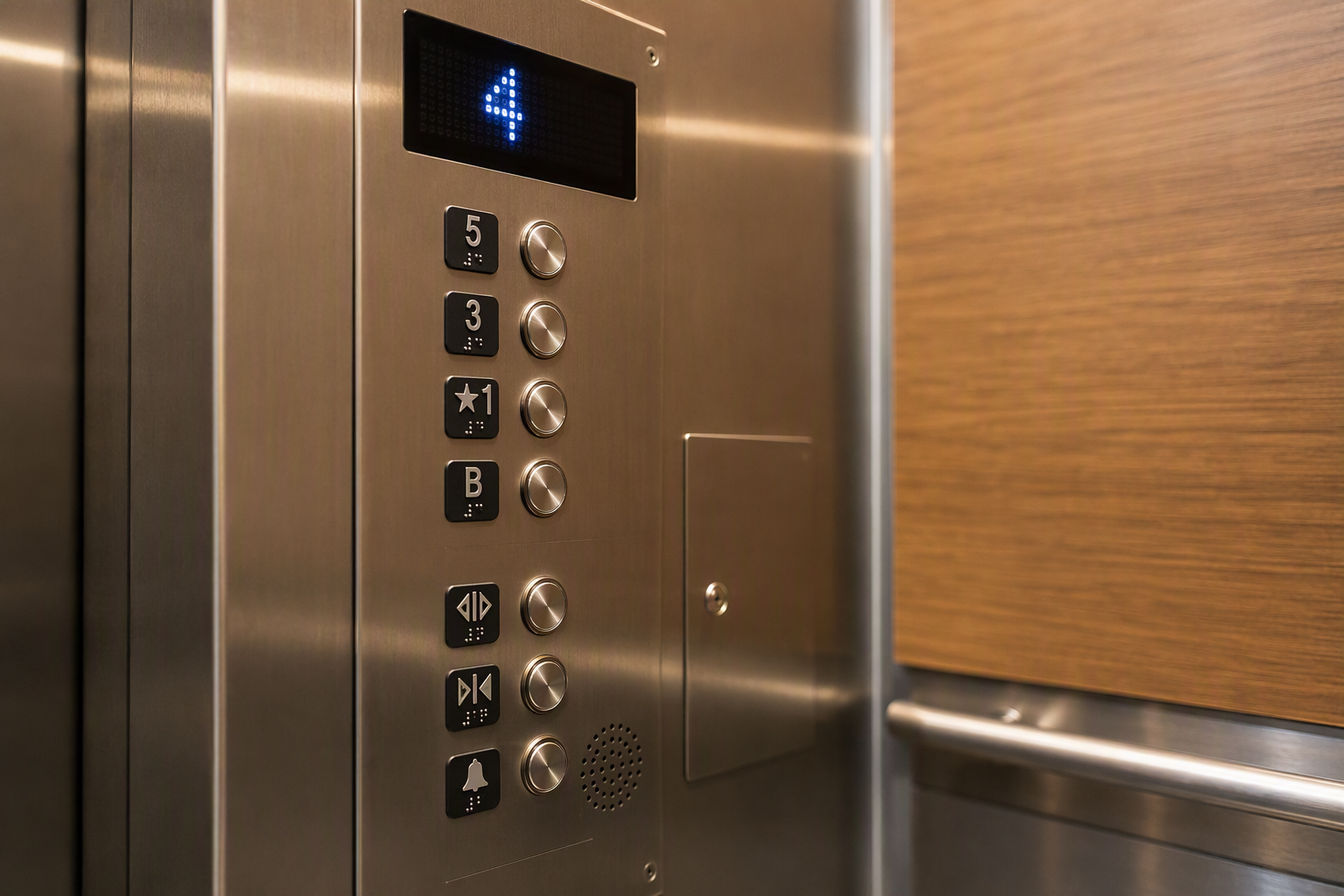
The Americans with Disabilities Act (ADA) is a federal civil rights law that prohibits discrimination against individuals with disabilities. Title III of the ADA applies to places of public accommodation and commercial facilities, requiring that newly constructed or altered facilities be accessible to people with disabilities. Elevators are a primary means by which multi-story buildings achieve vertical accessibility, and the ADA sets out specific design and operational standards that elevators must meet.
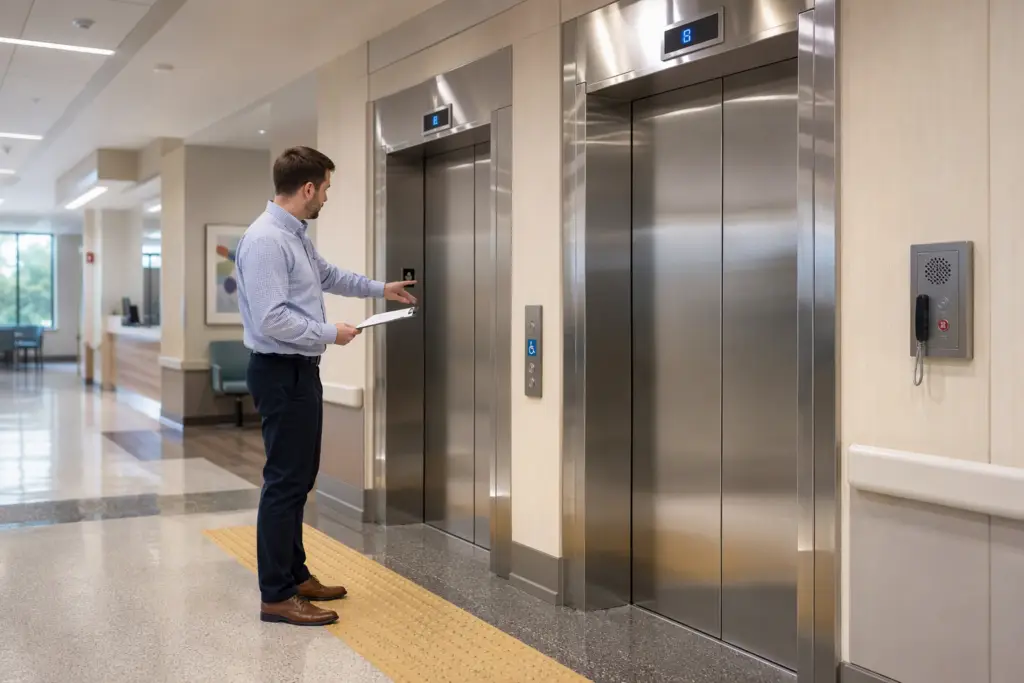
The ADA Standards for Accessible Design — adopted and maintained through the ADA.gov — specify requirements for elevator cab dimensions, door clearances, control panel heights, floor indicators, handrails, and emergency communication systems. These are not optional guidelines; they carry the force of federal law for covered facilities.
Who Are the Primary Contacts for ADA Elevator Compliance?
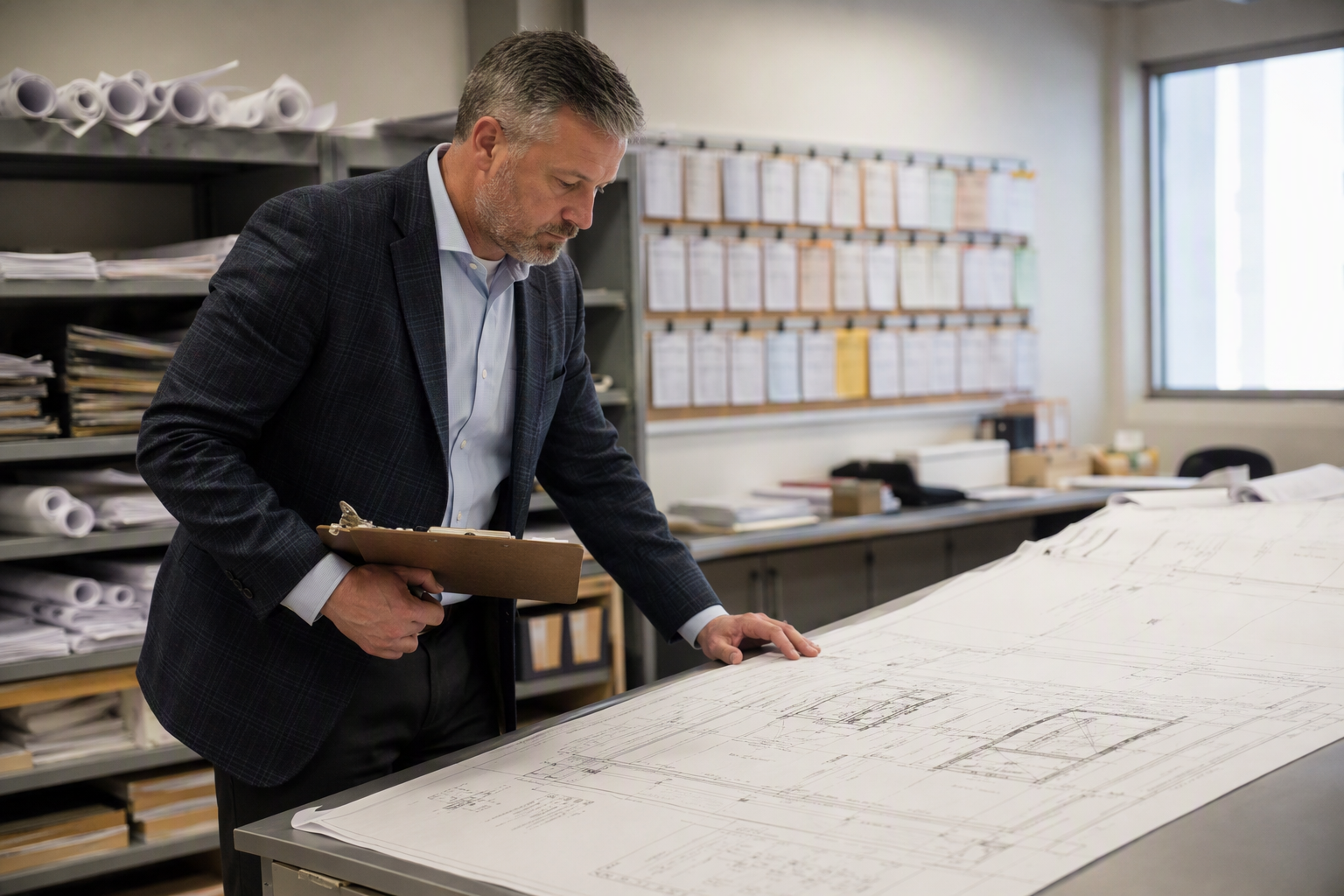
There is no single point of contact for ADA elevator requirements. Compliance involves a network of authorities, each with a specific role:
- The U.S. Department of Justice (DOJ): The DOJ enforces the ADA at the federal level and publishes the ADA Standards for Accessible Design. Their official resource hub at ADA.gov offers technical assistance documents, guidance publications, and complaint mechanisms.
- State and Local Building Departments: These offices issue building permits and enforce adopted accessibility codes locally. Most states adopt the ADA Standards alongside their own building codes, and local plan reviewers and inspectors verify compliance during construction or renovation projects.
- Licensed Elevator Contractors and Companies: A qualified elevator contractor interprets ADA requirements in the context of your specific building, designs compliant equipment, performs the installation or modification, and coordinates with inspectors. Quality Elevator Company provides this technical guidance as part of a comprehensive compliance assessment.
- Certified Elevator Inspectors: After installation or alteration, a certified elevator inspector — often required by the state authority having jurisdiction (AHJ) — verifies that the elevator meets applicable codes, including ADA accessibility standards integrated into those codes.
- The Access Board (U.S. Architectural and Transportation Barriers Compliance Board): This independent federal agency develops and maintains accessibility guidelines. While it does not enforce the ADA directly, it publishes technical guidance on accessible design that the DOJ adopts as enforceable standards.
- OSHA (for workplace elevators): OSHA has jurisdiction over elevators in workplace settings, particularly regarding employee safety. OSHA standards may layer on top of ADA requirements for certain facilities.
What Are the Core ADA Elevator Technical Requirements?
The ADA Standards for Accessible Design specify technical requirements across several elevator elements. These include, but are not limited to:
- Cab dimensions: The ADA Standards set minimum inside clear floor dimensions to accommodate wheelchair users and their companions.
- Door clear width: Elevator doors must provide a minimum clear opening width adequate for wheelchair passage.
- Control panel reach ranges: Controls must be mounted within accessible reach ranges so that a person using a wheelchair can operate them independently.
- Floor indicators and signage: Visual and audible floor indicators are required so that individuals with visual impairments know which floor the elevator has reached.
- Emergency communication: A two-way communication system with both visual and audible components must be provided so that individuals with hearing or speech impairments can summon assistance.
- Leveling: The elevator must level accurately with each floor to eliminate gaps that could be hazardous for wheelchair users.
These requirements interact with the ASME A17.1 Safety Code for Elevators and Escalators, the primary safety standard that most state authorities adopt. An elevator that meets ASME A17.1 and is designed in accordance with ADA Standards will generally satisfy both safety and accessibility obligations — but a contractor must verify compliance with the specific edition adopted in your jurisdiction.
What Types of Buildings Must Have Accessible Elevators Under the ADA?
The ADA includes an “elevator exception” for certain smaller buildings, which is one of the most commonly misunderstood provisions. Under the ADA Standards, new construction of private facilities that are less than three stories or have fewer than 3,000 square feet per story are generally not required to provide elevators — unless the building is a shopping center, shopping mall, or the professional office of a health care provider, or a transportation facility, or a terminal, depot, or other station used for specified public transportation.
Buildings that fall outside the elevator exception — including multi-story office buildings, hotels, retail centers, government facilities, and educational institutions — must provide accessible vertical access. Additionally, when an existing building undergoes alterations, the altered areas must be made accessible to the maximum extent feasible, which can trigger elevator requirements that did not apply to the original structure.
State and local codes may be stricter than federal ADA minimums. Building departments in your jurisdiction are the authoritative source for which requirements apply to your specific project.
How Do I Determine Which ADA Elevator Requirements Apply to My Specific Building?
- Identify your building type and use: Determine whether your building is a place of public accommodation, a commercial facility, or a government facility — each category has specific ADA obligations.
- Check your building’s construction date: Buildings constructed after January 26, 1993, were subject to full ADA new construction requirements. Older buildings are covered by the ADA’s barrier removal obligations for existing facilities.
- Contact your local building department: Ask which edition of the ADA Standards and which edition of the state building code have been locally adopted. Request guidance on whether your project triggers elevator requirements.
- Consult ADA.gov technical assistance: The ADA.gov website offers free technical assistance and has an ADA Information Line for direct questions.
- Engage a qualified elevator contractor: A contractor experienced in ADA compliance — such as Quality Elevator Company — can perform a building assessment, identify gaps between your current elevator configuration and ADA requirements, and outline the scope of work needed to achieve compliance.
- Obtain required permits: Before any elevator installation or modification, secure the necessary building permits from your local authority.
- Schedule post-completion inspection: Arrange for the certified elevator inspector required by your jurisdiction to verify that the completed work meets all applicable standards.
What Is the Role of ASME Standards Alongside ADA Requirements?
The ASME A17.1 Safety Code for Elevators and Escalators governs the mechanical, structural, and operational safety of elevator equipment. Most state authorities having jurisdiction adopt ASME A17.1 by reference, making it the baseline safety standard for elevators in the majority of U.S. states. The ADA Standards address accessibility — cab size, control placement, signage, emergency communication — while ASME A17.1 addresses equipment safety, door operation, speed, and mechanical performance.
In practice, a compliant elevator must satisfy both frameworks simultaneously. For example, ASME A17.1 specifies door reopening device requirements for obstruction detection, while the ADA Standards specify the minimum door clear width that must be maintained when the door opens. An elevator contractor must be fluent in both sets of requirements and must coordinate with the local AHJ to confirm which editions govern the project.
What Should I Ask a Contractor When Getting an ADA Elevator Assessment?
When engaging a contractor for an ADA elevator compliance review, the following questions help evaluate their qualifications and the thoroughness of their assessment:
- Which edition of the ADA Standards and ASME A17.1 has been adopted in this jurisdiction, and how does your assessment reference those editions?
- Does my building qualify for the ADA elevator exception, and how do you determine that?
- Will you coordinate with the local building department and authority having jurisdiction throughout the project?
- What documentation will you provide to demonstrate that the completed installation or modification meets ADA and state code requirements?
- Who performs the post-installation inspection, and how is the inspection coordinated?
- If my existing elevator needs modifications rather than full replacement, what specific alterations are required to achieve ADA compliance?
Quality Elevator Company approaches these assessments as a data-driven process, reviewing current code editions, building documentation, and site conditions before recommending a compliance pathway.
Are There ADA Elevator Requirements Specific to Existing Buildings?
Yes. The ADA distinguishes between new construction, alterations, and existing facilities. For existing places of public accommodation, the law requires the removal of architectural barriers — including non-accessible elevators — where doing so is “readily achievable,” meaning accomplishable without much difficulty or expense. The readily achievable standard is evaluated based on the resources available to the business or property owner.
When a building undergoes alterations — such as a renovation that affects a floor served by an elevator — the path of travel to the altered area, including the elevator, must be made accessible to the maximum extent feasible. This is a stricter obligation than the readily achievable standard and can require significant elevator upgrades even in older buildings.
Building owners uncertain about their obligations for existing facilities should consult ADA.gov guidance on existing facilities and engage both legal counsel and a qualified elevator contractor to assess the scope of required work.
What Happens If a Building Does Not Comply With ADA Elevator Requirements?
Non-compliance with the ADA exposes building owners and operators to federal enforcement actions and private lawsuits. The DOJ can investigate complaints and pursue civil penalties. Private individuals who encounter barriers in a place of public accommodation may file complaints with the DOJ or bring lawsuits seeking injunctive relief — meaning a court order requiring the barrier to be removed — as well as attorney’s fees. For government facilities covered by Title II of the ADA, the consequences of non-compliance are similarly serious.
Beyond legal exposure, inaccessible elevators exclude a significant portion of the public — including individuals with mobility impairments, parents with strollers, and people with temporary injuries — from full participation in the services and spaces a building offers. Proactive compliance is both a legal obligation and a matter of inclusive business practice.
What Are the 2025–2026 Trends in ADA Elevator Compliance?
The elevator compliance landscape is evolving in several meaningful ways heading into 2025 and 2026:
- Increased enforcement attention: Federal and state authorities have signaled continued prioritization of accessibility enforcement, particularly in commercial real estate, healthcare facilities, and transportation hubs. Building owners are advised to conduct proactive accessibility audits rather than waiting for complaints.
- Modernization triggering compliance reviews: Aging elevator systems are being modernized across the country, and modernization projects often trigger a full review of ADA compliance. Owners who modernize an elevator may be required to bring the entire installation into compliance with current standards.
- Integration of smart technology: Destination dispatch systems, touchless controls, and voice-activated elevator interfaces are becoming more common. These technologies introduce new accessibility considerations — ensuring that digital interfaces meet ADA reach range, audible output, and visual display requirements.
- State-level code updates: Multiple states are in the process of adopting updated editions of the ADA Standards and ASME A17.1, which may introduce new or modified requirements. Contractors and building owners should verify the currently adopted editions in their specific jurisdiction.
- Heightened focus on emergency communication: There is growing attention to ensuring that ADA-compliant emergency two-way communication systems function effectively for individuals with hearing loss or speech impairments, including requirements for text-based communication capabilities.
How Does an ADA Elevator Compliance Process Typically Work from Start to Finish?
- Initial inquiry: The building owner or manager identifies a compliance concern — often triggered by a renovation, a complaint, or a routine inspection — and contacts an elevator company and the local building department.
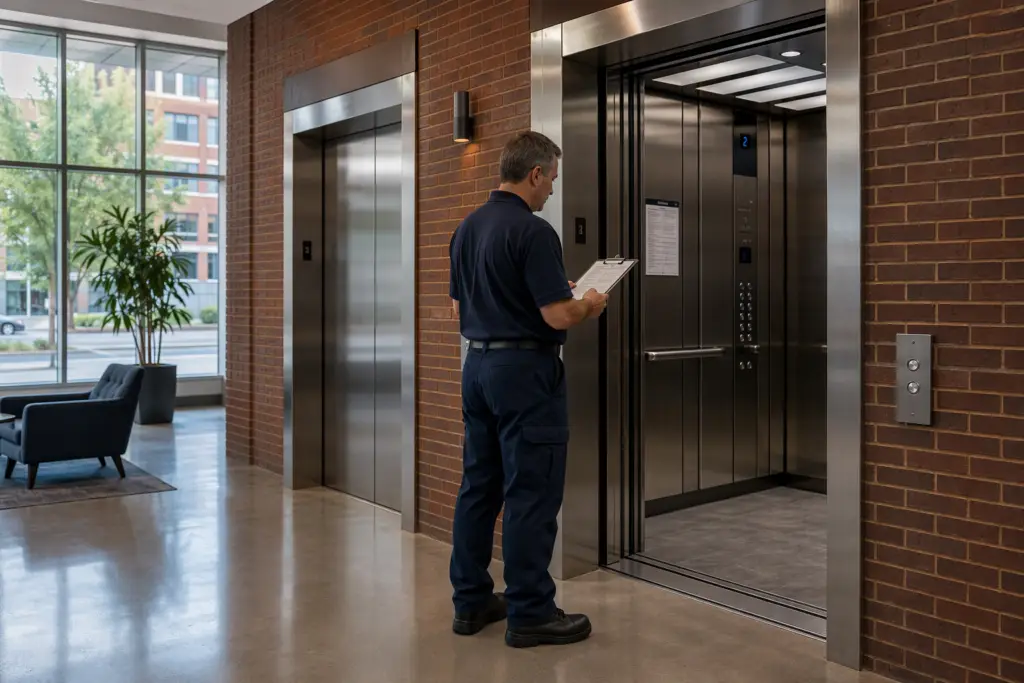
- Site assessment: A qualified elevator contractor visits the building to document existing elevator configurations, measure cab dimensions, review control placements, and identify gaps relative to current ADA and ASME standards.
- Code research: The contractor confirms which editions of the ADA Standards and ASME A17.1 are adopted locally and determines how those standards apply to the building type and project scope.
- Compliance plan development: A written scope of work is prepared, detailing the modifications or new installations required to achieve compliance.
- Permit application: The contractor submits drawings and documentation to the local building department for permit approval.
- Construction or modification: Approved work is performed according to the compliance plan and applicable codes.
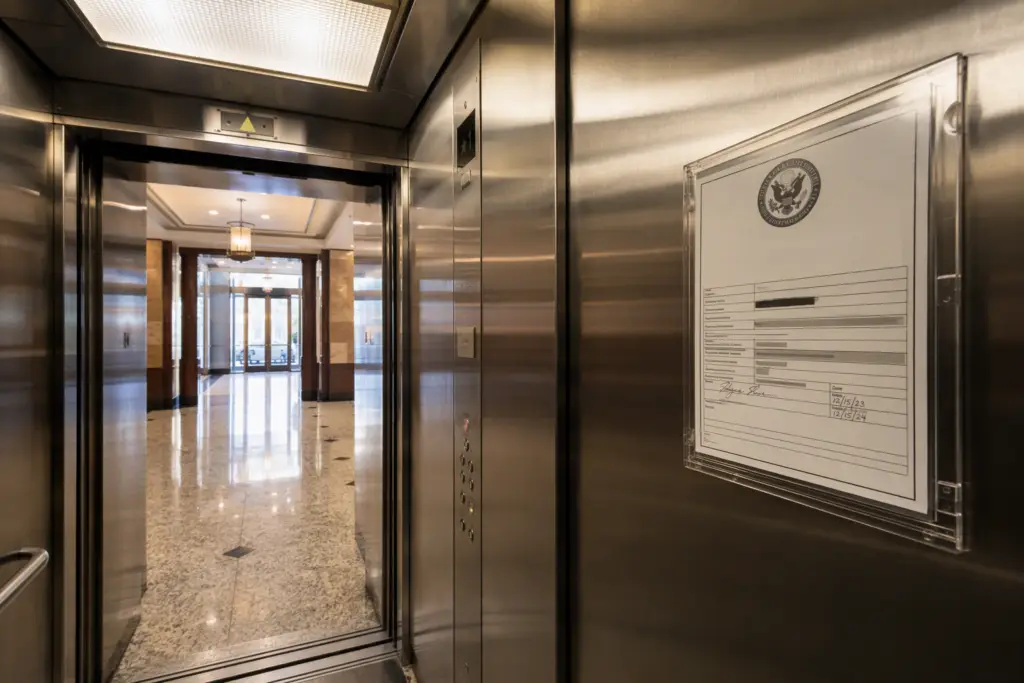
- Inspection and sign-off: The authority having jurisdiction sends a certified inspector to verify that the completed work meets all applicable requirements. Upon passing inspection, the elevator receives the required certificates of operation.
- Documentation retention: The building owner retains all inspection certificates, permits, and compliance documentation for future reference and potential audits.
Can a Platform Lift or Wheelchair Lift Substitute for an ADA-Compliant Elevator?
In limited circumstances, the ADA Standards permit the use of platform lifts as an alternative to elevators to provide accessible vertical access. However, this is only permissible in specific situations enumerated in the ADA Standards — such as providing access to raised or sunken areas within a facility, mezzanines in certain occupancies, or existing buildings where elevator installation is not readily achievable. Platform lifts are not a general substitute for elevators in multi-story buildings that are required to provide accessible vertical access.
Any platform lift used as an ADA-compliant alternative must itself meet the accessibility requirements specified in the ADA Standards and applicable ASME codes. A qualified elevator contractor can advise on whether a lift is a permissible and practical solution for a specific application.
How Does Quality Elevator Company Support ADA Elevator Compliance?
Quality Elevator Company serves as a technical resource for building owners, property managers, developers, and facility directors navigating ADA elevator requirements. The company’s approach to compliance is grounded in current code editions — including the ADA Standards for Accessible Design and the ASME A17.1 Safety Code for Elevators and Escalators — and involves coordination with local authorities having jurisdiction to confirm which standards govern each project.
Quality Elevator Company conducts on-site assessments that document existing conditions against applicable accessibility and safety requirements, identifies the specific modifications or installations needed to achieve compliance, and manages the permit and inspection process from initiation through certificate of operation. For buildings considering modernization, the company evaluates whether modernization work triggers broader ADA compliance obligations under the alteration provisions of the ADA Standards.
This data-driven, code-referenced approach gives building owners a clear picture of their compliance status and a defined pathway to meeting their legal obligations — without guesswork or reliance on outdated code editions.
What Documentation Should a Building Owner Keep for ADA Elevator Compliance?
Maintaining thorough records is an important part of demonstrating ADA elevator compliance over time. Building owners should retain:
- Copies of all building permits issued for elevator installation or modification work
- Certificates of inspection issued by the authority having jurisdiction after each inspection
- As-built drawings showing elevator cab dimensions, control placements, and other ADA-relevant features
- Documentation of the code editions in effect at the time of construction or alteration
- Records of any ADA accessibility assessments conducted by qualified contractors
- Maintenance logs demonstrating that the elevator has been kept in safe and functional operating condition
These records support the building owner’s position in the event of a complaint or enforcement action and provide a baseline for future compliance reviews when alterations are planned.
Sourced Reference Table: Key ADA and Elevator Code Resources
| Resource | Authority | Primary Use | Link |
|---|---|---|---|
| ADA Standards for Accessible Design | U.S. Department of Justice | Federal accessibility design requirements for elevators and facilities | ADA.gov |
| ASME A17.1 Safety Code for Elevators and Escalators | American Society of Mechanical Engineers | Mechanical and operational safety standards for elevator equipment | ASME Codes & Standards |
| OSHA Elevator Safety Standards | Occupational Safety and Health Administration | Workplace elevator safety requirements for employees | OSHA.gov |
Summary: Who to Contact for ADA Elevator Requirements — A Quick Reference
- ADA.gov / U.S. DOJ ADA Information Line: For federal guidance, technical assistance documents, and complaint procedures — ADA.gov
- Local/State Building Department: For permit requirements, locally adopted code editions, and inspection scheduling
- Authority Having Jurisdiction (AHJ): The state or local body that enforces elevator safety codes and issues certificates of operation
- Qualified Elevator Contractor: For on-site assessment, code-compliant design, installation or modification, and coordination with inspectors — Quality Elevator Company provides this service
- OSHA: For workplace-specific elevator safety obligations — OSHA.gov
- Legal Counsel: For interpretation of ADA obligations specific to your business type, lease structure, or pending litigation
Get Expert ADA Elevator Compliance Guidance
ADA elevator requirements involve federal standards, state-adopted codes, local permit processes, and technical equipment specifications — all of which must align for a building to achieve and maintain compliance. Quality Elevator Company provides building owners and property managers with a clear, code-referenced path from assessment to compliant installation or modification.
Contact Quality Elevator Company for a free elevator assessment: 301-779-9116
Need elevator service you can rely on? Quality Elevator Company is ready to help.