Multifamily Elevator Modernization for Healthcare-Adjacent Residential Buildings
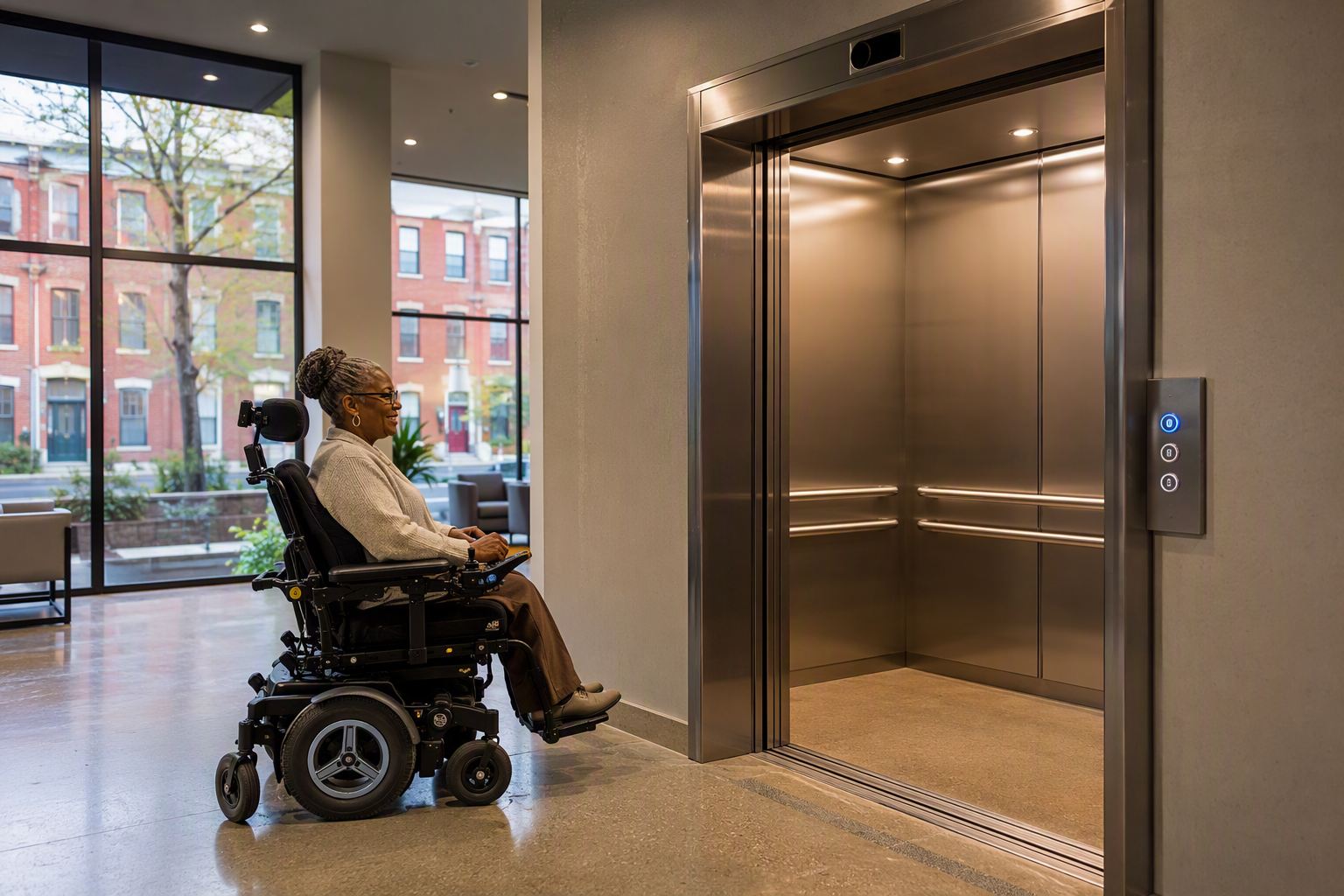
Multifamily residential buildings that serve older adults, individuals with disabilities, or residents receiving in-home healthcare face a unique set of elevator demands. When an elevator fails or falls out of compliance in these environments, the consequences extend well beyond inconvenience — they can affect medication delivery, home health aide access, and emergency evacuation. Quality Elevator Company serves property managers and building owners across Baltimore, MD, Washington, DC, Philadelphia, PA, and Richmond, VA who need modernization solutions that address both regulatory requirements and the real-world needs of medically vulnerable residents.
What Does Multifamily Elevator Modernization Mean for Healthcare-Adjacent Residential Buildings?
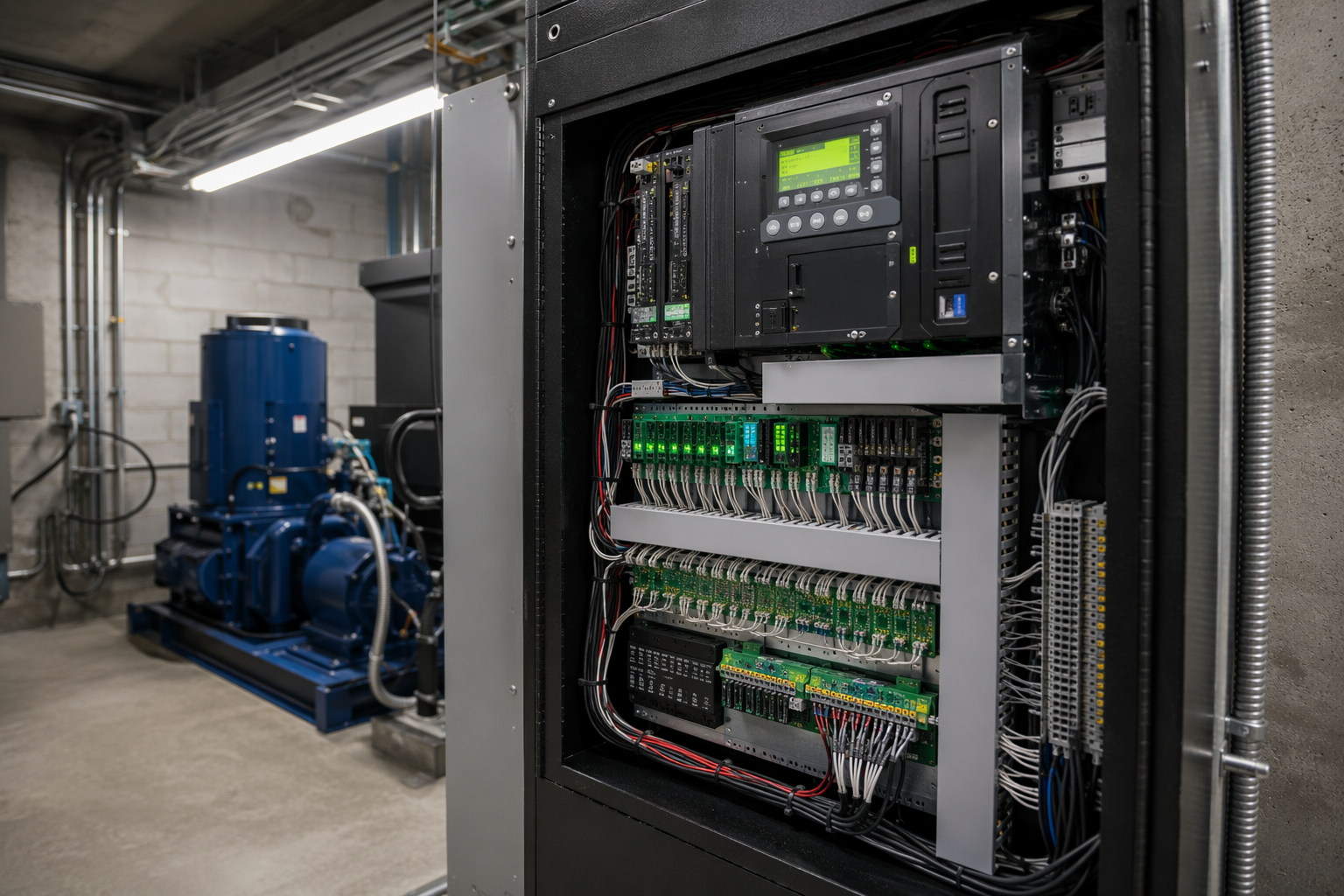
Modernization refers to the partial or complete replacement of outdated elevator components — including controllers, drive systems, cab interiors, safety devices, and door operators — to bring a unit into compliance with current codes and extend its operational life. For multifamily buildings serving healthcare-dependent populations, modernization also means eliminating the unexpected downtime that leaves wheelchair users, home health aides, and medical equipment deliveries stranded.
A full modernization typically involves:
- Replacing hydraulic or relay-logic control systems with modern solid-state controllers
- Upgrading traction drive machines or hydraulic power units for energy efficiency and reliability
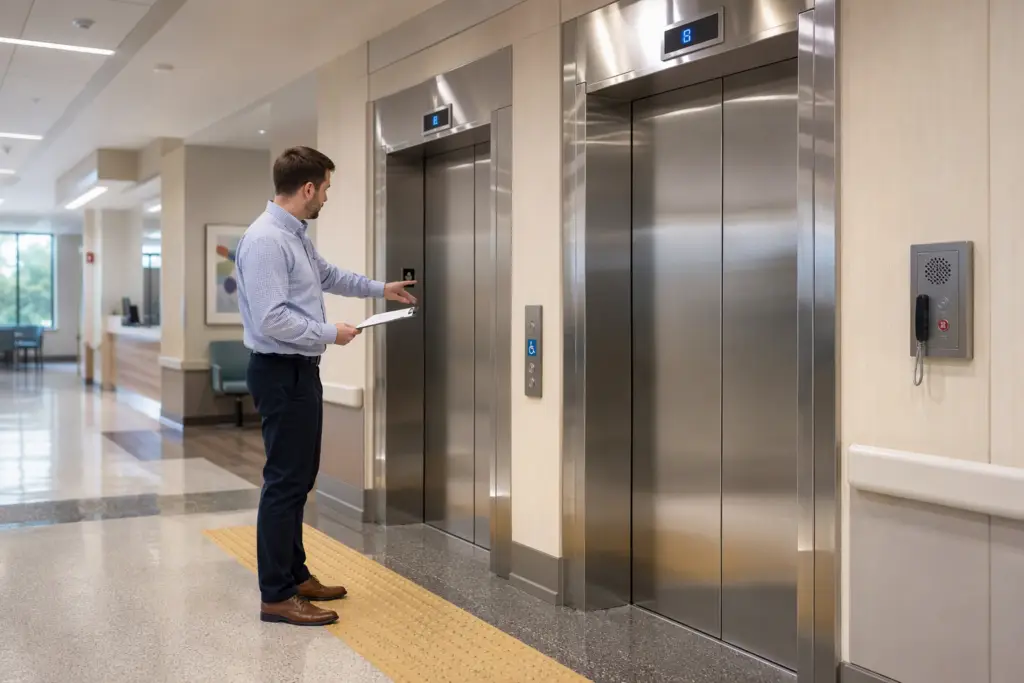
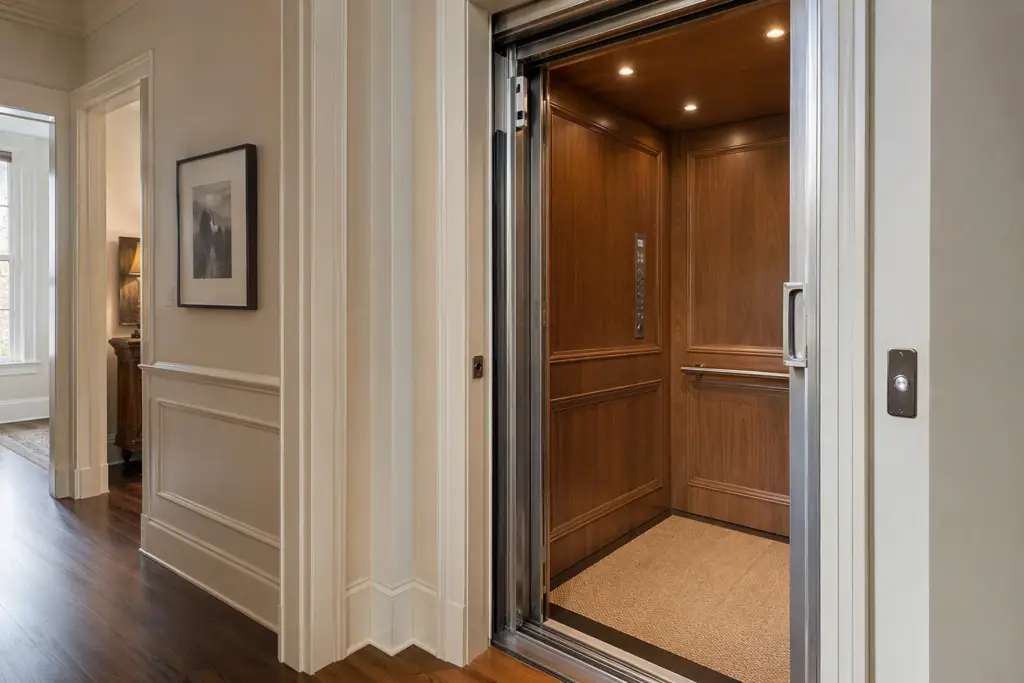
- Installing ADA-compliant cab interiors, including handrails, tactile call buttons, and audible floor indicators
- Retrofitting emergency communication systems to meet current code
- Updating door operators and safety edges to reduce entrapment risk
- Adding or upgrading firefighters’ emergency operation (FEO) systems
Which Codes Govern Elevator Modernization in Multifamily Healthcare-Serving Buildings?
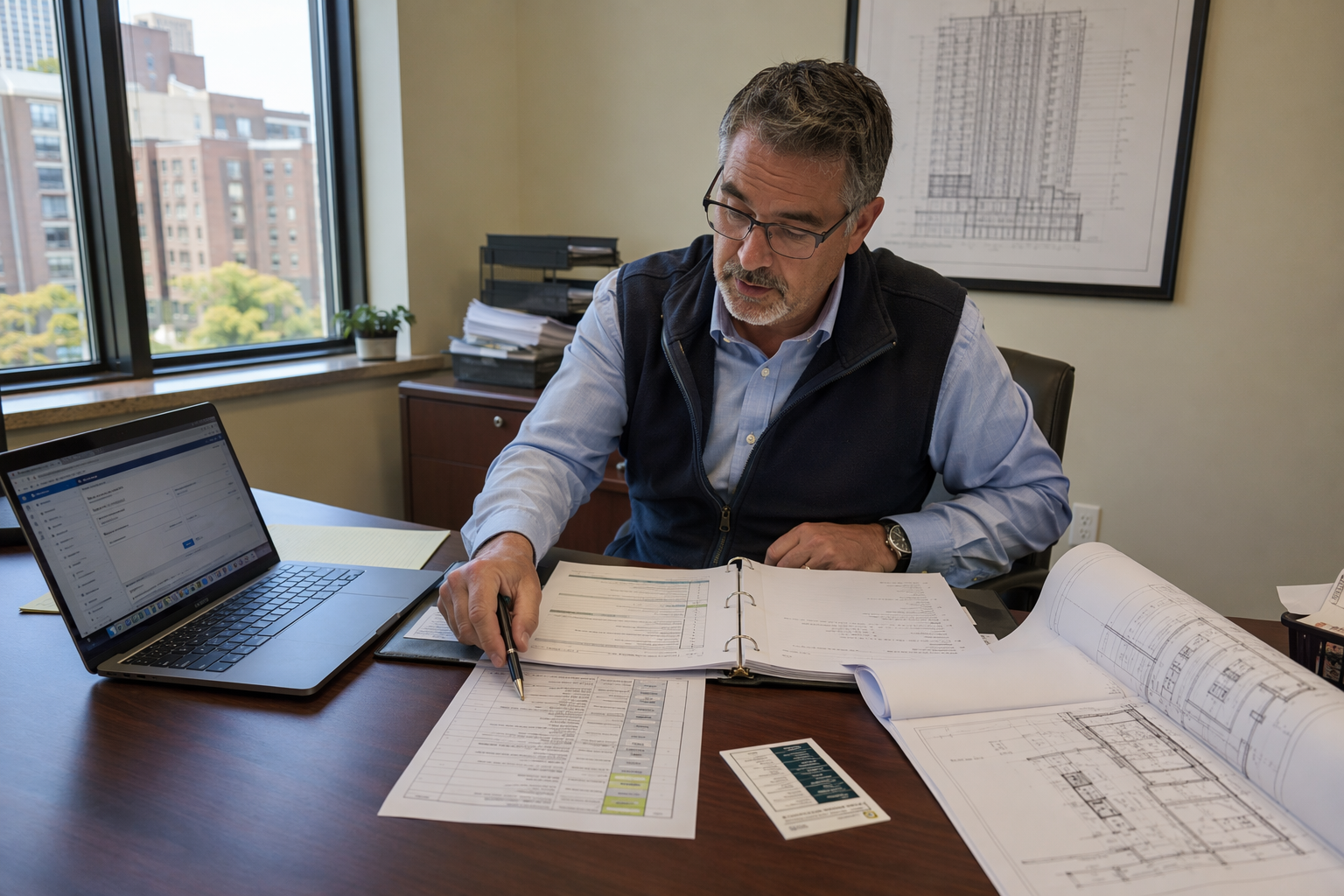
Multiple overlapping code frameworks apply to multifamily elevator modernization where residents include older adults or individuals with disabilities:
- ASME A17.1 Safety Code for Elevators and Escalators: The foundational safety standard adopted (with state or local amendments) by Maryland, Washington, DC, Pennsylvania, and Virginia. Modernization work must bring altered components into conformance with the edition currently enforced in the jurisdiction.
- Americans with Disabilities Act (ADA): Requires that elevators in multi-story multifamily buildings covered under the ADA meet accessibility standards for cab dimensions, door clear width, control reach ranges, floor designations in Braille, and visible and audible signals. Modernization is a triggering event that typically requires addressing existing ADA non-conformities in altered elements.
- State and Local Building Codes: Maryland, Virginia, Pennsylvania, and Washington, DC each maintain elevator safety boards or inspection programs that adopt ASME A17.1 with local amendments. Permits must be pulled and inspections passed before a modernized elevator returns to service.
- Fair Housing Act (FHA): For multifamily buildings with four or more units built after 1991, accessible route requirements — including functional elevator access — are mandated by the FHA, adding a civil rights compliance layer beyond building code.
- OSHA Construction Standards: Govern worker safety during the modernization project itself, covering lockout/tagout procedures, pit entry, and hoistway access.
Why Do Healthcare-Dependent Residents Create a Higher Modernization Urgency?
In a standard multifamily building, an elevator outage is disruptive. In a building where residents rely on powered wheelchairs, walkers, or regular visits from home health aides, the same outage can compromise care continuity. Property managers serving senior communities, assisted living campuses with independent living towers, or general multifamily buildings with a high proportion of mobility-impaired residents should treat aging elevator systems as a patient-safety-adjacent risk, not merely a mechanical inconvenience.
Quality Elevator Company works with property managers in the Baltimore, Washington, DC, Philadelphia, and Richmond markets to conduct assessments that identify components most likely to cause unplanned outages, so modernization planning can be prioritized before failures occur.
What Is the Typical Scope of a Multifamily Elevator Modernization Project?
Scope varies significantly based on the age of the equipment, the number of units, and applicable code requirements. Common project categories include:
- Partial modernization: Replacing only the controller and door operator while retaining the machine and cab. Appropriate when the machine is in good condition and the primary compliance gap is in the control system.
- Full hydraulic conversion or upgrade: Replacing the power unit, valve, cylinder, and controller on hydraulic systems, often combined with conversion to a more environmentally responsible biodegradable fluid.
- Full traction modernization: Replacing the machine, controller, sheaves, cab, and all safety devices on overhead traction systems.
- ADA-only cab renovation: Addressing only the interior, controls, and signaling elements to remedy accessibility deficiencies without full mechanical replacement.
Following an assessment, Quality Elevator Company provides a scope recommendation aligned with the building’s compliance obligations and budget constraints.
How Long Does a Multifamily Elevator Modernization Take?
Project duration depends on scope, parts lead times, permit processing in the applicable jurisdiction, and whether the building has a single elevator or multiple units that can be staggered. A partial modernization on a single hydraulic unit may take days to a few weeks. A full traction modernization involving machine replacement and cab rebuild may take several weeks. Buildings with only one elevator serving mobility-impaired residents should discuss phasing, temporary accessibility accommodations, and advance resident notification protocols with their contractor before work begins.
What ADA Requirements Apply Specifically During an Elevator Modernization?
Under the Americans with Disabilities Act, when an element of an elevator is altered, the altered element — and, in many circumstances, the path of travel to it — must be brought into conformance with current accessibility standards. For elevator modernization, this commonly means:
- Car controls must meet reach range requirements (no higher than 48 inches to the highest operable part for a side approach)
- Control buttons must be at least three-quarters of an inch in the smallest dimension and have tactile designations
- Floor designations must be provided in raised characters and Braille on both jambs of the hoistway entrance
- The car must provide a visual and audible signal at each floor indicating the direction of travel
- Door reopening devices must be provided that detect an obstruction up to specified heights without requiring contact
Failing to address ADA requirements during a modernization project can expose property owners to fair housing complaints and ADA enforcement actions.
How Should a Building Owner Prepare for a Modernization Assessment?
- Gather all existing elevator documentation: maintenance logs, prior inspection certificates, the original installation permit, and any prior modernization records.
- Identify the current enforcing jurisdiction and obtain a copy of the most recently adopted ASME A17.1 edition and any local amendments.
- Document all known deficiencies: recurring callbacks, door malfunctions, leveling problems, or failed inspection items.
- Note the building’s resident profile — the proportion of residents with mobility impairments or medical needs will influence phasing and downtime planning.
- Confirm the number of elevators, their type (hydraulic or traction), and the current age of major components.
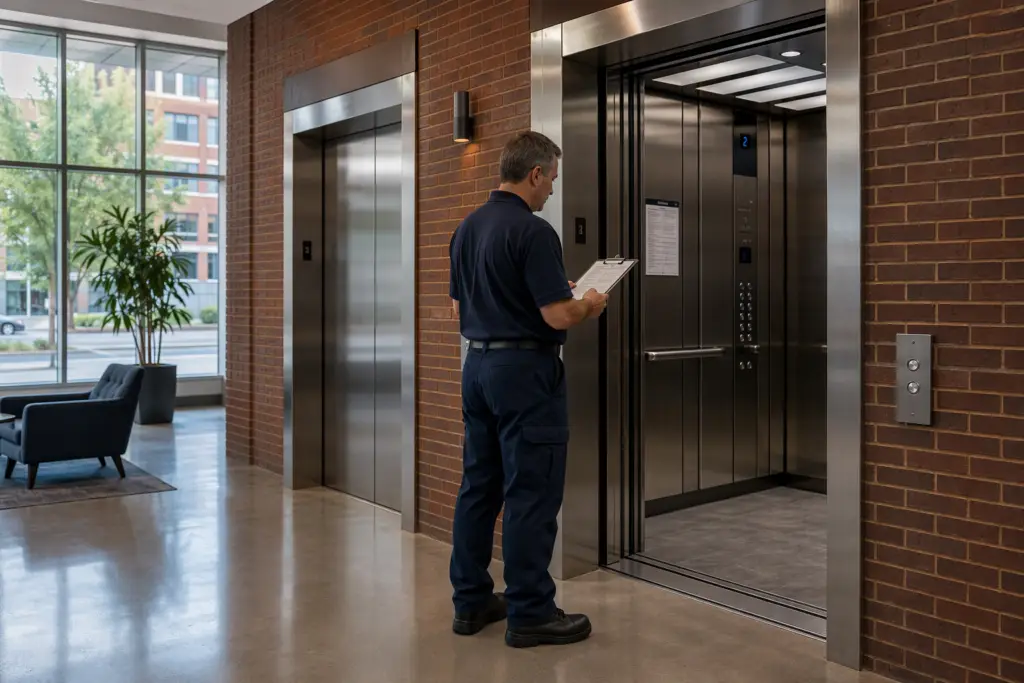
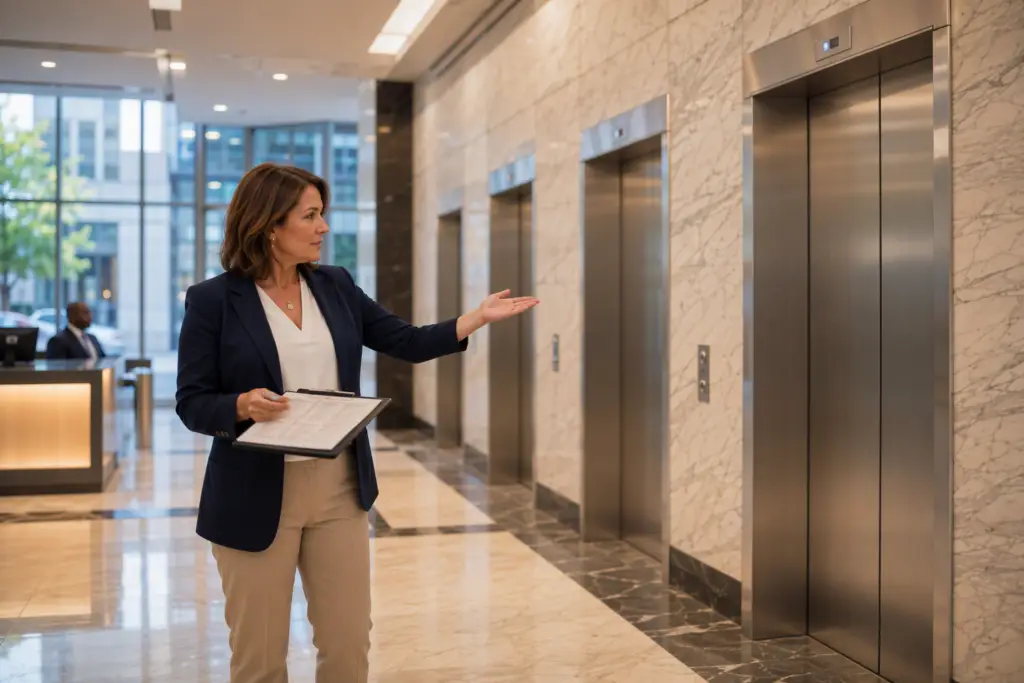
- Contact Quality Elevator Company to schedule an on-site assessment so that a certified technician can evaluate the physical condition of the equipment against current code requirements.
What Equipment Choices Are Available During a Multifamily Modernization?
Modern multifamily modernizations offer property owners meaningful choices that affect long-term operating costs and reliability:
- Machine-room-less (MRL) traction conversion: Eliminates the need for a dedicated machine room by placing the drive unit within the hoistway, recovering usable space in some buildings.
- Variable voltage variable frequency (VVVF) drive systems: Provide smoother starts and stops, reduce energy consumption compared to older single-speed systems, and improve floor-leveling accuracy — a meaningful benefit for residents using wheelchairs or wheeled medical equipment.
- Two-way emergency communication: Current ASME A17.1 requirements mandate two-way communication devices in the car; modernization is the appropriate time to upgrade to compliant, monitored systems.
- Remote monitoring: Some modern controllers support remote diagnostics, allowing service providers to identify developing faults before they cause an outage — particularly valuable in buildings serving medically vulnerable residents.
How Does Modernization Affect Elevator Inspection Requirements?
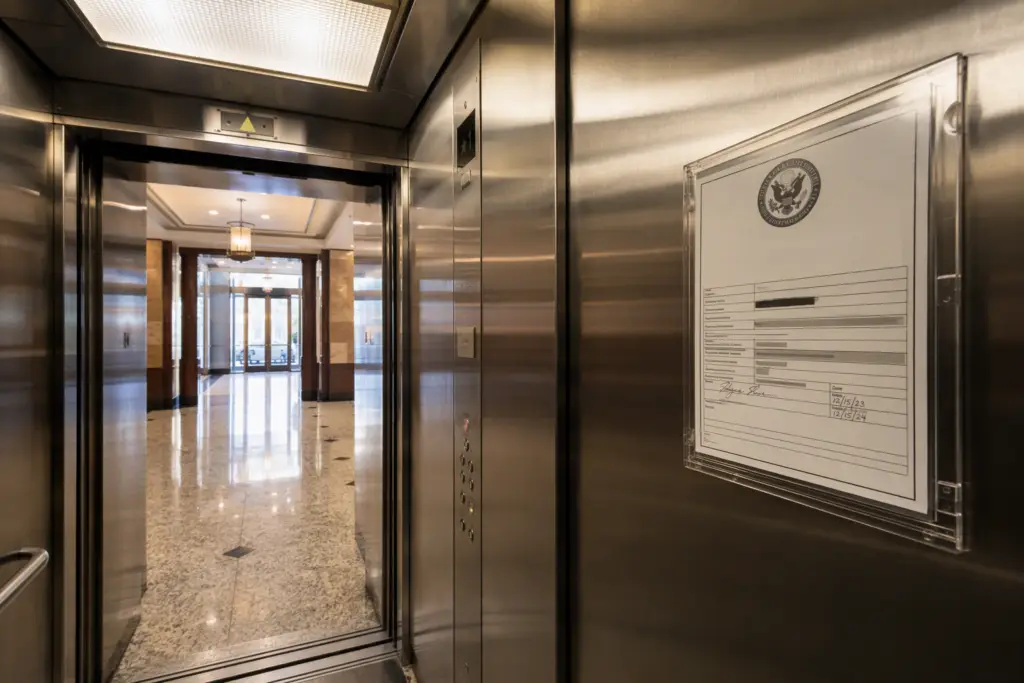
Under ASME A17.1 and the inspection programs adopted by Maryland, Washington, DC, Pennsylvania, and Virginia, a modernized elevator must receive a full inspection and acceptance test before being returned to public use. The permit, plans, and contractor qualifications are reviewed as part of this process. Annual periodic inspections and periodic tests (including Category 1 and Category 5 tests, depending on equipment type) continue following modernization, and the updated equipment must conform to the edition of the code under which it was modernized for those ongoing tests.
Questions Your Inspector Will Ask
When a state or local elevator inspector arrives to review a completed modernization in a multifamily building, expect questions and documentation requests that include:
- What edition of ASME A17.1 governs this modernization? The inspector will confirm that altered components meet the code edition adopted by the jurisdiction at the time the permit was issued.
- Are all altered safety devices category-tested and documented? Safety devices such as governors and safeties must be tested and results recorded.
- Does the car meet current ADA reach range and tactile signage requirements? Any cab alteration triggers ADA conformance review of altered elements.
- Is the firefighters’ emergency operation (FEO) system compliant with the current code? Phase I and Phase II FEO are required under ASME A17.1 and must be tested.
- Is there a compliant two-way emergency communication device in the car? The inspector will test the device for proper function and monitored connection.
- Have all hoistway and machine space clearances been maintained? Modernization work must not reduce required clearances below code minimums.
- Are as-built drawings and the permit on file? Documentation must be available at the time of inspection.
- Has the contractor submitted a signed statement of compliance? Many jurisdictions require the installing contractor to certify that the work meets the applicable code before the final inspection is scheduled.
How Do You Select the Right Elevator Modernization Contractor for a Healthcare-Adjacent Multifamily Building?
Contractor selection should be based on verifiable qualifications, familiarity with local inspection requirements, and demonstrated experience with the equipment types present in the building. Key evaluation criteria include:
- Licensure and registration in the applicable state or jurisdiction (Maryland, Washington, DC, Pennsylvania, and Virginia each have separate requirements)
- Familiarity with the current edition of ASME A17.1 as adopted locally
- Ability to obtain permits, coordinate inspections, and produce code-compliant documentation
- Clear communication protocols for notifying residents — particularly those with mobility limitations — about planned outages
- Post-modernization maintenance capability to support the new equipment
Quality Elevator Company operates across the Baltimore, Washington, DC, Philadelphia, and Richmond markets with the regulatory knowledge to navigate each jurisdiction’s permitting and inspection process.
Get a Free Elevator Modernization Assessment
Aging elevator systems in multifamily buildings that serve healthcare-dependent residents carry compliance, liability, and care-continuity risks that grow with every year of deferred action. Whether the priority is ADA conformance, ASME A17.1 compliance, or eliminating chronic downtime, a professional assessment is the right first step.
Contact Quality Elevator Company for a free elevator assessment. Serving Baltimore, MD, Washington, DC, Philadelphia, PA, and Richmond, VA.
Call us: 301-779-9116
Need elevator service you can rely on? Quality Elevator Company is ready to help.