Elevator Code Violation Penalties: Fines, Shutdowns, and Liability Costs
Building owners, property managers, and facility directors face serious financial and legal consequences when elevators fall out of compliance with applicable safety codes. Understanding the categories of penalties, what triggers them, and how to avoid them is essential for anyone responsible for vertical transportation equipment in 2026.
What Are the Primary Sources of Elevator Code Requirements?
Elevator safety in the United States is governed by a layered framework of national model codes, federal accessibility law, and state or local adoption statutes. The three most cited authorities are:
- ASME A17.1 Safety Code for Elevators and Escalators — the foundational model code covering design, installation, inspection, testing, and maintenance. Most states adopt ASME A17.1 by reference, sometimes with local amendments.
- Americans with Disabilities Act (ADA) — federal civil rights law requiring accessible vertical transportation in most commercial and public-use buildings, with specific technical standards for elevator cab dimensions, controls, and signage.
- Occupational Safety and Health Administration (OSHA) — applies to elevators used as personnel hoists on construction sites and to worker safety in elevator machine rooms and hoistways.
Because penalty authority flows primarily from state and local elevator inspection bureaus — not directly from ASME — the exact fine schedule varies by jurisdiction. However, the categories of violations and the mechanisms that trigger penalties follow consistent national patterns.
What Types of Penalties Do Elevator Code Violations Carry?
Penalties fall into four broad categories, and a single incident can trigger more than one simultaneously:
1. Administrative Fines
State elevator bureaus and municipal building departments levy per-day or per-violation civil fines against property owners who operate elevators without a current certificate of inspection, fail to correct violations within the posted correction deadline, or allow units to remain in service after a shutdown order has been issued. Because fines accrue daily in many jurisdictions, a violation that takes weeks to correct can multiply the original penalty several times over.
2. Mandatory Shutdown Orders (Out-of-Service Tags)
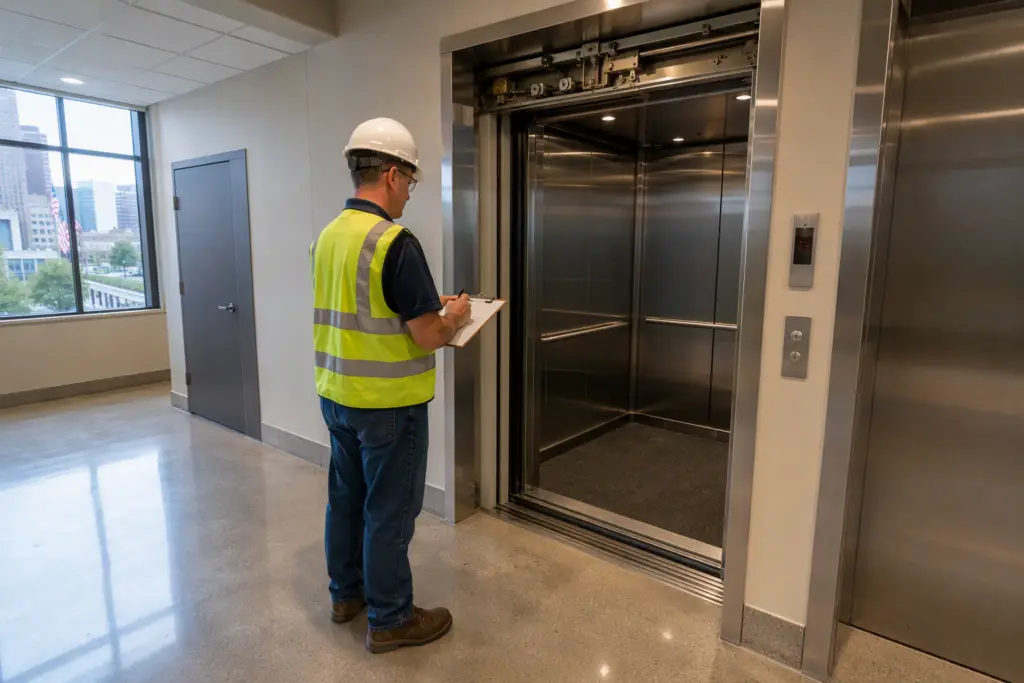
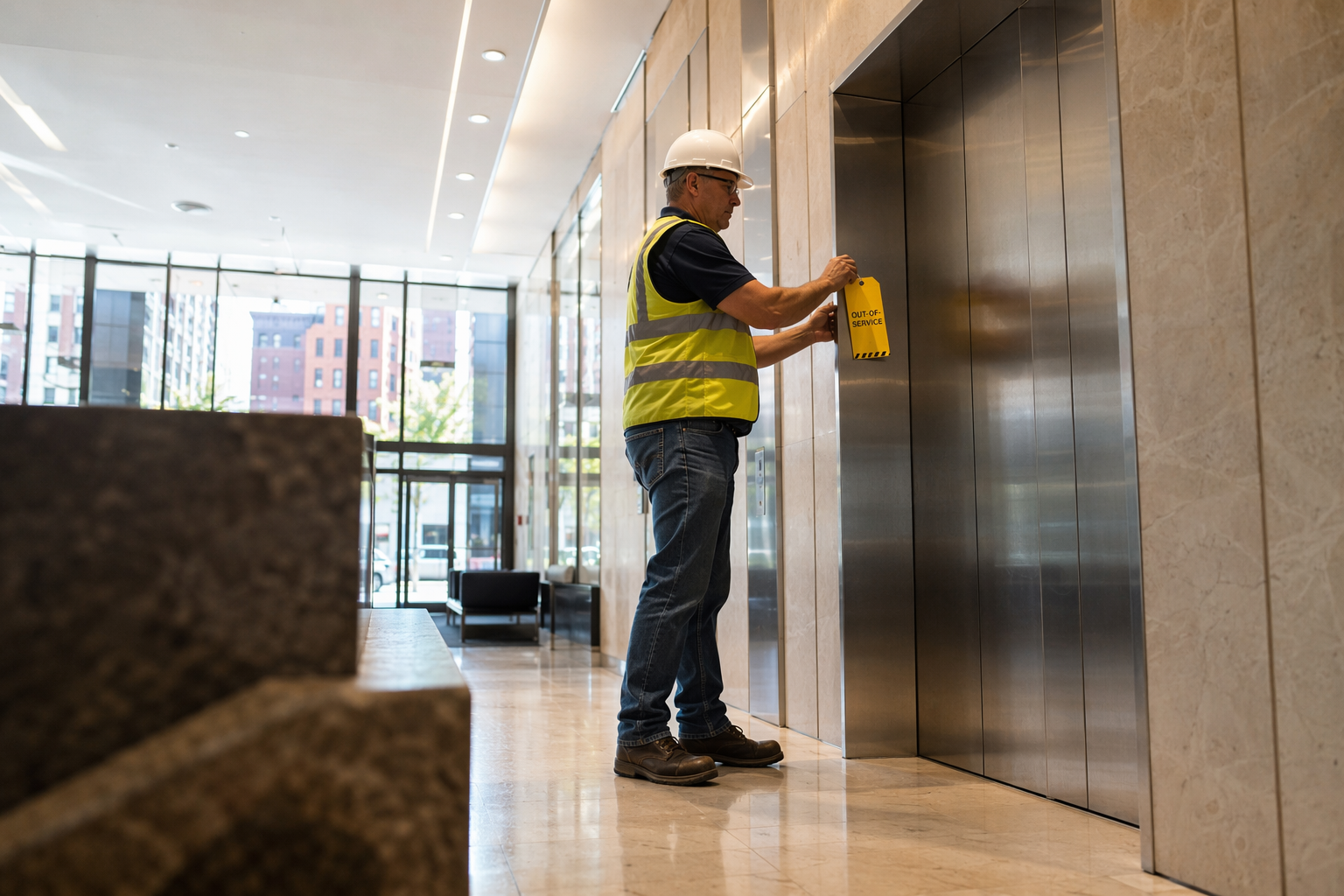
Inspectors are empowered to immediately remove an elevator from service when they identify conditions that pose imminent danger to passengers or workers. Common triggers include broken safeties, failed governor ropes, non-functional door interlocks, or evidence of deferred maintenance that has compromised structural components. A shutdown order requires the owner to complete all required repairs and pass a reinspection before the unit may be returned to service.
3. License and Permit Revocation
Repeat violations or evidence of operating a unit without a valid permit can result in suspension or revocation of the elevator operating permit. In states where the permit is tied to the building’s certificate of occupancy, a revoked elevator permit can trigger broader building compliance consequences.
4. Civil Liability and Litigation Exposure
Code violations create documentary evidence of negligence in personal injury litigation. When a passenger is injured on an elevator that was already flagged for a code deficiency, the documented violation substantially strengthens a plaintiff’s case and can increase damages awarded. Legal defense costs alone — independent of any judgment — represent a significant financial risk for non-compliant building owners.
What Specific Violations Trigger the Most Serious Penalties?
While every deficiency carries risk, the following categories consistently generate the most severe enforcement actions under ASME A17.1 Safety Code for Elevators and Escalators and state adoptions of that code:
- Expired or missing certificate of inspection — operating any elevator without a current, posted certificate is a standalone violation in virtually every jurisdiction.
- Door interlock failures — malfunctioning hoistway door interlocks are among the leading causes of elevator fatalities and trigger immediate shutdown authority.
- Overdue periodic testing — ASME A17.1 mandates specific test cycles (including full-load safety tests and governor tests); missing these deadlines is a documented violation even if no mechanical failure has occurred.
- Emergency lighting and communication failures — non-functional cab lighting or two-way communication systems are ADA- and code-reportable deficiencies.
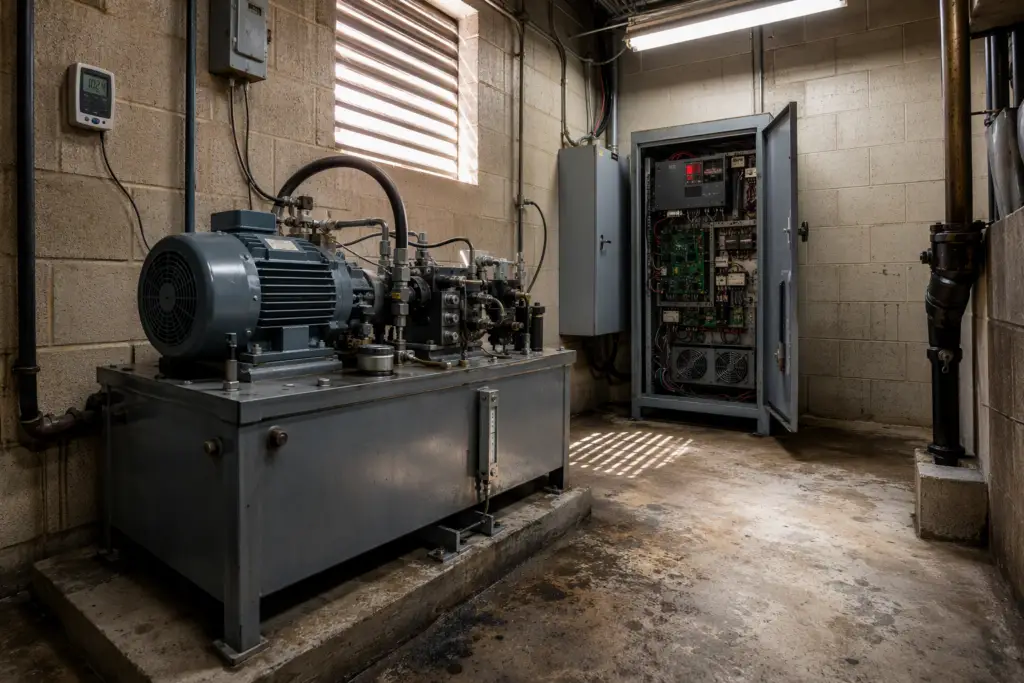
- Hydraulic fluid leaks — represent both an environmental hazard and a fire risk, and are treated as high-priority violations by inspection authorities.
- ADA non-compliance — under the Americans with Disabilities Act, inaccessible elevator controls, missing tactile signage, or inadequate cab dimensions in applicable buildings expose owners to federal civil rights complaints and Department of Justice enforcement.
What Is the Typical Timeline for Correcting a Cited Violation?
Correction deadlines are set by the inspecting authority and depend on the severity of the cited deficiency. The general pattern observed across state elevator programs follows this structure:
- Imminent hazard / immediate shutdown: The unit is tagged out of service on the spot. No timeline is granted — the elevator stays down until repairs are completed and reinspection is passed.
- Major deficiency with short correction period: Inspectors typically allow days to a few weeks for serious but non-immediately-hazardous violations before fines begin accruing or a follow-up shutdown order is issued.
- Minor or administrative deficiency: Correction windows of 30 to 90 days are common, though these vary significantly by state and local code adoption.
Missing a posted correction deadline is itself a separate violation in most jurisdictions and resets the accrual of daily fines.
What Should a Building Owner Do Immediately After Receiving a Violation Notice?
- Read the notice carefully and identify the specific code section cited, the correction deadline, and the reinspection requirements.
- Secure the area if a shutdown order is included — place the elevator out of service immediately and post visible notice to prevent passenger use.
- Contact a licensed elevator service company to schedule an assessment and obtain a written scope of work for the required repairs.
- Document all communications with the inspection authority, including dates of contact and any agreed-upon extensions.
- Complete required repairs using qualified elevator mechanics, ensuring all work complies with the applicable edition of ASME A17.1 and any local amendments.
- Request a reinspection through the appropriate state or municipal elevator bureau before returning the unit to service.
- Retain all documentation — repair invoices, work orders, test results, and reinspection certificates — as evidence of compliance.
How Do ADA Violations Differ from ASME Code Violations in Terms of Penalties?
ASME-based violations are enforced by state and local elevator inspection authorities through administrative fines and shutdown orders, as described above. ADA violations operate through a separate enforcement mechanism.
Under the Americans with Disabilities Act, individuals who encounter inaccessible elevators may file complaints with the U.S. Department of Justice or bring private civil lawsuits. DOJ-initiated enforcement can result in civil penalties as well as mandatory remediation orders with court oversight. Private plaintiffs may seek injunctive relief and, in some circuit courts, compensatory damages.
A building that is out of compliance with both ASME and ADA requirements simultaneously — which is common in older properties with deferred modernization — faces overlapping enforcement tracks that can proceed independently of one another.
What Factors Determine the Severity of Penalties in a Given Jurisdiction?
Because penalty authority rests at the state and local level, the following factors shape the actual financial exposure a building owner faces:
- State adoption of ASME A17.1: Most states adopt a specific edition of the code; the edition in effect at the time of original installation governs grandfathered equipment, while new requirements may apply retroactively to safety-critical items.
- Inspection frequency and rigor: States with frequent mandatory inspection cycles detect violations earlier; states with longer intervals may result in larger backlogs of deferred deficiencies when an inspection does occur.
- History of prior violations: Repeat violations at the same property are treated more severely in virtually every jurisdiction’s penalty schedule.
- Volume of units in the building: High-rise buildings with many elevator units have proportionally higher cumulative exposure if systemic deficiencies affect multiple units.
- Nature of occupancy: Hospitals, schools, and high-traffic public buildings face heightened scrutiny because the consequences of failure affect vulnerable populations.
What Are the OSHA Implications for Elevator Violations in the Workplace?
While OSHA does not directly regulate passenger elevators in the same way state elevator bureaus do, OSHA jurisdiction is relevant in two significant contexts:
Construction hoists: Personnel and material hoists on construction sites are subject to OSHA’s construction standards. Citations for hoisting equipment violations can carry both monetary penalties and stop-work orders on active job sites.
Machine room and hoistway safety: OSHA’s General Industry standards apply to elevator mechanics and maintenance workers accessing machine rooms, pits, and hoistways. Employers who fail to maintain safe access conditions — including proper lighting, fall protection, and lockout/tagout procedures — face OSHA citation authority independent of state elevator inspection findings.
How Does Deferred Maintenance Lead to Code Violations?
Most elevator code violations do not originate with a sudden mechanical failure; they develop over time through deferred maintenance. The progression typically follows a recognizable pattern:
- Routine service intervals are extended or skipped due to budget constraints.
- Minor deficiencies — worn components, marginal lubrication, fraying ropes — are noted but not immediately corrected.
- At the next formal inspection, the accumulation of deferred items generates multiple cited violations simultaneously.
- The compounded cost of correcting several violations at once, plus any accrued fines, substantially exceeds what proactive maintenance would have cost.
The ASME A17.1 Safety Code for Elevators and Escalators establishes maintenance requirements that are designed precisely to prevent this cycle — including requirements for maintenance control programs that document all service activities.
What Trends Are Shaping Elevator Code Enforcement in 2025–2026?
Several qualitative trends are observable in the elevator compliance landscape heading into 2026:
- Increased remote monitoring adoption: Building owners and service providers are deploying connected monitoring systems that flag developing mechanical conditions before they become code violations. Regulators in several states have begun discussing how remote monitoring data may be incorporated into inspection protocols.
- Stricter ADA enforcement focus: Advocacy organizations have increased the volume of accessibility complaints related to vertical transportation, and DOJ has shown renewed interest in built-environment accessibility enforcement.
- Aging infrastructure pressure: A significant portion of the U.S. elevator fleet was installed decades ago. As these units age, the gap between current ASME standards and the as-installed condition of older equipment widens, increasing the likelihood of citations during inspection.
- Modernization as compliance strategy: Rather than performing repeated corrective repairs on aging equipment, more building owners are treating full or partial modernization as the more cost-effective path to sustained compliance.
- Digital inspection records: Several states are transitioning to electronic inspection management systems, making violation histories more searchable and increasing the reputational risk for properties with patterns of non-compliance.
Can a Building Owner Dispute an Elevator Violation Citation?
Yes. Every state elevator program includes an administrative appeal or hearing process. Building owners who believe a citation was issued in error — or who dispute the inspector’s interpretation of a code provision — have the right to contest the finding through that process. Key considerations include:
- Appeals must typically be filed within a short window after the citation date; missing the deadline forfeits appeal rights in most jurisdictions.
- Appealing a citation does not automatically stay the correction deadline or suspend fine accrual in all jurisdictions — the owner should confirm the specific rules of their state program.
- Documentation of prior compliant inspections, maintenance records, and manufacturer guidance can all be relevant evidence in a dispute.
What Role Does a Maintenance Control Program Play in Penalty Prevention?
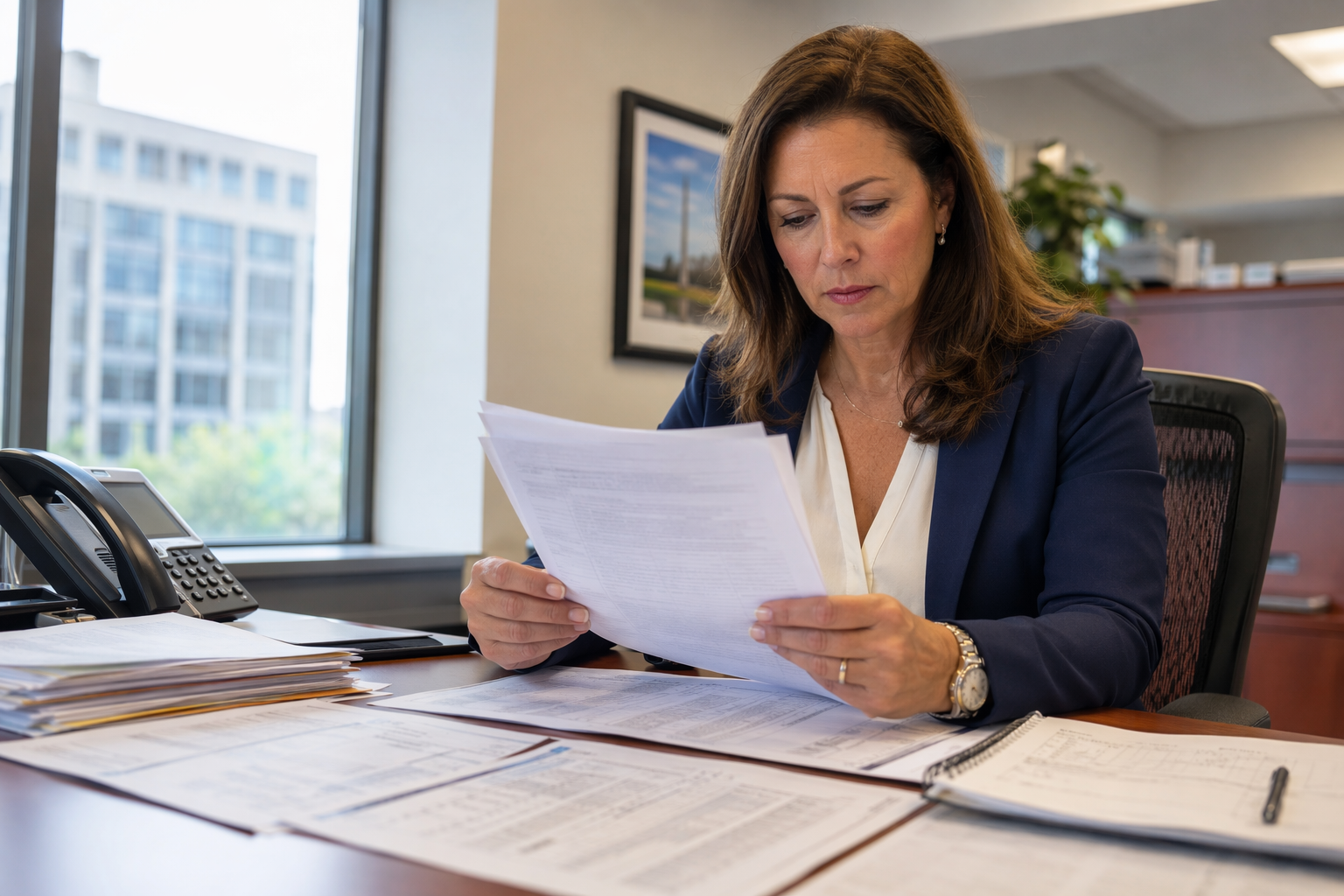
The ASME A17.1 Safety Code for Elevators and Escalators requires that elevators be maintained under a documented maintenance control program (MCP). The MCP specifies the tasks, intervals, and procedures required to keep each unit in a safe and code-compliant condition.
A properly documented MCP serves two functions in the context of penalties. First, it drives the preventive maintenance that catches developing deficiencies before they become inspection violations. Second, it provides an auditable record that demonstrates the owner’s diligence — which can be a mitigating factor in enforcement proceedings and litigation defense.
Properties operating without a documented MCP are exposed both to the underlying mechanical risks and to the additional citation that can result from the absence of the program itself.
How Does Quality Elevator Company Support Code Compliance?
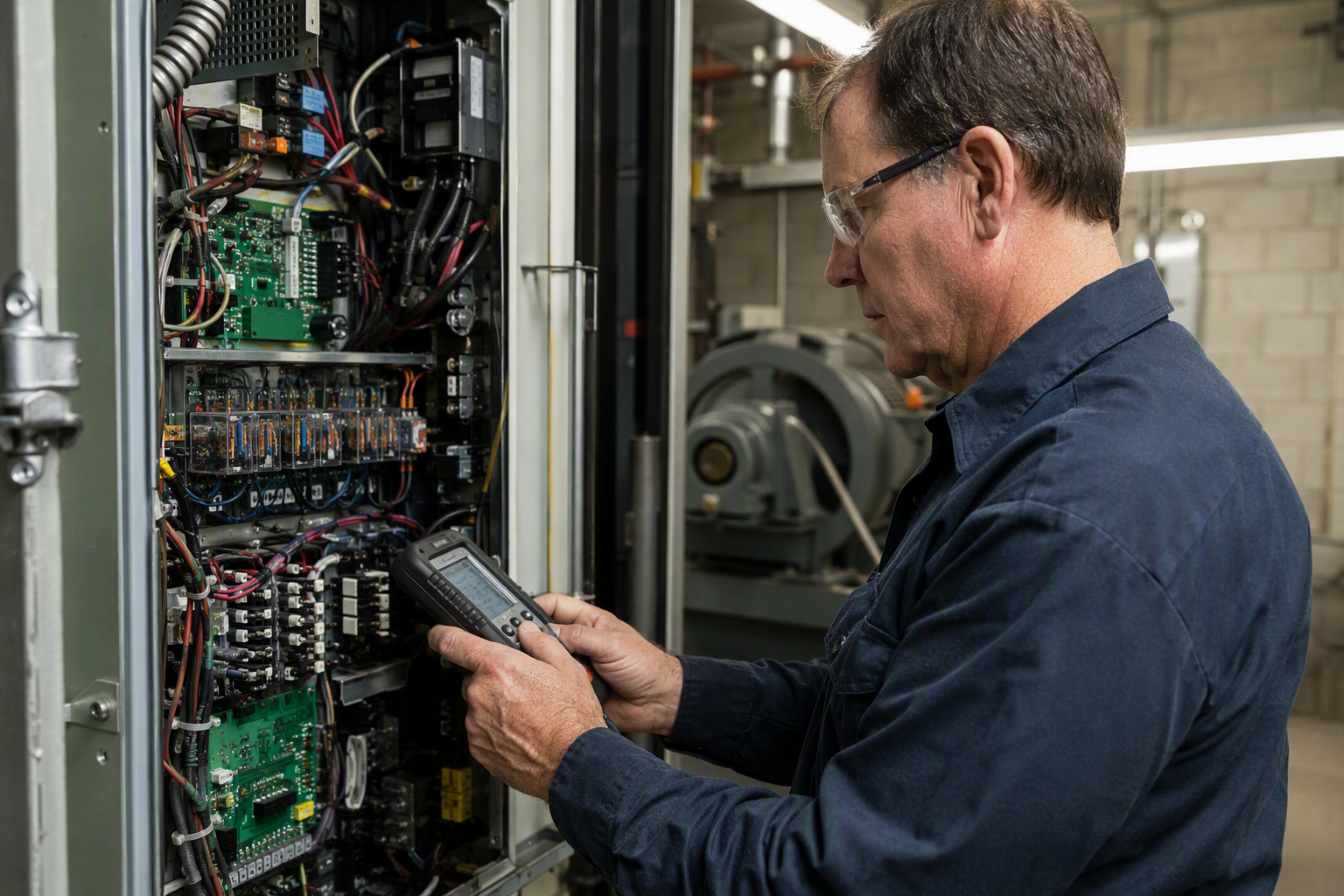
Quality Elevator Company applies a data-driven approach to elevator compliance, combining thorough equipment assessments with documentation practices aligned to ASME A17.1, ADA, and applicable state requirements. Rather than responding reactively to violation notices, the company’s assessment process is structured to identify developing deficiencies before they reach the inspection stage.
For building owners who have already received violation citations, Quality Elevator Company provides the documented scope of work and repair services needed to meet reinspection requirements within correction deadlines. For properties seeking to reduce long-term compliance risk, the company offers evaluation of modernization options as a strategic alternative to repeated corrective repair cycles.
Quality Elevator Company does not manufacture compliance statistics or make unverifiable performance claims — the value is in methodical, code-referenced service backed by proper documentation.
Sourced Reference Data
| Authority | Document / Standard | Primary Relevance to Penalties | Source |
|---|---|---|---|
| ASME | A17.1 Safety Code for Elevators and Escalators | Model code adopted by most states; defines inspection, testing, and maintenance requirements that form the basis of citation authority | asme.org/codes-standards |
| U.S. Department of Justice | Americans with Disabilities Act | Federal civil rights law; inaccessible elevators expose building owners to DOJ enforcement and private civil litigation | ada.gov |
| OSHA | General Industry and Construction Standards | Applies to personnel hoists on construction sites and worker safety in elevator machine rooms and hoistways | osha.gov |
Key Takeaways on Elevator Code Violation Penalties
- Penalties operate at the state and local level, meaning fine schedules vary by jurisdiction — but the categories of violations are nationally consistent under adopted ASME standards.
- Shutdown orders are the most immediate and operationally disruptive penalty, triggered when inspectors identify imminent hazard conditions.
- Daily accruing fines mean that delayed corrective action compounds the financial exposure of any single violation.
- ADA violations create a separate, federally-enforced liability track that runs parallel to state elevator bureau enforcement.
- A documented maintenance control program, as required by ASME A17.1, is both a compliance requirement and the most effective tool for preventing violations before they are cited.
- Proactive assessment and preventive maintenance represent a substantially lower cost path than corrective repair under deadline pressure combined with accrued penalties and potential litigation exposure.
Get Ahead of Violations Before the Inspector Does
Elevator code violations are preventable. Quality Elevator Company offers a structured, documentation-based approach to identifying compliance gaps before they become citations, shutdown orders, or litigation exposure.
Contact Quality Elevator Company for a free elevator assessment — call 301-307-5363 today.
Need elevator service you can rely on? Quality Elevator Company is ready to help.