Elevator Service in Baltimore, MD | Quality Elevator Company
Evaluating an elevator service company in Baltimore, MD requires more than a price comparison. Building owners and property managers need a partner who understands Maryland’s regulatory framework, responds reliably when equipment fails, and delivers proactive maintenance that keeps vertical transportation safe, code-compliant, and operational. This guide walks through the key criteria any Baltimore property should use when selecting or switching elevator service providers.
What Should You Look for First When Evaluating an Elevator Service Company?
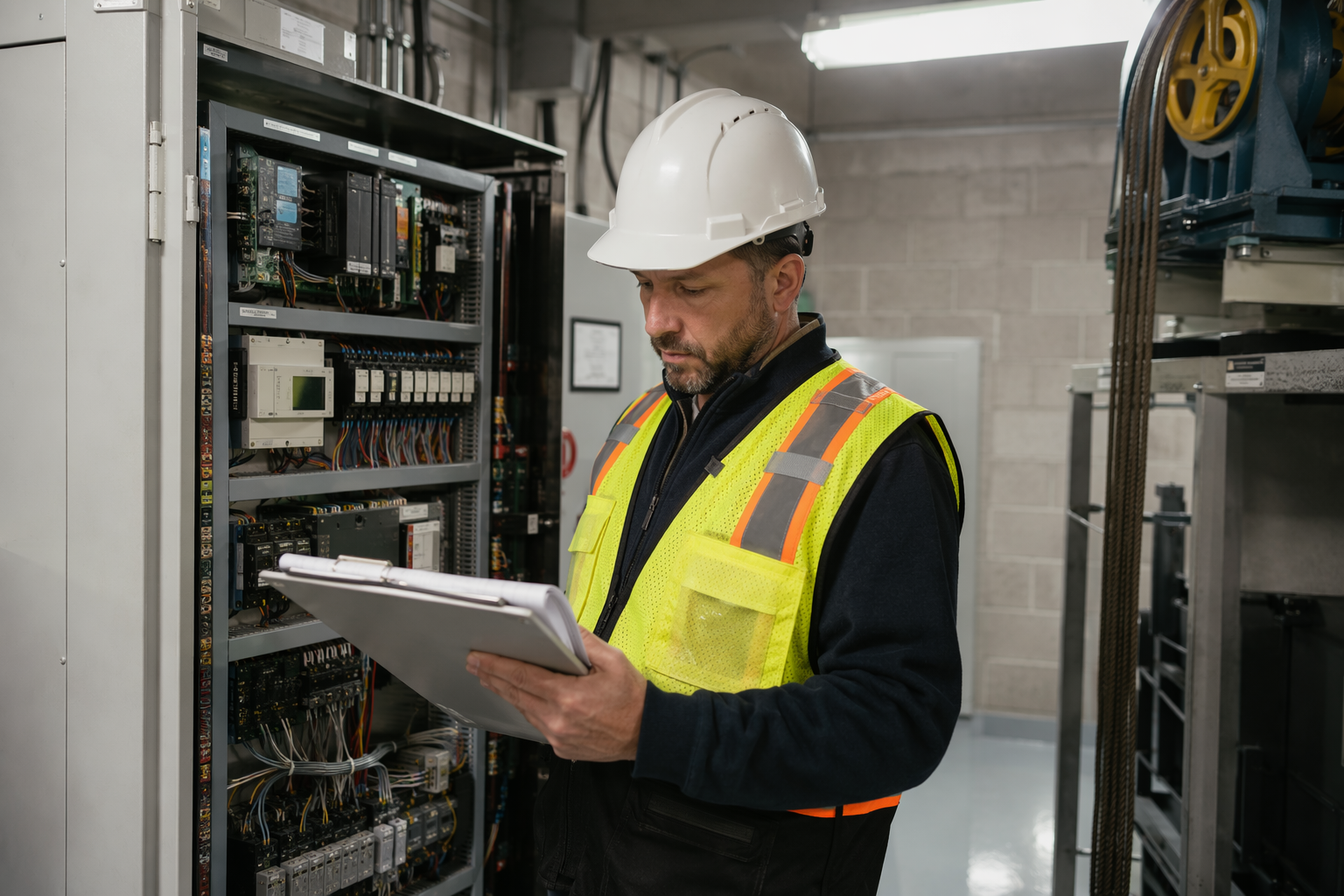
The evaluation process should begin with three foundational questions: Is the company familiar with Maryland elevator code requirements? Do they service the type of equipment installed in your building? And do they offer a full spectrum of services — from routine maintenance to modernization — so you are not coordinating multiple vendors?
A company with deep local roots in Baltimore understands the city’s mix of historic mid-rises, modern commercial towers, healthcare facilities, and mixed-use developments. Each building category presents distinct code and operational requirements, and a generalist vendor without local experience may miss jurisdiction-specific nuances that a Maryland-focused team would catch immediately.
How Do Maryland Elevator Code Requirements Affect Which Company You Should Hire?
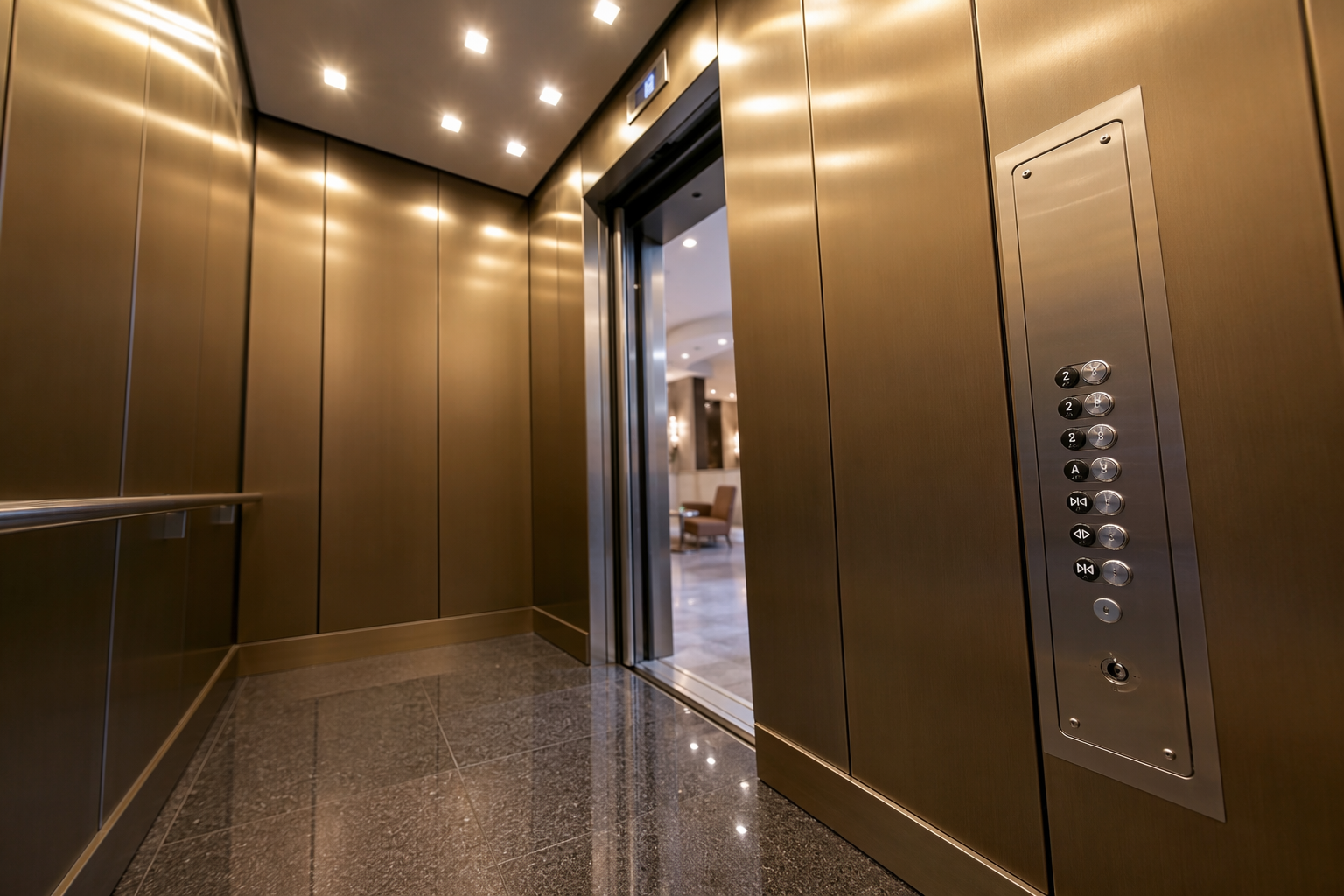
Maryland adopts and enforces elevator safety standards primarily through the ASME A17.1 Safety Code for Elevators and Escalators, the nationally recognized standard that governs design, construction, operation, inspection, testing, and maintenance of elevators and escalators. As of 2026, building owners in Maryland are required to maintain elevators in compliance with the applicable edition of this code as adopted by the state.
Any qualified elevator service company operating in Baltimore must demonstrate working knowledge of ASME A17.1 requirements, including mandatory periodic inspection and testing intervals, load test schedules, and safety device certifications. Additionally, Americans with Disabilities Act (ADA) accessibility standards apply to elevator cab dimensions, control panel heights, door timing, and audible/visual signals — critical compliance areas in commercial and public buildings across Baltimore.
When interviewing prospective vendors, ask directly: Which edition of ASME A17.1 does Maryland currently enforce? How do you document compliance after each inspection? An experienced company will answer these questions with precision, not vagueness.
What Services Should a Qualified Elevator Company Offer in Baltimore?
A full-service elevator company should provide the following service categories:
- Preventive maintenance: Scheduled inspections and lubrication, adjustment, and component testing to minimize unplanned downtime.
- Repair and troubleshooting: Diagnosis and correction of mechanical, electrical, and hydraulic failures.
- Modernization: Upgrading aging equipment — controllers, drives, cab interiors, door systems — to extend useful life and restore code compliance.
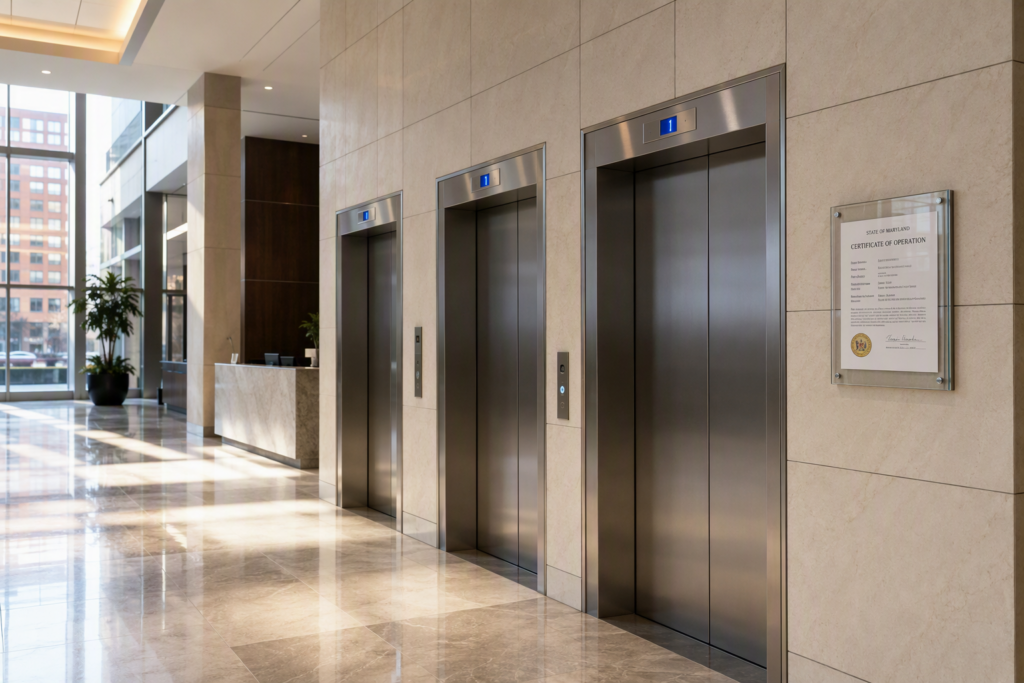
- Code compliance inspections: Coordination with state and local inspection authorities to ensure certificates of operation remain current.
- New installation: Project management and installation of elevators in new construction or major renovation.
- Emergency service: Availability outside standard business hours for entrapments and critical failures.
A company that cannot offer all of these services in-house may force building owners to manage fragmented vendor relationships — a significant liability risk in a regulated environment.
How Important Is Emergency Availability When Choosing an Elevator Service Provider?
Emergency availability is one of the most consequential factors in any elevator service contract. A passenger entrapment is not only a safety event — it is a liability event. Baltimore property managers should confirm that any prospective elevator company maintains an emergency response capability around the clock, every day of the year.
During the evaluation process, ask prospective vendors how emergency calls are routed after business hours, whether calls go to a live dispatcher or an automated system, and how escalation works if the first technician dispatched cannot resolve the issue. These procedural questions reveal the operational depth of the company far more than marketing language does.
What Questions Should You Ask an Elevator Company Before Signing a Maintenance Contract?
Before signing any maintenance agreement, building owners and facility managers in Baltimore should ask the following:
- What does the maintenance contract explicitly include and exclude — parts, labor, travel, after-hours calls?
- How is preventive maintenance scheduled, and how is it documented for your records?
- Who coordinates with Maryland state inspectors to schedule required periodic inspections and tests?
- What is your process when a repair requires a part that is on back-order or no longer manufactured?
- Do you provide written service reports after every visit, including findings, work performed, and any deferred items?
- How do you handle equipment from multiple manufacturers, particularly older legacy systems common in Baltimore’s historic building stock?
Companies with rigorous service processes will answer these questions confidently. Vague or evasive answers should be treated as red flags.
How Do You Compare Elevator Service Companies on Price Without Sacrificing Quality?
Price comparison in elevator service is deceptive if done solely on the monthly maintenance fee. The true cost of elevator service includes the cost of unplanned downtime, the cost of emergency callouts billed outside the contract, and the long-term cost of deferred maintenance that accelerates component wear and eventual replacement.
When comparing proposals, request a line-item breakdown of what each contract covers. A lower monthly rate that excludes parts or after-hours labor may carry a significantly higher total cost of ownership than a comprehensive contract priced higher at the outset. Ask for clarity on how out-of-scope work is priced and billed before making any commitment.
How Does Local Expertise in Baltimore Affect Elevator Service Quality?
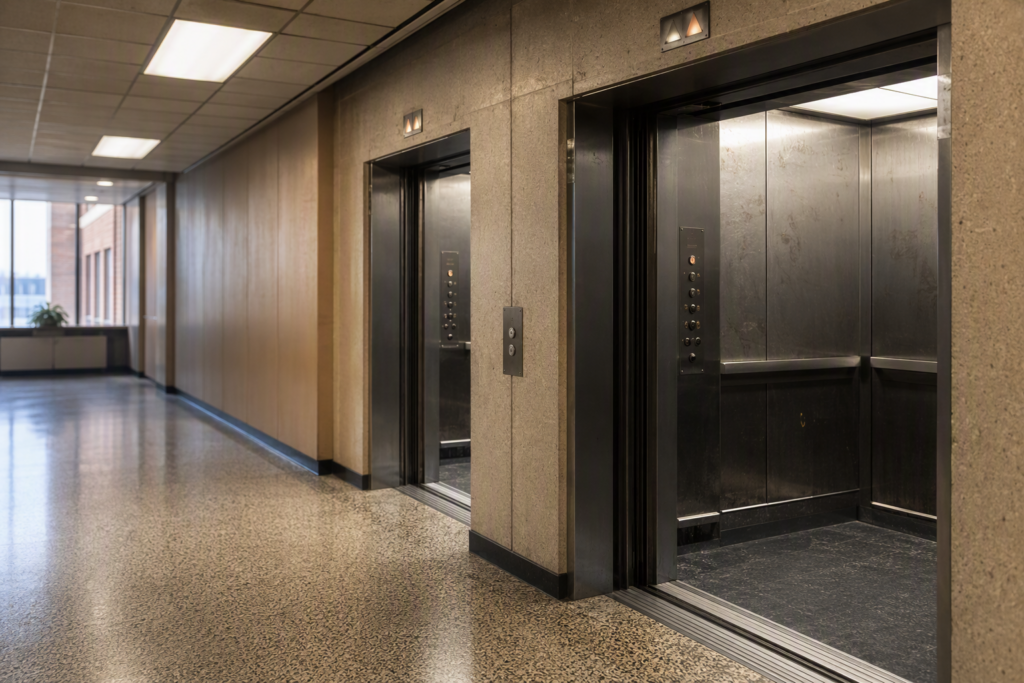
Baltimore presents a distinctive built environment. The city includes early-twentieth-century commercial buildings in the central business district, hospital systems and medical campuses with high-rise towers, waterfront mixed-use developments in the Inner Harbor area, and institutional facilities ranging from universities to government buildings. Each setting has different elevator equipment vintages, usage intensities, and regulatory contexts.
A service company with genuine local presence understands the specific challenges of Baltimore’s climate — humid summers and cold winters — on hydraulic systems, door mechanisms, and machine room environments. Local familiarity also means established relationships with Maryland’s elevator inspection authorities, which can streamline scheduling and compliance documentation for building owners.
Quality Elevator Company serves the Baltimore, MD market and the surrounding region, providing maintenance, repair, modernization, and installation services calibrated to the specific demands of local building types and regulatory requirements.
What Role Do OSHA Regulations Play in Elevator Service and Technician Safety?
Elevator service work is among the more hazardous trades. OSHA standards govern the working conditions under which elevator technicians operate, including requirements for personal protective equipment, fall protection, lockout/tagout procedures for energized equipment, and confined space protocols for pit work. A reputable elevator service company maintains rigorous internal safety programs that meet or exceed OSHA requirements — not only to protect workers but to protect building owners from co-employer liability in the event of a workplace incident on their property.
When evaluating vendors, ask about their safety record and their internal protocols for work in elevator pits, machine rooms, and hoistways. A company that treats safety as a core operational value — not a compliance checkbox — will be able to speak to this directly and with specificity.
What Is the Right Time to Consider Elevator Modernization Instead of Continued Repair?
Continued repair of aging elevator equipment eventually reaches a point of diminishing return. The key indicators that modernization may be more cost-effective than ongoing repair include: increasing frequency of service calls for the same recurring issues, difficulty sourcing replacement parts for obsolete equipment, inability to bring the equipment into compliance with current ASME A17.1 or ADA standards through repair alone, and significant increases in energy consumption compared to modern systems.
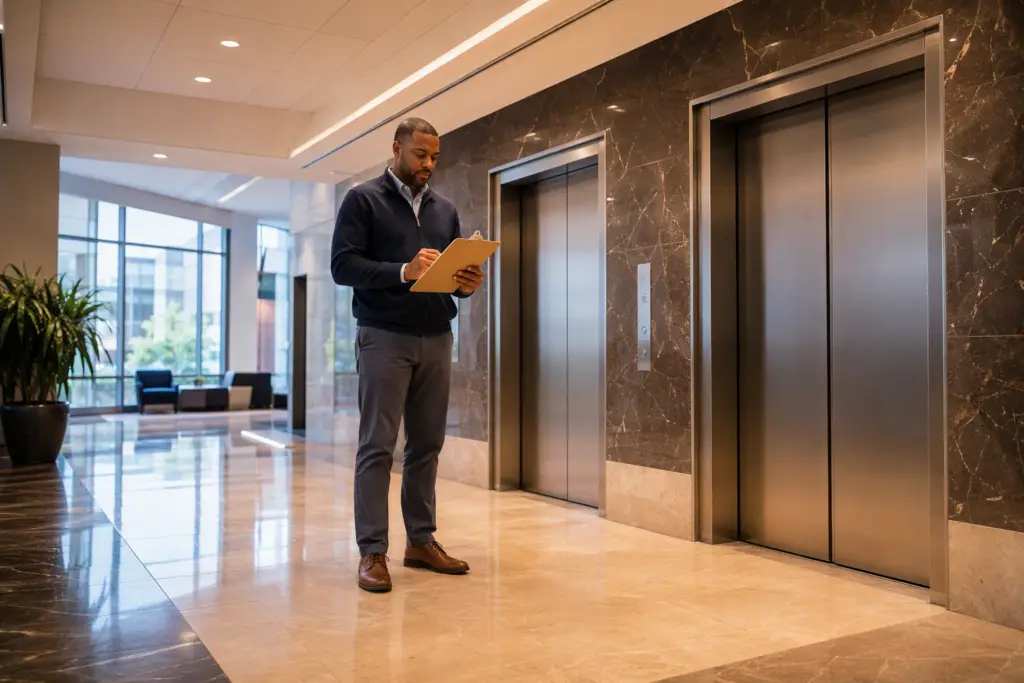
A qualified Baltimore elevator service company will conduct an honest assessment of equipment condition and provide a modernization recommendation only when the data supports it — not as a reflexive upsell. Request a written equipment condition assessment before any major capital decision.
Schedule a Free Consultation with Quality Elevator Company
Selecting the right elevator service partner in Baltimore, MD is a decision that affects the safety, compliance, and operational continuity of your building for years to come. Quality Elevator Company provides certified elevator maintenance, repair, modernization, and installation services to property owners and facility managers across the Baltimore region.
Contact Quality Elevator Company today to schedule a free consultation and learn how local expertise, code-compliant service, and transparent maintenance practices can protect your investment and keep your building moving.
Call us at 301-307-5363 to Schedule a Free Consultation.
Need elevator service you can rely on? Quality Elevator Company is ready to help.