Elevator Service in Baltimore, MD | Quality Elevator Company
When comparing elevator service providers in Baltimore, MD, Quality Elevator Company stands out for its deep knowledge of Maryland elevator codes, its commitment to compliance-driven maintenance, and its dedication to keeping vertical transportation running safely for residential, commercial, and institutional clients throughout the region.
Choosing the right elevator service provider is one of the most consequential decisions a building owner or property manager in Baltimore can make. From routine inspections to emergency repair calls, the quality of service directly affects occupant safety, regulatory standing, and the long-term cost of ownership. This guide walks through every factor that matters when evaluating and comparing elevator service companies in the Baltimore metro area.
What Should Building Owners Look for When Comparing Elevator Service Providers?
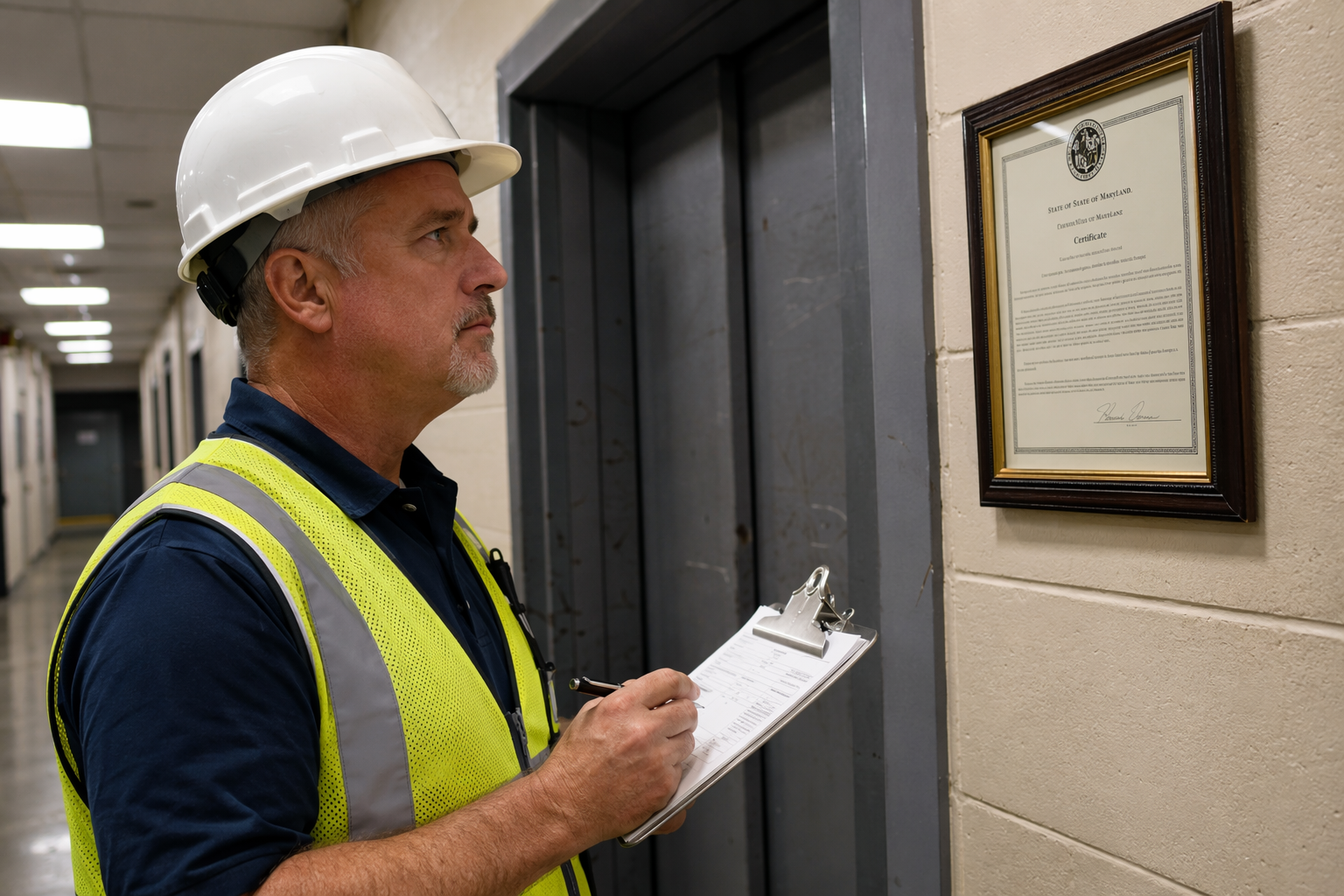
Not all elevator service companies operate with the same standards, scope, or local knowledge. A meaningful comparison goes beyond price — it covers compliance expertise, range of services, equipment familiarity, and responsiveness. Key factors to evaluate include:
- Compliance Knowledge: Providers should demonstrate current familiarity with Maryland elevator code requirements and the applicable edition of the ASME A17.1 Safety Code for Elevators and Escalators, which governs installation, maintenance, and inspection standards across the country, including Maryland.
- Range of Services: A full-service provider handles everything from new installation and modernization to preventive maintenance contracts, code compliance inspections, and repair work — reducing the need to manage multiple vendors.
- Equipment Versatility: Baltimore’s building stock ranges from historic rowhouses and mid-rise office buildings to modern high-rises and healthcare campuses. Providers should demonstrate experience across a variety of elevator types and drive systems.
- Transparency: Clear communication about what is and is not included in a maintenance contract protects building owners from unexpected costs.
- Local Presence: A company rooted in the Baltimore area understands local code enforcement patterns, the city’s inspection processes, and the practical realities of servicing urban and suburban properties across the region.
What Are Maryland’s Elevator Code Requirements in 2026?

Maryland elevator safety is administered under state law, with local enforcement handled through the Maryland Department of Labor’s Elevator Safety Program. The state requires that elevators be inspected by a licensed elevator inspector on a regular basis. Elevators that fail inspection must be taken out of service until deficiencies are corrected and a re-inspection confirms compliance.
The technical standard underpinning Maryland’s elevator safety rules is the ASME A17.1 Safety Code for Elevators and Escalators. This code covers design, construction, installation, operation, inspection, testing, maintenance, alteration, and repair of elevators. Maryland adopts and enforces this code, meaning any elevator service provider operating in Baltimore must demonstrate working knowledge of its current requirements.
Accessibility compliance is a parallel obligation. Commercial and public-use elevators must also satisfy requirements under the Americans with Disabilities Act (ADA), including cab dimensions, door timing, control placement, and Braille signage. Elevator modernization projects frequently trigger a full ADA accessibility review.
Workplace safety during elevator service and maintenance work falls under the jurisdiction of OSHA standards for construction and general industry. Reputable providers ensure their field work practices meet OSHA requirements to protect both technicians and building occupants.
How Does Preventive Maintenance Compare to Reactive Repair?
Building owners in Baltimore consistently find that structured preventive maintenance programs reduce overall lifetime costs compared to a reactive, break-fix approach. Preventive maintenance involves scheduled inspections, lubrication, adjustment, and parts replacement based on manufacturer recommendations and code-mandated intervals — rather than waiting for a failure to occur.
Elevators that receive consistent preventive care are less likely to experience mid-cycle failures, callback events, or compliance violations during state inspections. They also tend to have longer operational lifespans before full modernization becomes necessary. When comparing service providers, building managers should ask for a detailed breakdown of what each maintenance agreement covers, how often visits occur, and what exclusions apply.
What Types of Buildings Does Quality Elevator Company Serve in Baltimore?
Quality Elevator Company serves a broad cross-section of Baltimore’s built environment. The company’s service footprint includes:
- Commercial office buildings in downtown Baltimore and the surrounding business districts
- Multifamily residential buildings, condominiums, and apartment communities
- Healthcare facilities, medical office buildings, and senior living communities
- Educational institutions, including universities and public school facilities
- Government and municipal buildings requiring strict compliance management
- Hospitality properties, including hotels and mixed-use developments
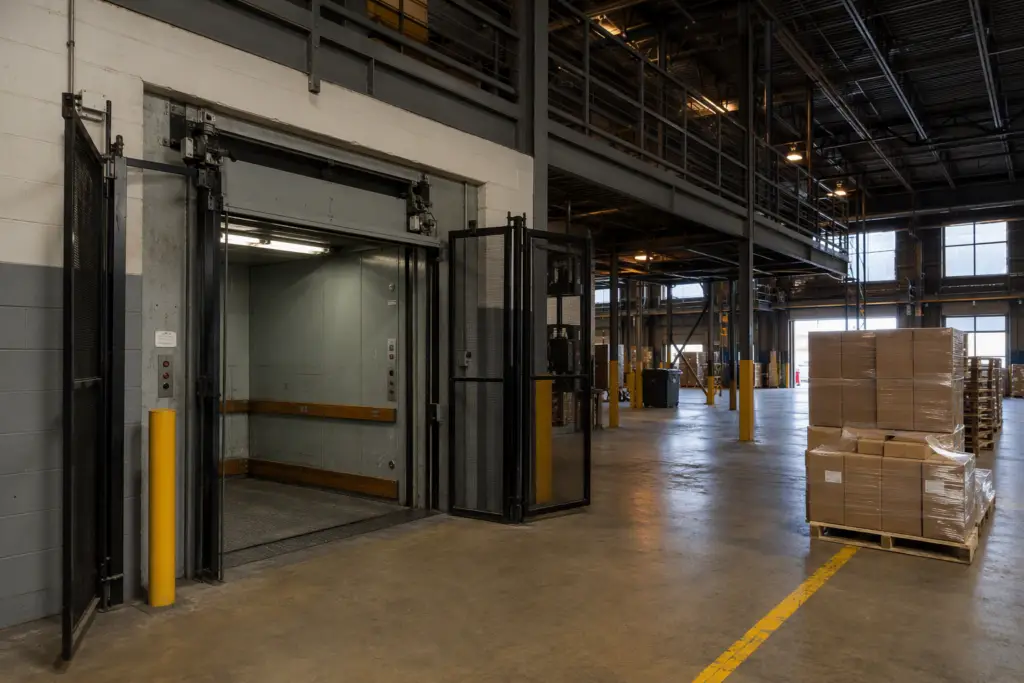
- Industrial and warehouse facilities with freight elevator requirements
This breadth of experience means the team understands the distinct operational, compliance, and scheduling demands that come with each property type — an important differentiator when evaluating providers.
Is Emergency Elevator Service Available in Baltimore?
Elevator emergencies — including passenger entrapments, sudden shutdowns, and safety system activations — require a provider capable of mobilizing outside of standard business hours. Quality Elevator Company maintains emergency service availability to respond to critical calls in the Baltimore area. Building managers should confirm with any prospective provider that after-hours coverage is included and understand the protocols for escalating a service request to emergency status.
When a passenger is trapped, the immediate priority is communication and calm. Building staff should follow an established emergency response procedure while awaiting qualified technicians.
What Should You Do Immediately If a Passenger Is Trapped in an Elevator?
- Locate the elevator intercom or emergency call button inside the car and confirm communication with the trapped passenger — reassure them that help is on the way.
- Contact your elevator service provider’s emergency line using the number listed on the maintenance contract or posted in the machine room.
- If no contact can be made or the situation is urgent, call 911 — Baltimore City Fire Department personnel are trained for elevator entrapment rescues.
- Do not attempt to force open elevator doors or manually lower the cab without a licensed technician present — doing so creates serious injury risk.
- Keep a building staff member stationed at the elevator landing to monitor the situation and relay information until the technician arrives.
- Document the incident, including time of entrapment, time of notification, and time of resolution, for your maintenance records and any required state reporting.
When Is Elevator Modernization the Right Choice vs. Ongoing Repair?
A common decision point for Baltimore property owners is whether to continue investing in repairs to an aging elevator system or pursue a full modernization. Several factors inform this analysis:
- Age of the equipment: Older systems may have components that are no longer manufactured, making parts sourcing increasingly difficult and expensive.
- Repair frequency and cost trend: A pattern of escalating repair frequency is a signal that the system is approaching end of reliable service life.
- Code compliance gaps: If a system requires significant upgrades to meet current ASME A17.1 or ADA standards, modernization often addresses those gaps more cost-effectively than piecemeal retrofits.
- Energy consumption: Modern drive and control systems typically consume significantly less energy than legacy hydraulic or older traction systems.
- Passenger experience: Ride quality, noise levels, and cab aesthetics affect tenant satisfaction and building reputation.
A qualified elevator service provider can conduct a condition assessment and present an honest comparison of the total cost of continued maintenance versus a modernization investment — giving property owners the information needed to make a sound financial decision.
How Do Elevator Service Contracts Differ, and What Should Be Negotiated?
Elevator maintenance agreements vary widely across the industry. Understanding the structure of a contract helps building owners make a fair comparison between providers. Key contract elements to review include:
- Full maintenance vs. oil-and-grease contracts: Full maintenance agreements typically cover parts and labor for covered repairs, while oil-and-grease contracts cover only routine lubrication and adjustments, leaving repair costs to the building owner.
- Exclusions list: Every contract has exclusions. Reviewing these carefully prevents surprises when a major component fails.
- Callback provisions: Understand how unscheduled service calls are handled — whether they are included, limited, or billed separately.
- Contract term and exit terms: Multi-year agreements may offer pricing stability but can limit flexibility. Understand cancellation provisions before signing.
- Inspection and compliance support: Confirm whether the provider assists with scheduling and preparing for state inspections as part of the agreement.
Schedule a Free Consultation with Quality Elevator Company
Baltimore building owners and property managers deserve a service partner who understands Maryland elevator code, responds when it matters, and provides transparent guidance on maintenance, modernization, and compliance. Quality Elevator Company brings that local expertise to every client relationship across the Baltimore metro area.
Contact Quality Elevator Company today to discuss your elevator service needs and compare options with a certified local team.
Call now: 301-307-5363
Schedule a Free Consultation
Need elevator service you can rely on? Quality Elevator Company is ready to help.