Elevator Service in Baltimore, MD | Quality Elevator Company
Quick Answer: Commercial building owners in Baltimore, MD can access elevator modernization incentives and financing through federal tax deductions under the ADA, Maryland energy efficiency programs, commercial equipment financing, and manufacturer-backed upgrade programs — all of which Quality Elevator Company can help owners identify and apply toward code-compliant elevator upgrades.
Elevator modernization is one of the most strategically important investments a commercial building owner in Baltimore, MD can make. Beyond improving passenger safety and comfort, upgrades can bring aging equipment into compliance with current codes, reduce energy consumption, and increase property value. Understanding the available incentives and financing paths — before committing to a project — can meaningfully reduce the net cost of modernization.
Quality Elevator Company serves commercial property owners throughout Baltimore and across Maryland, offering modernization planning, certified installation, and ongoing maintenance tailored to the regulatory environment that applies here.
What federal tax incentives apply to elevator modernization for commercial buildings?
Two federal provisions are particularly relevant for Baltimore commercial owners investing in elevator upgrades.
First, the Americans with Disabilities Act (ADA) creates a path to tax relief for businesses that make accessibility improvements, including elevator modifications that bring equipment into ADA compliance. Eligible small businesses may claim a tax credit for a portion of qualifying access expenditures, while larger businesses may deduct qualifying barrier-removal costs as ordinary business expenses. A tax professional should be consulted to confirm eligibility thresholds and current limits, as these are subject to IRS guidance.
Second, certain energy-efficient building improvement expenditures may qualify under federal commercial energy deduction provisions. Modernized elevator systems that incorporate regenerative drives, LED lighting, or variable-frequency drive (VFD) motor technology can reduce a building’s overall energy load, which may support qualification. Again, a qualified tax advisor is the appropriate resource for current deduction amounts and qualifying criteria.
Are there Maryland-specific programs that offset elevator upgrade costs?
Maryland has historically offered commercial energy efficiency incentive programs through the Maryland Energy Administration (MEA) and through utility providers such as BGE (Baltimore Gas and Electric). These programs have supported equipment upgrades that reduce electricity consumption in commercial buildings — a category that can include modernized elevator drive systems.
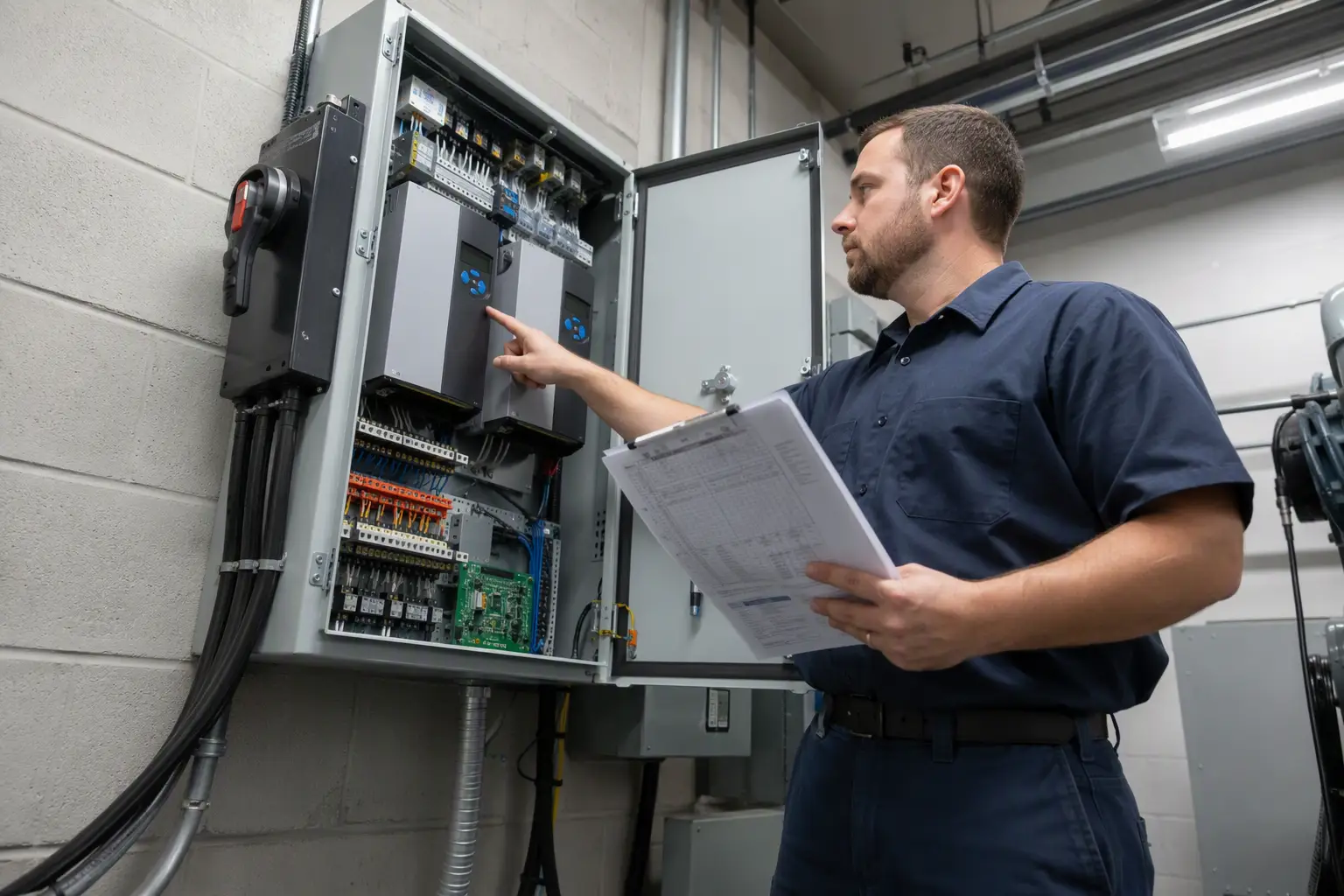
Elevator modernization projects that replace older hydraulic systems or DC motor drives with regenerative AC drives may qualify as energy-saving improvements under utility rebate frameworks. Building owners are encouraged to check directly with BGE and the MEA for current program availability, as incentive structures change from cycle to cycle. Quality Elevator Company can provide the technical documentation — including pre- and post-modernization energy profiles — that utilities typically require to process rebate applications.
What elevator code requirements in Maryland drive the urgency of modernization?
In Maryland, elevator construction, installation, and inspection are governed at the state level, with inspections coordinated through the Maryland Department of Labor. Maryland adopts editions of the ASME A17.1 Safety Code for Elevators and Escalators for new installations and the ASME A17.3 Safety Code for Existing Elevators and Escalators for equipment already in service.
ASME A17.3 is particularly important for modernization planning because it establishes the retroactive safety requirements that existing elevators must meet — meaning that even equipment installed decades ago may be required to incorporate specific upgrades over time. Requirements under A17.3 can include door protective devices, emergency lighting, firefighters’ emergency operation, and car enclosure standards. Non-compliance identified during a Maryland state inspection can result in an elevator being taken out of service until corrections are made.
For Baltimore commercial owners, proactive modernization — rather than reactive repair — is the most cost-effective path to maintaining continuous operation and avoiding forced shutdowns. Understanding which A17.3 provisions apply to a specific unit requires a professional assessment of the equipment’s vintage, configuration, and current inspection record.
How do commercial financing options work for elevator modernization projects?
Elevator modernization projects vary considerably in scope and cost depending on the age and type of equipment, the extent of upgrades required, and the building’s specific configuration. Because the capital outlay can be substantial, several financing structures are commonly used by commercial building owners.
- Equipment financing and leasing: Many commercial lenders offer equipment loans or leases specifically for building infrastructure upgrades. Elevator modernization components — including control systems, door operators, drive units, and cab interiors — can often be financed over multi-year terms, spreading the cost across the useful life of the improvement.
- Commercial real estate improvement loans: Some lenders package elevator modernization within broader commercial property improvement financing, particularly when the upgrade is tied to a lease renewal, a refinancing event, or a building sale preparation.
- Manufacturer financing programs: Some elevator equipment manufacturers offer direct financing or deferred payment arrangements for modernization packages that incorporate their components. These programs vary by manufacturer and availability.
- Property Assessed Clean Energy (PACE) financing: Where elevator modernization qualifies as an energy efficiency improvement, Maryland’s C-PACE (Commercial Property Assessed Clean Energy) program may allow financing repaid through a property tax assessment. Eligibility depends on project specifics and local program participation.
Quality Elevator Company works with building owners during the planning phase to document project scope in a format that supports financing applications and incentive submissions.
What does an elevator modernization project in Baltimore typically involve?
While each project is unique, the modernization process generally follows a consistent sequence. Understanding these steps helps building owners plan for timelines, tenant communications, and financing drawdown schedules.
- Assessment and audit: A certified elevator contractor inspects the existing equipment, reviews the current inspection certificate and violation history, and identifies which components are approaching end of service life or are out of compliance with ASME A17.3 or ADA requirements.
- Scope development: Based on the audit, a modernization scope is developed. This may range from a targeted control system replacement to a full cab, machine, and control modernization depending on equipment age and condition.
- Permitting: In Maryland, modernization work requires permits issued through the appropriate authority having jurisdiction (AHJ). Quality Elevator Company manages the permitting process as part of the project.
- Installation: Modernization work is performed by licensed elevator mechanics in accordance with the applicable edition of ASME A17.1 for new components and all applicable Maryland requirements.
- Inspection and acceptance: Upon completion, the Maryland Department of Labor or its designated inspection agency performs an acceptance inspection. A new certificate of inspection is issued when the equipment passes.
- Documentation for incentives: Post-completion documentation — including energy data, compliance certifications, and equipment specifications — is compiled to support any pending rebate or tax incentive filings.
How does ADA compliance factor into modernization planning for Baltimore commercial properties?
The Americans with Disabilities Act sets accessibility requirements for elevators in commercial facilities, including standards for cab dimensions, control panel heights, door timing, audible signals, and Braille signage. For Baltimore building owners operating in spaces subject to the ADA — which includes most commercial buildings open to the public or used as places of employment — an elevator modernization project represents an important opportunity to ensure full compliance.
Addressing ADA requirements proactively during a modernization project is generally more cost-effective than retrofitting after the fact. It also positions the building owner to access ADA-related tax incentives for barrier removal expenditures.
What workplace safety obligations apply to elevator modernization work in Maryland?
Elevator modernization and maintenance work is subject to OSHA standards governing construction and general industry, including lockout/tagout procedures, fall protection, and confined space protocols. In Maryland, the Maryland Occupational Safety and Health (MOSH) program operates as an OSHA-approved state plan and enforces these standards for workers in the state. Selecting a qualified elevator contractor whose field teams operate under documented safety programs is an essential part of responsible project management for building owners.
Why do Baltimore commercial building owners work with Quality Elevator Company for modernization projects?
Quality Elevator Company brings deep familiarity with the regulatory landscape that governs elevator work in Maryland and across the company’s service territory. The team understands how Maryland’s adoption of ASME codes intersects with local AHJ requirements, how to structure project documentation for incentive and rebate programs, and how to sequence modernization work to minimize disruption to building occupants.
Emergency service availability is part of the commitment to Baltimore commercial clients — building owners have access to support when elevator issues arise outside of standard business hours, helping protect building operations and tenant relationships.
From initial assessment through post-modernization inspection, Quality Elevator Company manages the process so that building owners can focus on their core business.
Ready to Explore Modernization Incentives for Your Baltimore Building?
Quality Elevator Company helps Baltimore, MD commercial building owners navigate elevator modernization from code assessment through project completion — and identifies every available incentive and financing option along the way.
Schedule a Free Consultation today: 301-307-5363
Need elevator service you can rely on? Quality Elevator Company is ready to help.