Elevator Code Update Requirements: Comparison & Decision Guide
Staying compliant with elevator code update requirements is one of the most consequential decisions a building owner or facility manager faces. Codes evolve, enforcement timelines vary by jurisdiction, and the cost and operational impact of non-compliance can far exceed the cost of timely upgrades. This guide breaks down the key compliance pathways, compares your options, and helps you make a well-informed decision.
What Are Elevator Code Update Requirements?
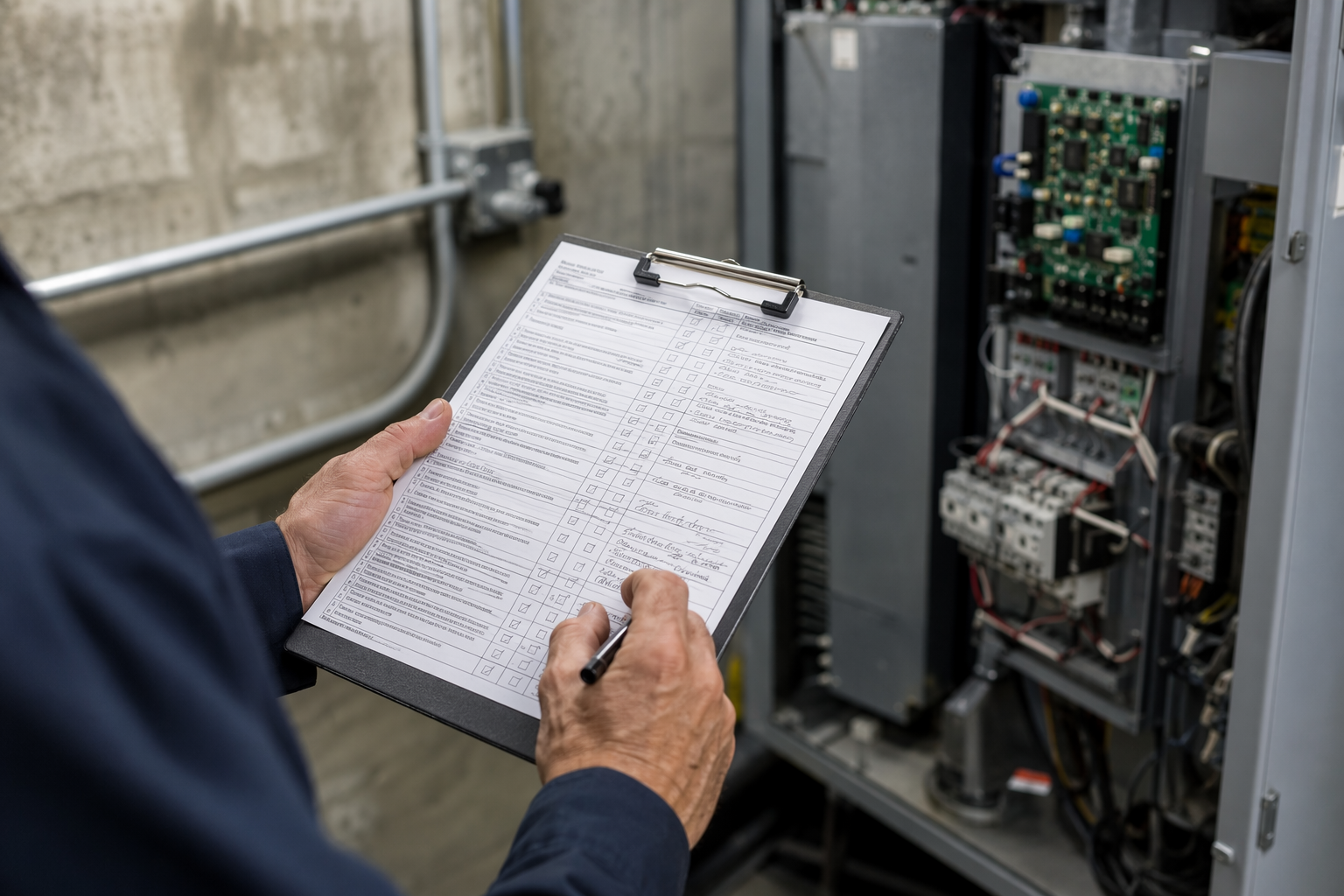
Elevator code update requirements refer to mandatory or jurisdictionally enforced upgrades to elevator systems, components, or safety features to align with current editions of adopted safety standards. The primary standard governing elevators in the United States is the ASME A17.1 Safety Code for Elevators and Escalators, which is updated on a regular cycle. Individual states and municipalities adopt specific editions of ASME A17.1 and may layer additional requirements on top.
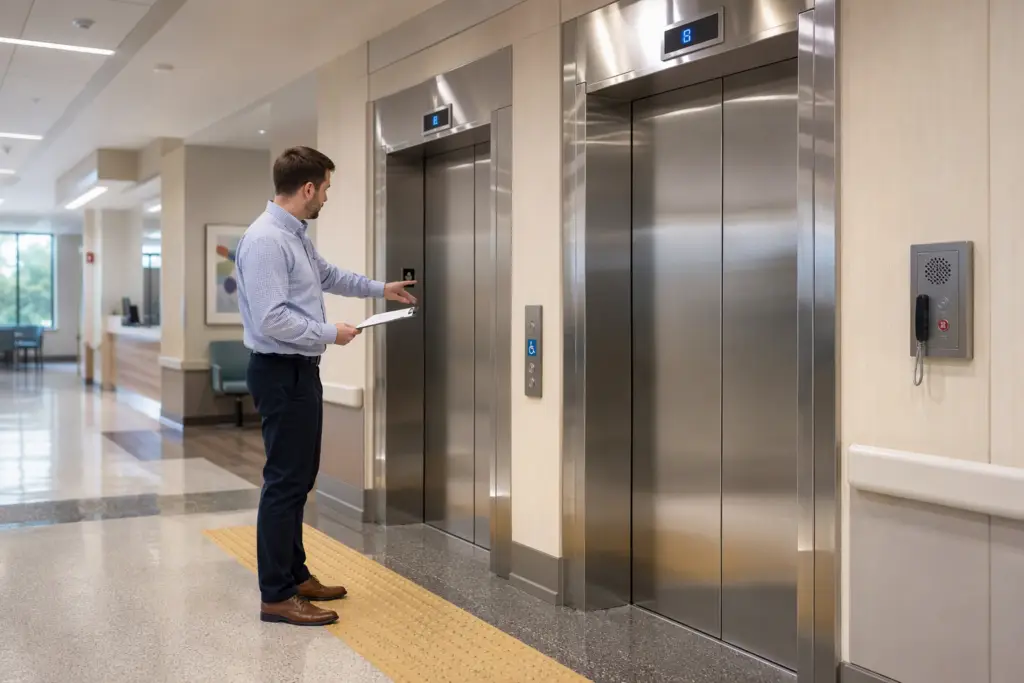
Accessibility requirements are also enforced under the Americans with Disabilities Act (ADA), which mandates that elevators in multi-story buildings serving the public meet specific dimensions, control heights, and auditory/visual signal requirements. Workplace elevators may also fall under OSHA safety standards depending on the context of use.
In 2026, many jurisdictions are actively enforcing code editions that include requirements for enhanced door detection systems, emergency communication upgrades, machine room environmental controls, and seismic safety provisions in applicable regions. Building owners should verify which edition of ASME A17.1 their local AHJ has adopted, as this determines the exact scope of required upgrades.
What Are the Main Pathways for Achieving Elevator Code Compliance?
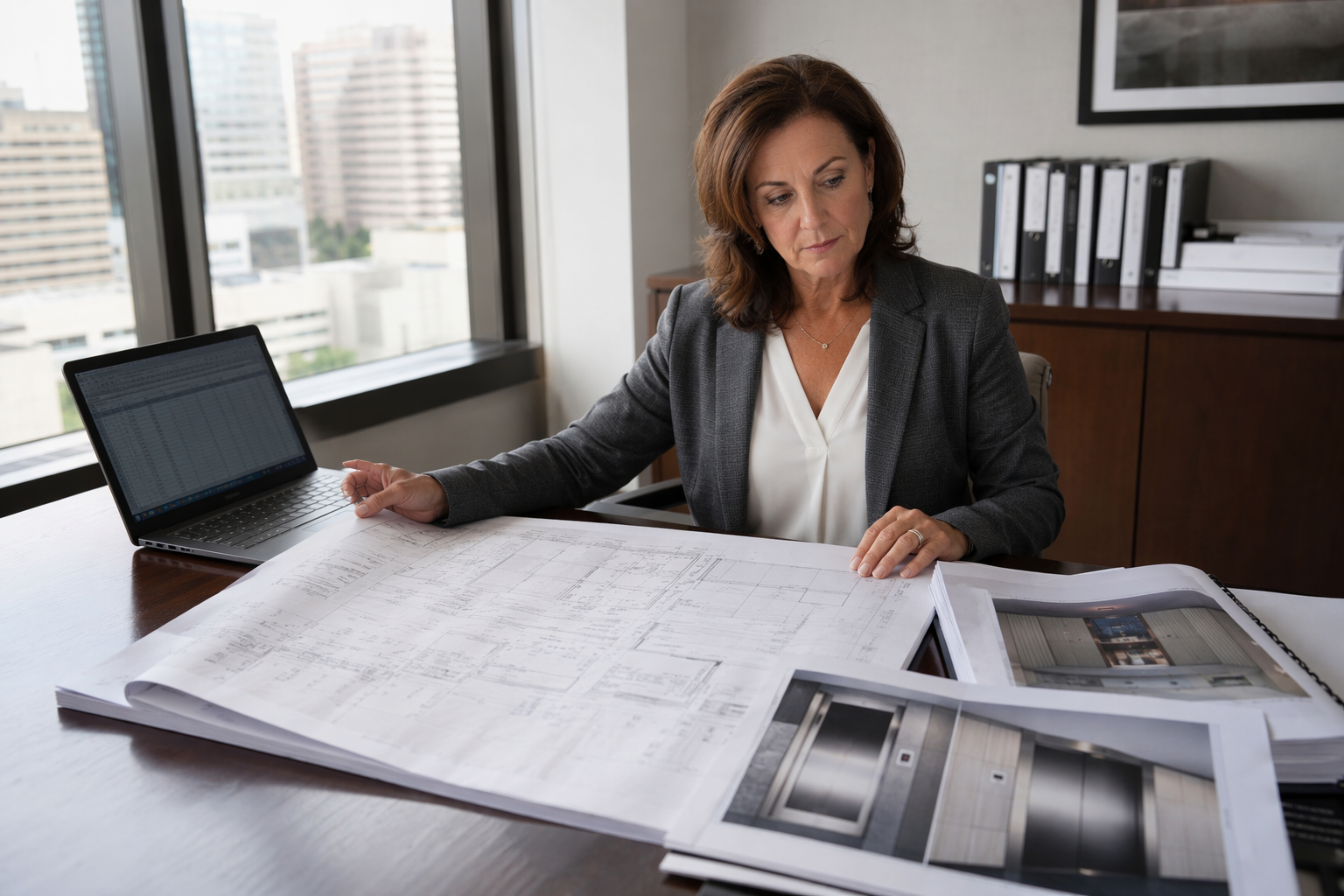
Building owners facing code compliance requirements generally have three primary pathways. Understanding the differences in scope, cost range, disruption, and long-term value is essential before committing to a course of action.
Comparison Table: Compliance Pathways
| Pathway | Scope | Disruption Level | Typical Timeline | Long-Term Value | Best For |
|---|---|---|---|---|---|
| Targeted Code Retrofit | Address specific non-compliant components only (e.g., door sensors, emergency lighting, signage) | Low to Moderate | Days to weeks per component category | Moderate — resolves current violations but may require future work as codes advance | Newer installations with isolated deficiencies |
| Partial Modernization | Upgrade major subsystems (controller, drive, cab interior) while retaining structural components | Moderate | Weeks to a few months per elevator | High — extends useful life significantly and improves performance | Mid-age elevators (roughly 15–30 years) with mixed compliance status |
| Full Modernization / Replacement | Replace all major systems including machine, controller, doors, cab, and safety devices | High — extended downtime | Several months per elevator | Very High — full code compliance, improved energy efficiency, extended operational life | Older elevators with pervasive non-compliance or high maintenance burden |
How Do I Know Which Code Requirements Apply to My Elevator?
The edition of ASME A17.1 adopted by your local Authority Having Jurisdiction determines the baseline requirements. Beyond that, the following factors shape which specific requirements apply to your installation:
- Installation date: Many code provisions apply retroactively to existing elevators based on the original installation date. Grandfathering provisions vary significantly by jurisdiction.
- Elevator type: Hydraulic, traction, MRL (machine room-less), and freight elevators each have distinct code sections.
- Occupancy type: Residential, commercial, healthcare, and public-use buildings may face different enforcement timelines and additional requirements.
- ADA applicability: Multi-story facilities serving the public must comply with ADA accessible design standards for elevators, including cab dimensions, control reach ranges, door timing, and two-way communication systems.
- OSHA applicability: If the elevator is used in a workplace or construction environment, OSHA standards may impose additional inspection and operational requirements.
Quality Elevator Company recommends requesting a written compliance assessment from a qualified elevator service company before making any capital decisions. The assessment should identify all cited deficiencies, the applicable code citations, and the enforcement timeline from the local AHJ.
What Are the Pros and Cons of Each Compliance Pathway?
Pros and Cons Comparison Table
| Pathway | Pros | Cons |
|---|---|---|
| Targeted Code Retrofit |
|
|
| Partial Modernization |
|
|
| Full Modernization / Replacement |
|
|
What Is the Step-by-Step Process for Addressing Elevator Code Update Requirements?
- Obtain a copy of the violation notice or inspection report from the local Authority Having Jurisdiction (AHJ) or reviewing inspector. Identify all cited code sections.
- Determine which edition of ASME A17.1 your jurisdiction has adopted and confirm the effective dates of the cited requirements. Consult the ASME Codes & Standards page for current edition information.
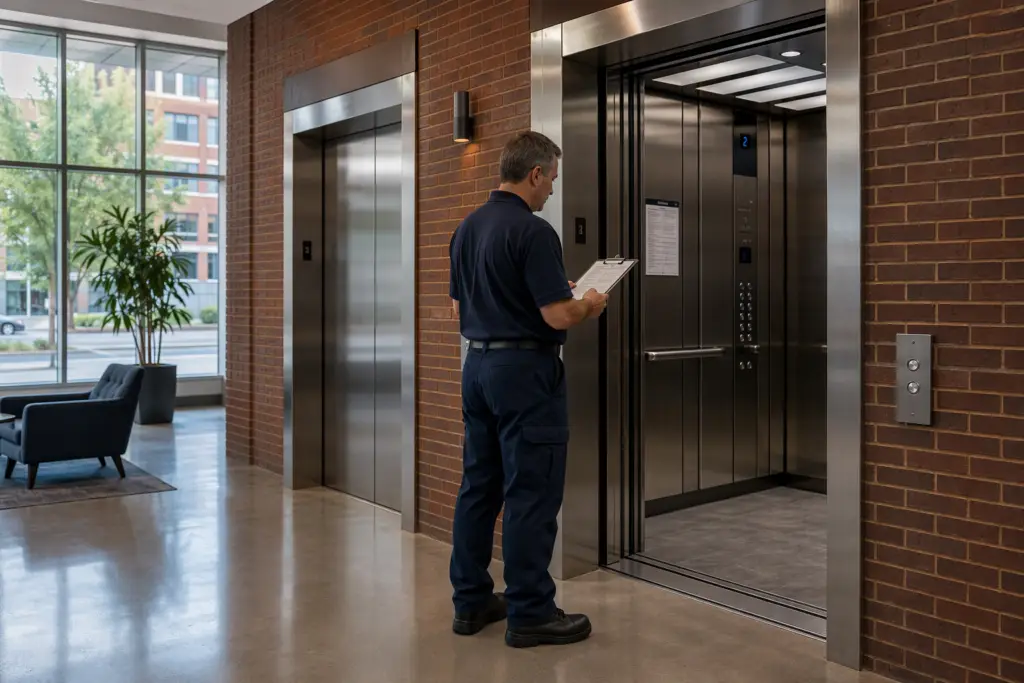
- Engage a qualified, independent elevator service company to conduct a comprehensive field assessment of all elevator equipment against the cited requirements.
- Request written scope proposals for each applicable compliance pathway (targeted retrofit, partial modernization, full modernization) so costs and timelines can be compared directly.
- Review ADA compliance in parallel with code compliance, particularly if the building serves the public. Consult the ADA.gov standards for accessible design.
- Confirm enforcement timeline with the AHJ — many jurisdictions allow a compliance schedule or variance if the owner demonstrates a good-faith upgrade plan with documented contractor engagement.
- Select a pathway and execute a contract with a licensed elevator contractor. Confirm that all work will be permitted, inspected, and signed off by the AHJ upon completion.
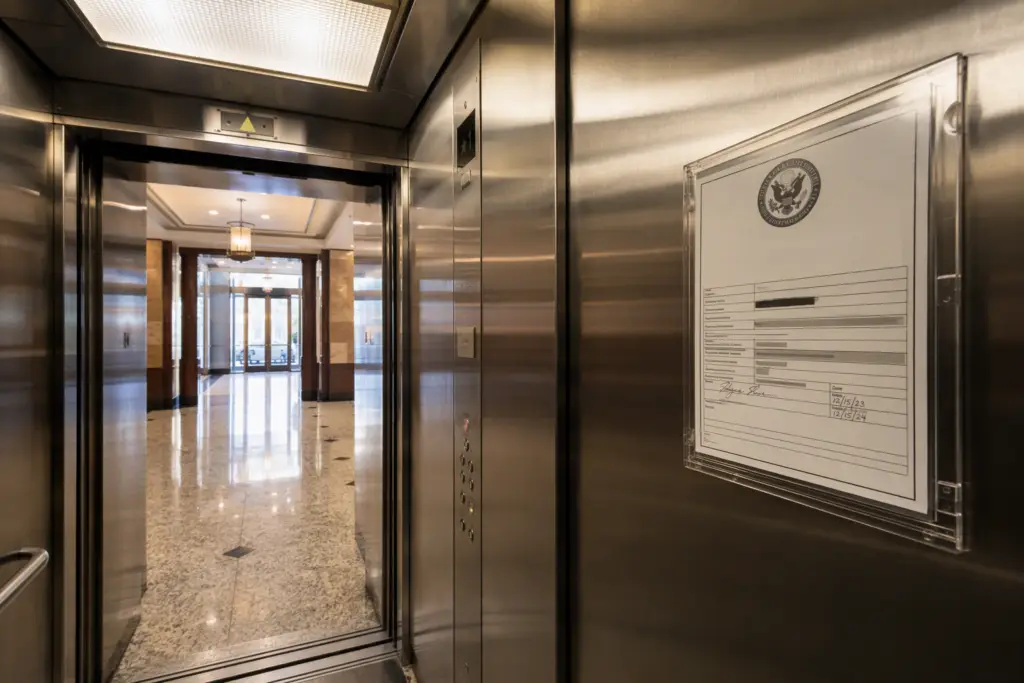
- Obtain a current certificate of inspection upon completion and retain all documentation for property records, insurance, and future reference.
What Happens If I Ignore Elevator Code Update Requirements?
Non-compliance with elevator code requirements carries serious consequences that typically escalate over time. The Authority Having Jurisdiction may issue orders to cease elevator operation, which results in immediate service interruption. In commercial buildings, this can affect tenant occupancy, accessibility obligations under the ADA, and lease obligations. Continued operation of a cited elevator without remediation can also expose building owners to significant liability in the event of an incident.
From a practical standpoint, insurance carriers may limit or deny coverage for incidents involving equipment operating in violation of applicable codes. Property sale, refinancing, and due diligence processes often surface code violations, creating transactional complications.
How Long Does an Elevator Code Compliance Project Typically Take?
Project timelines vary based on the scope of work, parts availability, and AHJ inspection scheduling. In general terms:
- Targeted retrofits for individual components — such as door detection upgrades or emergency lighting — are often completed within days to a few weeks per elevator, subject to parts lead times.
- Partial modernization projects involving controller replacement, drive upgrades, or cab interiors typically span several weeks to a few months per elevator.
- Full modernization or replacement projects are more complex and may span several months, particularly in buildings with multiple units requiring phased outages.
Supply chain conditions for elevator components and AHJ inspection backlogs in some jurisdictions can extend timelines beyond initial estimates. Engaging a service provider early and beginning permit applications promptly are the most effective ways to minimize delays.
Does Elevator Code Compliance Differ for Hydraulic vs. Traction Elevators?
Yes. The ASME A17.1 Safety Code for Elevators and Escalators contains distinct requirements for hydraulic and traction elevator types, and the cost and complexity of compliance projects differ accordingly.
Hydraulic elevators present specific concerns around environmental compliance related to hydraulic fluid containment, oil spill prevention, and underground cylinder integrity in older single-bottom cylinder installations. Many jurisdictions require pressure testing and containment liner documentation for aging hydraulic systems.
Traction elevators — both geared and gearless — have their own requirements related to governor systems, safeties, machine brake performance, and counterweight guarding. Machine room-less (MRL) traction units may have additional requirements related to service access and rescue procedures.
A qualified elevator service company can assess the specific code status of either system type and recommend the appropriate compliance pathway.
What Role Does the ADA Play in Elevator Code Compliance?
The Americans with Disabilities Act establishes accessibility requirements for elevators in facilities subject to its coverage. For existing buildings undergoing alterations, the ADA requires that the path of travel — including elevators — be made accessible to the extent that it is technically feasible. Key ADA elevator requirements include:
- Minimum cab interior dimensions to accommodate wheelchair users
- Door reopening devices that respond to both obstruction and timing
- Hall and car controls at specified reach ranges
- Visual and auditory floor indicators
- Raised and Braille floor designations on control buttons
- Two-way emergency communication systems usable by individuals with hearing or speech impairments
ADA compliance does not replace ASME A17.1 compliance — both must be achieved simultaneously. When planning any elevator upgrade project, auditing against both frameworks prevents costly rework.
How Should I Compare Elevator Service Providers for a Code Compliance Project?
Selecting the right service provider for an elevator code compliance project is a critical decision. The comparison criteria below help building owners evaluate candidates objectively:
| Evaluation Factor | What to Look For | Red Flags |
|---|---|---|
| Independence | Provider can work on multi-brand equipment and source components from multiple manufacturers | Proprietary service agreements that lock out competitive bids |
| Code Knowledge | Technicians reference specific ASME A17.1 sections and local AHJ requirements by name | Vague references to “code compliance” without specific citations |
| Permitting & Inspection Management | Provider pulls all necessary permits and coordinates AHJ inspections | Owner is expected to manage permitting independently |
| Written Scope & Documentation | Detailed written scope of work with specific components, code references, and closeout documentation | Verbal commitments or vague scopes of work |
| References | Verifiable references from similar building types in the same jurisdiction | No references or unwillingness to provide them |
Quality Elevator Company is an independent elevator service provider offering unbiased code compliance assessments, full-service modernization, and ongoing maintenance. Because Quality Elevator Company operates independently — not as a captive service arm of a single manufacturer — clients receive objective recommendations based on their specific equipment, code requirements, and budget priorities.
What Is the ROI of Proactive Elevator Code Compliance?
The return on investment from proactive elevator code compliance is best evaluated across several dimensions rather than as a simple payback calculation, since the underlying variables depend heavily on equipment age, local enforcement, and building use:
- Avoided operational shutdown costs: An ordered elevator shutdown in a commercial building creates immediate disruption to tenants, operations, and accessibility obligations.
- Reduced liability exposure: Maintaining code-compliant equipment reduces the risk profile of the property, which can have insurance implications.
- Extended equipment life: Modernization projects that bring equipment to current code standards typically extend the useful service life of the installation.
- Energy efficiency improvement: Modern drive technology and controls generally consume less energy than legacy systems, providing operating cost reductions over time.
- Property value and marketability: Code-compliant, well-maintained vertical transportation is a positive factor in leasing, refinancing, and sale transactions.
The strongest ROI case is typically made for proactive compliance — addressing requirements before the AHJ issues a mandatory compliance order — because it allows owners to sequence projects, plan for downtime, and obtain competitive bids rather than responding under deadline pressure.
Are There Local Variations in Elevator Code Requirements I Should Know About?
Yes — and this is one of the most commonly misunderstood aspects of elevator code compliance. While the ASME A17.1 Safety Code for Elevators and Escalators is the national model standard, each state and municipality adopts a specific edition of the code and may add local amendments. This means:
- The edition of ASME A17.1 in force in one state may be several cycles behind or ahead of a neighboring state.
- Local amendments may impose requirements beyond the national code — for example, seismic provisions in earthquake-prone regions, or specific emergency communication requirements.
- Enforcement timelines and grandfathering provisions are set locally and can vary significantly even within a metropolitan area depending on whether the building falls under city, county, or state jurisdiction.
Always verify the exact adopted edition and any local amendments with your AHJ before finalizing a compliance plan. A qualified, locally experienced elevator service company is an invaluable resource for navigating these jurisdictional nuances.
What Maintenance Obligations Come with Code Compliance?
Achieving code compliance through a retrofit or modernization project is not a one-time event. Ongoing maintenance and inspection obligations are a permanent part of elevator ownership. The ASME A17.1 standard establishes inspection and testing intervals for elevators, including periodic inspections and witnessing requirements that vary by elevator type and jurisdiction. Workplace elevators may also be subject to OSHA inspection requirements.
A comprehensive maintenance agreement with a qualified elevator service company helps ensure that equipment remains compliant between mandatory inspections, that safety devices are tested at required intervals, and that records are maintained in a format acceptable to the AHJ.
Ready to Understand Your Elevator Code Compliance Requirements?
Contact Quality Elevator Company for a free elevator assessment. An independent evaluation from a knowledgeable service provider is the most reliable starting point for any code compliance project — and the best way to avoid costly surprises.
Call Quality Elevator Company today: 301-779-9116
Quality Elevator Company provides unbiased compliance assessments, modernization planning, and ongoing maintenance services — helping building owners navigate elevator code update requirements with clarity and confidence.
Need elevator service you can rely on? Quality Elevator Company is ready to help.