Elevator Violation and Shutdown Orders: What Building Owners Must Do Next in Maryland, DC, Virginia, and Pennsylvania
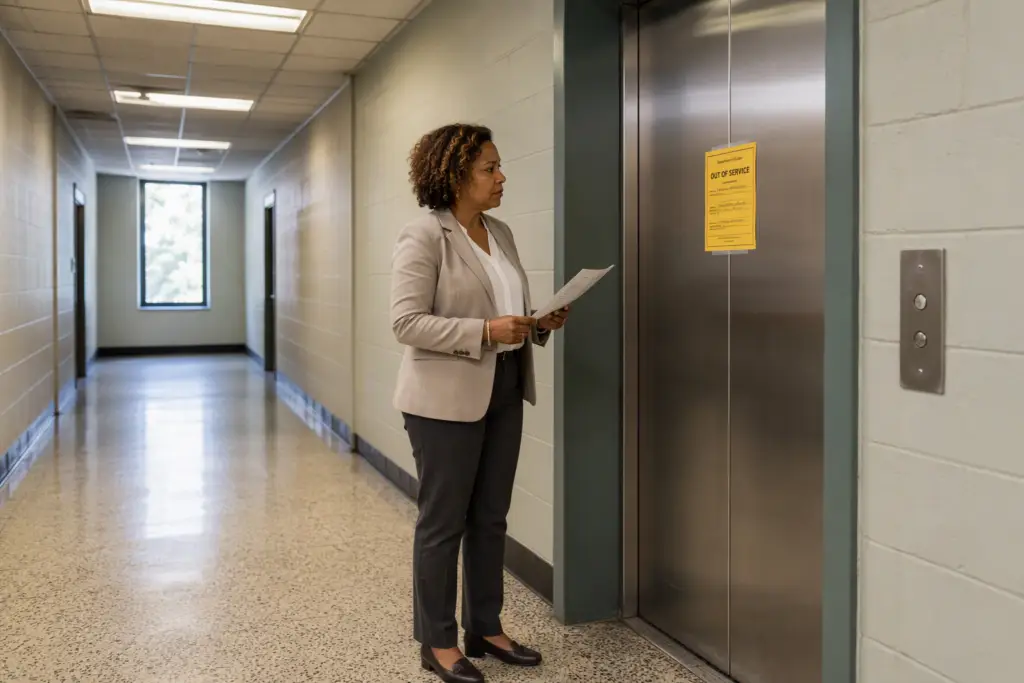
Direct Answer: If your elevator fails inspection and receives a violation or shutdown order, immediately cease elevator operation (if ordered out of service), contact a licensed elevator service company to assess the cited deficiencies, obtain written repair documentation, and schedule a reinspection with the issuing authority — most jurisdictions require corrections within a defined timeframe […]
Full Maintenance vs. Oil-and-Grease Elevator Contracts: What Building Owners Are Actually Buying and Why It Matters
Quick Answer: Check your elevator service contract for the specific scope-of-work language: a full maintenance agreement covers parts, labor, emergency callbacks, and systematic component replacement, while a lubrication and adjustment (L&A) contract covers only periodic lubrication, minor adjustments, and basic safety tests — leaving parts, repairs, and callbacks as billable extras. Knowing whether your elevator […]
Senior Living Elevator Requirements: Compliance, Maintenance Standards, and Resident Safety in Maryland, DC, Virginia, and Pennsylvania
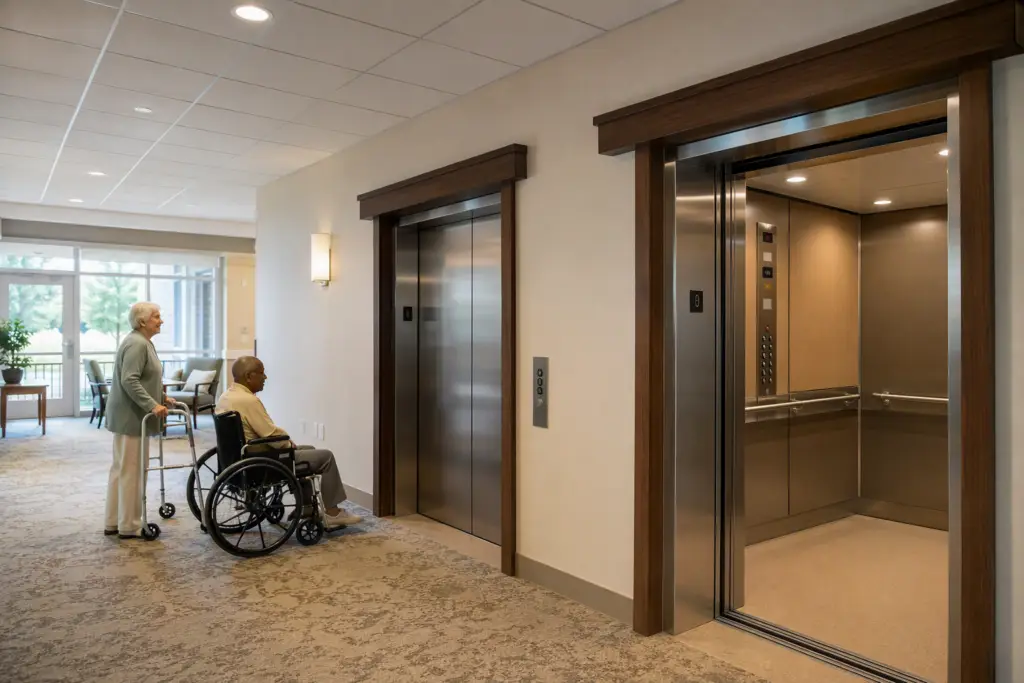
Elevator Maintenance & Inspection Requirements for Senior Living and Assisted Living Facilities Quick Answer: Senior living and assisted living facilities must comply with ASME A17.1 Safety Code for Elevators and Escalators inspection and maintenance intervals, state-specific elevator safety regulations, and ADA accessibility standards — with routine maintenance, periodic inspections, and annual or more frequent third-party […]
Hotel Elevator Requirements: Compliance, Maintenance Schedules, and Guest Safety Standards in Maryland, DC, Virginia, and Pennsylvania
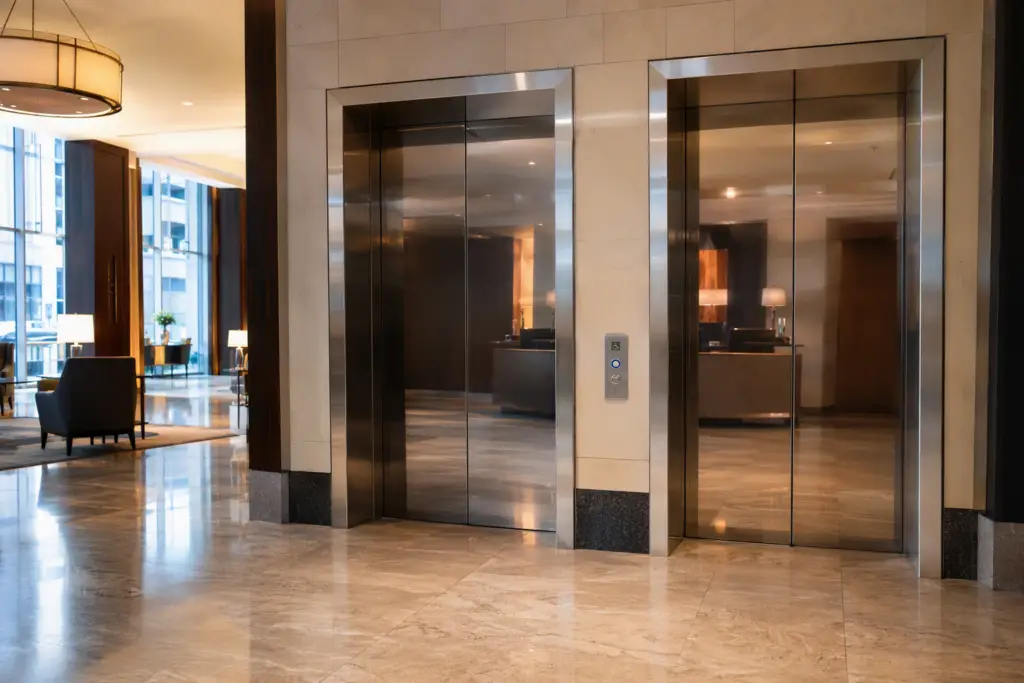
Direct Answer: Hotels and hospitality buildings in Maryland, DC, Virginia, and Pennsylvania must maintain elevators in compliance with state-adopted editions of the ASME A17.1 Safety Code for Elevators and Escalators, schedule periodic third-party inspections, meet ADA accessibility standards, and maintain comprehensive maintenance programs — with inspection intervals, permit requirements, and enforcement agencies varying by jurisdiction. […]
Elevator Capital Planning for 2027: How Building Owners and Facility Directors Should Budget for Maintenance, Repairs, and Modernization

How to Budget for Elevator Maintenance and Repairs in Your 2027 Fiscal Year Capital Plan Direct Answer: To budget for elevator maintenance and repairs in your 2027 fiscal year capital plan, assess your current equipment age and condition, obtain competitive maintenance contract quotes, reserve funds for mandatory annual inspections and code-required upgrades, and set aside […]
What to Expect During an Elevator Modernization: Project Phases, Downtime, and Planning Advice for Building Owners
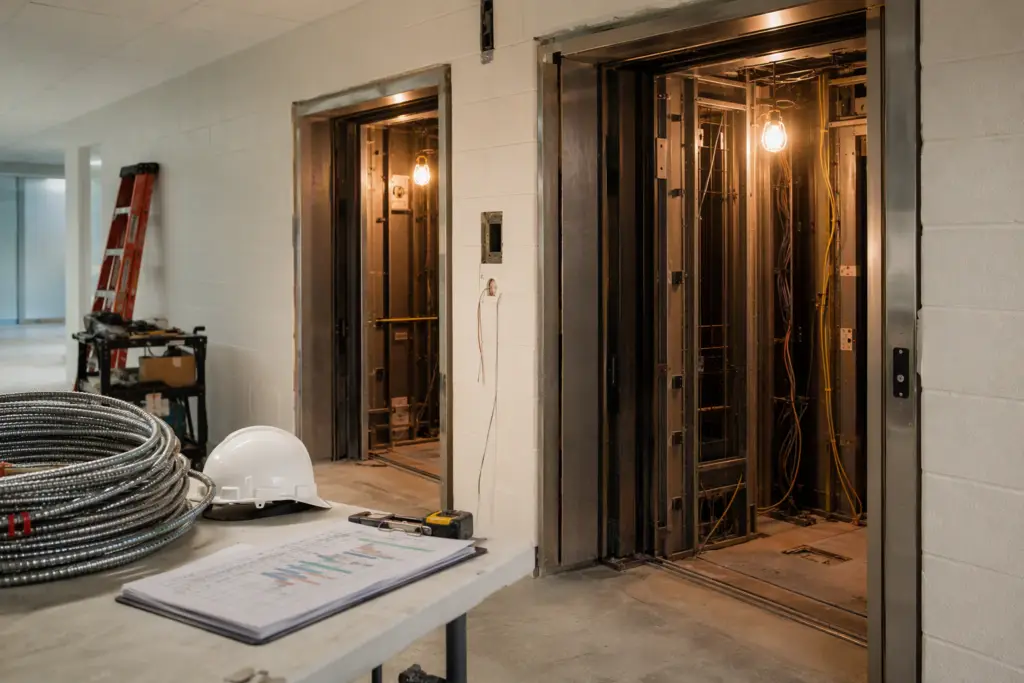
Quick Answer: An elevator modernization project typically unfolds in phases — assessment, permitting, equipment procurement, installation, and inspection — and building owners should plan for their elevator to be out of service anywhere from a few weeks to several months depending on the scope of work, building type, and local permitting timelines. An elevator modernization […]
Annual Elevator Maintenance Costs: What Building Owners in Baltimore, DC, Philadelphia, and Richmond Should Budget For
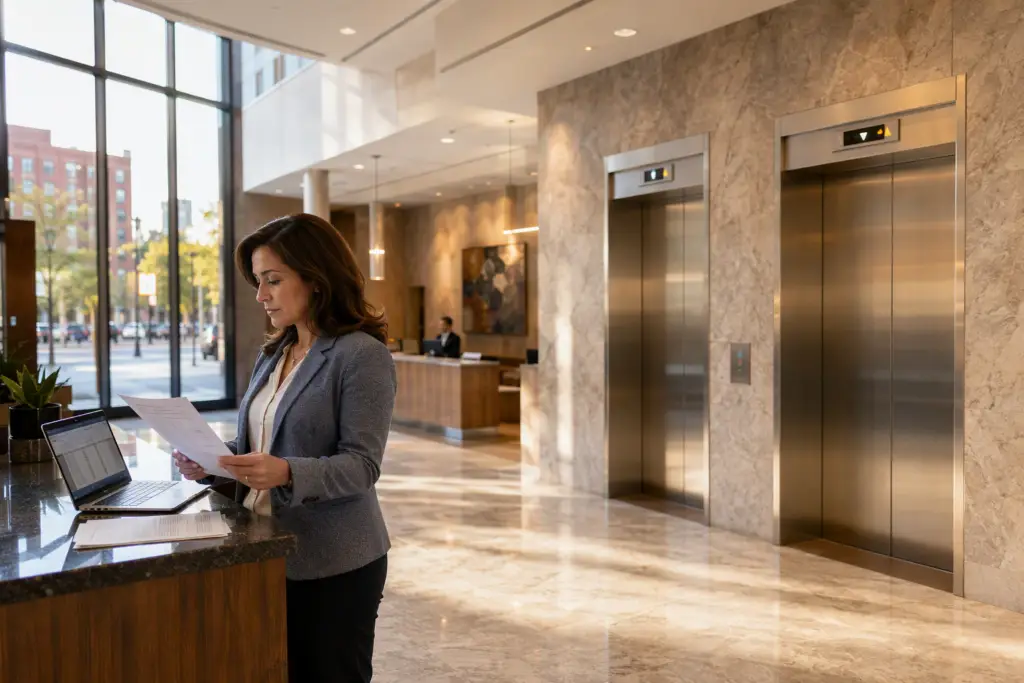
How Much Does Elevator Maintenance Cost Per Year for a Commercial Building? | Quality Elevator Company How Much Does Elevator Maintenance Cost Per Year for a Commercial Building? Annual elevator maintenance costs for commercial buildings typically range from a few thousand dollars for a basic single-elevator contract to well over twenty thousand dollars for full-coverage […]
Hospital Elevator Requirements: Compliance, Maintenance Standards, and Uptime Expectations for Healthcare Facilities in Baltimore, DC, Philadelphia, and Richmond
Hospital & Healthcare Elevator Maintenance: Safety Considerations and Compliance Requirements Quick Answer: Hospital and healthcare facility elevators require stricter maintenance intervals, infection-control protocols, uninterruptible power provisions, bariatric capacity planning, and compliance with ASME A17.1 Safety Code for Elevators and Escalators and ADA accessibility standards to protect patients, staff, and medical equipment around the clock. By […]
Elevator Inspection Frequencies, Failure Consequences, and Re-Inspection Rules for Commercial Buildings in Maryland, DC, Virginia, and Pennsylvania
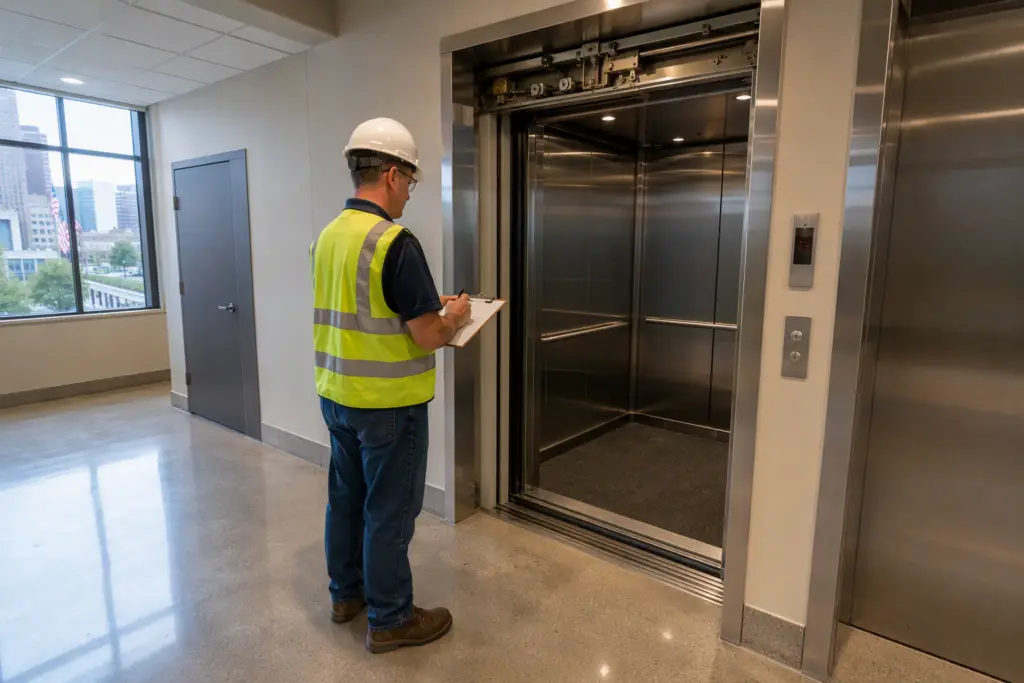
Direct Answer: Commercial elevators in most U.S. jurisdictions must be inspected at least once per year by a licensed third-party inspector, though some states and cities require semi-annual or even quarterly inspections depending on elevator type and use; if an elevator fails inspection, it must be taken out of service immediately until all cited deficiencies […]
ADA Elevator Requirements for Existing Buildings: What Triggers Compliance Upgrades in Baltimore, DC, Philadelphia, and Richmond
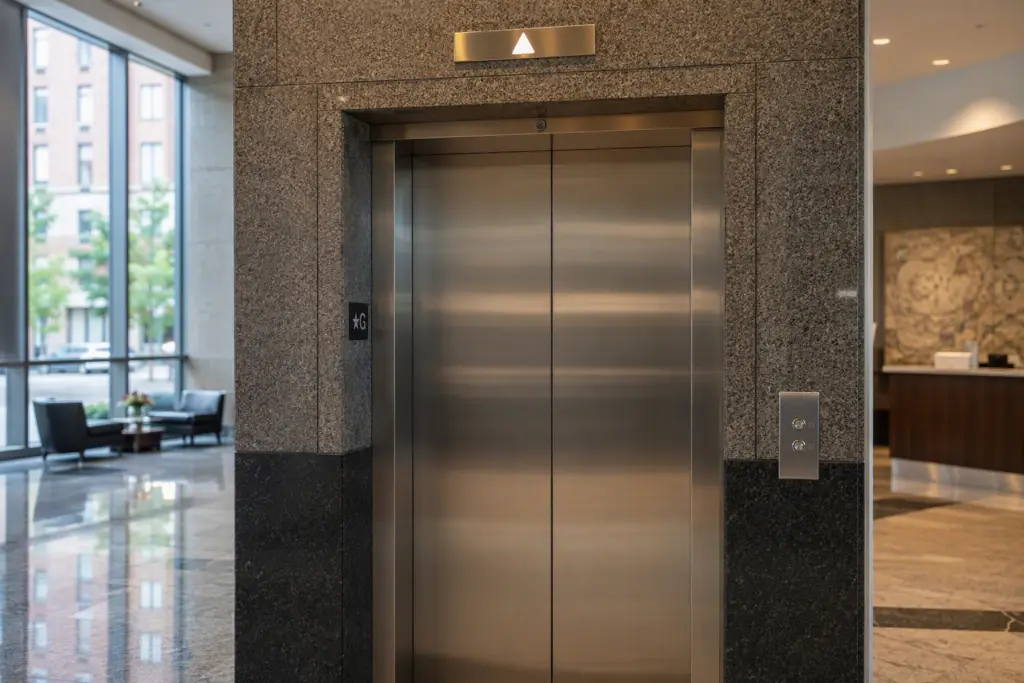
Elevator Service in Baltimore, MD | Quality Elevator Company Direct Answer: Under the Americans with Disabilities Act, existing buildings must remove elevator accessibility barriers when doing so is “readily achievable,” and more comprehensive upgrades are triggered by alterations or renovations — meaning most Baltimore commercial and multifamily building owners will face ADA elevator compliance requirements […]