Elevator Modernization vs. Full Replacement: Which Is Better?
Choosing between elevator modernization and full replacement is one of the most significant capital decisions a building owner or facility manager will face. The right answer depends on the age and condition of existing equipment, local code compliance requirements, budget constraints, anticipated ROI, and the long-term plans for the building itself. This guide breaks down every major factor so decision-makers can approach the choice with clarity and confidence.
What Is Elevator Modernization?
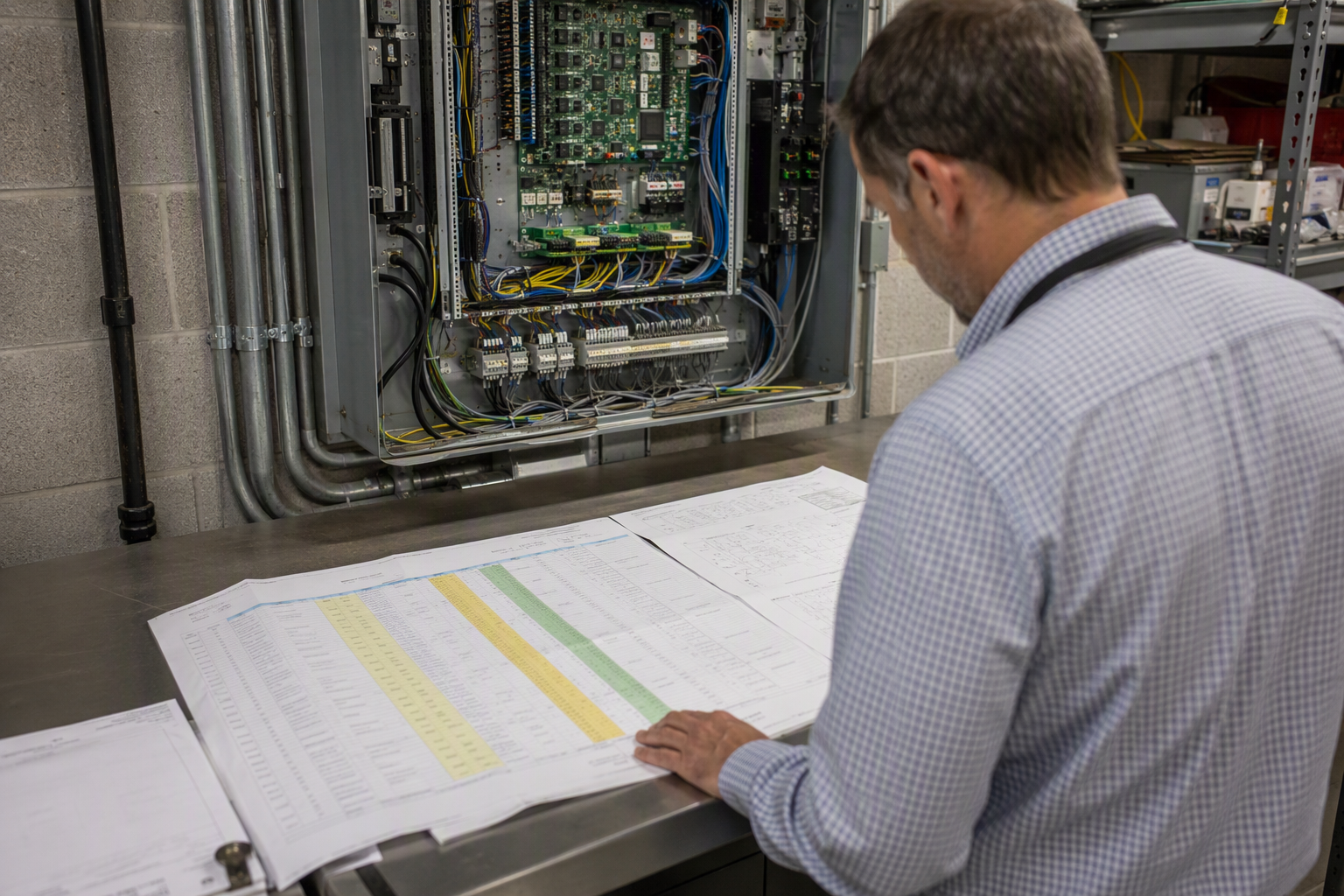
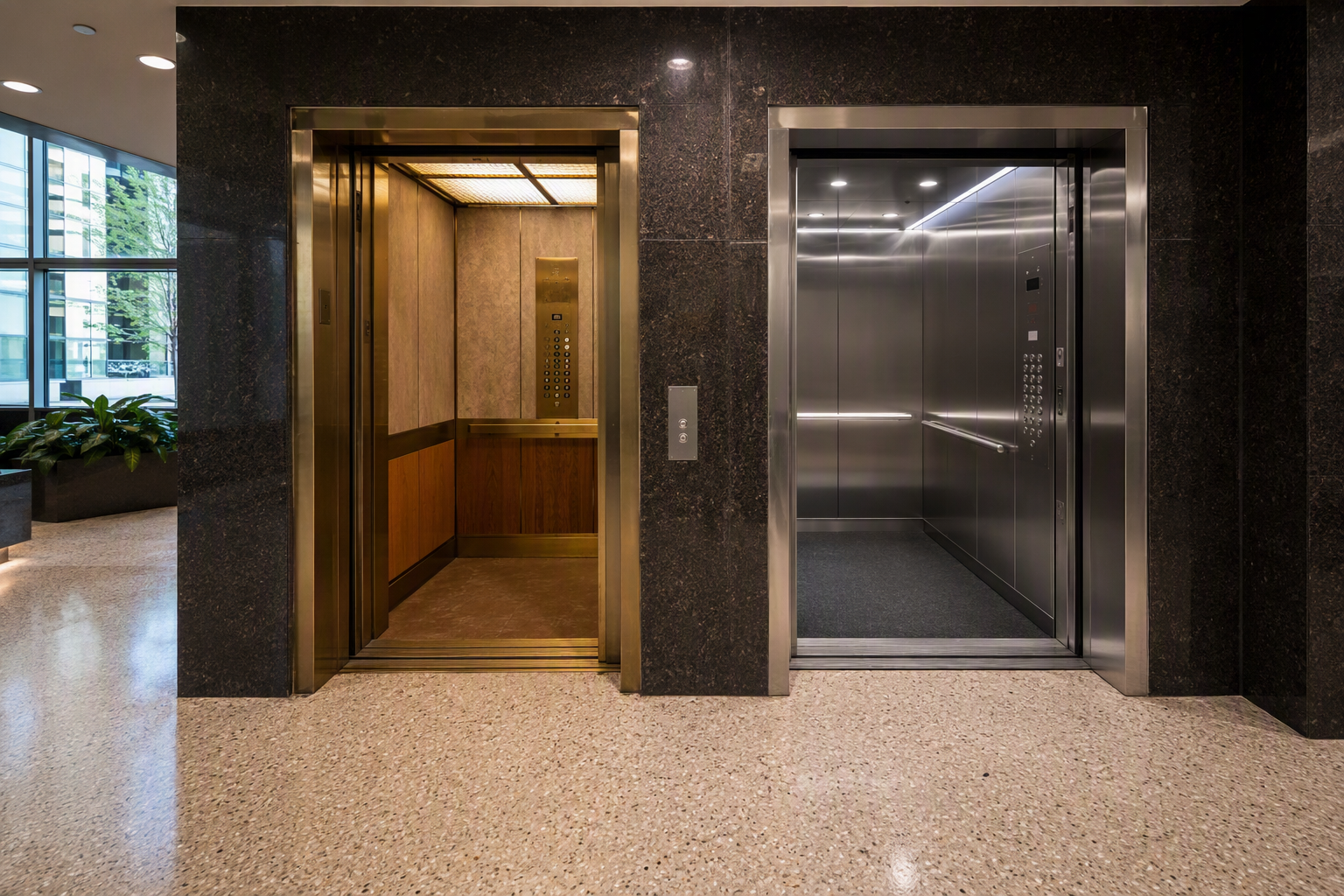
Elevator modernization — sometimes called a “mod” — refers to the process of upgrading specific components of an existing elevator system without replacing the entire unit. A modernization project can range from a targeted controller replacement to a comprehensive overhaul that touches nearly every major system: drive, controls, cab interior, door operators, safety devices, and fixtures.
Modernization preserves the existing hoistway, machine room (where applicable), and structural elements, which is often the most cost-intensive portion of any elevator project. Because the shaft and pit are left largely intact, modernization avoids the construction disruption associated with full replacement.
What Does Full Elevator Replacement Involve?
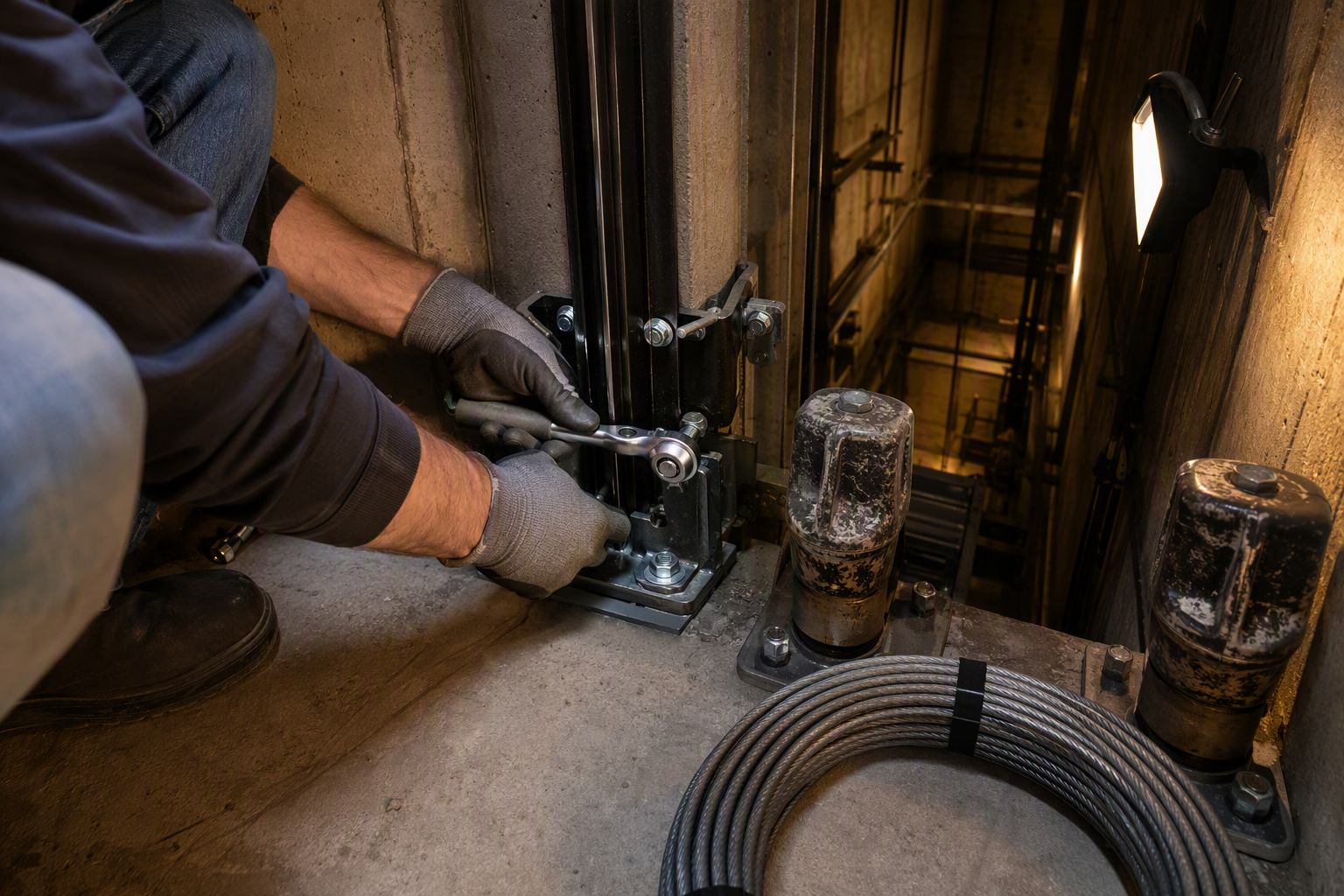
Full replacement means removing the entire elevator system — including all mechanical and electrical components — and installing a new unit. Depending on the scope, this may involve structural modifications to the hoistway, installation of new guide rails, and in some cases reconfiguration of the machine room or transition to a machine-room-less (MRL) design. Full replacement projects are more disruptive, carry higher upfront costs, but deliver the benefit of starting with entirely new, warrantied equipment that meets current code editions in force in 2026.
How Do the Costs Compare?
Cost is nearly always the first question asked, and it is also the most variable. The figures below reflect general industry ranges publicly discussed in trade literature and manufacturer resources; any specific quote for a project will vary significantly by geography, equipment type, cab size, and building conditions. Always obtain multiple bids and a professional assessment before budgeting.
| Factor | Modernization | Full Replacement |
|---|---|---|
| Typical Scope | Controls, drives, cab, doors, safety devices — existing shaft retained | All components removed; new system installed, potentially with structural changes |
| Upfront Cost | Generally lower than full replacement for equivalent elevator type | Generally higher; includes labor for full removal and structural work |
| Construction Disruption | Low to moderate; hoistway largely intact | High; potential hoistway modification, extended downtime |
| Equipment Warranty | New warranties apply only to replaced components | Full new-equipment warranty on all systems |
| Expected Service Life Added | Typically extends useful life significantly, depending on scope | Full new lifecycle — equipment built to current standards |
| Code Compliance Achieved | Partial; triggered upgrades required by jurisdiction | Full compliance with code edition in force at time of installation |
| Energy Efficiency Improvement | Significant improvement with modern drives and controls | Maximum improvement; all systems optimized |
| Best For | Buildings with structurally sound shafts and limited compliance gaps | Severely aged equipment, structural issues, or full building renovation |
What Code Compliance Requirements Should Building Owners Know?
Both modernization and replacement projects trigger code compliance reviews. In the United States, elevator safety is primarily governed by the ASME A17.1 Safety Code for Elevators and Escalators, which is updated periodically and adopted by state and local jurisdictions on varying schedules. As of 2026, many jurisdictions are enforcing editions that include requirements for door reopening devices, emergency lighting, firefighters’ service, and seismic requirements in applicable regions.
When a modernization project is permitted, the jurisdiction will typically require that any altered or replaced component comply with the current applicable code edition. This is called a “triggered upgrade” — meaning that even a targeted mod can require additional work to bring related systems into compliance. Full replacement, by contrast, means all systems must meet the current code from the start, providing a clean compliance baseline.
Accessibility requirements under the Americans with Disabilities Act (ADA) also apply to elevator alterations. Control height, cab dimensions, door timing, and signage must meet ADA standards when an elevator is altered in a covered facility. This is a factor that often adds scope — and cost — to modernization projects.
Workplace elevator safety in facilities where maintenance personnel operate equipment is additionally subject to OSHA standards, which building owners and their service contractors must observe during any construction or maintenance phase.
What Are the Pros and Cons of Elevator Modernization?
| Pros of Modernization | Cons of Modernization |
|---|---|
| Lower upfront capital outlay compared to full replacement | Does not eliminate all aging structural components |
| Less construction disruption; shorter downtime in most cases | Triggered code upgrades can expand scope and budget unexpectedly |
| Substantial energy savings with modern variable-frequency drives | Partial warranty coverage — legacy components not replaced carry no new warranty |
| Improved ride quality, reliability, and cab aesthetics | May not be cost-effective if multiple major systems need replacement simultaneously |
| Phased approach possible — spread investment over time | Future maintenance on non-replaced legacy components may increase over time |
| Retains existing hoistway — avoids costly structural construction | Remaining useful life still tied to the age of the retained components |
What Are the Pros and Cons of Full Elevator Replacement?
| Pros of Full Replacement | Cons of Full Replacement |
|---|---|
| All components are new; full manufacturer warranties apply | Significantly higher upfront capital cost |
| Clean compliance baseline with current ASME A17.1 and ADA requirements | Extended downtime — elevator may be out of service for weeks or months |
| Maximum energy efficiency from optimized, integrated new systems | Potential hoistway or machine room modifications add construction complexity |
| Predictable long-term maintenance costs on new equipment | Greater disruption to building tenants, residents, or operations |
| Opportunity to upgrade to MRL or other modern drive configurations | Requires detailed planning, permitting, and contractor coordination |
| Highest long-term ROI when equipment is severely aged or failing | Overkill for buildings with structurally sound shafts and recent partial upgrades |
How Long Does Each Option Take to Complete?
Timeline is a critical operational consideration, especially in multi-tenant buildings, hospitals, or high-traffic commercial properties where elevator downtime directly affects occupant safety and satisfaction.
| Project Type | Typical Timeline Range | Key Variables |
|---|---|---|
| Targeted Modernization (controls or cab only) | A few days to several weeks | Scope of work, parts lead time, permit processing |
| Comprehensive Modernization (multiple major systems) | Several weeks to a few months | Complexity, triggered upgrades, inspection scheduling |
| Full Replacement (standard configuration) | Several months | Equipment manufacturing lead time, structural work, permitting |
| Full Replacement with Hoistway Modification | Many months; potentially longer for complex structures | Structural engineering, general contractor coordination, inspection |
When Is Modernization the Right Choice?
Modernization is typically the better decision when the following conditions apply:
- The hoistway, pit, and structural elements are in sound condition
- The elevator has one or two primary systems (controls, drives, doors, or cab) that are the main source of failures or inefficiency
- The building has a mid- to long-term ownership or occupancy horizon that justifies the investment
- Budget constraints favor a lower upfront cost with an acceptable service life extension
- Code compliance gaps are limited and can be addressed through triggered upgrades within a manageable scope
- The building owner prefers a phased capital improvement approach over multiple budget cycles
When Is Full Replacement the Right Choice?
Full replacement becomes the more appropriate recommendation when:
- The elevator system is severely aged and most major components are at or beyond the end of their service life
- Structural issues in the hoistway, guide rails, or pit require substantial construction regardless
- The cumulative cost of comprehensive modernization approaches or exceeds replacement cost
- The building is undergoing a major renovation where extended elevator downtime is already planned
- The owner requires a full manufacturer warranty and a clean compliance record for financing, insurance, or sale purposes
- The facility’s operational demands have changed significantly and a different elevator type or configuration is needed
How Should a Building Owner Evaluate ROI for Each Option?
Return on investment for elevator projects should be assessed across several dimensions, not cost alone:
| ROI Factor | Modernization | Full Replacement |
|---|---|---|
| Reduced Maintenance Calls | Significant reduction on modernized components | Maximum reduction across all systems |
| Energy Cost Savings | Meaningful savings with new drives and controllers | Maximum savings from fully integrated new systems |
| Tenant Satisfaction & Retention | Improved ride quality and reliability enhance retention | Premium positioning; brand-new equipment is a marketable asset |
| Property Value | Positive impact; modernized equipment is a selling point | Strongest positive impact on appraisals and sale price |
| Liability Risk Reduction | Reduced on modernized systems; legacy components still carry risk | Minimized across all systems; full compliance baseline |
| Payback Period | Shorter due to lower upfront investment | Longer payback period but higher long-term total return |
What Steps Should a Building Owner Take to Make This Decision?
Following a structured decision process helps ensure that the choice between modernization and full replacement is based on data rather than assumptions. The recommended steps are:
- Conduct a professional condition assessment. Engage a qualified independent elevator service company to inspect all major systems — controls, drive, machine, guide rails, cab, door operators, safety devices, and hoistway — and document the condition and remaining useful life of each.
- Obtain a code compliance review. Determine which requirements under the ASME A17.1 Safety Code for Elevators and Escalators and applicable ADA standards apply to the jurisdiction and the building type, and identify any triggered upgrades that would accompany a modernization.
- Request itemized proposals for both options. Obtain detailed written proposals from qualified contractors for a comprehensive modernization and for full replacement, with clear scope definitions, so a true apples-to-apples cost comparison is possible.
- Model the total cost of ownership. Factor in maintenance contracts, energy consumption, expected repair frequency, downtime risk, and compliance costs over the intended service horizon for each option.
- Evaluate operational constraints. Assess how much downtime is acceptable, how many elevators serve the building, and whether a temporary alternative can be arranged for occupants during the project.
- Consider the building’s long-term plans. If the building will be sold, refinanced, or significantly renovated within the planning horizon, factor those events into the decision timeline and budget.
- Make the decision with professional guidance. Work with a certified, independent elevator service provider — not one with a financial incentive tied only to selling new equipment — to validate the recommendation before committing capital.
Does Modernization Affect Elevator Insurance or Financing?
In many cases, yes. Lenders and insurers evaluating a property will review the age, condition, and compliance status of elevator equipment as part of their due diligence. A comprehensive modernization that results in a documented compliance upgrade and improved condition rating can positively affect property appraisals and reduce insurance risk exposure. Full replacement, with its clean compliance record and new equipment warranties, typically produces the strongest documentation for lenders and insurers. Building owners planning a sale or refinance in the near term should factor this into their project timing.
Can Modernization and Replacement Be Phased?
Yes. In many buildings with multiple elevators, a phased approach is practical and financially advantageous. One elevator can be taken out of service for a comprehensive modernization or replacement while others remain operational. Over successive budget cycles, the building’s full elevator portfolio is upgraded without the operational disruption of taking all units offline simultaneously. A qualified elevator service provider can develop a phased plan that sequences work logically — for example, addressing the most critical compliance gaps first — while distributing capital expenditures over time.
What Should Building Owners Look for in an Elevator Service Provider?
Not all elevator contractors approach the modernization-versus-replacement decision from an objective standpoint. Building owners benefit most from working with an independent, certified elevator service company that performs both types of work and has no financial incentive to recommend one over the other. Key qualities to look for include:
- Thorough written condition assessments with clear documentation
- Transparent, itemized proposals for both modernization and replacement options
- Knowledge of local jurisdiction code requirements and inspection processes
- Independence from any single manufacturer — allowing recommendation of the most appropriate equipment for the application
- Strong ongoing maintenance capabilities so the service relationship can continue after project completion
- Clear communication about triggered code upgrades and ADA obligations before a project begins
Quality Elevator Company is an independent, certified elevator service provider serving building owners and facility managers with comprehensive condition assessments, modernization projects, and full replacement services. Because Quality Elevator Company is not tied to a single manufacturer or product line, the team provides objective, property-specific recommendations based on the condition and needs of each elevator system — not on which sale generates the highest margin. Whether the best answer is a targeted modernization, a phased upgrade plan, or a full replacement, Quality Elevator Company delivers honest guidance backed by professional expertise.
Summary: Modernization vs. Full Replacement at a Glance
| Decision Criteria | Choose Modernization | Choose Full Replacement |
|---|---|---|
| Structural condition of hoistway | Sound and serviceable | Compromised or requiring major work |
| Number of failing systems | One or two primary systems | Most or all major systems degraded |
| Budget approach | Lower upfront capital preferred | Long-term total cost of ownership prioritized |
| Compliance complexity | Limited triggered upgrade exposure | Full compliance baseline required |
| Building timeline | Long-term ownership; phased approach viable | Sale, major renovation, or refinancing planned |
| Downtime tolerance | Limited downtime required | Extended downtime acceptable or already planned |
| Warranty requirement | Component-level warranties acceptable | Full system warranty required |
Ready to Make the Right Decision for Your Elevator System?
Stop guessing — get a professional, objective assessment of your elevator’s condition, compliance status, and the true cost of both options. Quality Elevator Company provides free elevator assessments with no obligation and no manufacturer bias.
Contact Quality Elevator Company for a free elevator assessment: 301-779-9116
Need elevator service you can rely on? Quality Elevator Company is ready to help.