Who Should I Contact and How Often Should Elevators Be Inspected?
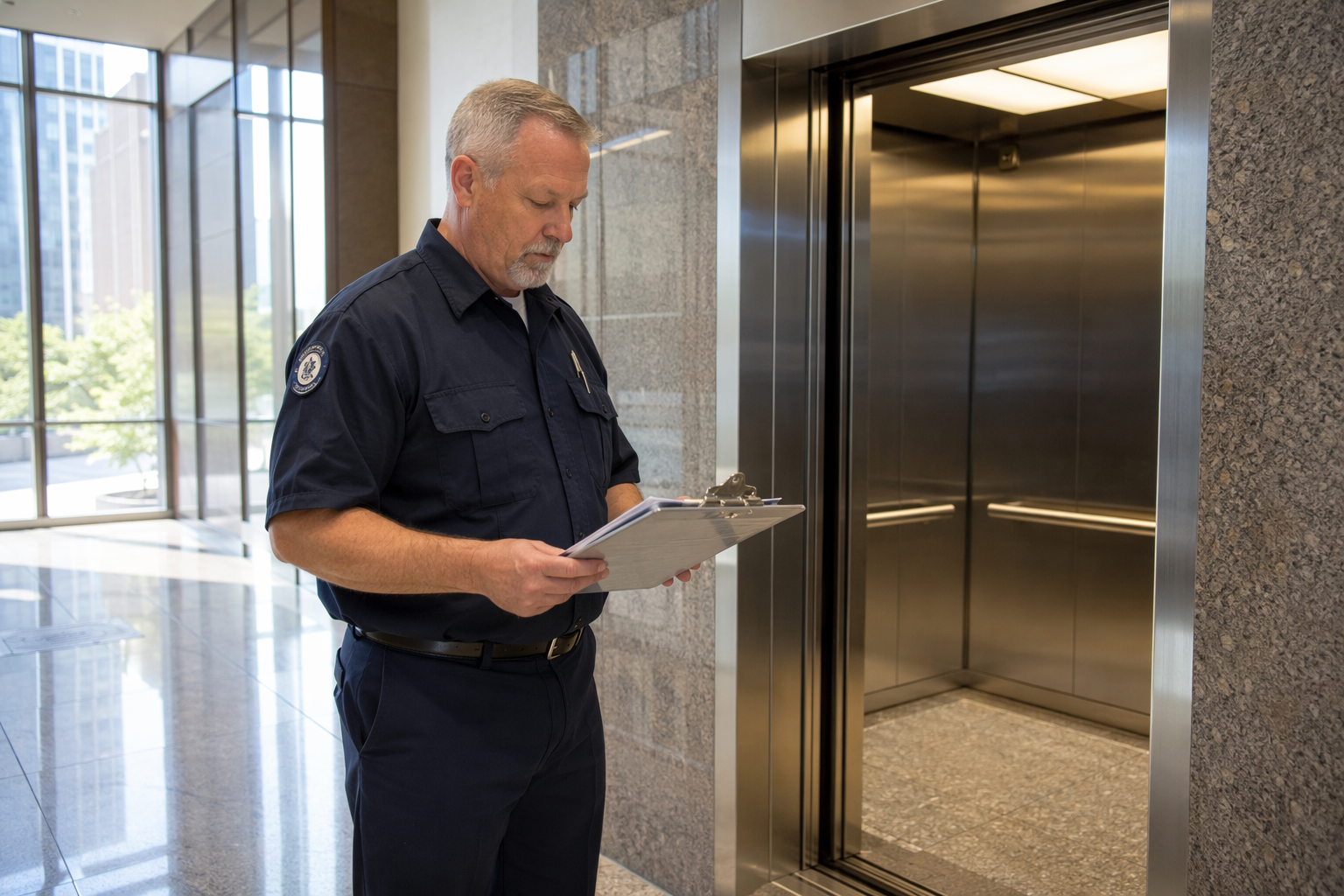
After more than 15 years working on elevators across Baltimore, Washington DC, Philadelphia, and Richmond, I can tell you that the single most common mistake building owners make is not knowing who to call — or waiting too long to call them. Elevator inspection and maintenance is not optional. It is a legal requirement governed by federal safety codes, state regulations, and local ordinances. This guide answers every question you need to know.
How Often Should Elevators Be Inspected?
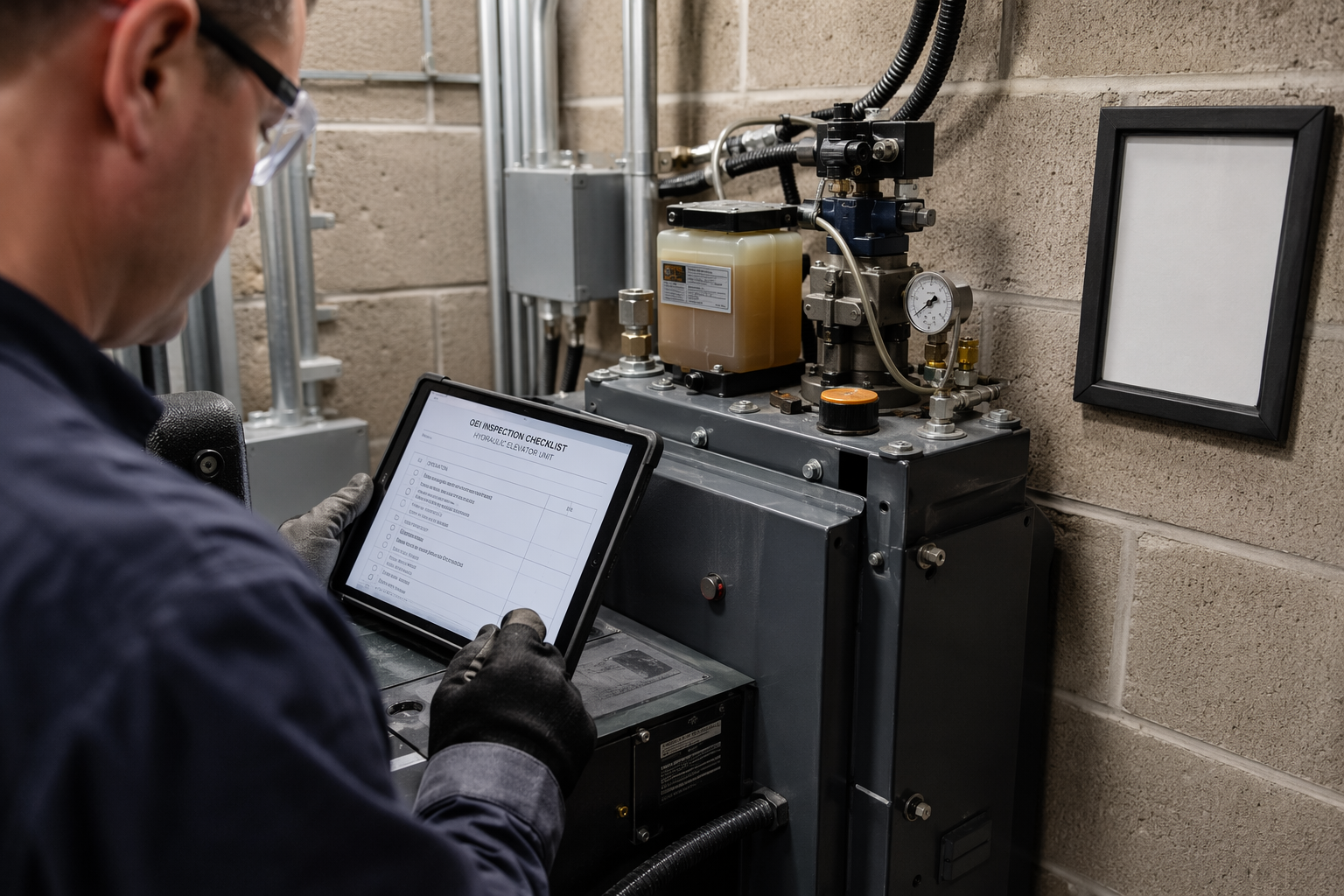
Most commercial and residential elevators must be inspected at least once per year, though many jurisdictions and safety codes recommend more frequent inspections based on usage, equipment age, and occupancy type.
The ASME A17.1 Safety Code for Elevators and Escalators — the foundational national standard — requires periodic inspections and tests at defined intervals. In 2026, the latest edition of ASME A17.1/CSA B44 continues to mandate:
- Annual routine inspections for all passenger and freight elevators
- Five-year full load safety tests for traction elevators
- Monthly hydraulic fluid checks for hydraulic elevator systems
- Quarterly maintenance inspections recommended by most certified technicians
High-traffic elevators in hospitals, office towers, or mixed-use residential buildings serving over 200 people per day should be placed on quarterly maintenance schedules regardless of minimum code requirements. I have personally seen hydraulic seals fail in under 8 months on heavily used systems — annual inspections alone would have missed it.
Who Is Authorized to Inspect an Elevator?

Only a state-licensed elevator inspector, a certified third-party inspection agency, or in some jurisdictions a Qualified Elevator Inspector (QEI) credentialed by the National Elevator Industry Educational Program (NEIEP) is legally authorized to conduct official elevator inspections.
There is a critical distinction between a maintenance inspection and a code compliance inspection. Your elevator service company — like Quality Elevator Company — performs ongoing maintenance inspections as part of a service contract. The official annual compliance inspection, however, must be performed by either a government-employed state inspector or a licensed third-party inspector recognized by your jurisdiction.
In the markets we serve:
- Maryland / Baltimore: Inspections are regulated by the Maryland Department of Labor under the Elevator Safety Inspection Program
- Washington DC: The DC Department of Consumer and Regulatory Affairs (DCRA) governs elevator inspections
- Pennsylvania / Philadelphia: The Pennsylvania Department of Labor & Industry, Bureau of Occupational & Industrial Safety oversees elevator licensing
- Virginia / Richmond: The Virginia Department of Labor and Industry (DOLI) enforces elevator safety under the Virginia Uniform Statewide Building Code
What Happens If an Elevator Is Not Inspected on Time?
Operating an elevator with an expired inspection certificate is a code violation that can result in fines up to $10,000 per day, forced equipment shutdown, and significant liability exposure if an injury occurs.
I have worked with building managers who discovered their certificate had lapsed only after a tenant complaint triggered a city inspection. The penalties were steep, and in one case the elevator was locked out of service for 11 days while emergency repairs and reinspection were scheduled. Beyond the financial cost, there is the reputational damage to consider — especially in multi-unit residential buildings where an out-of-service elevator constitutes an ADA accessibility failure for residents with mobility impairments.
What Is the Difference Between a Maintenance Visit and an Official Inspection?
A maintenance visit is performed by your elevator service technician to lubricate components, test safety devices, and identify wear — while an official inspection is a formal code-compliance evaluation conducted by a licensed inspector who issues a legal certificate of operation.
Both are necessary, and neither replaces the other. Think of maintenance visits like oil changes for a car, and the official inspection like a state emissions test. Your service company does the ongoing work that keeps the elevator safe and running. The inspector verifies that everything meets legal standards and signs off on continued operation.
Quality Elevator Company coordinates both sides of this process for building owners in Baltimore, Washington DC, Philadelphia, and Richmond — scheduling maintenance visits on a contract basis while helping clients track and prepare for their official inspection deadlines.
What Are the Inspection Requirements by State in Our Service Area?
Inspection frequency and certificate renewal timelines vary by state and even by city, so building owners must know their specific jurisdiction’s requirements.
| Jurisdiction | Governing Body | Inspection Frequency | Certificate Validity | Governing Code |
|---|---|---|---|---|
| Baltimore, MD | MD Department of Labor | Annually | 1 Year | ASME A17.1 / MD COMAR 09.12.52 |
| Washington, DC | DC DCRA | Annually | 1 Year | ASME A17.1 / DC Municipal Regs |
| Philadelphia, PA | PA Dept. of Labor & Industry | Annually | 1 Year | ASME A17.1 / PA Act 210 |
| Richmond, VA | VA Dept. of Labor and Industry | Annually | 1 Year | ASME A17.1 / VUSBC |
| All Jurisdictions | Federal / ADA | As Required | N/A | ADA Title III / Title II |
What Does an Elevator Inspection Actually Cover?
A standard annual elevator inspection evaluates over 20 distinct safety systems and mechanical components, from door operation and safety brakes to electrical controls and emergency communication devices.
Based on ASME A17.1 Section 8.10 periodic inspection requirements, a certified inspector will examine:
- Car and hoistway door operation, including door reopening devices
- Safety governor and safeties (for traction elevators)
- Buffers (oil or spring type, depending on system)
- Emergency lighting and alarm systems
- Pit ladder, lighting, and stop switch condition
- Machine room temperature and cleanliness
- Hydraulic fluid levels and leak detection (hydraulic elevators)
- Load capacity signage and certificates posted inside the cab
- Phone or emergency communication functionality (required under ADA)
- Leveling accuracy at each floor landing
How Much Does an Elevator Inspection Cost?
Third-party elevator inspections typically cost between $150 and $600 per inspection depending on elevator type, number of stops, and jurisdiction — with state-conducted inspections sometimes included in the annual permit fee.
Here is a general cost breakdown for 2026:
- State/municipal inspection fee: $75–$300 (varies by jurisdiction and elevator class)
- Third-party QEI inspection: $200–$600 per elevator
- Five-year full-load safety test (traction): $400–$1,200 depending on capacity
- Annual maintenance contract: $1,500–$6,000 per year depending on elevator type and usage
- Emergency repair call (after-hours): $250–$500 service call minimum, plus parts
Investing in a preventive maintenance contract consistently costs less than reactive emergency repairs. A failed hydraulic cylinder replacement, for example, can run $8,000–$20,000. A maintenance contract that catches deteriorating seals early costs a fraction of that.
What Should I Do If My Elevator Fails an Inspection?
If your elevator fails an official inspection, follow these steps immediately to restore compliance, protect occupants, and minimize downtime.
- Take the elevator out of service immediately — operating a failed elevator is a code violation and a liability risk.
- Request the written inspection report from the inspector detailing every deficiency cited.
- Contact your licensed elevator service company within 24 hours to schedule a corrective repair visit.
- Obtain repair cost estimates in writing, with reference to specific ASME A17.1 code sections being corrected.
- Complete all required repairs and request written documentation from the technician upon completion.
- Schedule the reinspection with the appropriate state or third-party inspector as required by your jurisdiction.
- Post the new certificate of operation inside the elevator cab upon reinspection approval.
- Notify tenants or building occupants of the timeline and expected return to service.
Quality Elevator Company has a dedicated compliance response team that handles exactly this process for clients in the Baltimore, DC, Philadelphia, and Richmond markets — including same-day emergency repair response for failed-inspection scenarios.
Who Should I Call First — The Inspector or the Elevator Company?
Call your elevator service company first, because they will prepare your equipment for a successful inspection and identify any deficiencies before the inspector arrives — saving you from costly failed-inspection downtime.
In my 15-plus years of experience, the buildings that pass inspections cleanly are the ones with active maintenance contracts. An inspector is not there to help you fix problems — they are there to document them. Your service company is the one who closes the gaps before inspection day.
Are Escalators and Moving Walks Subject to the Same Inspection Rules?
Yes — escalators and moving walks fall under ASME A17.1 and are subject to the same annual inspection and periodic testing requirements as elevators in most jurisdictions.
Escalators have additional specific inspection items including step demarcation lighting, comb plate integrity, handrail speed synchronization, and skirt panel deflection tests. In high-traffic commercial environments like shopping centers and transit stations, escalator step inspections should be conducted monthly due to the extreme wear cycles involved.
What Are the ADA Requirements Related to Elevator Inspections?
Under the Americans with Disabilities Act, elevators in multi-story buildings that are required to be accessible must be maintained in working order — and frequent breakdowns or out-of-service periods can constitute an ADA violation even if the equipment was initially code-compliant when installed.
The 2010 ADA Standards for Accessible Design require that accessible elevators provide:
- Call buttons no higher than 54 inches from the floor
- Car dimensions of at least 80 inches deep and 68 inches wide (new construction)
- Emergency two-way communication systems inside the cab
- Audible and visual floor indicators
- Leveling accuracy within ½ inch of floor landings
If your elevator’s emergency phone, leveling system, or door timing is out of compliance during an ADA audit, you can face civil complaints regardless of whether your ASME inspection certificate is current. These are two separate compliance tracks that both require attention.
How Long Does an Elevator Inspection Take?
A standard annual elevator inspection takes between 1 and 3 hours depending on elevator type, number of stops, and the scope of the periodic test required.
General time estimates by inspection type:
- Routine annual inspection (hydraulic, 2–4 stops): 60–90 minutes
- Routine annual inspection (traction, 5–15 stops): 90–150 minutes
- Five-year full-load safety test (traction): 3–5 hours
- Reinspection after failed test: 45–90 minutes
The elevator is typically taken out of normal passenger service during the inspection. Planning inspections during low-traffic hours — early morning or evenings in commercial buildings — minimizes disruption to building occupants.
What Is a QEI and Why Does It Matter?
A Qualified Elevator Inspector (QEI) is a nationally certified inspector credentialed through the ASME-accredited National Elevator Industry Educational Program (NEIEP), and many states require or prefer QEI-certified inspectors for official third-party inspections.
QEI certification means the inspector has passed rigorous written examinations on ASME A17.1 code, completed documented field hours, and maintains continuing education requirements. When hiring a third-party inspection agency, always verify that their inspectors hold current QEI credentials. This matters for your inspection report’s legal validity and for insurance purposes.
What Records Should Building Owners Keep for Elevator Compliance?
Building owners must maintain a complete elevator compliance file including the current certificate of operation, the last three annual inspection reports, maintenance logs, and documentation of any repairs made in response to inspection deficiencies.
Your compliance file should include:
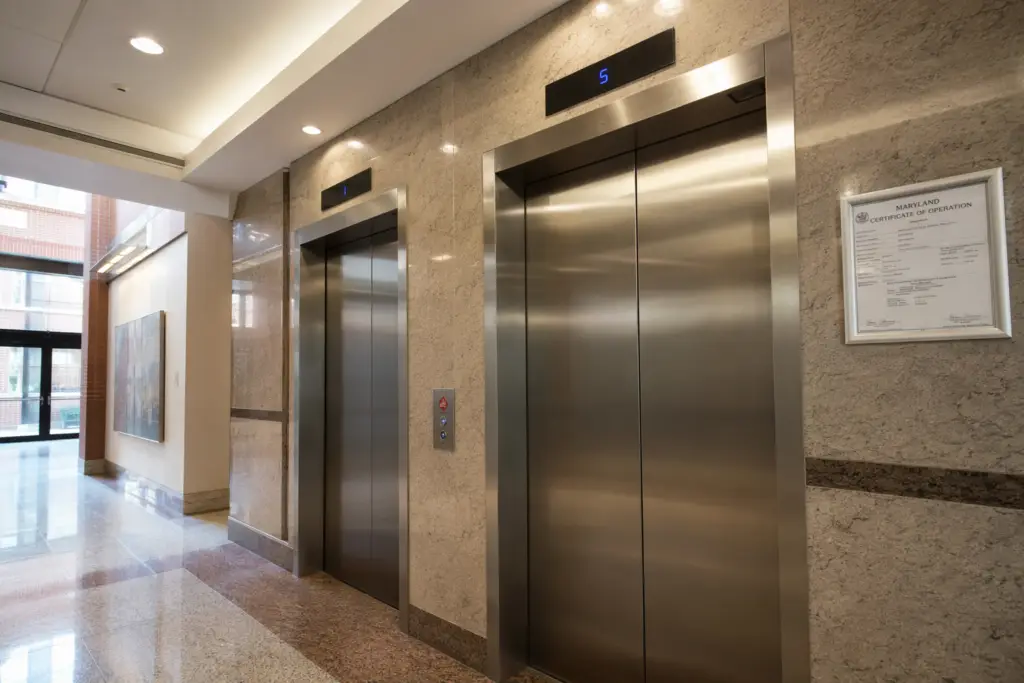
- Current posted Certificate of Operation (original posted in cab, copy on file)
- Last 3 years of annual inspection reports
- Five-year safety test documentation (for traction elevators)
- Monthly/quarterly maintenance logs from your service company
- Repair work orders with technician sign-off and parts used
- Emergency entrapment incident log (required in many jurisdictions)
- Modernization or alteration permits and approvals
During any legal dispute or insurance claim involving an elevator injury, these records are the first thing attorneys and adjusters request. Missing documentation creates enormous liability exposure.
How Do I Know If My Elevator Needs Modernization vs. Just Maintenance?
An elevator over 20 years old with recurring repair needs, outdated relay logic controls, or components that no longer meet current ASME A17.1 code may require modernization rather than continued maintenance patching.
Key indicators that modernization should be evaluated:
- Repeated failures of the same component within a 12-month period
- Relay logic control systems (pre-1990s technology) that are no longer supported
- Hydraulic systems using non-environmental hydraulic fluid (pre-2000 installations)
- Door operators that fail to meet current ASME door force and timing requirements
- Emergency lighting systems lacking battery backup compliance
- Inability to achieve ½-inch floor leveling accuracy consistently
A modernization project typically costs $50,000–$200,000 depending on elevator type and scope, but it resets your compliance baseline, reduces long-term maintenance costs, and can dramatically improve energy efficiency.
What Is the Difference Between Hydraulic and Traction Elevator Inspection Requirements?
Hydraulic and traction elevators share annual inspection requirements but differ significantly in their periodic safety tests — traction elevators require a full-load governor and safety test every five years, while hydraulic elevators require pressure vessel certification and fluid containment testing on separate schedules.
Key inspection differences:
- Traction elevators: Require governor and safety tests, brake torque testing, and buffer tests at 5-year intervals per ASME A17.1 Section 8.6
- Hydraulic elevators: Require pressure testing of the hydraulic cylinder, single-failure protection device testing, and underground tank containment verification
- MRL (Machine Room Less) traction: Require additional attention to embedded machine components and have specific lubrication requirements that differ from traditional traction units
How Do I Choose a Qualified Elevator Service Company?
Choose an elevator service company that employs IUEC (International Union of Elevator Constructors) certified technicians, holds current state contractor licenses in your jurisdiction, carries adequate liability and workers’ compensation insurance, and provides 24/7 emergency response.
Vetting checklist when selecting a service provider:
- Verify state contractor license number with your state’s labor department
- Confirm IUEC or equivalent certified technicians are employed directly (not subcontracted)
- Ask for proof of $2 million+ general liability insurance coverage
- Request references from buildings similar in size and elevator type to yours
- Confirm 24/7 emergency entrapment response availability
- Review contract terms for parts markups, callback response guarantees, and cancellation terms
- Confirm familiarity with your specific jurisdiction’s inspection requirements
Quality Elevator Company meets all of these criteria and serves building owners across Baltimore MD, Washington DC, Philadelphia PA, and Richmond VA with fully licensed, IUEC-certified technicians and 24/7 emergency dispatch.
What Should I Do If Someone Gets Trapped in an Elevator?
If a person is trapped in a stopped elevator, follow this protocol in order to ensure safe rescue and code-compliant response.
- Establish two-way communication with the trapped passenger using the in-car emergency phone or intercom — confirm the passenger’s condition and reassure them help is coming.
- Call 911 if the passenger reports a medical emergency, distress, or if the car is in an unsafe position.
- Call your elevator service company’s 24/7 emergency line for mechanical entrapment with no medical emergency — IUEC-certified technicians are trained for safe emergency rescue.
- Do not attempt to force open doors or manually lower the car without trained elevator personnel — this is extremely dangerous and may violate ASME A17.1 hoistway access rules.
- Keep the passenger calm and informed with regular verbal check-ins while waiting for the technician to arrive.
- Document the incident including time, duration, cause identified by the technician, and corrective action taken — this is required in most jurisdictions.
- Schedule a follow-up inspection with your service company to determine the root cause and prevent recurrence.
How Often Should Elevator Maintenance Contracts Be Reviewed?
Elevator maintenance contracts should be reviewed annually and renegotiated every 3–5 years to ensure coverage terms keep pace with equipment age, updated code requirements, and changes in your building’s usage patterns.
When reviewing your maintenance contract, verify that it clearly specifies:
- Number of scheduled maintenance visits per year (minimum 4 visits recommended)
- Parts and labor coverage inclusions and exclusions
- Callback response time guarantees (4-hour or less for emergencies)
- Entrapment response time guarantees (1–2 hours maximum)
- Whether the contract includes coordination and preparation for the annual official inspection
- Escalation provisions — how and when the company will recommend modernization
What Is the Role of the Building Owner vs. the Elevator Company in Maintaining Compliance?
The building owner bears ultimate legal responsibility for elevator compliance and safety, while the elevator service company serves as the technical expert responsible for maintaining equipment condition and advising on code requirements.
In practice, this means building owners must:
- Ensure the annual inspection is scheduled and completed before the certificate expires
- Maintain the posted Certificate of Operation in the elevator cab at all times
- Respond promptly to deficiency notices from inspectors
- Maintain compliance records as described above
- Contract with a qualified service company to perform required maintenance
Your elevator service company advises, maintains, and repairs — but the compliance obligation rests with the property owner. This is why I always recommend that building managers put elevator inspection renewal dates on their annual compliance calendar alongside fire suppression tests, sprinkler inspections, and other life-safety systems.
Get Expert Elevator Compliance Help Today
Whether you need to schedule an annual inspection, set up a preventive maintenance contract, or respond to a failed inspection — Quality Elevator Company is ready to help building owners across Baltimore MD, Washington DC, Philadelphia PA, and Richmond VA stay fully compliant with ASME A17.1, ADA, and all state-specific elevator safety regulations.
Our IUEC-certified technicians bring 15+ years of hands-on experience with every elevator type — hydraulic, traction, MRL, escalators, and more. We coordinate directly with state inspection authorities, provide 24/7 emergency response, and give you the documentation you need to stay protected.
Contact Quality Elevator Company for a free elevator assessment.
Call us today at 301-307-5363 — we serve Baltimore, Washington DC, Philadelphia, and Richmond with same-day response availability.