Elevator Service in Baltimore, MD | Quality Elevator Company
Retail businesses throughout Baltimore depend on reliable elevator service to meet customer accessibility expectations, satisfy legal obligations, and protect day-to-day operations. Whether serving a multi-floor department store, a shopping center, or a mixed-use retail property, elevator maintenance is not optional — it is a regulatory requirement and a business necessity. Quality Elevator Company provides certified elevator maintenance, inspection, and repair services tailored to the specific demands of Baltimore’s retail sector.
What Are the Retail Elevator Maintenance Standards in Baltimore, MD?
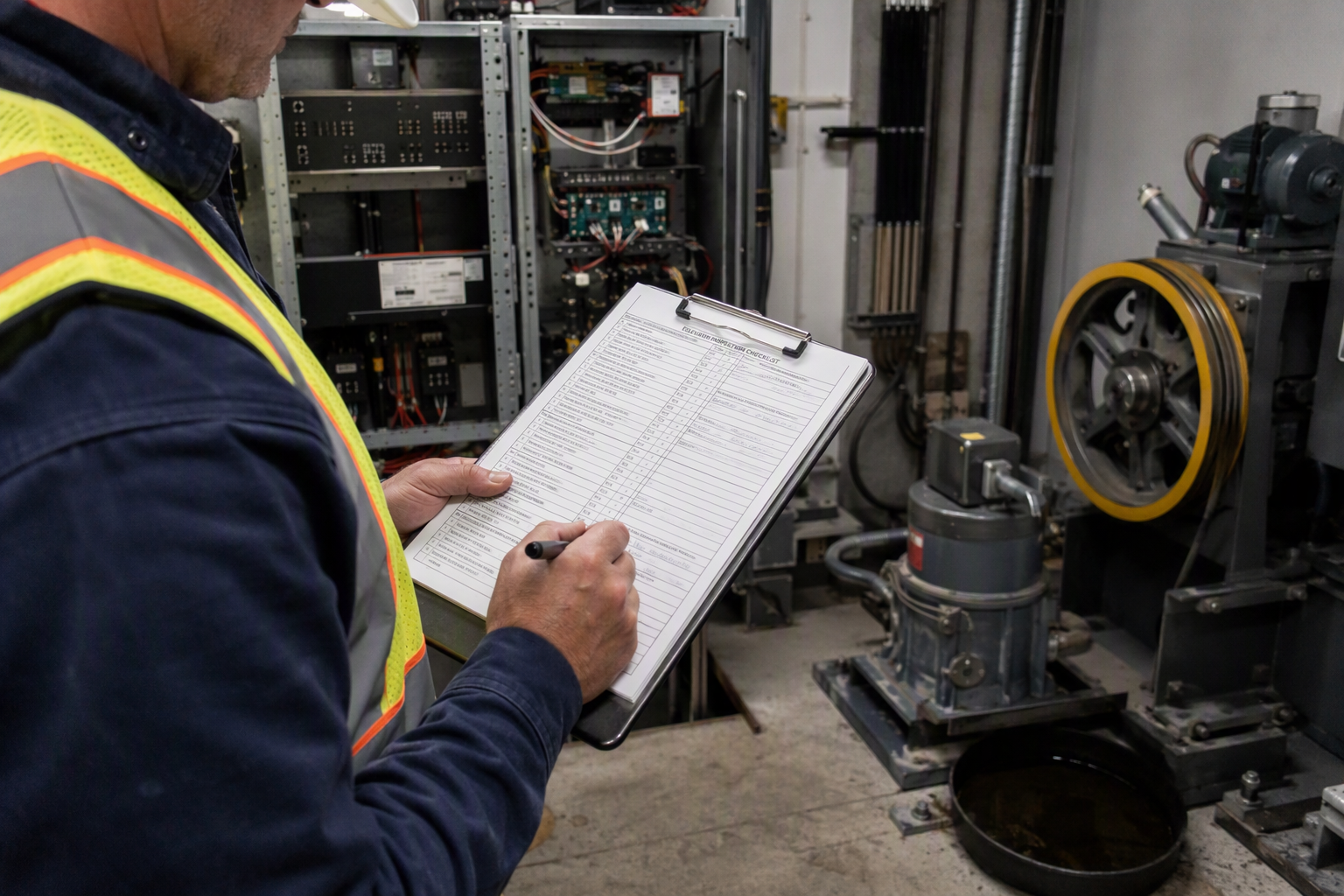
Baltimore retail property owners and managers are subject to a layered framework of elevator safety requirements at the state, federal, and industry levels. Understanding each layer is essential to maintaining full compliance in 2026 and beyond.
Maryland State Elevator Safety Requirements
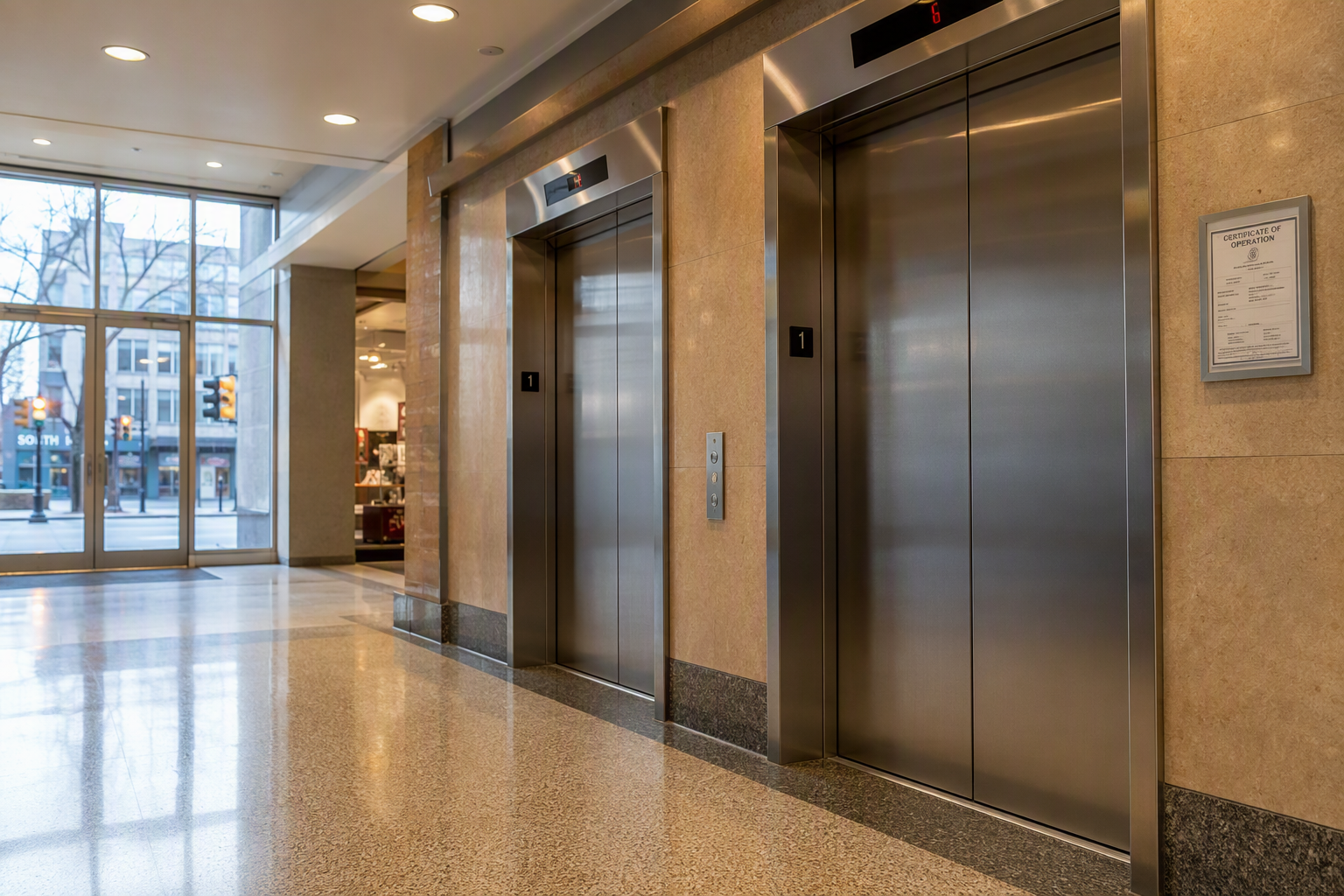
The Maryland Department of Labor, Licensing and Regulation (DLLR) — operating through its Division of Labor and Industry — oversees elevator safety across the state. Maryland has adopted the ASME A17.1 Safety Code for Elevators and Escalators as the governing technical standard. All conveyances in commercial retail settings must hold a valid Certificate of Operation issued after a passing periodic inspection conducted by a licensed elevator inspector.
Key compliance obligations for Baltimore retail elevator owners include:
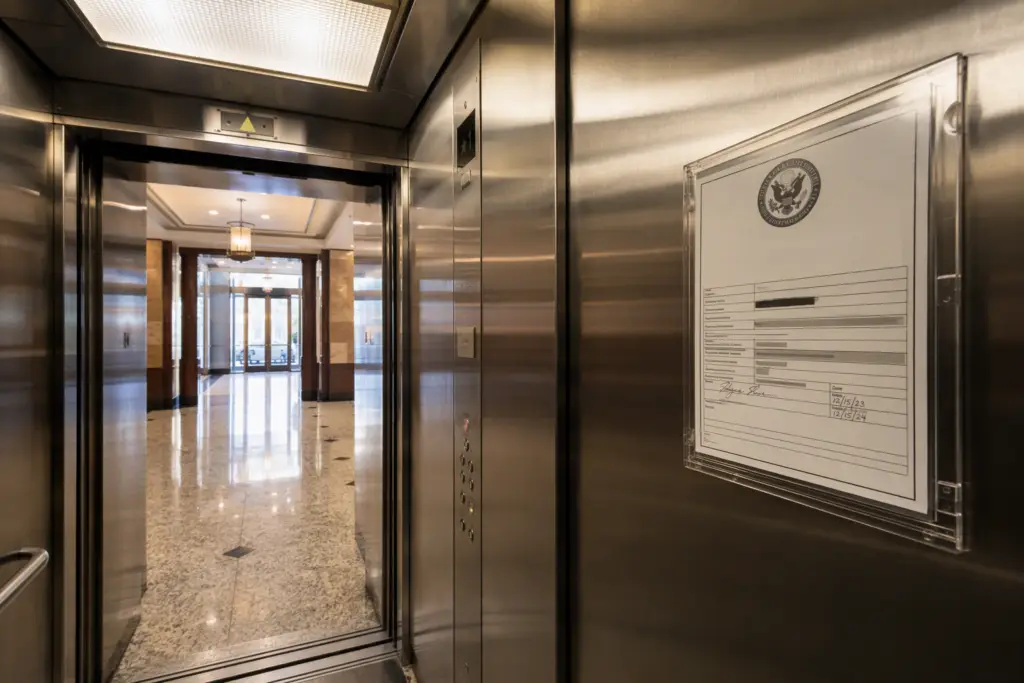
- Obtaining and prominently displaying a current Certificate of Operation inside each elevator cab.
- Scheduling periodic inspections at intervals consistent with ASME A17.1 and Maryland administrative requirements.
- Maintaining a documented service and repair log accessible to state inspectors upon request.
- Ensuring all maintenance work is performed by qualified elevator mechanics and contractors.
- Addressing any violations or deficiencies identified during inspection within the timeframes specified by the state authority.
Federal ADA Accessibility Obligations
Beyond mechanical safety, retail elevators in Baltimore must meet the accessibility standards established under the Americans with Disabilities Act (ADA). This includes maintaining functional door reopening devices, compliant cab dimensions, properly operating controls at accessible heights, and audible and visual floor indicators. A retail elevator that fails accessibility requirements exposes the property owner to federal civil rights liability in addition to any state code violations.
Workplace Safety Considerations
When elevator maintenance personnel perform service work, the applicable OSHA standards for general industry and construction apply to ensure the safety of those technicians. Retail property managers should verify that their elevator service contractor maintains documented safety programs consistent with OSHA requirements.
Why Is Preventive Maintenance Critical for Retail Elevators?
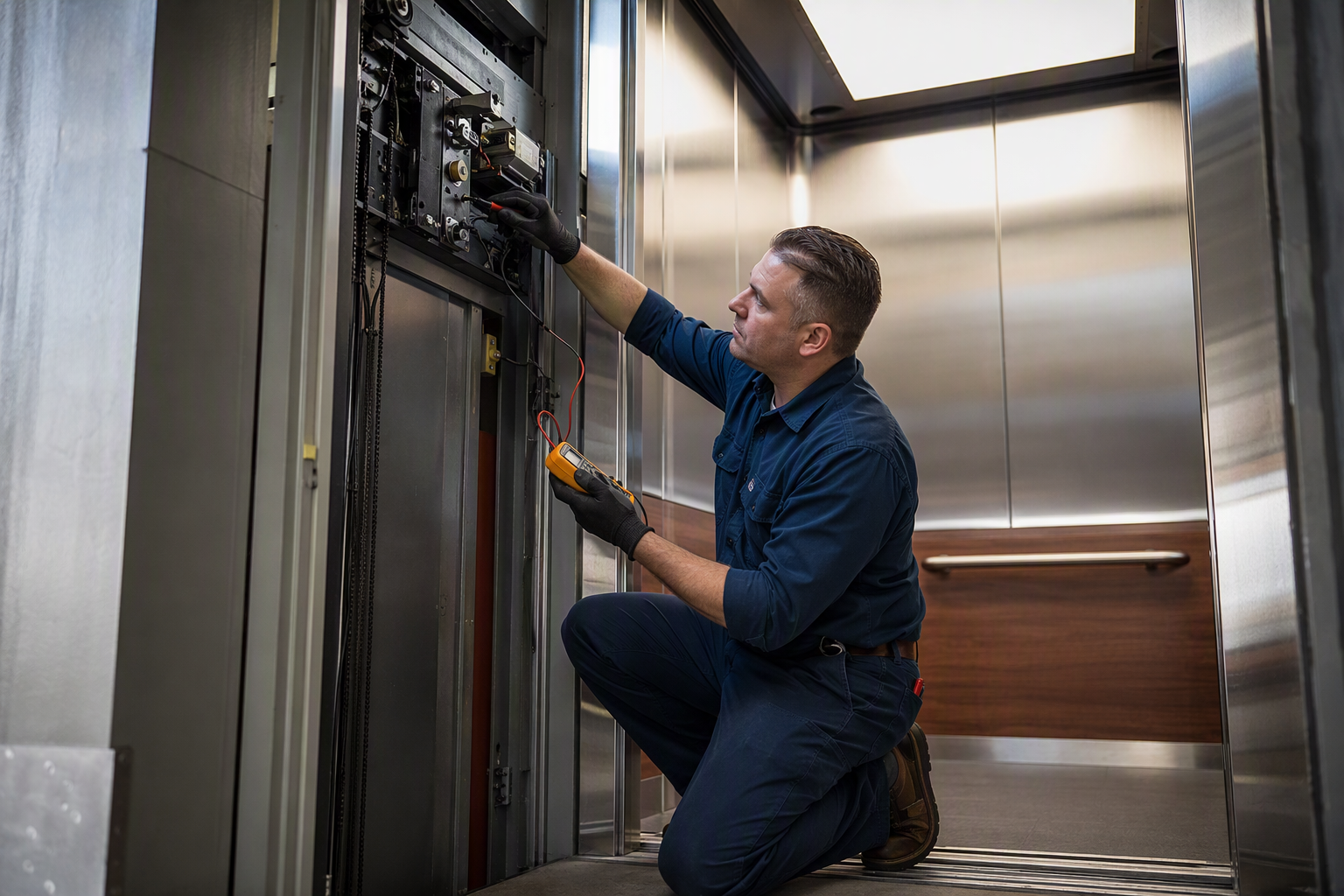
Retail environments place distinctive demands on elevator equipment. High passenger volumes, frequent door cycling, and extended operating hours accelerate component wear. A preventive maintenance program — structured around the inspection intervals and component checks outlined in ASME A17.1 — catches developing problems before they cause equipment failure, entrapments, or injuries.
Consistent preventive maintenance delivers several measurable benefits for retail operators:
- Reduced risk of unplanned downtime that disrupts customer access and sales floor operations.
- Extended useful life of major drive, control, and door system components.
- Stronger compliance posture during state inspections, reducing the likelihood of violation notices.
- Documentation that supports insurance underwriting and risk management programs.
- Accessible premises for shoppers with mobility limitations, reinforcing ADA compliance.
What Does a Retail Elevator Maintenance Program Include?
A comprehensive maintenance program for Baltimore retail elevators typically encompasses the following service activities, aligned with ASME A17.1 requirements:
- Drive system inspection: Examination of the motor, gearbox (on geared systems), drive sheave, and hydraulic power unit as applicable to the elevator type.
- Door operator and safety edge testing: Verification that door reopening devices function correctly and door closing force does not exceed code limits.
- Safety device testing: Periodic testing of governor, safeties, buffers, and interlocks as specified by ASME A17.1 test intervals.
- Control system review: Inspection and adjustment of the elevator controller, leveling accuracy, and dispatching performance.
- Cab interior and signage: Confirmation that emergency lighting, communication devices, capacity postings, and Certificate of Operation are present and functional.
- Pit and machine room inspection: Assessment of pit conditions, sump pumps, lighting, and machine room environmental controls.
- Lubrication and adjustment: Application of appropriate lubricants to guide rails, rollers, and mechanical linkages per manufacturer and code guidance.
What Should a Retail Property Manager Do When an Elevator Fails?
When an elevator in a Baltimore retail property malfunctions or traps a passenger, the following steps should be taken immediately:
- Contact the building’s designated emergency line or elevator service provider to report the malfunction and, if applicable, a passenger entrapment.
- If passengers are trapped, call 911 so that Baltimore City Fire Department personnel can assist — do not attempt to open doors or extract passengers without trained rescue personnel present.
- Place clear out-of-service signage at all affected elevator landings to prevent additional passengers from attempting to use the equipment.
- Notify building management and document the time and nature of the failure in the building’s maintenance log.
- Do not return the elevator to service until a qualified elevator mechanic has inspected the equipment, identified the cause of failure, and confirmed that the unit is safe to operate.
- If the failure involves a safety-critical component, notify the Maryland Division of Labor and Industry as required by state regulations.
Quality Elevator Company maintains emergency service availability for retail clients throughout Baltimore. Contact the team to confirm how emergency dispatch is structured for your service agreement.
How Often Do Retail Elevators in Maryland Need to Be Inspected?
Maryland’s adoption of ASME A17.1 establishes the technical foundation for inspection frequency, while Maryland state administrative rules determine the official periodic inspection schedule enforced by the Division of Labor and Industry. Retail property owners should work with their elevator service contractor to ensure that both periodic state inspections and routine maintenance visits are calendared well in advance, avoiding lapses that can result in expired certificates and mandatory shutdowns.
In addition to state-mandated periodic inspections, ASME A17.1 prescribes specific test intervals for safety components such as governors, safeties, and buffers — some of which differ from the general periodic inspection cycle. A qualified maintenance contractor will track these intervals and schedule the appropriate tests as part of a full-service maintenance agreement.
How Does Elevator Maintenance Affect Retail Property Liability?
A documented, consistent maintenance record is one of the most effective tools a retail property owner has to manage elevator-related liability. Courts and insurance carriers alike look to maintenance logs, inspection certificates, and service records when evaluating claims arising from elevator incidents. Gaps in documentation — or evidence that known deficiencies went unaddressed — can significantly increase a property owner’s exposure.
Quality Elevator Company provides retail clients with thorough written service reports after every maintenance visit, supporting the kind of documentation practices that risk managers and legal counsel expect.
What Markets Does Quality Elevator Company Serve in the Baltimore Area?
Quality Elevator Company serves retail elevator clients across Baltimore City and the surrounding metropolitan region, including commercial corridors, neighborhood retail centers, and mixed-use developments throughout the greater Baltimore area. The company’s familiarity with local building stock — ranging from historic downtown properties to modern suburban retail construction — informs the maintenance and repair approach applied to each account.
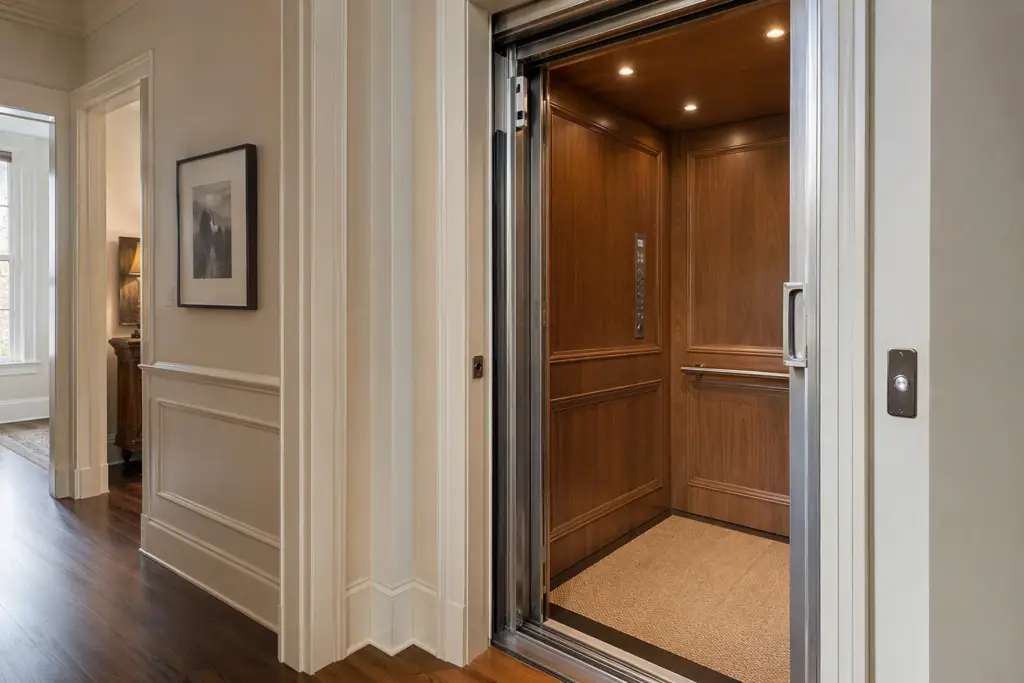
Service is available for a range of retail vertical transportation equipment, including traction elevators, hydraulic elevators, and limited-use/limited-application (LULA) units commonly found in smaller retail environments.
How Should Retail Operators Select an Elevator Maintenance Contractor in Baltimore?
When evaluating elevator service contractors for a retail property in Baltimore, property managers should consider the following criteria:
- Confirmation that the contractor employs mechanics qualified under Maryland state requirements and applicable ASME standards.
- Familiarity with the specific equipment manufacturers and models installed in the property.
- A clear maintenance agreement that specifies the scope of covered services, exclusions, and documentation practices.
- Demonstrated knowledge of Maryland Division of Labor and Industry inspection processes and code requirements.
- Transparent communication about repair recommendations, parts sourcing, and scheduling practices.
- Emergency availability protocols that align with the retail property’s operating hours and risk tolerance.
Quality Elevator Company welcomes the opportunity to walk retail property managers through its service methodology before any agreement is signed.
Schedule Your Free Elevator Maintenance Consultation
Keeping a Baltimore retail elevator compliant, safe, and operational requires a service partner with deep knowledge of Maryland elevator codes, ASME standards, and the operational realities of high-traffic commercial environments. Quality Elevator Company is ready to assess your property’s current maintenance program and identify any gaps before the next state inspection.
Call Quality Elevator Company today to schedule a free consultation: 301-779-9116
Need elevator service you can rely on? Quality Elevator Company is ready to help.