Elevator Service in Baltimore, MD | Quality Elevator Company
To evaluate and compare elevator service companies before signing a maintenance contract in Baltimore, MD, building owners should verify code compliance knowledge, assess contract transparency, confirm emergency availability, and review the company’s familiarity with Maryland-specific elevator regulations and local equipment types.

Choosing the right elevator service company is one of the most consequential decisions a Baltimore property owner or facility manager can make. Elevators are critical infrastructure subject to strict safety codes, and the company responsible for their maintenance directly affects tenant safety, regulatory compliance, and long-term equipment reliability. This guide covers every dimension of the evaluation process — from Maryland code requirements to contract red flags — so building owners can make a fully informed decision in 2026.
What Maryland Elevator Code Requirements Should a Service Company Know?
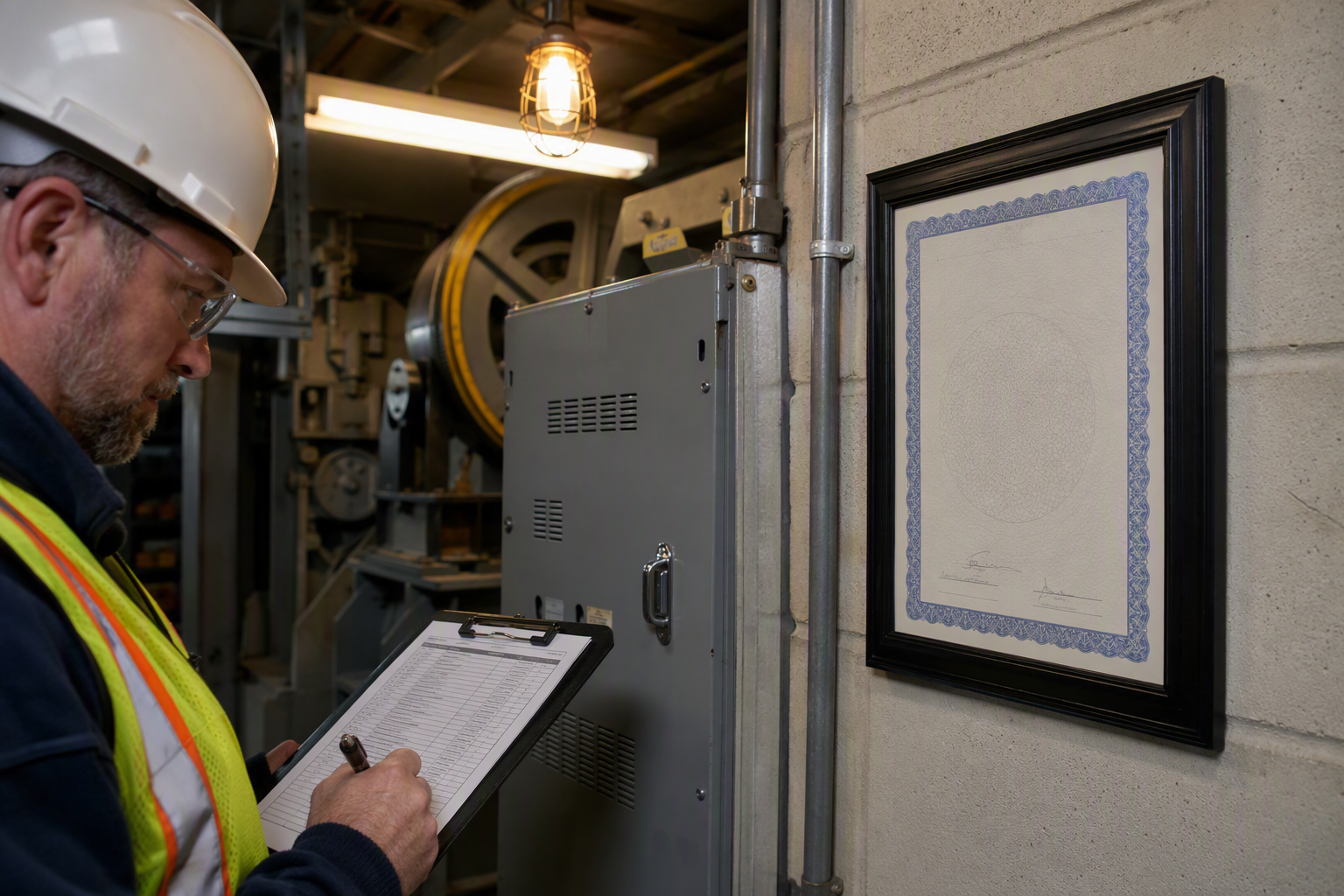
Maryland elevator service companies must demonstrate working knowledge of the state’s elevator safety program, which is administered through the Maryland Department of Labor. Elevators in Maryland are required to be inspected regularly by a licensed inspector, and all maintenance and repair work must conform to the ASME A17.1 Safety Code for Elevators and Escalators, which is the nationally adopted standard that Maryland enforces as part of its regulatory framework.
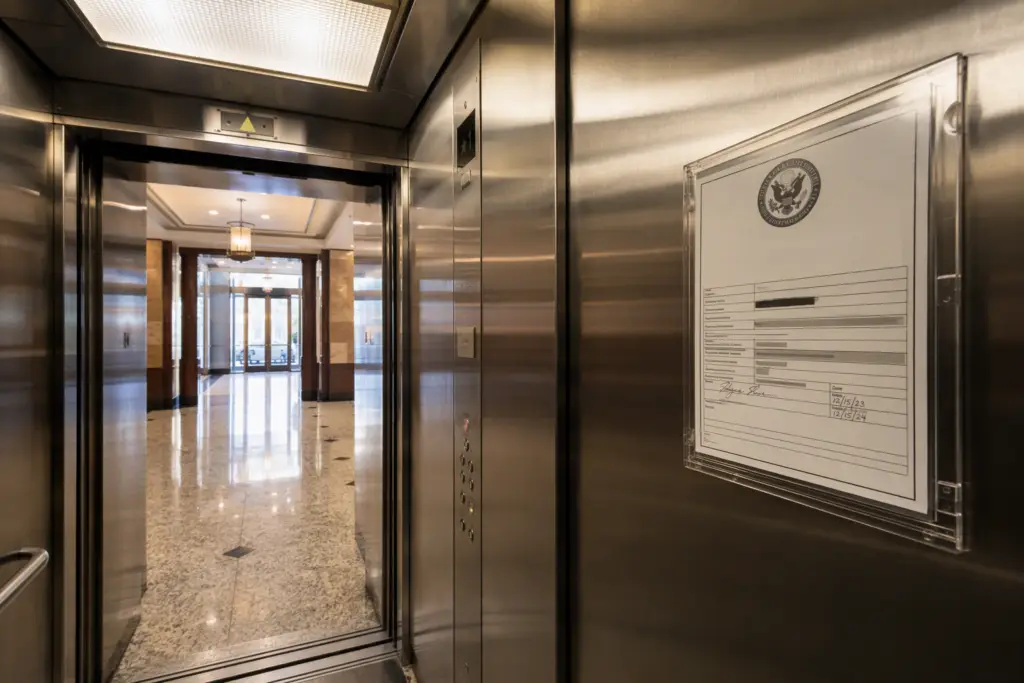
When evaluating a vendor, confirm that their technicians are familiar with Maryland’s specific inspection certificate requirements, that they understand the process for obtaining and displaying current operating certificates, and that they can document compliance for each unit they service. A service company that cannot speak fluently about Maryland Department of Labor requirements is a significant liability for any Baltimore property owner.
Accessibility obligations under the Americans with Disabilities Act (ADA) also apply to elevators in commercial and public-use buildings. A qualified service company should be able to identify ADA-related deficiencies and advise on remediation as part of routine maintenance reviews.
What Should a Thorough Elevator Maintenance Contract Include?
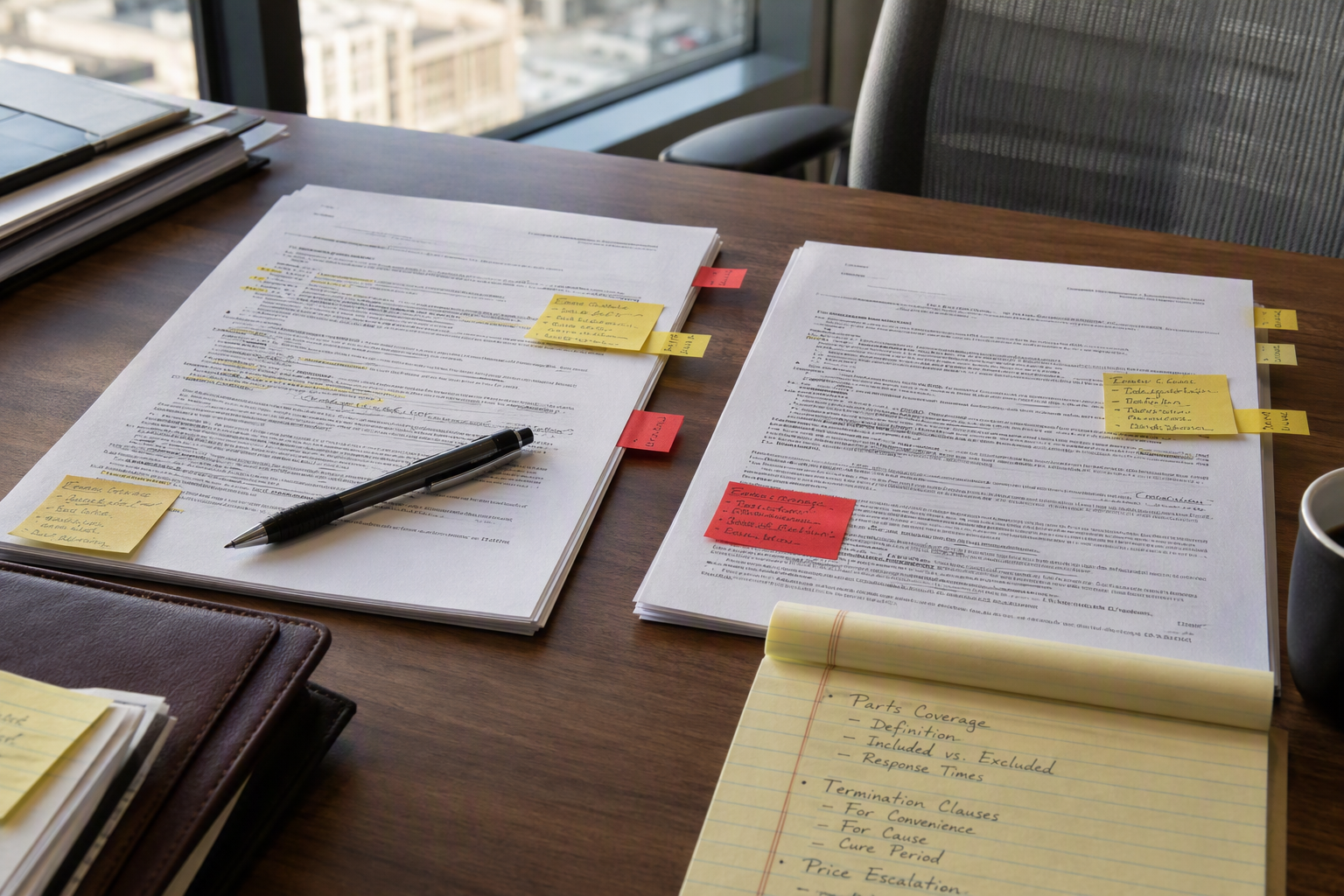
A well-structured maintenance contract is the clearest signal of a service company’s professionalism. Before signing, building owners should look for the following elements:
- Scope of work: A clear, itemized list of what is and is not included in routine maintenance visits. Vague language like “full service” without enumeration is a warning sign.
- Parts and labor terms: Explicit language distinguishing covered repairs from billed extras, and which parts are included versus invoiced separately.
- Inspection scheduling: Defined frequency and process for coordinating state-required inspections in accordance with ASME A17.1 intervals.
- Emergency callback provisions: Language describing how after-hours and emergency calls are handled, without overpromising specific arrival times.
- Termination and renewal terms: Clear conditions for early termination, auto-renewal clauses, and notice periods.
- Documentation and reporting: A commitment to provide written service records, inspection reports, and violation notices after each visit.
Contracts that obscure exclusions in fine print, contain automatic multi-year renewals with minimal notice windows, or lack itemized scopes of service should be reviewed carefully with legal counsel before execution.
How Do You Assess a Company’s Local Expertise in Baltimore?
Baltimore’s building stock includes a wide range of elevator types — from hydraulic units in mid-century office buildings and apartment complexes to traction elevators in newer high-rises and historic structures near the Inner Harbor and Charles Village. A locally knowledgeable service company will be familiar with the specific equipment profiles common to Baltimore’s commercial, residential, and institutional sectors.
Quality Elevator Company serves Baltimore and the surrounding Maryland region, with direct knowledge of the local regulatory environment, common equipment manufacturers present in the market, and the operational demands of Baltimore’s diverse property types — including healthcare facilities, multifamily residential buildings, government properties, and commercial office towers.
When evaluating local expertise, ask prospective vendors which neighborhoods, building types, and elevator manufacturers they regularly service. A company active across Baltimore will have practical familiarity that a national firm managing accounts remotely may lack.
What Questions Should You Ask Before Signing a Maintenance Contract?
- Are your technicians trained and qualified under ASME A17.1 standards? Confirm that ongoing technical training is part of the company’s standard practice.
- How is emergency service handled after business hours? Understand the process without expecting specific response-time guarantees, which vary by situation.
- What documentation will I receive after each service visit? Service records are essential for compliance and liability protection.
- How do you handle parts sourcing and pricing? Clarify whether OEM or aftermarket parts are used and how parts costs are communicated in advance.
- What is your process when a unit fails a Maryland state inspection? A qualified company should have a clear protocol for addressing violations and coordinating re-inspection.
- What are the exact contract renewal and termination terms? Avoid surprises by understanding exit provisions before you sign.
- Can you provide references from Baltimore-area properties similar to mine? Relevant local references are more meaningful than general testimonials.
How Does Emergency Availability Factor Into Your Evaluation?
Elevator entrapments and mechanical failures can occur at any hour. A service company’s ability to respond to emergency situations — including passenger entrapments, door malfunctions, or complete unit shutdowns — is a critical factor in any evaluation. Prospective clients should ask how emergency calls are dispatched, whether after-hours coverage is provided by in-house personnel or a third party, and how communication is maintained with property management during an active incident.
Quality Elevator Company provides emergency service availability for Baltimore-area clients. While specific response conditions vary based on location, traffic, and the nature of the issue, the company maintains coverage designed to address urgent situations outside of standard business hours. Property managers should confirm these arrangements directly during the contract negotiation process.
What Are the Most Common Red Flags When Comparing Elevator Service Vendors?
- Unusually low contract pricing that may indicate reduced service frequency, uncovered parts, or hidden fees upon invoicing.
- Lack of documentation — companies that cannot or will not provide written service reports create compliance risk for building owners.
- Unfamiliarity with Maryland regulations, including state inspection requirements and the Maryland Department of Labor’s elevator safety program.
- Vague emergency protocols — if a company cannot clearly explain how after-hours calls are handled, that gap will surface at the worst possible moment.
- Proprietary parts clauses that lock a building owner into using only that company’s parts at non-competitive prices, limiting future options.
- Long auto-renewing contracts with minimal termination rights, which eliminate leverage if service quality deteriorates.
How Do You Compare Contract Costs Without Sacrificing Quality?
Price comparison alone is an unreliable method for selecting an elevator service company. A lower monthly contract rate may reflect a reduced scope of service, infrequent site visits, slower emergency response, or costs that reappear as invoiced extras. The most accurate cost comparison requires aligning contracts on an equal scope basis — confirming that each proposal covers the same inspection frequency, labor inclusions, parts coverage, and documentation standards.
Building owners should also consider the cost of non-compliance. A vendor unfamiliar with Maryland’s inspection requirements may allow a unit to fall out of compliance, resulting in fines, forced shutdowns, and liability exposure that far exceeds any savings on the monthly service rate. Total cost of ownership — including regulatory risk — is the appropriate measure.
What Standards and Regulations Govern Elevator Safety in Maryland?
Maryland elevator safety is governed at the state level through the Department of Labor, with technical requirements derived from the ASME A17.1 Safety Code for Elevators and Escalators — the primary national standard covering design, installation, operation, inspection, testing, maintenance, alteration, and repair of elevators. Workplace safety obligations for elevator mechanics are additionally governed by standards administered through OSHA.
In 2026, building owners should confirm that any prospective service company references current editions of these standards and demonstrates awareness of any recent code updates relevant to their specific equipment type, including modernization requirements for older hydraulic and traction systems.
Why Do Baltimore Property Owners Choose Quality Elevator Company?
Quality Elevator Company is a certified elevator service company serving Baltimore, MD and the greater Maryland region. The company brings direct familiarity with Baltimore’s regulatory environment, diverse building stock, and the operational demands of property types across the commercial, residential, healthcare, and institutional sectors. Quality Elevator provides transparent maintenance contracts, documented service reporting, and emergency availability designed to meet the needs of Baltimore facility managers and property owners.
The company’s approach centers on code-compliant maintenance, honest contract terms, and ongoing communication — the combination that protects building owners from regulatory risk and equipment downtime over the full life of a maintenance relationship.
Ready to Evaluate Your Elevator Service Options?
Contact Quality Elevator Company to discuss your Baltimore property’s needs, review maintenance contract options, and ask the questions that matter most before you sign. A qualified representative will walk through your current equipment, compliance status, and service requirements — at no cost.
Schedule a Free Consultation: 301-779-9116
Need elevator service you can rely on? Quality Elevator Company is ready to help.