Elevator Service in Baltimore, MD | Quality Elevator Company
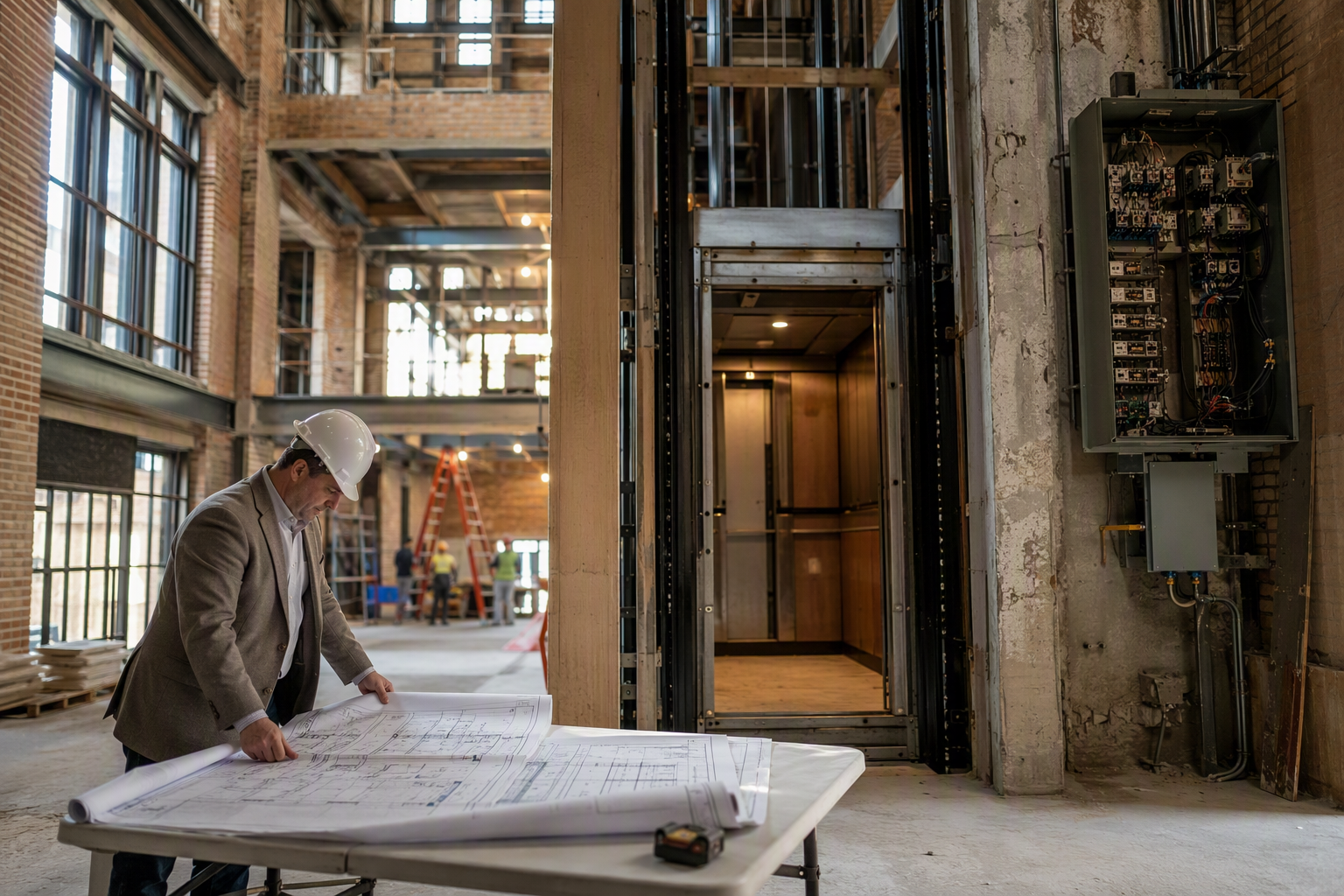
When a Baltimore property owner plans a significant renovation or converts a building to a new use — such as turning an office tower into residential apartments or repurposing a warehouse into a mixed-use development — the elevators inside that building do not get grandfathered in. Maryland’s enforcement of national elevator codes means that vertical transportation equipment must be evaluated, and in many cases upgraded, before the project can be legally occupied. Quality Elevator Company helps Baltimore building owners and managers navigate exactly this process, from initial code review through final inspection.
What triggers an elevator upgrade requirement in Maryland?
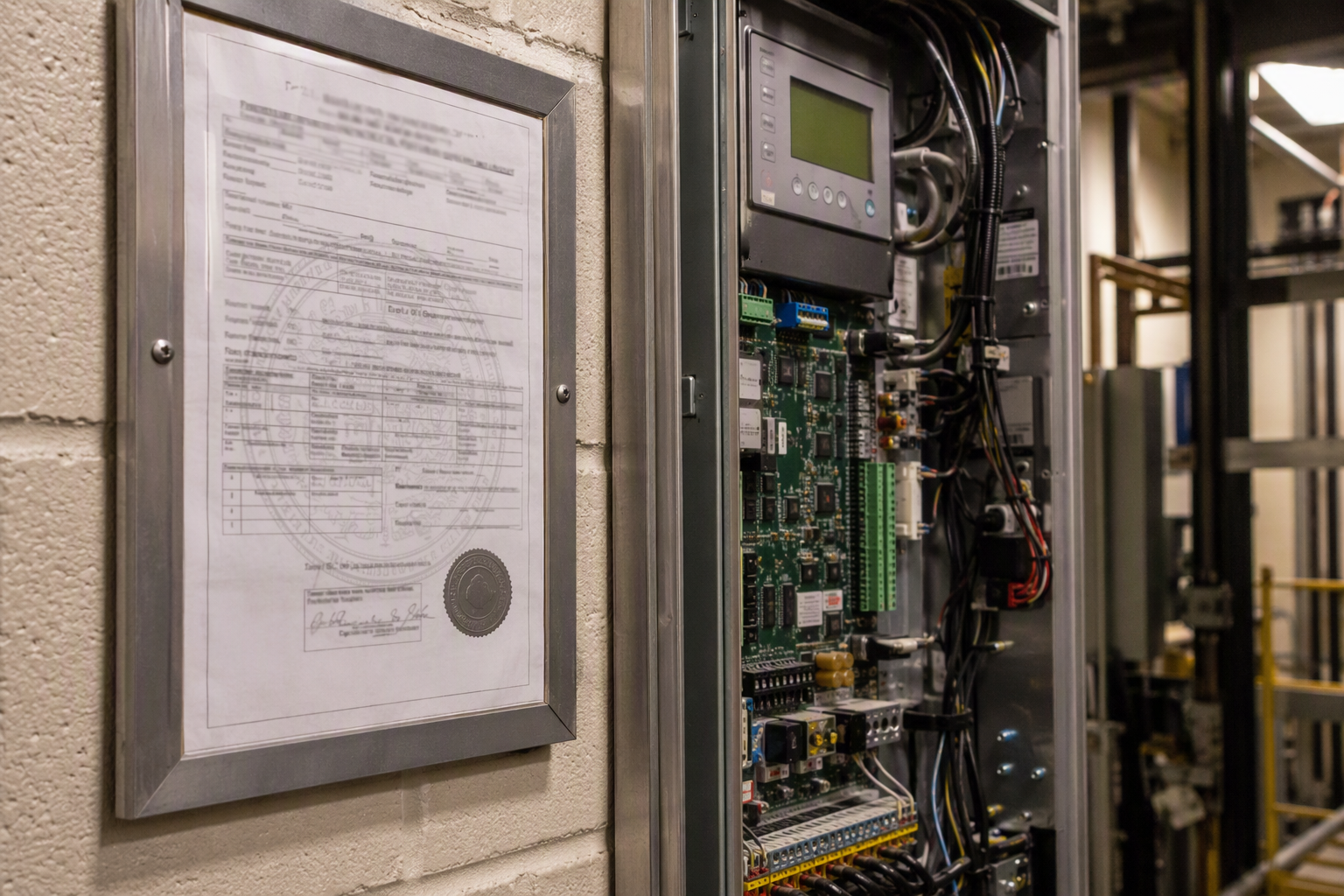
Maryland follows the ASME A17.1 Safety Code for Elevators and Escalators as adopted and enforced by the Maryland Department of Labor’s Elevator Safety Unit. Upgrade requirements are typically triggered by one or more of the following conditions:
- Change of use or occupancy classification: Converting a building from one occupancy type to another — for example, from commercial to residential — triggers a full code compliance review of all vertical transportation equipment.
- Major structural renovation: When a renovation project crosses defined thresholds for the scope of work (often measured as a percentage of the building’s assessed value or square footage impacted), the elevator system must be brought into compliance with current code editions.
- Addition of floors or building expansion: Any vertical expansion that affects how the elevator serves the building requires engineering review and potential cab, motor, and control upgrades.
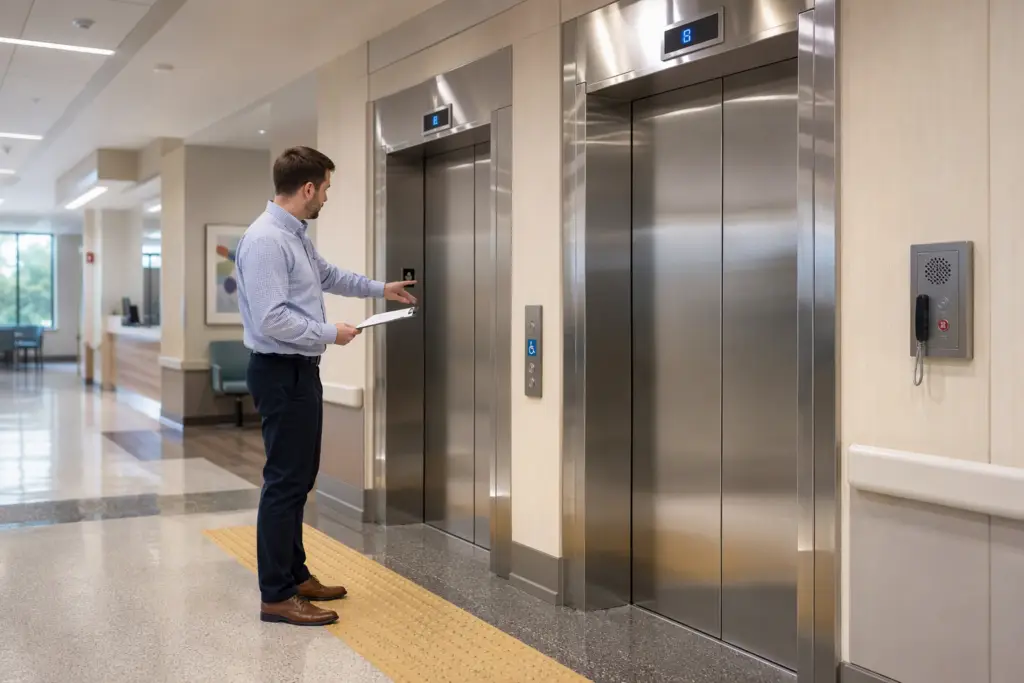
- ADA accessibility deficiencies: Projects that trigger a permit review also trigger Americans with Disabilities Act (ADA) path-of-travel requirements, which frequently include elevator cab dimensions, door timing, button height, and Braille signage.
The specific threshold for what constitutes a “major” renovation is determined by the Baltimore City Department of Housing and Community Development and the Maryland State Fire Marshal’s office in coordination with the elevator inspection authority. Quality Elevator Company works directly with local authorities having jurisdiction (AHJ) on behalf of building owners to clarify what applies to a specific project before costly assumptions are made.
Which elevator components are most commonly required to be upgraded?
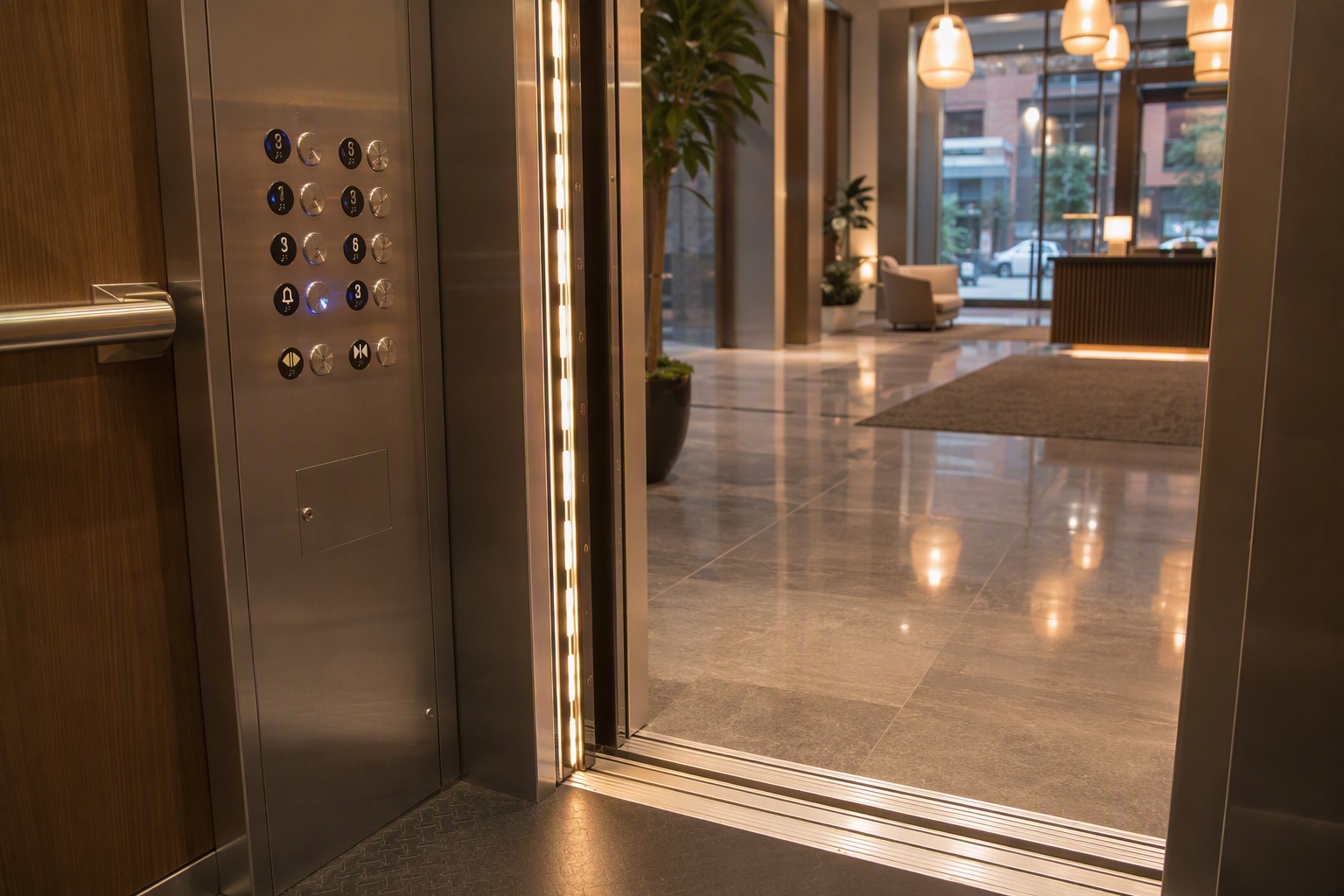
The scope of required upgrades depends on the age of the existing equipment, the nature of the change in use, and the edition of ASME A17.1 in effect at the time of the original installation. Common upgrade areas include:
- Control systems: Older relay-logic or early solid-state controllers are frequently required to be replaced with modern microprocessor-based systems that support current safety features, including two-way communication and automatic rescue operation.
- Door safety devices: Light curtains or multi-beam door protection are often required to replace older single-shoe mechanical door reopening devices.
- Emergency lighting and communication: Cab lighting backup systems and ADA-compliant two-way intercoms are standard upgrade requirements under current ASME A17.1 editions.
- Cab accessibility features: Handrails, door widths, leveling accuracy, and tactile floor indicators may all require modification to satisfy ADA requirements activated by a change-of-use permit.
- Machine room and hoistway improvements: Fire rating, ventilation, and pit safety features may require updating to meet current building and fire codes that accompany a renovation permit.
- Hydraulic system upgrades: Older hydraulic elevators may require installation of pressure-relief valves, rupture valves, and biodegradable fluid systems where environmental compliance is a factor.
How does Maryland’s elevator inspection process work during a renovation?
In Maryland, elevator inspections are coordinated through the Elevator Safety Unit within the Maryland Department of Labor. The process during a renovation or change-of-use project generally follows this sequence:
- Pre-permit consultation: The building owner or contractor submits renovation plans. If an elevator is present or the project involves a new elevator, the elevator contractor files drawings and specifications with the state for plan review.
- Plan approval: The Maryland Elevator Safety Unit reviews submitted plans against the current adopted edition of ASME A17.1 and issues a permit to proceed.
- Upgrade and modernization work: Licensed elevator contractors — such as the technicians fielded by Quality Elevator Company — complete the required modifications while coordinating with the general contractor’s schedule.
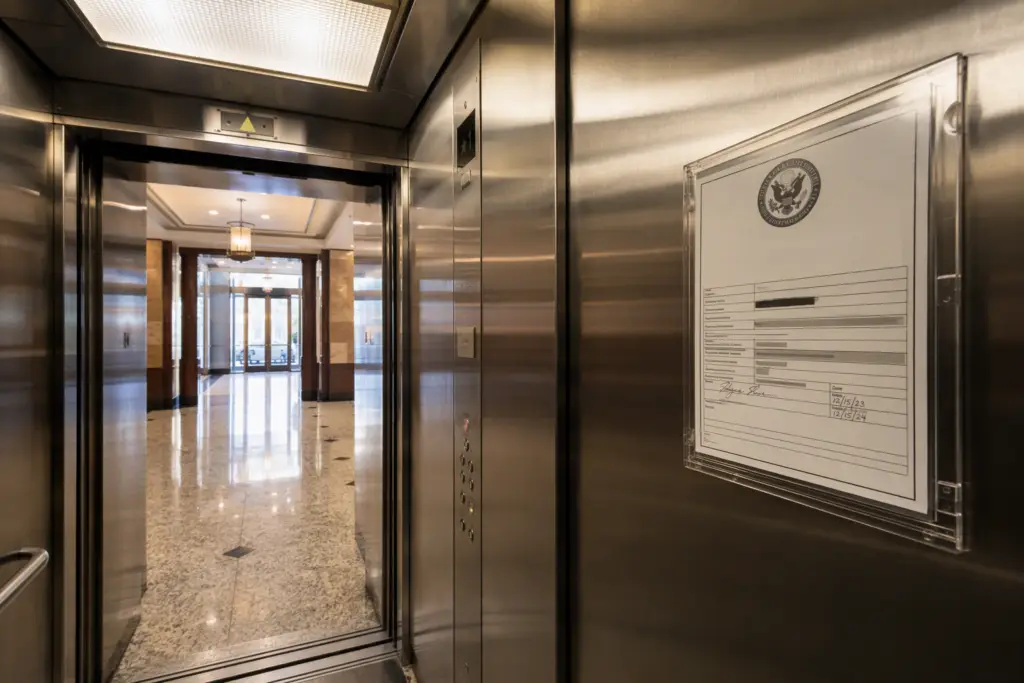
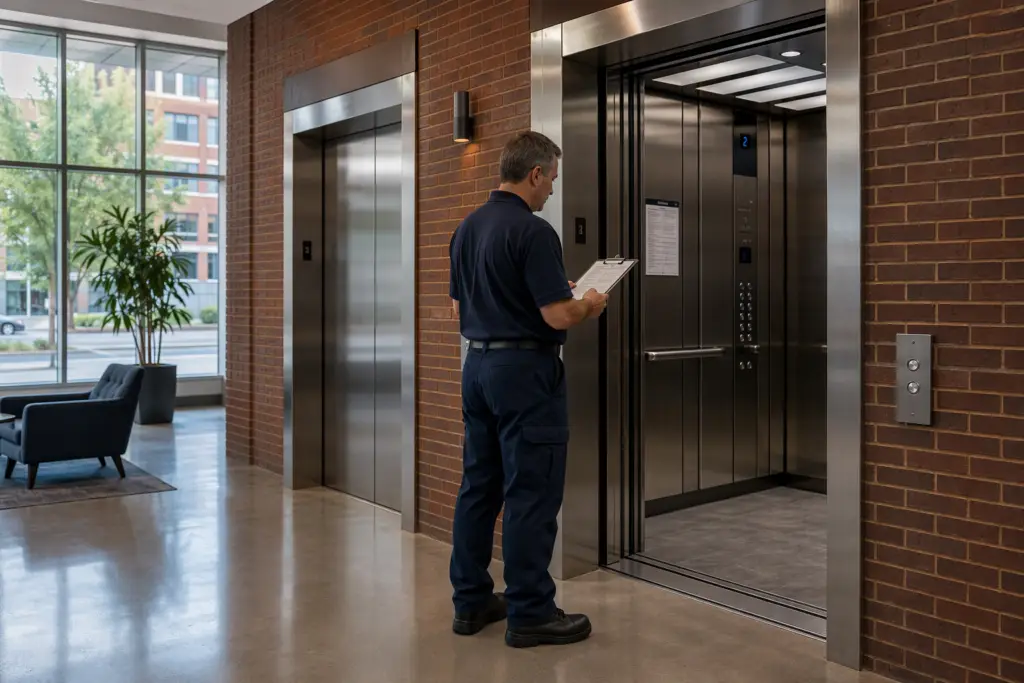
- Witnessing inspection: A Maryland-licensed elevator inspector witnesses a full operational test of the upgraded equipment. This inspection cannot be waived or self-certified.
- Certificate of operation issued: Once the elevator passes inspection, a new certificate of operation is issued. The elevator legally cannot serve building occupants until this certificate is in place.
- Annual inspection cycle begins: The newly upgraded elevator enters Maryland’s regular annual inspection cycle going forward.
How long does the elevator upgrade process typically take on a renovation project?
Timeline varies considerably based on equipment age, the scope of required upgrades, parts availability, and scheduling with state inspectors. Lead times for control systems, cab components, and specialty hydraulic parts can extend a project’s elevator phase meaningfully — particularly for older or less common equipment still found in Baltimore’s historic building stock. Quality Elevator Company advises building owners to initiate the elevator code review and parts procurement process as early as possible in the overall renovation schedule to avoid holding up a certificate of occupancy at the end of the project.
Does changing a building’s use always require elevator modifications?
Not always, but the assumption should be that it does until a licensed elevator contractor and the local AHJ confirm otherwise. Buildings with recently modernized elevators that already meet the current adopted edition of ASME A17.1 and ADA requirements may need only documentation and re-inspection rather than physical modifications. However, if the change of use introduces new occupancy categories — such as adding healthcare, assisted living, or high-density residential use — additional requirements for cab size, door dwell time, and emergency recall systems may apply regardless of equipment age.
What are the ADA-specific elevator requirements triggered by a Baltimore renovation?
Under ADA Title III and Title II standards, renovations that affect a building’s “path of travel” to primary function areas require that the accessible route — including elevator access — be brought into compliance. ADA elevator requirements that are commonly deficient in older Baltimore buildings include minimum cab interior dimensions, door clear width, floor leveling tolerances, call button mounting heights, raised and Braille floor designations, and audible/visual floor indicators. These are not optional improvements; they are enforceable federal requirements that accompany any renovation permit triggering path-of-travel obligations.
What should a Baltimore building owner do first when planning a renovation that involves elevators?
- Engage an elevator service company early: Contact a licensed elevator contractor before finalizing the renovation budget or timeline. The elevator scope can significantly affect both.
- Request a code compliance assessment: Have the existing elevator equipment evaluated against the current adopted edition of ASME A17.1 and applicable ADA standards to identify the gap between current condition and required condition.
- Coordinate with the AHJ: Confirm with Baltimore City and the Maryland Elevator Safety Unit what specific requirements apply to the project’s scope and occupancy change.
- Obtain plan approval before work begins: No upgrade work should proceed without an approved permit from the Maryland Elevator Safety Unit.
- Schedule the witnessing inspection well in advance: Inspector availability can affect project closeout timelines. Build buffer into the schedule.
Why do Baltimore building owners work with Quality Elevator Company for renovation-related upgrades?
Quality Elevator Company is a certified elevator service company with deep familiarity with Baltimore’s building stock — including its historic mid-rise office buildings, converted industrial properties, and mixed-use developments across neighborhoods such as Harbor East, Fells Point, Mount Vernon, and South Baltimore. The company manages the full scope of upgrade projects: code gap analysis, plan preparation, parts procurement, modernization work, and coordination with Maryland state inspectors through final certificate. Emergency service support is also available for building owners who encounter elevator compliance issues that create urgent occupancy or liability concerns. Building owners and property managers are encouraged to reach out as early in the planning process as possible.
Schedule a Free Consultation
If your Baltimore building is approaching a change of use, major renovation, or has received a notice of violation from a Maryland elevator inspection, Quality Elevator Company is ready to help you understand your obligations and develop a compliant, cost-effective upgrade plan.
Call Quality Elevator Company today: 301-779-9116
A member of the Quality Elevator Company team will review your project, assess your current equipment, and outline exactly what Maryland code requires — at no cost for the initial consultation.
Need elevator service you can rely on? Quality Elevator Company is ready to help.