Elevator Budget Planning for Building Owners: How to Forecast Maintenance, Repairs, and Capital Costs for 2027
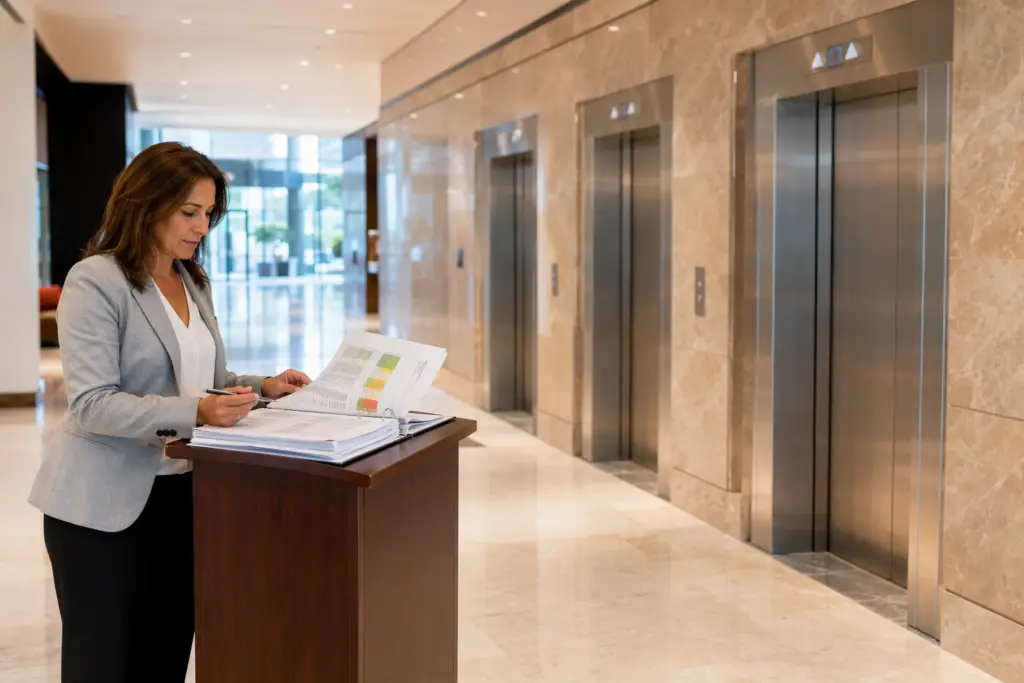
How to Budget for Elevator Maintenance and Capital Repairs | Quality Elevator Company How to Budget for Elevator Maintenance and Capital Repairs in a Commercial Building Direct Answer: Commercial building owners in DC, Maryland, Pennsylvania, and Virginia should budget for elevator costs across two distinct line items — ongoing preventive maintenance contracts and a capital […]
School and University Campus Elevator Compliance: Multi-Unit Inspection Schedules, Maintenance Standards, and Student Safety in Maryland, DC, Virginia, and Pennsylvania
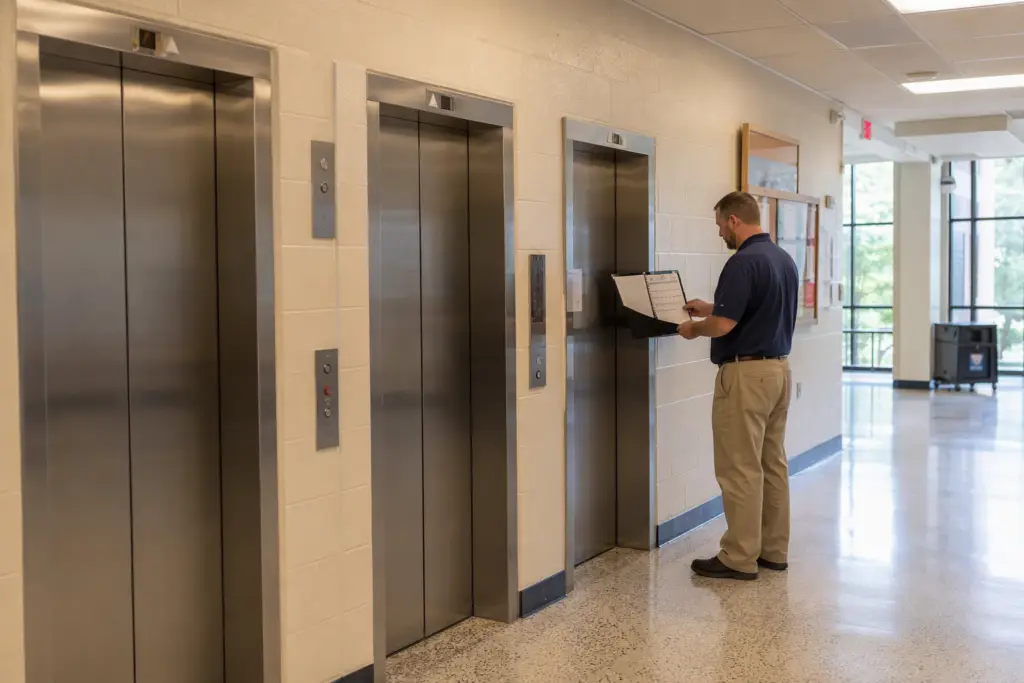
Managing Elevator Maintenance and Inspections on a School or University Campus Quick Answer: Managing elevator maintenance and inspections across a multi-elevator school or university campus requires a centralized compliance calendar, adherence to ASME A17.1 Safety Code for Elevators and Escalators and applicable state authority-having-jurisdiction (AHJ) requirements, documented preventive maintenance agreements for every unit, and coordination […]
Upcoming Elevator Code Changes in 2027: What Building Owners in Maryland, DC, Virginia, and Pennsylvania Need to Do Before Year-End
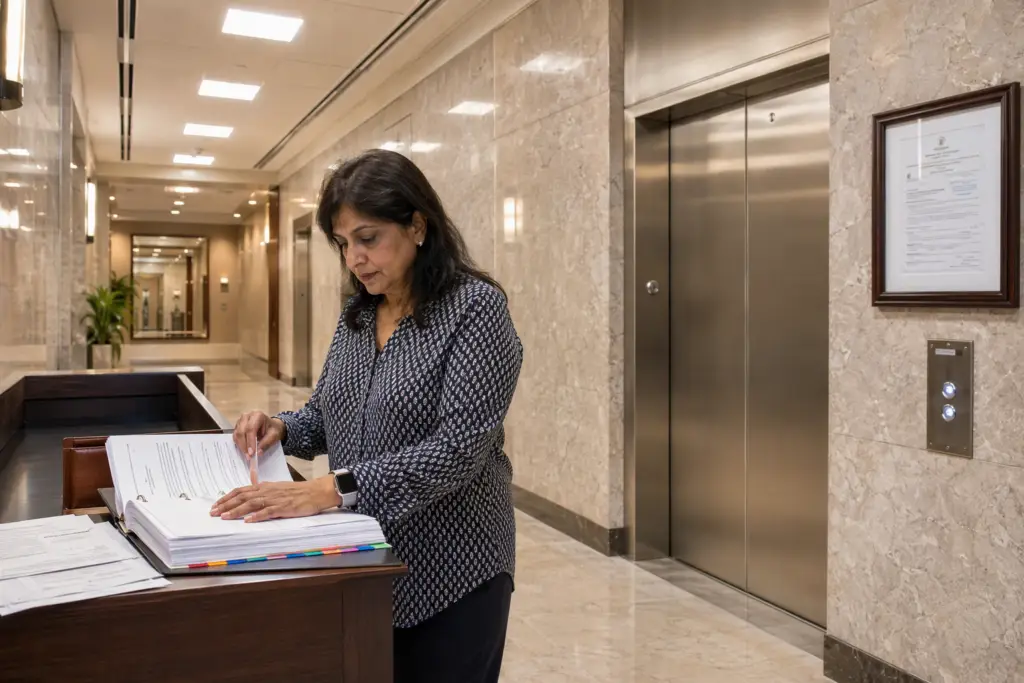
Direct Answer: Building owners in the mid-Atlantic region should prepare now for updated ASME A17.1/A17.3 safety code adoptions, phased ADA accessibility compliance requirements, and state-level authority-having-jurisdiction (AHJ) enforcement updates taking effect around 2027, including mandatory door-reopening device upgrades, emergency communications modernization, and machine room-less (MRL) equipment safety retrofits. A building manager reviews ASME A17.3 retrofit […]
Elevator Modernization Financing and Incentives: Grants, Tax Deductions, and Funding Options Available to Building Owners in 2026
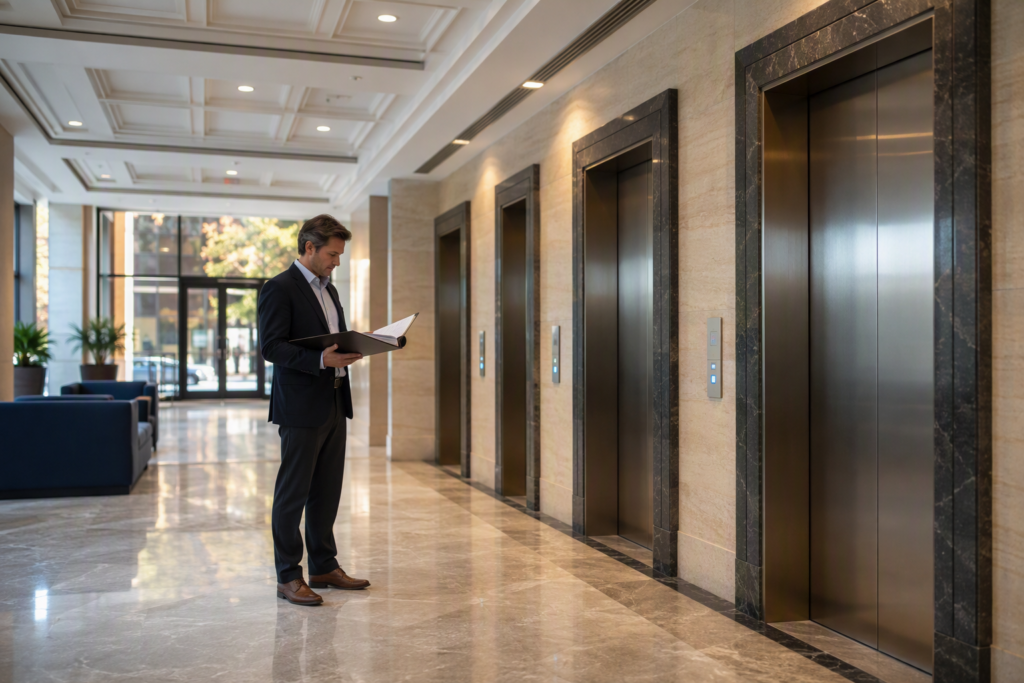
Elevator Service in Baltimore, MD | Quality Elevator Company Quick Answer: Commercial building owners in Baltimore, MD can access elevator modernization incentives and financing through federal tax deductions under the ADA, Maryland energy efficiency programs, commercial equipment financing, and manufacturer-backed upgrade programs — all of which Quality Elevator Company can help owners identify and apply […]
Commercial Elevator Lifespan: How Long Elevators Last, When to Modernize, and How to Plan for End-of-Life Replacement
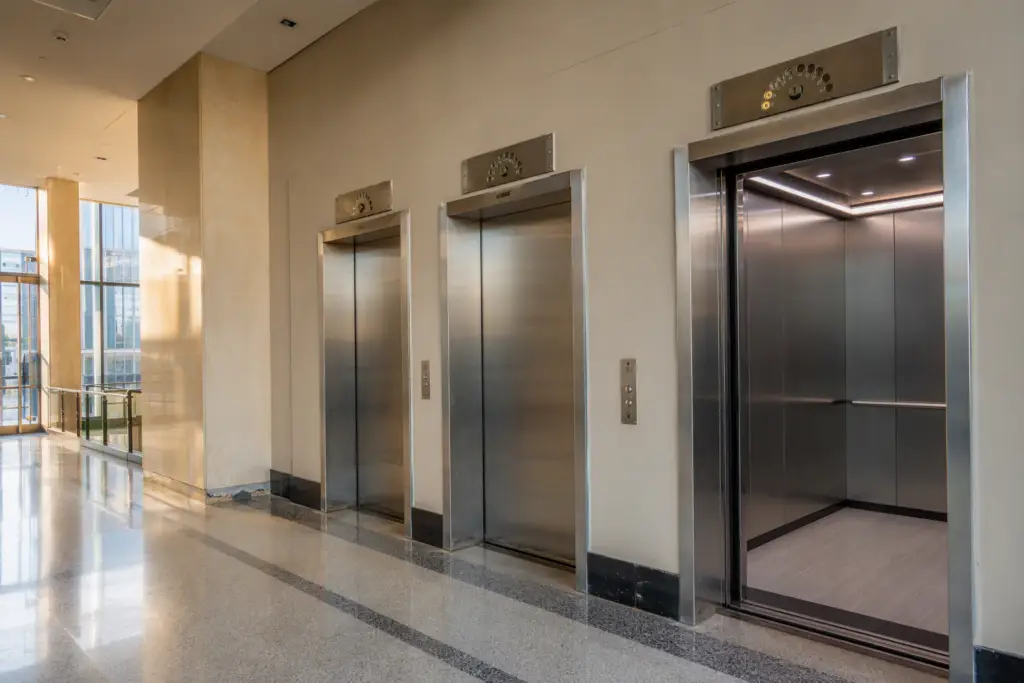
Direct Answer: A commercial elevator typically lasts 20 to 25 years before major modernization becomes necessary, though well-maintained units can remain in service longer; replacement or full modernization should be planned when repair costs consistently exceed the cost of upgrading, when the unit fails current ASME A17.1 Safety Code for Elevators and Escalators or ADA […]
Apartment and Multifamily Building Elevator Requirements: Compliance, Maintenance Standards, and Resident Safety in Maryland, DC, Virginia, and Pennsylvania
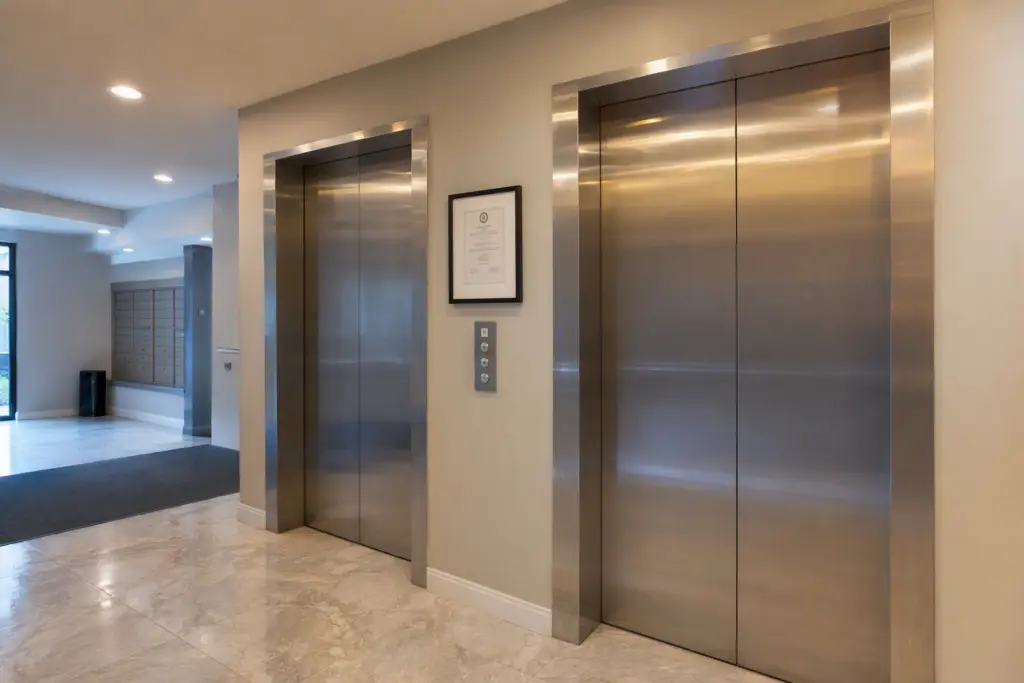
Elevator Maintenance and Compliance for Apartment and Multifamily Buildings Quick Answer: Managing elevator maintenance and compliance for an apartment or multifamily building requires a documented preventive maintenance program, adherence to ASME A17.1 Safety Code for Elevators and Escalators and ADA accessibility standards, and periodic inspections by a licensed third-party inspector or your jurisdiction’s Authority Having […]
Hotel and Hospitality Elevator Requirements: Compliance, Maintenance Standards, and Guest Safety in Maryland, DC, Virginia, and Pennsylvania
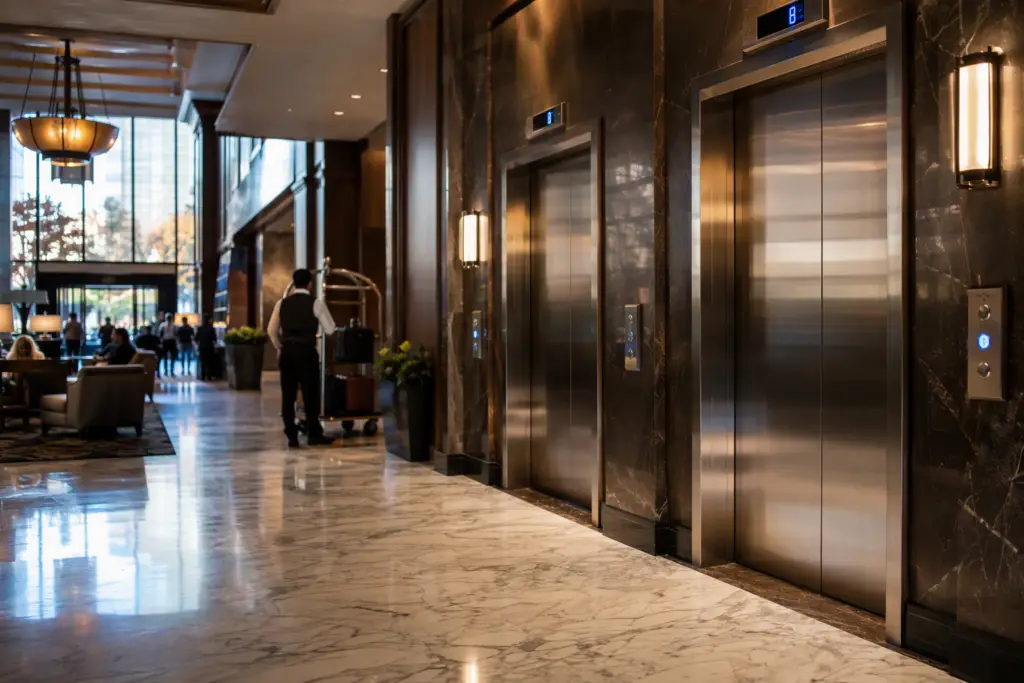
Hotel and Hospitality Elevator Compliance, Maintenance, and Guest Safety: A Complete Decision Guide for Maryland, DC, Virginia, and Pennsylvania Quick Answer: Managing elevator maintenance and compliance for a hotel or hospitality property requires a structured program that combines routine preventive maintenance, periodic third-party inspections mandated by state and local authorities, adherence to federal accessibility standards, […]
Elevator Warning Signs: How to Recognize Failure Before It Becomes an Emergency Shutdown
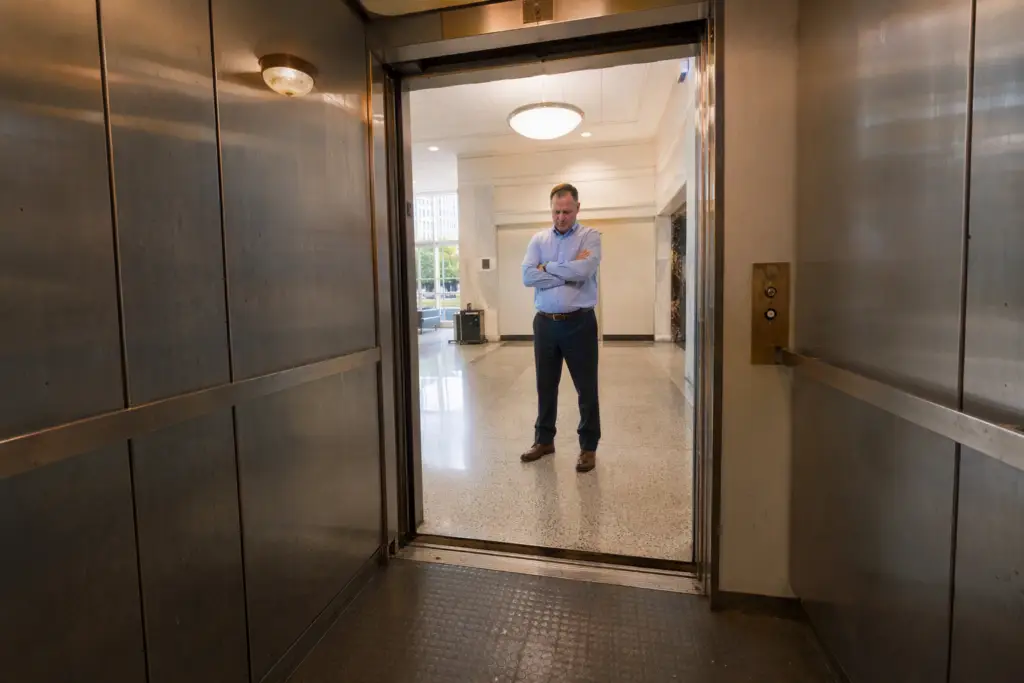
Direct Answer: Elevators typically show warning signs before complete failure — including unusual noises, leveling problems, slow or erratic door operation, frequent shutdowns, burning smells, rough rides, and outdated inspection certificates — and any of these symptoms warrants an immediate professional evaluation to prevent breakdown, entrapment, or code violations. A noticeable gap between the elevator […]
Elevator Repair vs. Modernization: How to Make the Right Call When a Major Component Fails
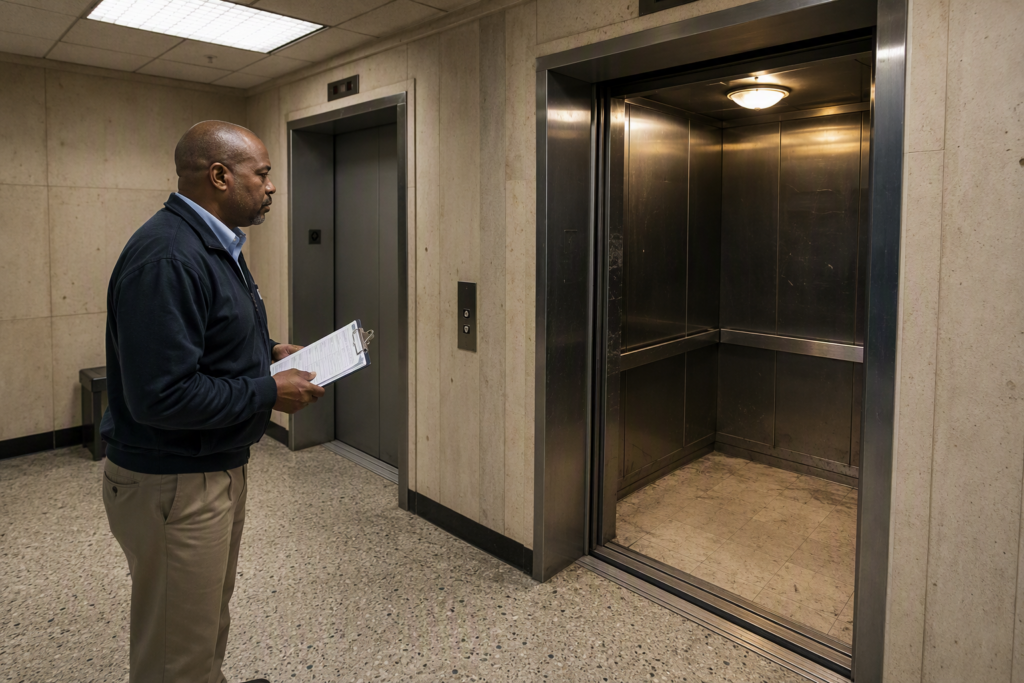
Repair or Modernize a Broken Elevator? How to Decide Direct Answer: When a major elevator component fails, the decision to repair or modernize depends on equipment age, cumulative repair costs, code compliance status, and the operational demands of your building — with modernization typically becoming the more cost-effective long-term choice once a system reaches the […]
ADA Elevator Compliance for Commercial Buildings: What Is Required, What Is Exempt, and How to Prioritize Upgrades
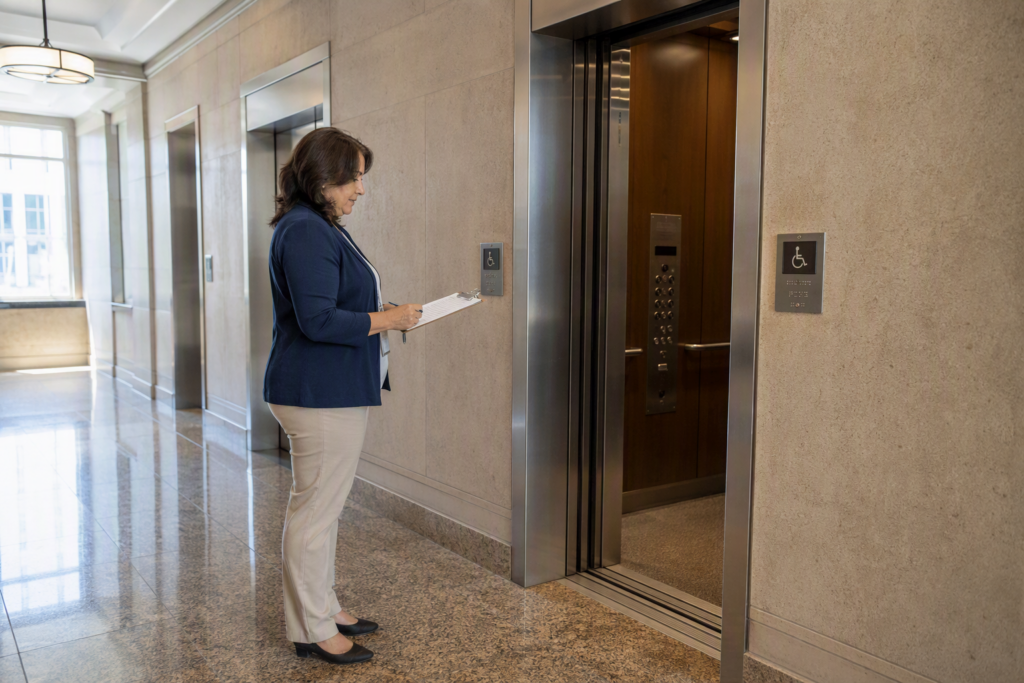
Direct Answer: An elevator qualifies for ADA compliance upgrades if it was installed or altered after January 26, 1992, serves a facility covered by the Americans with Disabilities Act, and does not meet current accessibility standards for cab dimensions, controls, signage, and door timing — a licensed elevator contractor can perform a formal assessment to […]