Elevator Maintenance and Compliance Requirements for Multifamily Apartment Buildings
For property managers, building owners, and asset managers responsible for multifamily residential buildings, elevator compliance is not optional — it is a legal obligation that directly affects resident safety, insurance coverage, and liability exposure. Understanding what the law, national codes, and accepted industry standards actually require is the essential first step toward protecting your residents and your investment.
What Is the Primary Code Governing Elevator Safety in Apartment Buildings?
The ASME A17.1 Safety Code for Elevators and Escalators is the foundational national standard adopted — in whole or with state-level amendments — by the vast majority of U.S. jurisdictions. It establishes design, construction, installation, operation, inspection, testing, and maintenance requirements for passenger elevators, including those in residential buildings. Most states formally reference ASME A17.1 in their elevator safety statutes, making compliance with its provisions a matter of law rather than voluntary best practice.
For existing installations in older apartment buildings, the companion standard ASME A17.3 Safety Code for Existing Elevators and Escalators applies. ASME A17.3 governs retroactive safety requirements — meaning that even equipment installed decades ago must be periodically upgraded to meet evolving minimum safety thresholds defined in that code.
Property owners should also be aware that accessibility obligations under the Americans with Disabilities Act (ADA) apply to public accommodations and commercial facilities, and that Fair Housing Act accessibility guidelines — which cover multifamily residential buildings with four or more units built after March 13, 1991 — impose separate elevator-related accessibility requirements. These are enforced differently than mechanical safety codes but carry significant legal consequences when ignored.
What Inspections Are Required and How Often?
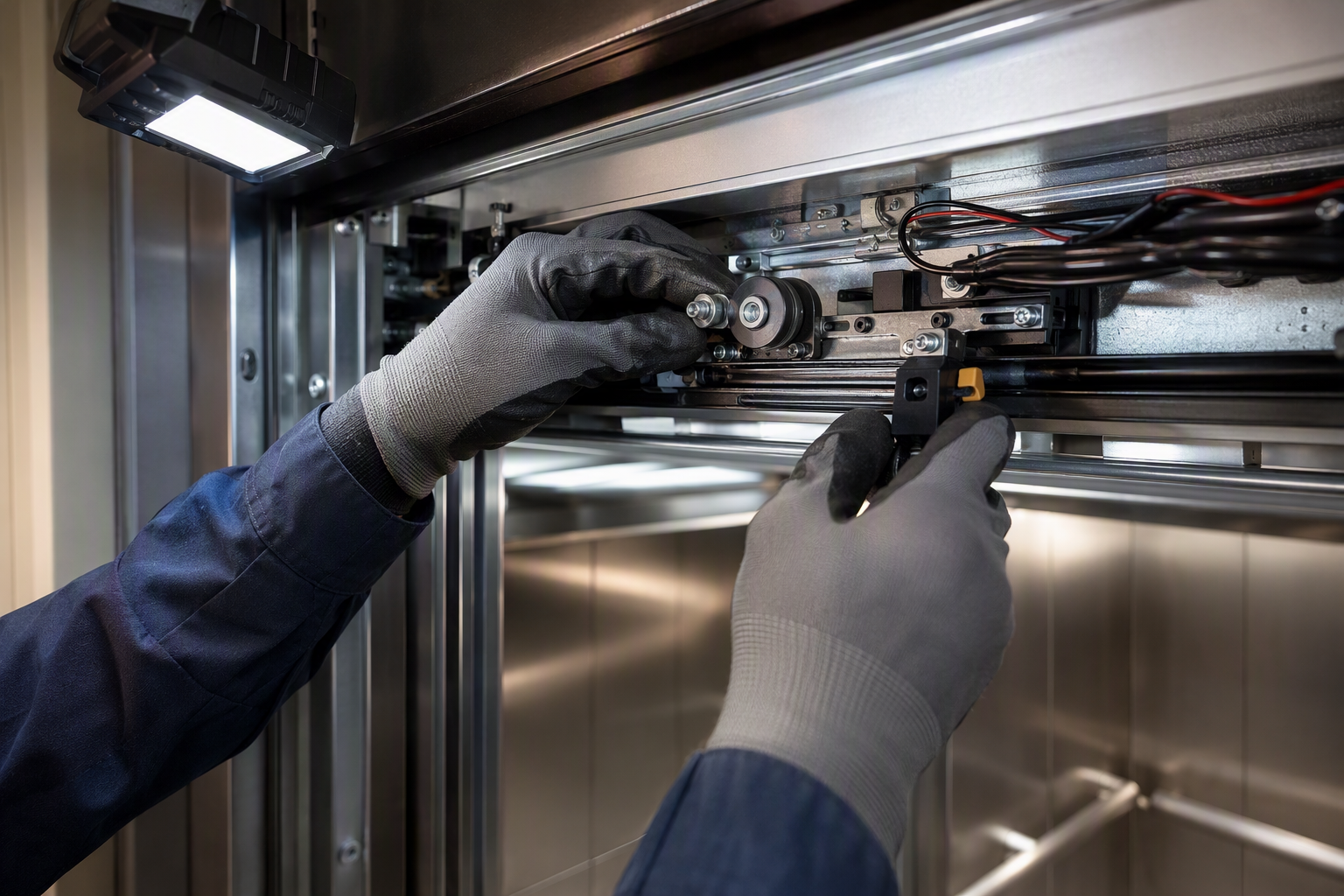
Inspection frequency requirements vary by jurisdiction, but the ASME A17.1 Safety Code for Elevators and Escalators establishes two core inspection and test categories that most state programs incorporate:
- Periodic Inspections: A qualified elevator inspector examines the elevator’s mechanical, electrical, and safety components. In most states this is required annually, though some jurisdictions require inspections every six months for high-use or high-rise residential installations.
- Periodic Tests: Certain functional safety tests — including governor and safety device tests, buffer tests, and brake tests — are required on defined multi-year cycles. The exact cycle (commonly every one, three, or five years depending on the test type and jurisdiction) is specified by the applicable state code edition and amendments.
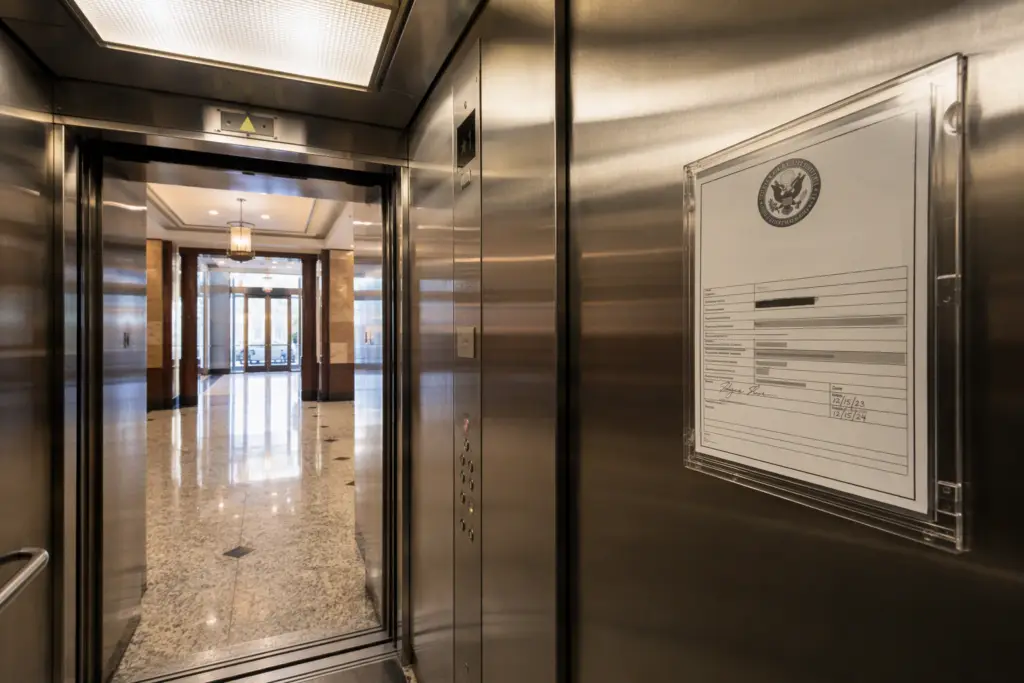
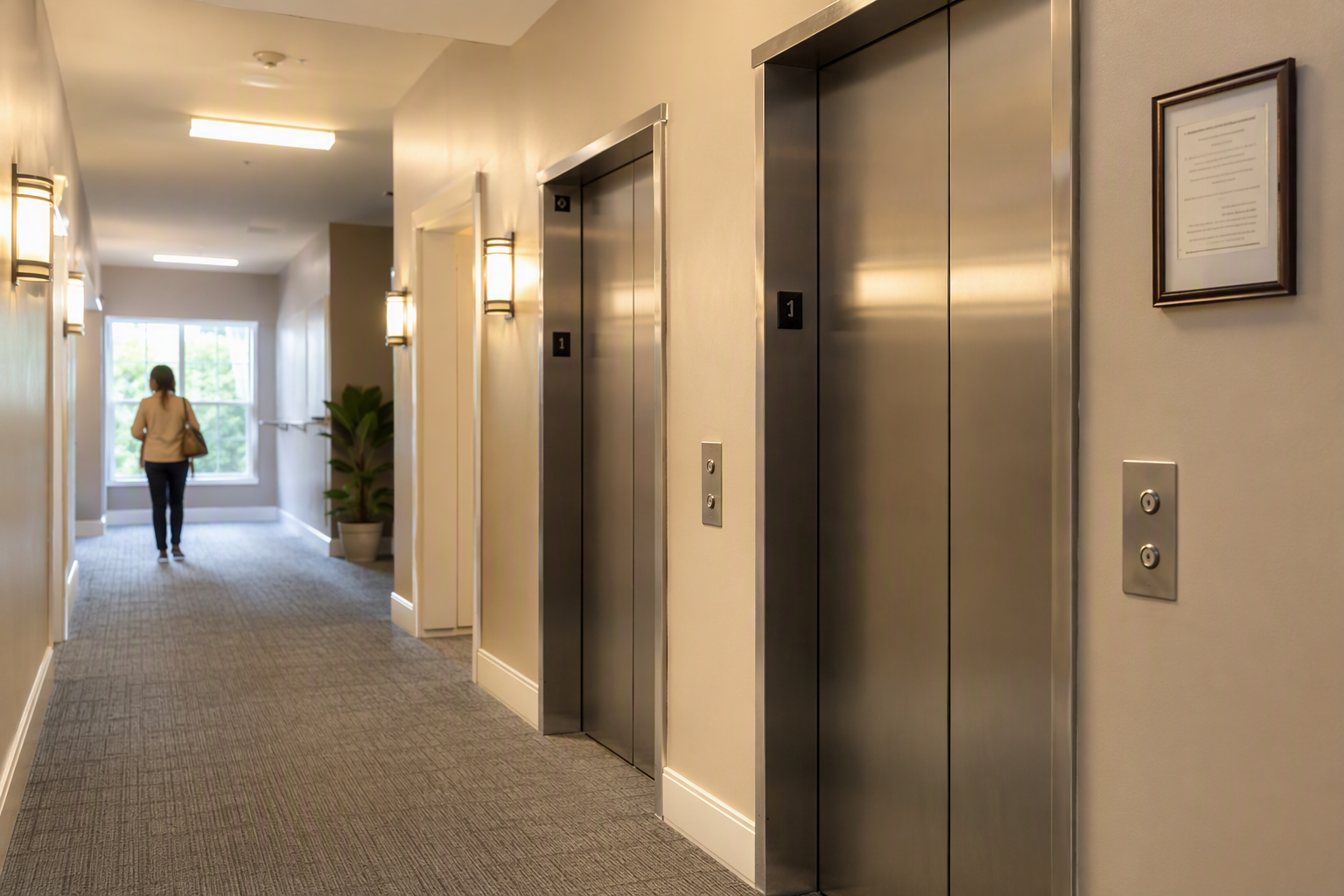
After each inspection, the building must receive a valid Certificate of Inspection, which ASME A17.1 and virtually all state programs require to be posted in a visible location inside the elevator cab. Operating an elevator with an expired certificate is a violation that can result in mandatory shutdown orders, fines, and civil liability if an injury occurs.
Inspections must be performed by inspectors who meet the qualifications defined by ASME QEI-1 Standard for the Qualification of Elevator Inspectors. Many states require inspectors to hold a QEI (Qualified Elevator Inspector) certification issued by an ASME-accredited organization.
What Preventive Maintenance Is Required for Residential Elevators?
The ASME A17.1 Safety Code for Elevators and Escalators requires that all elevators be maintained in a safe operating condition and that maintenance be performed by a “competent elevator mechanic” — a term that in practice means a licensed or certified elevator mechanic, depending on state law.
A compliant preventive maintenance program for a multifamily apartment elevator typically includes:
- Lubrication of all moving components including guide rails, sheaves, and door operators
- Inspection and adjustment of door safety edges, sensors, and closing force
- Verification of leveling accuracy at each floor
- Testing of emergency lighting, emergency telephone, and alarm systems
- Examination of hoisting ropes or belts for wear, broken wires, and elongation
- Review of controller boards and safety circuit integrity
- Cleaning of the pit, machine room, and cab interior
- Documentation of all work performed in a maintenance log
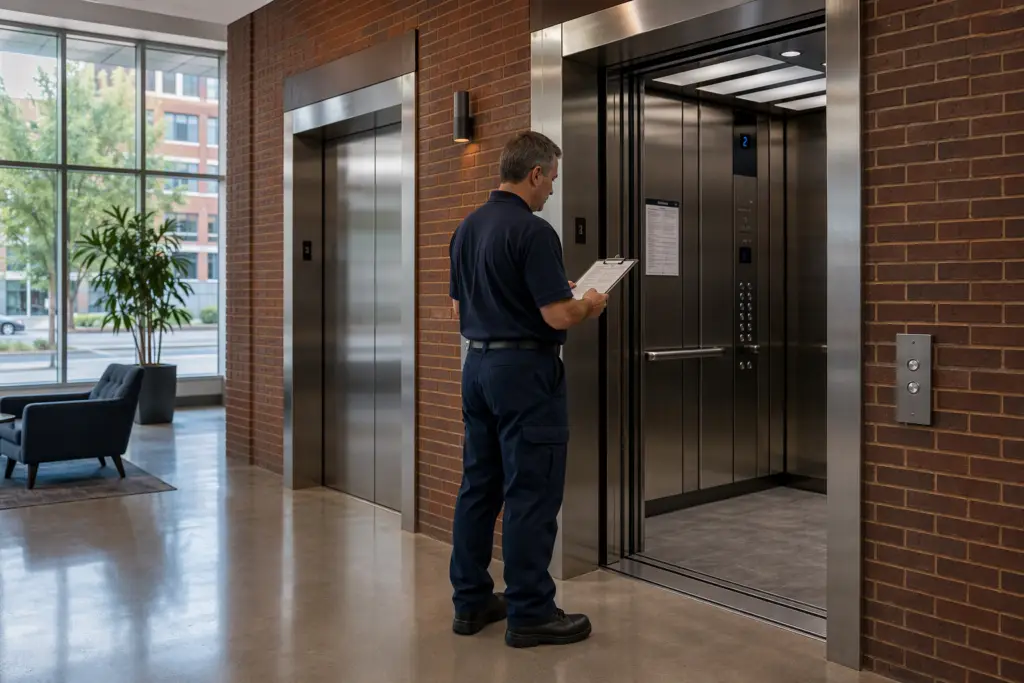
Maintenance logs are not merely good practice — many state elevator safety authorities require them to be available for review during inspections. Gaps in documentation can be treated as gaps in compliance.
What Are the Consequences of Non-Compliance for Apartment Building Owners?
Non-compliance with elevator safety requirements exposes multifamily building owners to a layered set of consequences:
- Regulatory enforcement: State elevator safety authorities can issue cease-and-desist orders, compelling an elevator out of service until deficiencies are corrected.
- Fines and penalties: Most state elevator programs impose per-day fines for operating with an expired inspection certificate or unaddressed violation notices. Fine structures vary widely by state.
- Civil liability: If a resident or guest is injured on a non-compliant elevator, the property owner’s exposure in litigation is substantially greater because non-compliance with a governing safety code is often treated as negligence per se.
- Insurance implications: Property and liability insurers may deny claims or cancel coverage if an elevator was operating outside compliance at the time of an incident.
- Habitability disputes: In multi-unit residential buildings, elevator outages resulting from regulatory shutdowns can trigger habitability complaints, rent withholding disputes, and fair housing concerns if the elevator is a required accessible route.
How Do ADA and Accessibility Requirements Apply to Apartment Building Elevators?
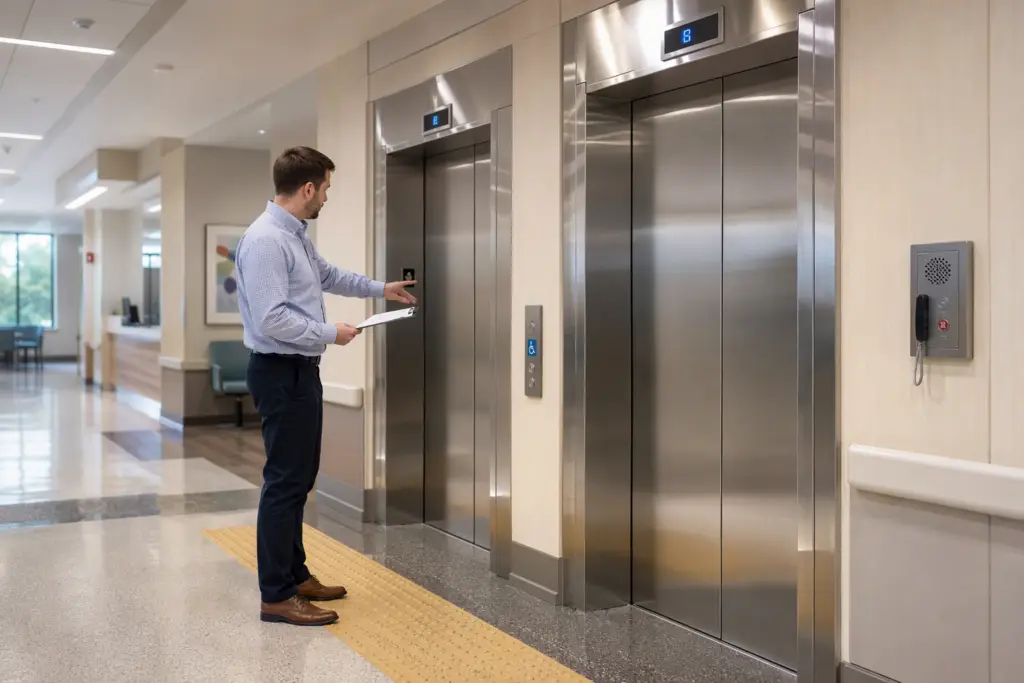
The Americans with Disabilities Act and its 2010 ADA Standards for Accessible Design establish minimum requirements for elevator cab dimensions, door clear width, control button placement and labeling (including Braille), floor number signage, and emergency communication systems in elevators serving places of public accommodation.
For private multifamily residential buildings not open to the public, the ADA may not apply directly — but the Fair Housing Amendments Act of 1988 imposes accessibility design requirements on covered multifamily dwellings, and HUD has published design guidelines that include elevator-related provisions. When an apartment building undergoes a major renovation, these accessibility obligations can trigger requirements for elevator modernization or modification.
Practically speaking, elevator controls should be reachable from a wheelchair, tactile characters and Braille should be present on all floor and control buttons, and the emergency intercom system must be accessible to individuals who are deaf or hard of hearing. Quality Elevator Company recommends consulting both the applicable ADA and Fair Housing standards whenever a modernization project is planned.
What Specific Tests Are Required Under ASME A17.1?
The ASME A17.1 Safety Code for Elevators and Escalators mandates several categories of tests, each on defined cycles. While the precise cycle depends on the code edition adopted in a given state, commonly required tests include:
| Test Category | Typical Frequency | Primary Purpose |
|---|---|---|
| Periodic Inspection | Annual (most jurisdictions) | Visual and operational safety check of all components |
| Firefighters’ Emergency Operation (FEO) Test | Annual | Verify Phase I and Phase II firefighter recall functions |
| Governor and Safety Device Test | Every 5 years (commonly) | Confirm overspeed protection and car arrest function |
| Hydraulic Pressure and Safety Valve Test | Every 5 years (hydraulic units) | Detect cylinder leaks, confirm pressure relief |
| Standby Power and Emergency Lighting Test | Annual | Confirm cab lighting and emergency power transfer |
Source: ASME A17.1 Safety Code for Elevators and Escalators. Exact cycles vary by state-adopted code edition and amendments — always verify with your state elevator safety authority.
What Is the Machine Room and Pit Compliance Required?
Beyond the elevator itself, the machine room and elevator pit are subject to their own compliance obligations under ASME A17.1 and, in the case of worker safety, under OSHA regulations:
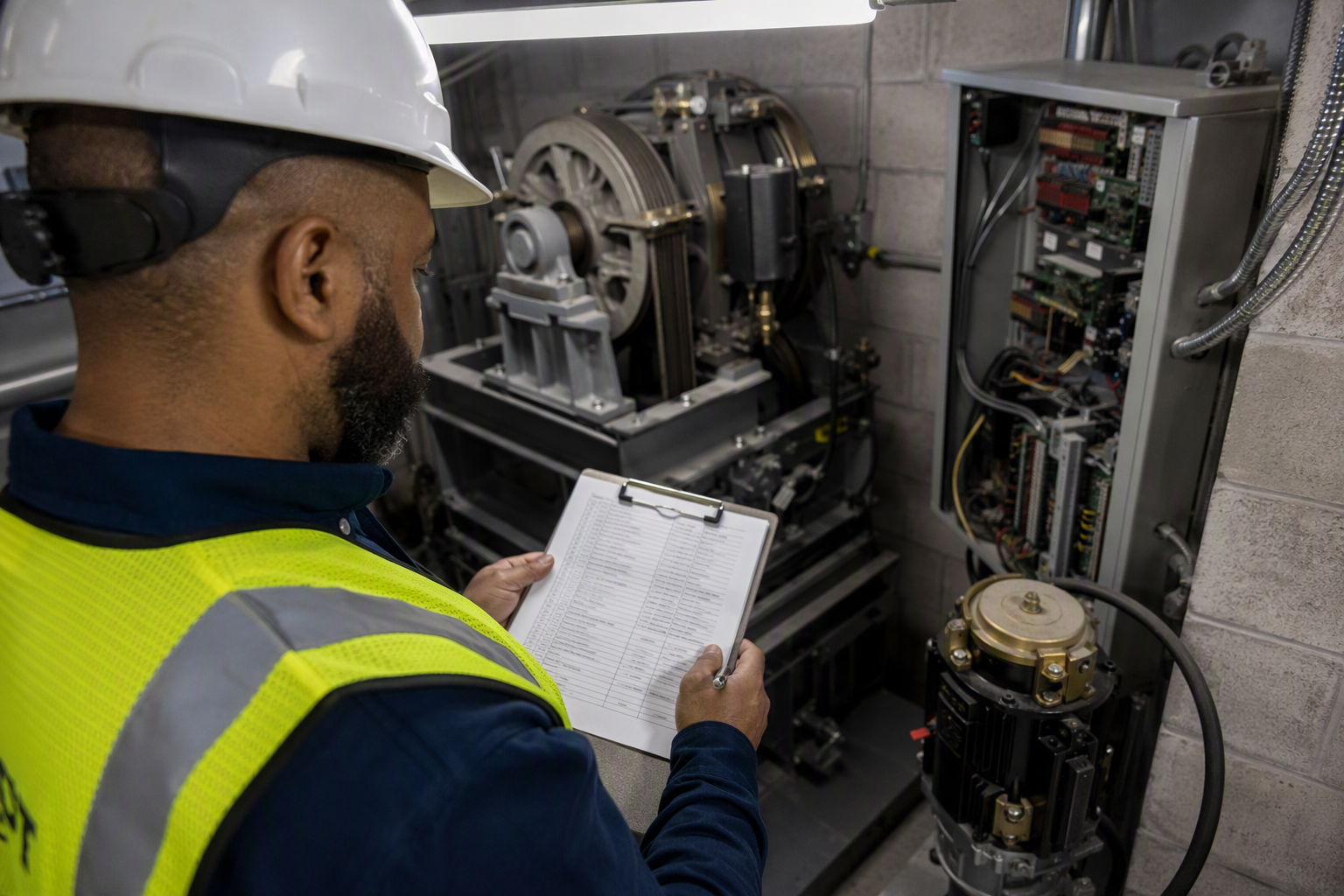
- Machine rooms must be kept clean, dry, properly lit, and accessible only to authorized personnel. They may not be used for storage of non-elevator materials.
- Elevator pits must maintain defined minimum clearances, have pit lighting and a stop switch, and be free of standing water. Many states require a pit ladder.
- OSHA lockout/tagout standards apply when elevator mechanics perform maintenance or repairs, requiring documented energy-control procedures.
- Machine room temperatures must remain within ranges that protect controller and drive electronics — excessive heat is a leading cause of premature component failure in residential elevators.
What Are the Current and Upcoming Industry Trends for Elevator Compliance in 2025–2026?
Several developments are shaping elevator compliance obligations for multifamily buildings in 2025 and into 2026:
- Remote monitoring and IoT adoption: State elevator authorities are increasingly receptive to condition-based monitoring data gathered through connected elevator systems. This technology helps predict component failures before they result in entrapments or code violations, and regulators in several jurisdictions are exploring how remote monitoring data can supplement — though not replace — physical inspections.
- Updated ASME code editions moving through state adoption: States adopt new ASME A17.1 editions on staggered schedules. Building owners and property managers should confirm which edition their state has currently adopted, as newer editions may require retrofits — particularly related to door detection systems, seismic protection, and energy efficiency provisions.
- Hydraulic elevator environmental regulations: Growing regulatory attention on hydraulic fluid contamination of groundwater is prompting more jurisdictions to mandate biodegradable hydraulic fluid or enclosed cylinder designs in older hydraulic residential elevators.
- Emergency communication modernization: Legacy telephone-based emergency communication systems in elevator cabs are being replaced by digital alternatives as traditional telephone infrastructure is discontinued. This is creating a compliance action item for many older apartment buildings.
- Workforce and parts supply considerations: The elevator service industry continues to navigate skilled labor availability and supply chain timing for components — factors that make proactive maintenance scheduling increasingly important for property managers who need to avoid unplanned outages.
What Should a Building Owner Do Immediately If Their Elevator Fails Inspection?
- Take the elevator out of service immediately if the inspector issues a shutdown order or if the violation poses an imminent safety risk. Operating a failed elevator can dramatically increase liability exposure.
- Obtain the written inspection report and review each cited deficiency with the exact code section referenced. This document is the authoritative list of what must be corrected.
- Contact a licensed elevator contractor as soon as possible to obtain an assessment of the required repairs and a realistic timeline for correction.
- Notify your insurance carrier of the elevator’s out-of-service status and the nature of the violations. Failure to notify can complicate claims.
- Communicate proactively with residents about the timeline for restoration, with particular attention to residents who rely on the elevator as a required accessible route. Document all communications.
- Coordinate the re-inspection with the state or local elevator authority. Some jurisdictions require a separate reinspection fee and scheduled appointment before a new certificate can be issued.
- Post the new certificate inside the cab before the elevator is returned to passenger service.
How Do State and Local Requirements Differ from ASME A17.1?
While ASME A17.1 provides the national baseline, elevator safety is primarily enforced at the state and local level in the United States. Differences that multifamily building owners commonly encounter include:
- Inspection authority: Some states use state-employed inspectors; others authorize private third-party inspection companies; some delegate authority to local building departments.
- Mechanic licensing: Many states require elevator mechanics to hold a state-issued elevator mechanic license, separate from ASME certification. Requirements vary.
- Permit requirements: Most jurisdictions require a permit before any elevator installation, alteration, or major repair — including controller replacements and modernizations.
- Certificate posting requirements: While ASME requires posting, state programs specify exact format and what information must appear on the certificate.
- Adopted code edition: States may be one or more editions behind the current ASME A17.1 publication, meaning specific technical requirements differ by location.
Quality Elevator Company works within the specific state and local regulatory frameworks applicable to each property it serves, helping building owners navigate jurisdiction-specific requirements rather than applying a generic national checklist.
What Factors Drive the Cost of Elevator Maintenance and Compliance for Apartment Buildings?
Cost is not a single figure — it varies substantially based on a range of equipment, building, and market factors. The primary cost drivers include:
- Elevator type and age: Hydraulic elevators and older traction elevators with relay-logic controllers require different maintenance approaches and have different parts availability profiles than modern machine-room-less (MRL) traction systems.
- Number of stops and usage volume: A two-stop residential elevator in a small apartment building has fundamentally different wear patterns than a high-use elevator in a large multi-story complex.
- Maintenance contract structure: Full-service maintenance agreements that include parts and labor typically have a higher base cost than oil-and-grease agreements, but they reduce budget exposure when major components require replacement.
- Geographic labor market: Licensed elevator mechanic labor costs vary by region and are also influenced by whether the market is served primarily by union or non-union elevator contractors.
- Deferred maintenance backlog: Buildings that have not maintained their elevators proactively often face higher corrective repair costs when compliance inspections reveal accumulated deficiencies.
- Modernization requirements: When inspections identify components that must be upgraded to meet current code — such as door detection systems or emergency lighting — modernization costs are in addition to routine maintenance expenses.
How Can Property Managers Stay Ahead of Compliance Obligations?
Proactive compliance management is significantly less costly — in money, time, and liability — than reactive compliance. Practices that experienced property managers and building owners use include:
- Maintaining a calendar of all inspection deadlines, certificate expiration dates, and mandated test cycles for every elevator in the portfolio
- Requiring maintenance contractors to provide copies of all work orders and maintenance logs, and retaining these records for the duration required by state law
- Conducting informal walk-through checks of elevator cabs, machine rooms, and pits between professional service visits to identify obvious issues early
- Requesting that the elevator contractor provide advance notice of components approaching end of service life, allowing capital planning rather than emergency spending
- Staying informed about code adoption updates in the applicable state and understanding how they affect existing equipment
Quality Elevator Company provides building owners and property managers with documentation support and compliance tracking as part of its maintenance service approach, helping ensure that the records regulators expect to see are organized and accessible when inspections occur.
What Emergency Communication Requirements Apply to Apartment Elevators?
Both ASME A17.1 and ADA accessibility standards impose requirements on emergency communication systems in elevator cabs. These systems must allow a trapped passenger to summon assistance at all times — including during a power outage — and must be accessible to individuals with hearing disabilities.
As traditional analog telephone service is sunset in many markets, elevator emergency phones that relied on POTS (Plain Old Telephone Service) lines are losing their underlying infrastructure. Building owners with older emergency communication systems should assess whether their current system will remain functional and compliant as telephone infrastructure changes, and plan upgrades accordingly.
Why Work With a Specialized Elevator Maintenance Provider?
Elevator maintenance and compliance for multifamily buildings is a specialized discipline that sits at the intersection of mechanical engineering, electrical systems, regulatory compliance, and resident safety. General building maintenance contractors are not qualified to perform elevator work under most state licensing regimes.
Quality Elevator Company brings a data-informed, code-centered approach to elevator maintenance and compliance for multifamily residential properties. Rather than applying a one-size-fits-all service schedule, the company evaluates each elevator’s type, age, usage profile, and compliance history to develop a maintenance and compliance plan that addresses both current obligations and anticipated regulatory evolution. This approach helps building owners avoid reactive, costly repairs and reduces the risk of inspection failures, shutdown orders, and liability exposure.
Working with a provider that understands both the technical requirements of ASME A17.1 and A17.3 and the specific regulatory environment of the jurisdiction where a property is located is essential for multifamily building owners who want to maintain continuous compliance and protect their residents.
Get a Free Elevator Compliance Assessment for Your Apartment Building
If your apartment building’s elevator compliance status is uncertain — or if an upcoming inspection is approaching — now is the time to act. Contact Quality Elevator Company for a free elevator assessment. A qualified elevator professional will review your current equipment, maintenance records, and compliance documentation to identify gaps and provide a clear path to full compliance.
Contact Quality Elevator Company for a free elevator assessment: 301-779-9116
Need elevator service you can rely on? Quality Elevator Company is ready to help.