Elevator Service in Baltimore, MD | Quality Elevator Company
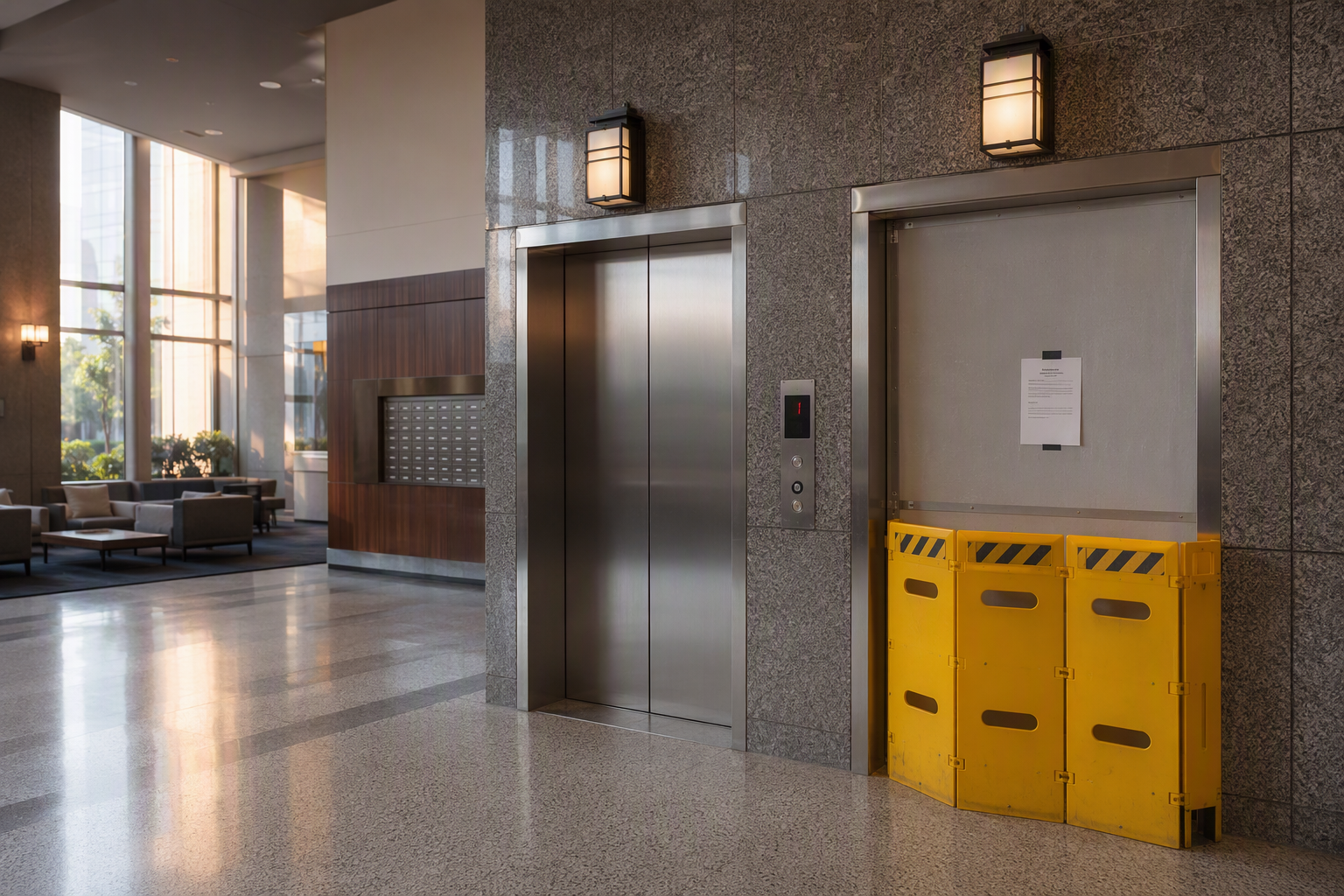
Modernizing or replacing an elevator in a building where people live or work every day is one of the most logistically complex projects a property owner or facilities manager can undertake in Baltimore, MD. Done well, it protects tenant relationships, keeps the building fully compliant with Maryland elevator codes, and extends equipment life for years to come. Done poorly, it causes disruption, complaints, and potential liability. This guide covers every major question building owners ask before starting a project.
What Does an Elevator Modernization or Replacement Project Actually Involve?
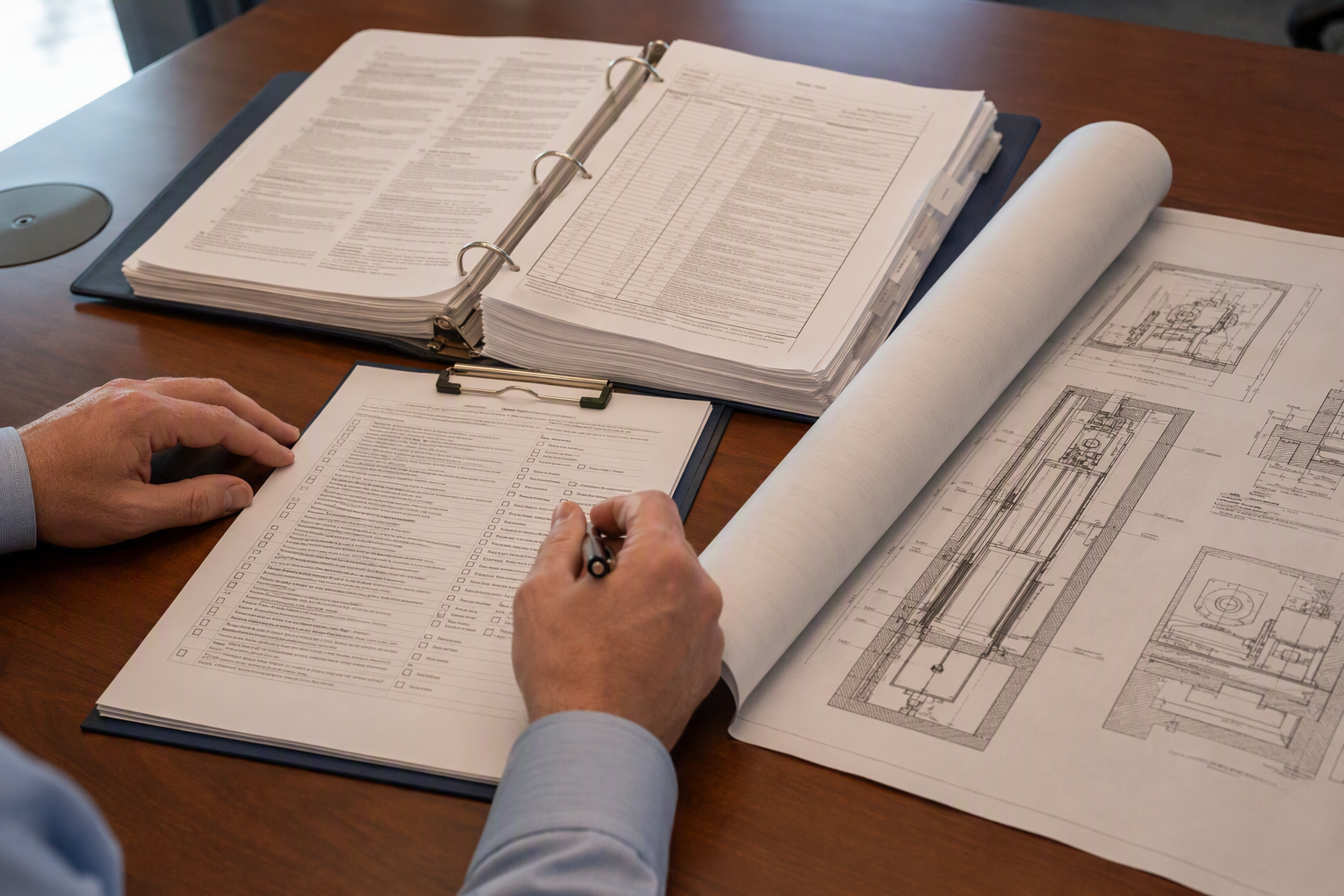
Modernization typically means upgrading key components — controllers, drive systems, cab interiors, door operators, and safety devices — while retaining the existing hoistway and structural elements. Full replacement means removing all existing equipment and installing a new elevator system from the pit to the machine room.
In Baltimore, both project types trigger a formal permit and inspection process through the Maryland Department of Labor, Division of Labor and Industry, Elevator Safety Unit. Any significant alteration to an elevator must comply with the edition of the ASME A17.1 Safety Code for Elevators and Escalators adopted and enforced in Maryland at the time the permit is issued. Property owners should confirm the currently enforced edition with the state elevator unit before finalizing scope.
Accessibility upgrades are frequently incorporated during modernization projects to bring equipment into closer alignment with ADA (Americans with Disabilities Act) requirements — particularly in commercial buildings open to the public.
How Do You Build a Modernization Schedule That Minimizes Tenant Disruption?
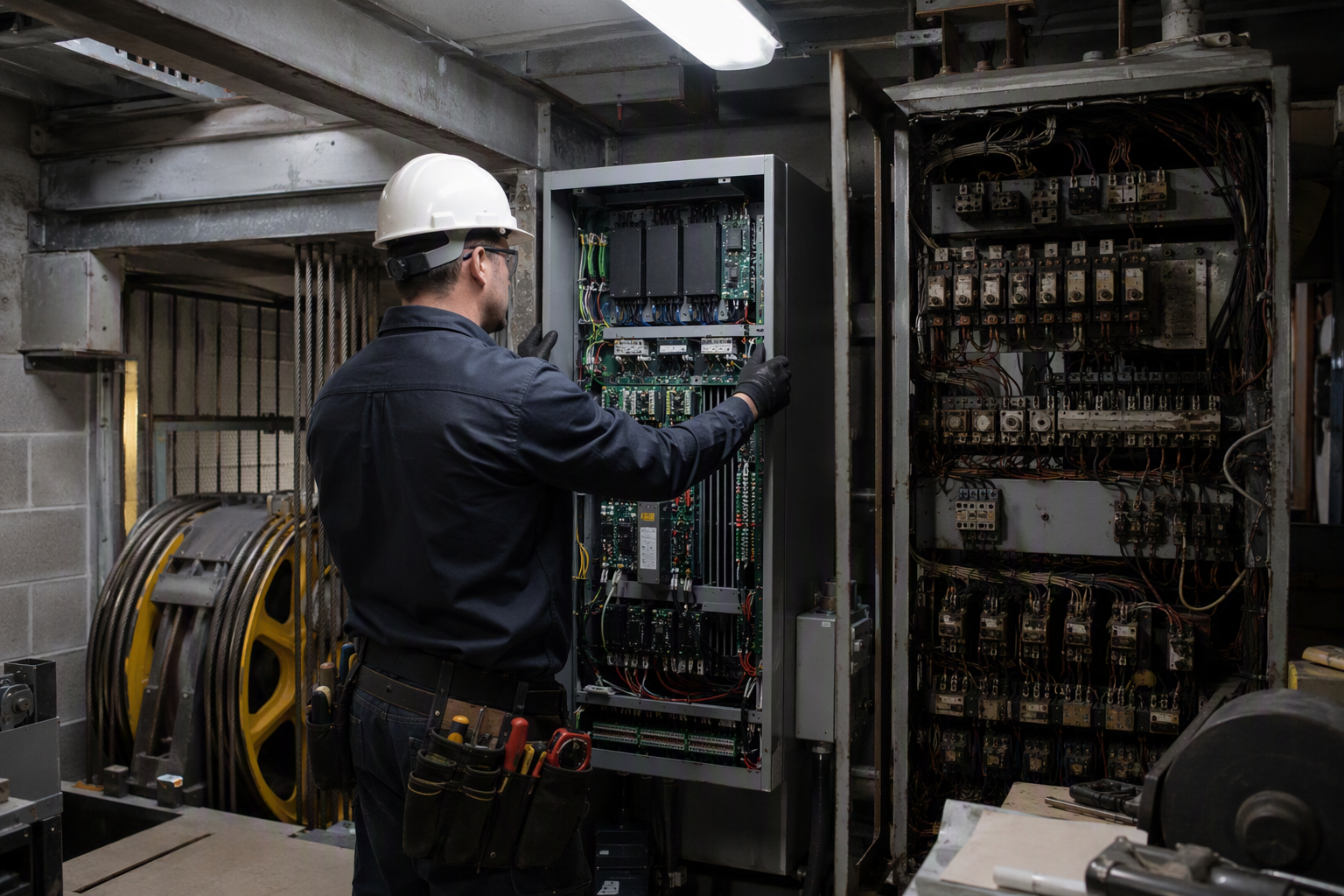
Phasing is the single most effective tool for protecting tenants during a modernization project. Below is a recommended step-by-step approach for occupied buildings in Baltimore:
- Conduct a pre-project audit. A qualified elevator contractor inspects existing equipment, documents deficiencies, and produces a scope-of-work that identifies which components must be replaced versus refurbished.
- Define the phasing plan before any work begins. In multi-elevator buildings, work one elevator at a time so at least one cab remains in service. In single-elevator buildings, negotiate a compressed shutdown window — often nights, weekends, or a brief planned outage — and communicate it in writing to all tenants well in advance.
- Submit permits early. Maryland’s permit review process takes time. Starting the application as early as possible prevents the contractor from being ready to work while approvals are pending.
- Notify tenants formally and repeatedly. Written notice — posted in lobbies, emailed to tenant contacts, and updated on a building bulletin board — reduces complaints and builds goodwill. Include start date, expected completion, which elevator is affected, and the alternative in place.
- Arrange temporary accessibility accommodations. For buildings serving residents or visitors with mobility limitations, identify alternative routes, portable lift options, or temporary elevator prioritization before work starts. Consult your ADA obligations at ADA.gov.
- Stage materials off-hours. Hoistway deliveries, dumpster placement, and machine room tearout generate noise and lobby congestion. Schedule heavy work during low-traffic periods.
- Build float time into the schedule. Hidden conditions — corroded structural supports, obsolete wiring, non-conforming pit depths — are common in older Baltimore buildings. A schedule with no buffer creates pressure to cut corners.
- Coordinate final inspection with Maryland elevator authorities. No modernized or replaced elevator may be returned to service until a state-approved inspector signs off. Coordinate this appointment proactively so the elevator does not sit idle after construction is complete.
What Maryland-Specific Elevator Codes Apply to Modernization Projects?
Maryland enforces elevator safety through the Elevator Safety Act and associated regulations administered by the Division of Labor and Industry. Key compliance points for 2026 modernization projects include:
- All alterations must conform to the ASME A17.1 Safety Code for Elevators and Escalators as adopted by Maryland at the time of permit issuance.
- A Maryland-licensed elevator contractor must perform all work covered by the permit.
- A state-licensed elevator inspector — either a state employee or a third-party inspector approved by the Division — must conduct and approve all required inspections before the elevator returns to public service.
- Work affecting electrical systems in the machine room must also comply with the National Electrical Code as adopted by Maryland, and may require coordination with a licensed electrician.
- OSHA standards governing construction safety — including fall protection, confined space entry for pit work, and electrical safety — apply to all workers on the project site.
How Long Does an Elevator Modernization Project Typically Take?
Project duration varies based on scope, equipment availability, permit processing time, and building conditions. A partial modernization focused on controls and door systems in a standard traction elevator is a different undertaking than a full car and drive system replacement. Supply chain conditions for elevator components also affect timelines and should be discussed with your contractor before the project is scoped. Building owners in Baltimore should request a detailed schedule with milestones from any contractor before signing a contract.
What Equipment Decisions Should Property Owners Make Before Selecting a Contractor?
Before soliciting bids, building owners benefit from clarifying several decisions:
- Modernization vs. full replacement: A qualified contractor can help assess which approach offers better long-term value based on the age and condition of the existing equipment.
- Drive type: Hydraulic, geared traction, and machine-room-less (MRL) systems each carry different space, energy, and maintenance profiles. The right choice depends on the building’s hoistway dimensions and usage patterns.
- Cab finishes and fixtures: Cab renovation is often bundled with modernization and affects both tenant experience and project cost.
- Remote monitoring: Modern controllers support real-time monitoring and diagnostics, which can reduce future downtime and simplify maintenance planning.
- Future-proofing for accessibility: If the building anticipates future ADA improvements or serves a population with mobility needs, incorporating accessibility features during modernization is more cost-effective than retrofitting later.
How Should Building Owners Compare and Evaluate Elevator Contractors?
In Maryland, only licensed elevator contractors may perform elevator work under permit. When evaluating proposals, property owners should verify:
- The contractor holds a valid Maryland elevator contractor license.
- The proposal includes a detailed scope of work, phasing plan, and permit responsibility.
- The contractor has demonstrable experience with the building type — residential, commercial, mixed-use, or healthcare — and with the specific equipment brand being modernized or replaced.
- References from similar projects in the Baltimore metro area are available upon request.
- The contractor carries adequate insurance and provides documentation before work begins.
Quality Elevator Company serves property owners across Baltimore and the surrounding Maryland market, offering full-service modernization planning, permit coordination, and ongoing maintenance for a wide range of building types.
What Ongoing Maintenance Obligations Follow a Modernization or Replacement Project?
Completing a modernization does not end a building owner’s compliance responsibilities. Maryland requires periodic inspections of all elevators on a defined schedule. Owners must maintain records of inspections, repairs, and certifications and make them available upon request. A preventive maintenance agreement with a licensed elevator contractor helps ensure the equipment remains in safe, code-compliant condition between inspection cycles and that any developing issues are identified before they result in an outage.
Does Quality Elevator Company Provide Emergency Elevator Service in Baltimore?
Quality Elevator Company maintains emergency service availability for clients in the Baltimore, MD area. When an elevator goes out of service unexpectedly — particularly in an occupied building where tenants depend on it — prompt response matters. Contact the team directly to discuss emergency service options and to understand how emergency coverage is structured for your building type and service agreement.
Ready to Plan Your Elevator Modernization Project in Baltimore?
Quality Elevator Company helps Baltimore-area building owners navigate every stage of the modernization or replacement process — from initial equipment assessment and permit coordination to phased scheduling designed to protect tenant relationships. Whether the building is a residential high-rise, a commercial office property, a healthcare facility, or a mixed-use development, the team brings the local code knowledge and project management discipline the project requires.
Schedule a Free Consultation today. Call Quality Elevator Company at 301-779-9116 to speak with a Baltimore elevator specialist.
Need elevator service you can rely on? Quality Elevator Company is ready to help.