Elevator Accident Statistics: A Comparison & Decision Guide for Building Owners
Understanding elevator accident statistics helps building owners, facility managers, and safety officers make informed decisions about maintenance programs, inspection schedules, and vendor selection. This guide covers the leading causes of elevator incidents, compliance requirements, what to do after an accident, and how proactive service compares to reactive repair — so you can protect your tenants, employees, and liability exposure.
What Do Elevator Accident Statistics Actually Tell Us?
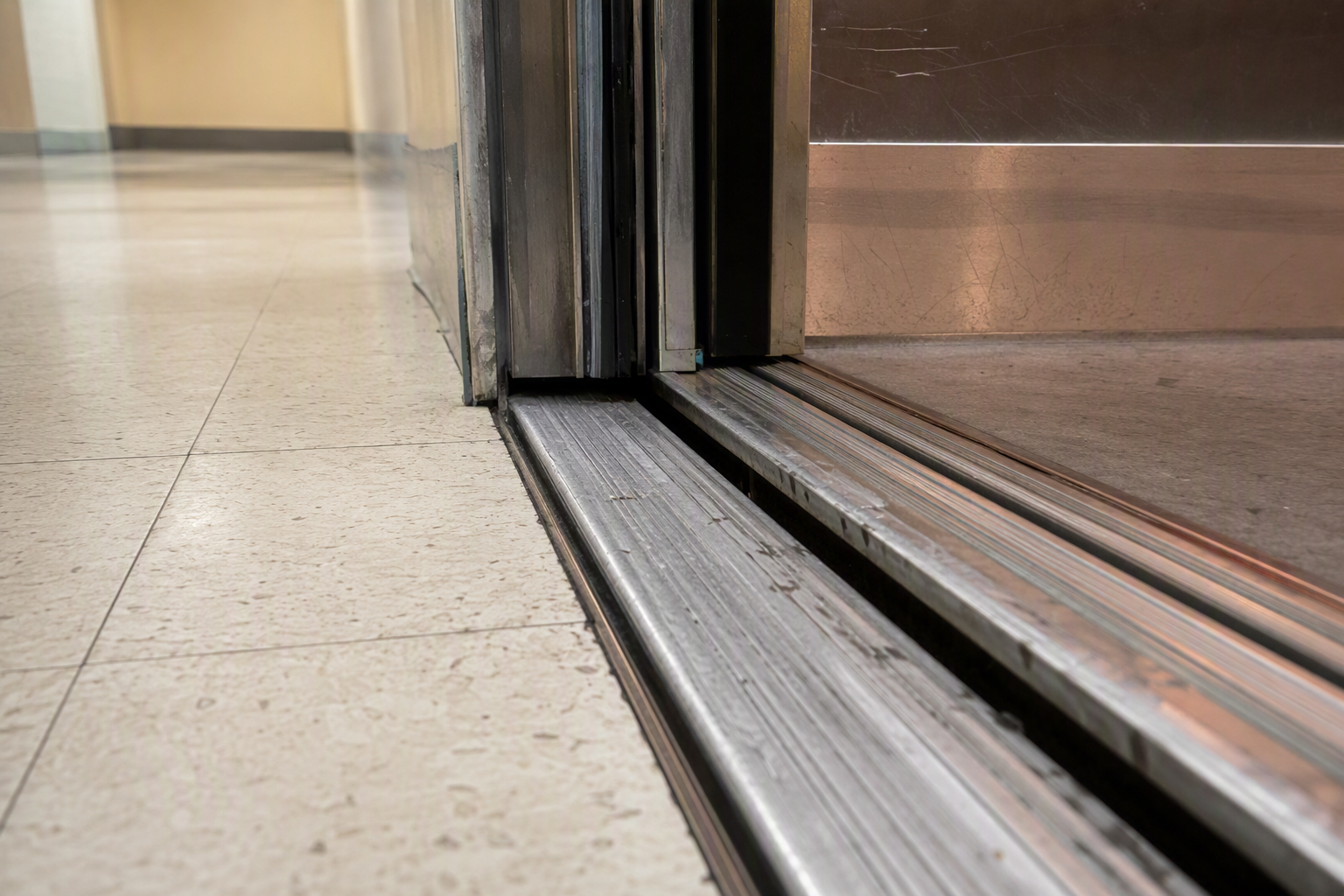
Elevator accident data consistently points to a clear pattern: the vast majority of serious incidents are preventable. According to the ASME A17.1 Safety Code for Elevators and Escalators, elevators are among the safest forms of transportation when properly maintained and inspected on schedule. Conversely, incidents cluster around units with deferred maintenance, skipped inspections, or aging components operating beyond their service life.
Common causes identified in incident investigations include:
- Door malfunctions (the most frequently cited mechanical failure category)
- Leveling failures that cause uneven stops between the cab and landing
- Entrapments caused by power or control system failures
- Falls into hoistways during maintenance or emergency operations
- Hydraulic fluid leaks in older hydraulic elevator systems
- Worn or broken suspension ropes and sheaves
- Overloading beyond the rated capacity
The injury risk is not evenly distributed. Passengers account for a significant share of reported incidents, but maintenance workers and technicians working in and around elevator equipment face a disproportionately elevated risk — a point emphasized repeatedly in OSHA guidance on vertical transportation safety.
Proactive Maintenance vs. Reactive Repair: A Side-by-Side Comparison
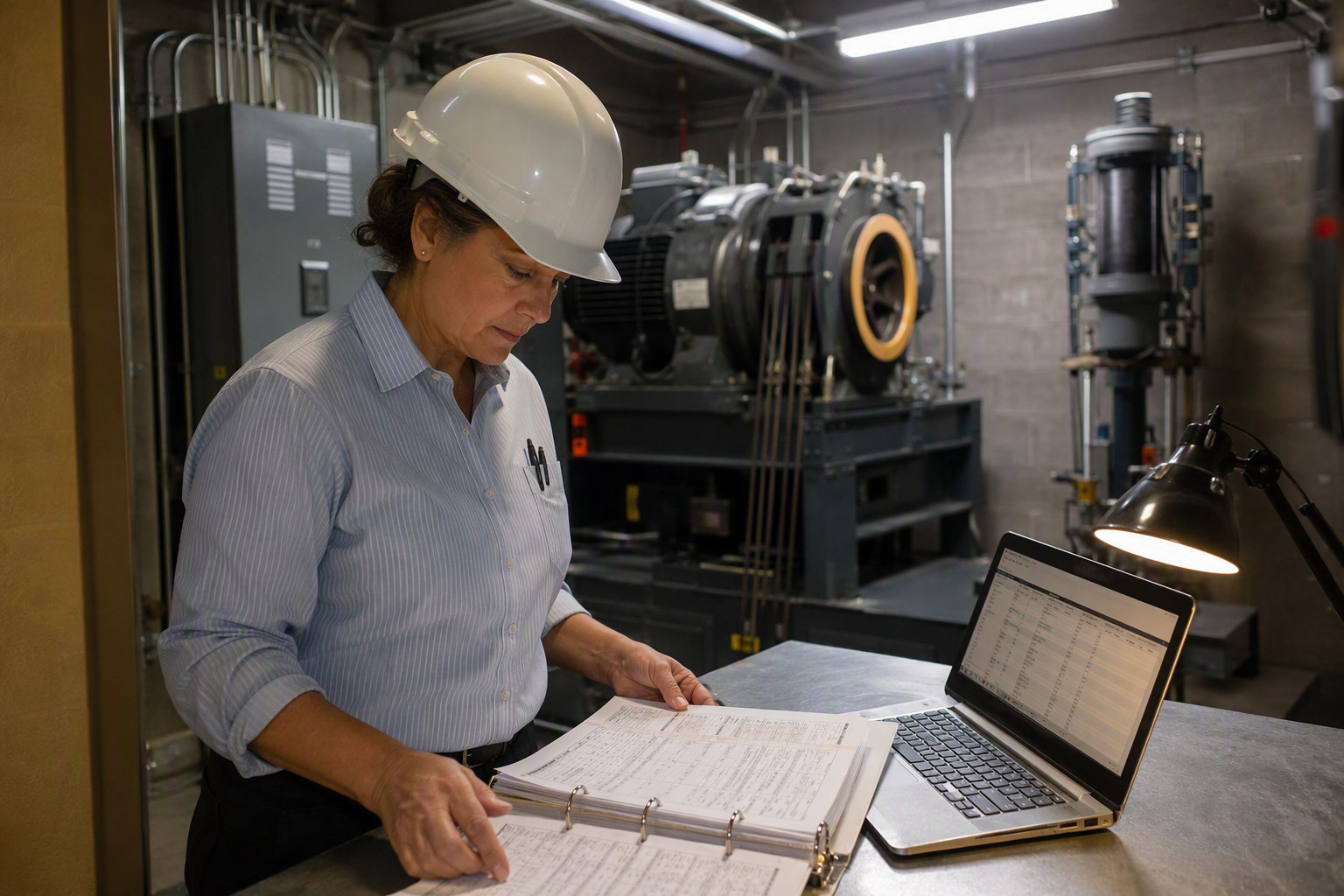
One of the most consequential decisions a building owner makes is choosing between a proactive full-service maintenance contract and a reactive “repair-on-failure” approach. The table below compares the two models across key decision factors.
| Factor | Proactive Maintenance Program | Reactive / On-Call Repair Only |
|---|---|---|
| Safety Outcome | Lower incident rate; issues identified before failure | Higher incident risk; failures occur before intervention |
| Regulatory Compliance | Aligns with ASME A17.1 inspection schedules; supports ADA compliance | Risk of missed inspection deadlines and code violations |
| Equipment Lifespan | Extended component life through lubrication, adjustment, and early replacement | Shortened lifespan due to cumulative wear going unaddressed |
| Downtime | Minimal planned downtime; avoids emergency shutdowns | Unplanned outages, potential entrapments, extended shutdowns |
| Liability Exposure | Documented service records support legal defense in incident claims | Gaps in service records increase liability vulnerability |
| Long-Term Cost | Predictable; prevents costly emergency repairs and replacements | Unpredictable; emergency labor and parts carry premium costs |
| Tenant / Occupant Confidence | High; visible maintenance activity builds trust | Low; frequent outages erode confidence and increase complaints |
| ADA Accessibility Continuity | Elevator availability maintained; fewer ADA accessibility gaps | Unplanned outages may trigger ADA compliance concerns |
Verdict: For building owners with a duty of care to occupants and a compliance obligation under local jurisdictional codes and the ASME A17.1 Safety Code for Elevators and Escalators, a proactive maintenance program is the lower-risk, lower-lifetime-cost choice. Quality Elevator Company provides certified, comprehensive maintenance programs designed to keep elevators operating safely, on schedule, and within code.
Compliance Requirements That Directly Affect Accident Risk
ASME A17.1 Inspection and Testing Standards
The ASME A17.1 Safety Code for Elevators and Escalators is the foundational standard adopted by most U.S. jurisdictions. It mandates periodic inspections, load testing, and safety device testing at defined intervals. Non-compliance is a direct contributor to preventable incidents because safety devices that have not been tested may fail silently before an emergency arises.
OSHA Requirements for Elevator Workers
OSHA regulations govern the safety of workers performing elevator maintenance, inspection, and repair. Building owners who contract with unqualified or under-equipped service providers may share liability exposure when a technician is injured during service work on their property.
ADA Accessibility and Elevator Availability
Under the Americans with Disabilities Act (ADA), elevators in multi-story buildings are frequently the primary accessible route for people with mobility disabilities. Extended elevator outages due to deferred maintenance can constitute an accessibility barrier, creating compliance risk beyond the immediate safety concern.
What Are the Leading Causes of Elevator Accidents?
Incident investigation patterns across the elevator industry consistently identify the following root causes. Understanding these categories helps building owners prioritize inspection focus areas:
| Cause Category | Risk Level | Preventable With Scheduled Maintenance? |
|---|---|---|
| Door system malfunction | High frequency | Yes — door contact testing and adjustment |
| Leveling / floor-to-cab height misalignment | High injury potential | Yes — leveling device calibration |
| Entrapment (power/control failure) | Moderate frequency | Partially — backup power testing reduces duration |
| Hoistway fall (maintenance personnel) | Severe consequence | Yes — lockout/tagout compliance per OSHA |
| Hydraulic system failure / leaks | Moderate risk | Yes — fluid level checks and seal inspections |
| Suspension rope / sheave wear | Low frequency, severe consequence | Yes — visual and load testing per ASME A17.1 |
| Overloading | Low with signage/rated load posting | Yes — capacity posting and load monitoring |
What Should You Do Immediately After an Elevator Incident?
- Secure the area. Take the affected elevator out of service immediately and restrict access to the hoistway and machine room.
- Call emergency services. If anyone is injured or trapped, contact 911 before any other action. Do not attempt to rescue trapped passengers by forcing doors manually.
- Notify your elevator service provider. Contact your maintenance contractor — such as Quality Elevator Company — for an emergency inspection before returning the unit to service.
- Preserve all evidence. Do not reset the controller, delete error logs, or service the equipment until the cause is documented. Preserve any video surveillance footage.
- File the required incident report. Most jurisdictions require reporting elevator incidents involving injury or entrapment to the local elevator inspection authority within a specified timeframe.
- Review your maintenance records. Compile inspection logs, service tickets, and prior violation notices — these will be requested by investigators and insurers.
- Obtain a written inspection report before return to service. Ensure your elevator contractor documents the root cause, corrective action taken, and confirmation of compliance with ASME A17.1 requirements before reopening the elevator.
- Notify your insurance carrier. Report the incident promptly as required under your general liability policy to preserve your coverage rights.
How Does the Age of an Elevator Affect Accident Risk?
Elevator age is a significant risk factor, but it is not determinative on its own. An older elevator with a consistent, documented maintenance history and timely component replacement can remain safe and compliant. An elevator of any age without proper maintenance poses elevated risk.
Key age-related risk factors include:
- Obsolete control systems that lack modern safety interlocks required by current editions of the ASME A17.1 Safety Code
- Aging hydraulic systems with original cylinders susceptible to corrosion and subsurface leaks
- Worn rope and sheave systems approaching or exceeding design service intervals
- Door operators with mechanical wear that increases the risk of reopening failures or door reversal malfunctions
- Outdated emergency communication systems that may not meet current ADA two-way communication requirements
Quality Elevator Company offers condition assessments specifically designed to evaluate older equipment and provide building owners with a prioritized upgrade roadmap that addresses the highest-risk components first.
How Does Elevator Maintenance Vendor Choice Affect Safety Outcomes?
Not all elevator service providers operate under the same standards. Building owners should evaluate vendors using the following criteria:
| Evaluation Criteria | What to Look For | Red Flags |
|---|---|---|
| Compliance with ASME A17.1 | Documented familiarity with current code editions | Vague references to “industry standards” without specifics |
| OSHA safety practices | Written lockout/tagout procedures; technician PPE use | Technicians working without fall protection or lockout protocols |
| Documentation quality | Detailed written service reports after every visit | Verbal-only reporting; no written records provided |
| Inspection history tracking | Maintains inspection certificate calendar; alerts owner before due dates | Owner responsible for tracking all deadlines independently |
| Transparency on deferred repairs | Written notice of any observed deficiency, even if not immediately critical | Only reports items that require immediate billable repair |
| Multi-brand capability | Qualified on major manufacturers’ equipment without proprietary lock-in | Requires proprietary parts that limit competitive pricing |
Quality Elevator Company is an independent elevator service provider — not affiliated with any single manufacturer — which means service decisions are driven by safety and equipment needs, not by parts sales quotas or proprietary software lock-in.
Are Elevator Entrapments Considered Accidents?
Elevator entrapments — situations where passengers are unable to exit the cab — are classified separately from injury-producing accidents in most jurisdictional reporting frameworks. However, entrapments carry their own serious risks: occupants with medical conditions, elevated temperatures in confined spaces, panic reactions that lead to self-rescue attempts, and extended exposure in older buildings with inadequate emergency communication systems.
Entrapments are largely preventable through:
- Regular inspection and testing of control systems and safeties
- Functioning emergency lighting and two-way communication as required under ADA and applicable codes
- Backup power systems tested on a defined schedule
- Rapid-response service agreements that minimize entrapment duration
What Is the Role of Regular Inspections in Preventing Elevator Accidents?
Mandatory periodic inspections — as required by the ASME A17.1 Safety Code for Elevators and Escalators and adopted by most state and local jurisdictions — are the primary regulatory mechanism for accident prevention. Inspections verify that safety devices are functioning, structural components are within tolerances, and required operational features are present and working.
Inspections alone, however, are not sufficient. The interval between mandatory inspections can be long enough that a component that passes inspection today may degrade to a failure condition before the next mandated inspection. A proactive maintenance program fills this gap by providing regular, interim service visits that catch developing issues before they become safety events.
How Can Building Owners Reduce Elevator Liability Exposure?
Liability in elevator accident claims typically turns on two questions: Was the owner aware — or should they have been aware — of the unsafe condition? And did the owner take reasonable steps to prevent it? Building owners can reduce exposure by:
- Maintaining a complete, current set of inspection certificates and service records
- Entering a written maintenance contract with a qualified provider and keeping copies of all service reports
- Acting promptly on written notices of deficiency from inspectors or contractors
- Ensuring OSHA-compliant contractor practices are in place for all work performed in the hoistway or machine room
- Posting required capacity, certification, and emergency instruction notices in the cab
- Training building staff on how to respond to entrapments — including the instruction never to attempt manual rescue
What Is the Difference Between an Elevator Violation and an Elevator Accident?
A violation is a condition identified during inspection that does not comply with the applicable code — for example, a missing or expired inspection certificate, a door that fails to reverse on contact, or a safety device that does not function during testing. Violations may or may not have caused an incident, but they represent a documented, unresolved risk.
An accident is an event in which a person is injured, property is damaged, or a dangerous operational failure occurs. Many accidents are preceded by unresolved violations — which is why violation history is scrutinized heavily in post-incident liability investigations.
Quality Elevator Company provides written documentation of any observed condition — including items that do not yet rise to a code violation — so building owners can make informed decisions about repair prioritization before an incident occurs.
How Do Escalator Accident Statistics Compare to Elevator Incidents?
Escalators and moving walkways share the same governing code — the ASME A17.1 Safety Code for Elevators and Escalators — but have a different injury profile. Escalator incidents more frequently involve passenger falls, caught clothing or footwear in the comb plate or skirt panel, and sudden stops. The risk population skews toward younger children and older adults.
Like elevators, the majority of escalator incidents are linked to maintenance deficiencies — particularly worn or missing comb teeth, improper skirt-to-step clearances, and inadequate handrail speed synchronization. The same principle applies: proactive maintenance is the primary prevention strategy.
Summary: Key Decision Factors for Building Owners
| Priority | Action | Standard / Authority |
|---|---|---|
| 1 | Confirm current inspection certificate is valid and posted | ASME A17.1 / Local jurisdiction |
| 2 | Enter a written full-service maintenance contract | Best practice; supports liability defense |
| 3 | Verify contractor OSHA compliance for hoistway work | OSHA |
| 4 | Confirm ADA emergency communication is functional | ADA |
| 5 | Address all open violations from prior inspections | ASME A17.1 / Local jurisdiction |
| 6 | Schedule a condition assessment for equipment over 15 years old | Risk management best practice |
Take the Next Step in Elevator Safety
Elevator accidents are preventable. The data is consistent: buildings with documented, proactive maintenance programs have better safety outcomes, stronger liability positions, and fewer unplanned outages. Quality Elevator Company is an independent, certified elevator service provider serving building owners who take their duty of care seriously.
Contact Quality Elevator Company for a free elevator assessment — call us today at 301-779-9116.
Need elevator service you can rely on? Quality Elevator Company is ready to help.