Elevator Service in Philadelphia, PA | Quality Elevator Company
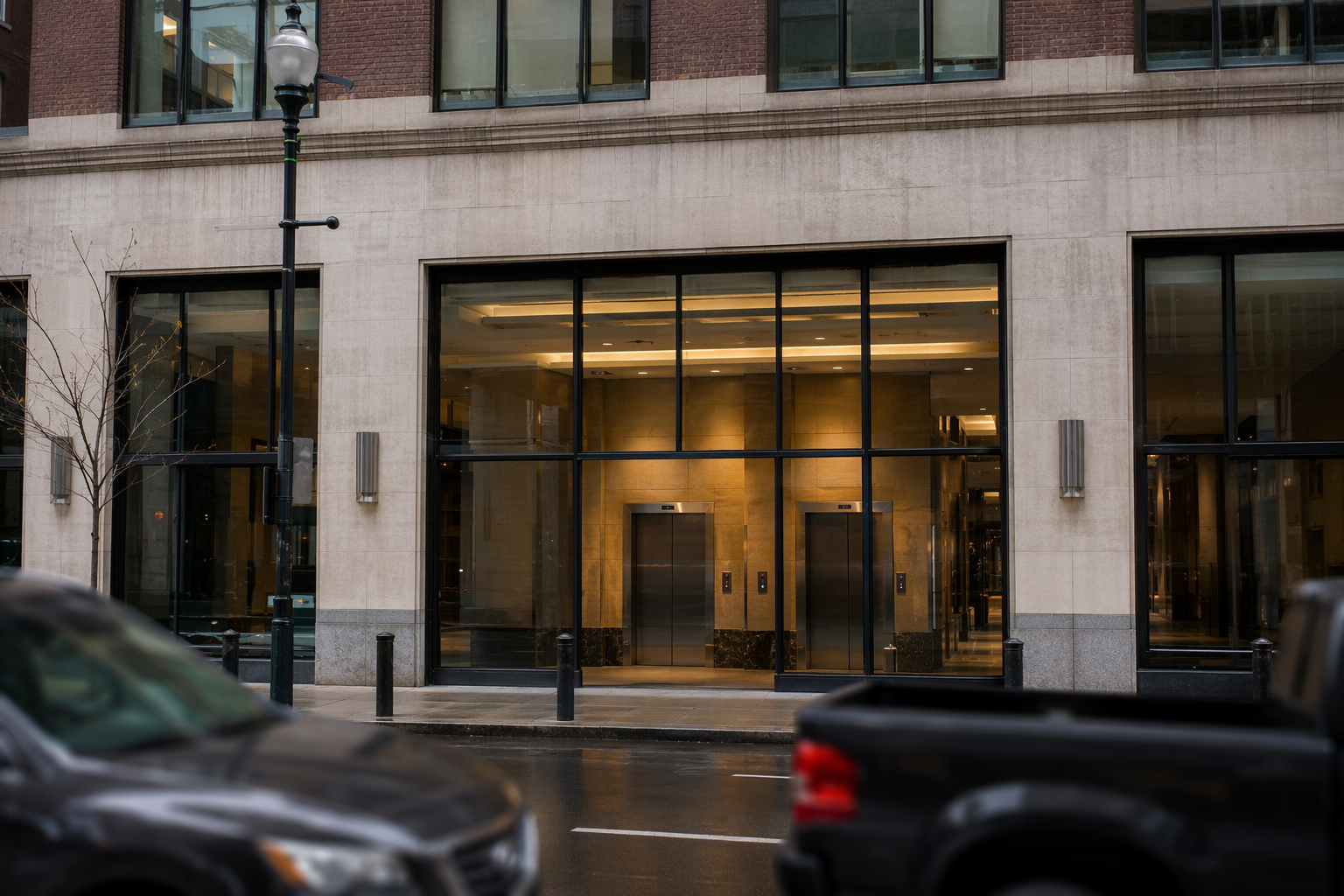
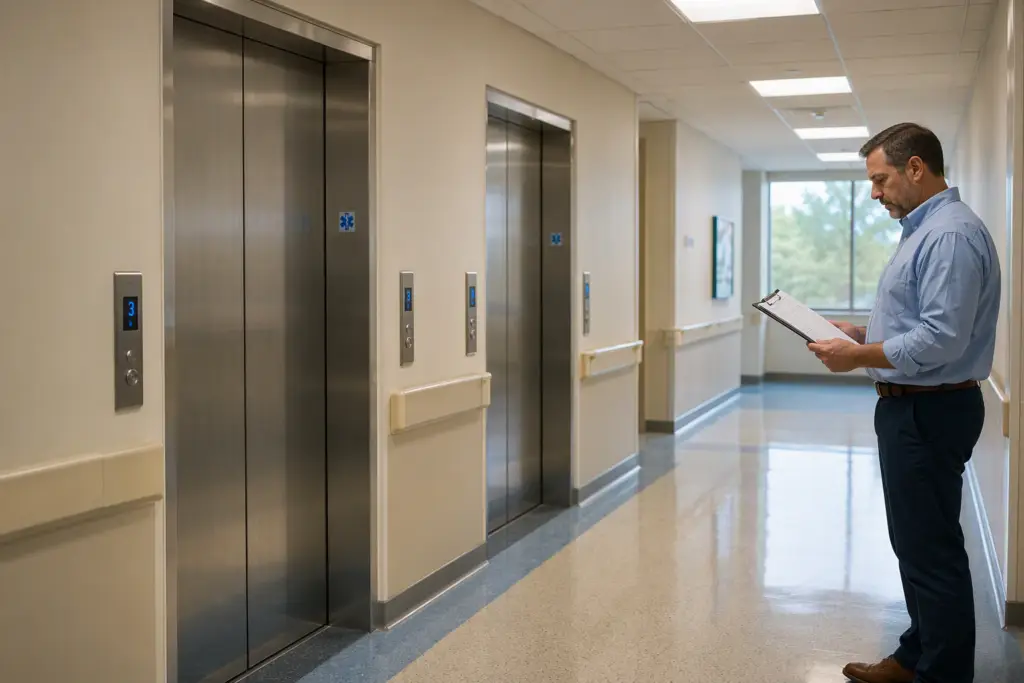
Building owners and property managers in Philadelphia, PA rely on properly maintained elevator systems to keep occupants safe, operations running, and properties compliant with Pennsylvania elevator regulations. Whether managing a high-rise office tower in Center City, a healthcare facility in University City, or a mid-rise residential building in Fishtown, elevator reliability is not optional — it is a legal and operational necessity.
Quality Elevator Company serves the Philadelphia market with comprehensive elevator service solutions, from routine preventive maintenance and code inspections to full system modernization and emergency repair support. The team brings deep familiarity with Pennsylvania’s specific regulatory requirements and the unique demands of Philadelphia’s diverse building stock.
What Elevator Codes and Regulations Apply in Philadelphia, PA?
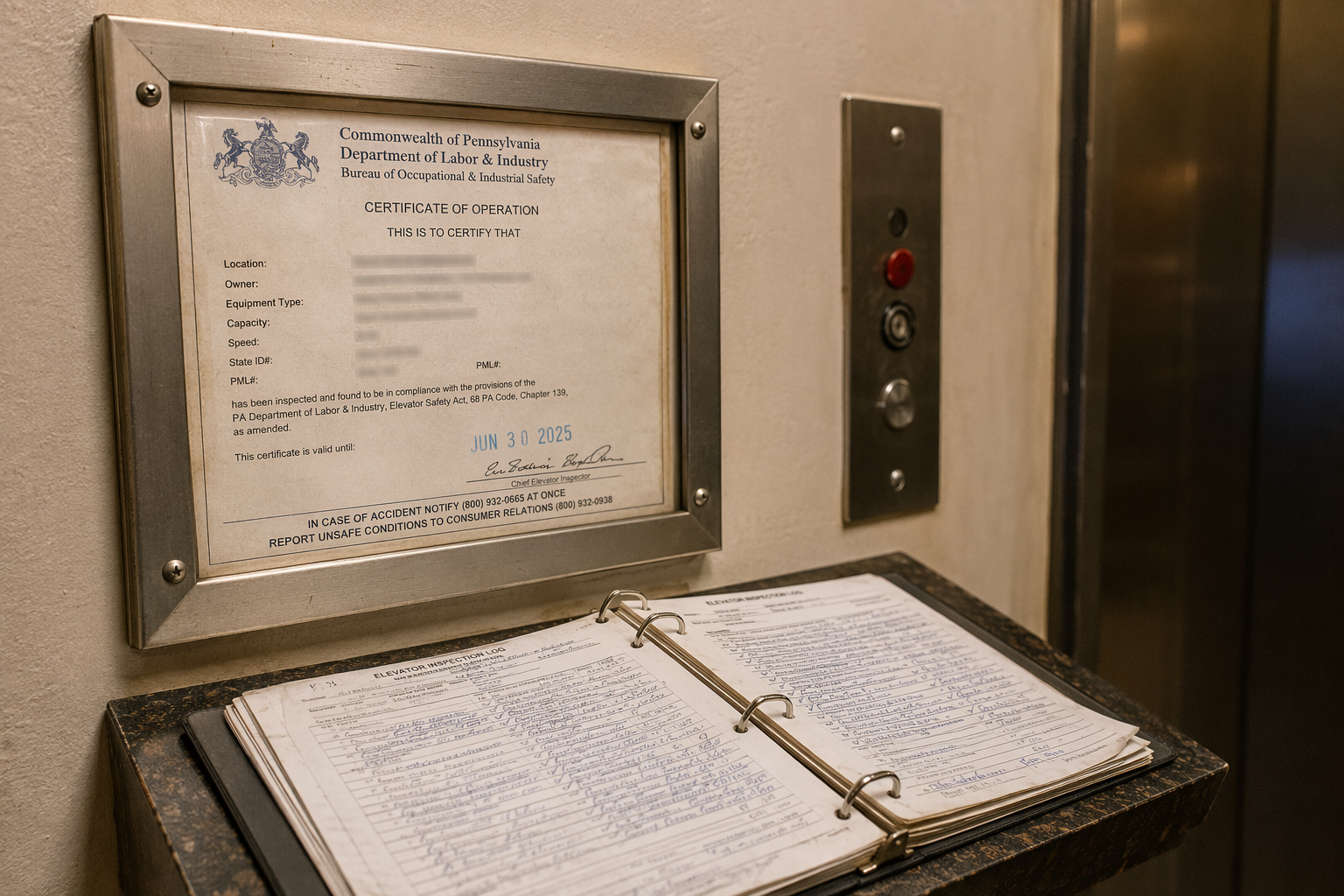
Philadelphia elevator installations, inspections, and maintenance are governed by a layered framework of state and local regulations. Pennsylvania has adopted the ASME A17.1 Safety Code for Elevators and Escalators as the governing technical standard for elevator construction, alteration, and maintenance statewide. The 2026 edition of this code sets the benchmark for safety device requirements, load ratings, emergency operation systems, and inspection protocols.
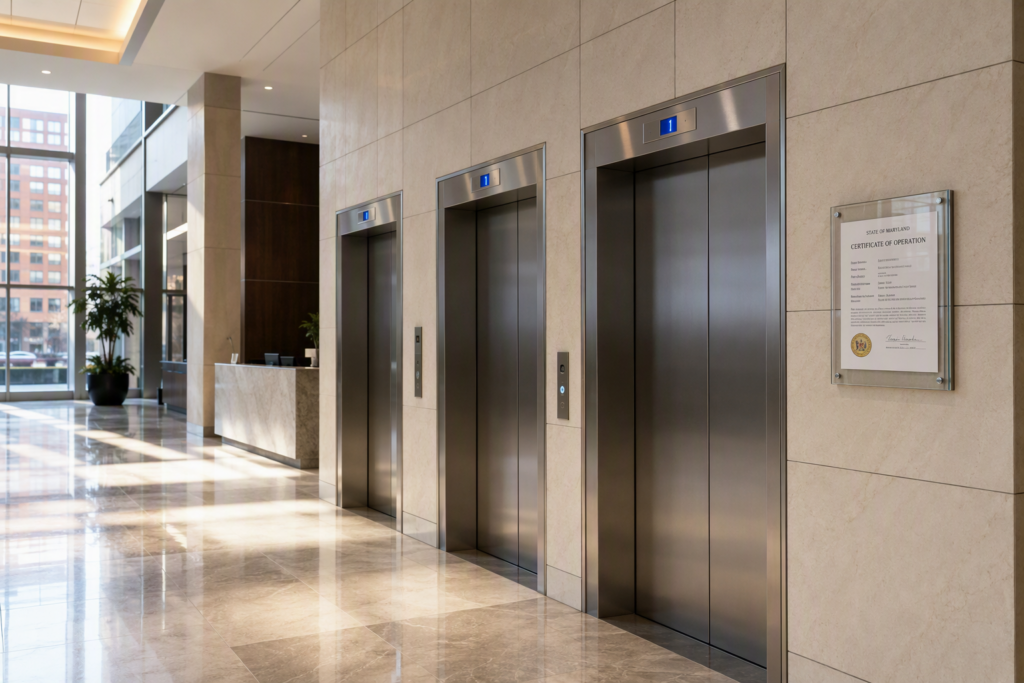
In Philadelphia specifically, the Department of Licenses and Inspections (L&I) oversees elevator permitting and inspections. Building owners are required to obtain a certificate of operation for each elevator unit, which must be renewed on a periodic basis following passing inspections. Certificates must be posted in or near the elevator car.
For buildings open to the public and serving individuals with disabilities, compliance with the Americans with Disabilities Act (ADA) is also mandatory. ADA standards govern elevator door timing, control panel heights, audible signals, and Braille signage requirements — all of which must be maintained and verified during service visits.
Workplace elevators and freight lifts may also fall under OSHA safety standards, particularly in industrial and construction contexts. Quality Elevator Company’s service protocols address compliance across all applicable regulatory frameworks.
What Types of Elevator Service Does Quality Elevator Company Provide in Philadelphia?
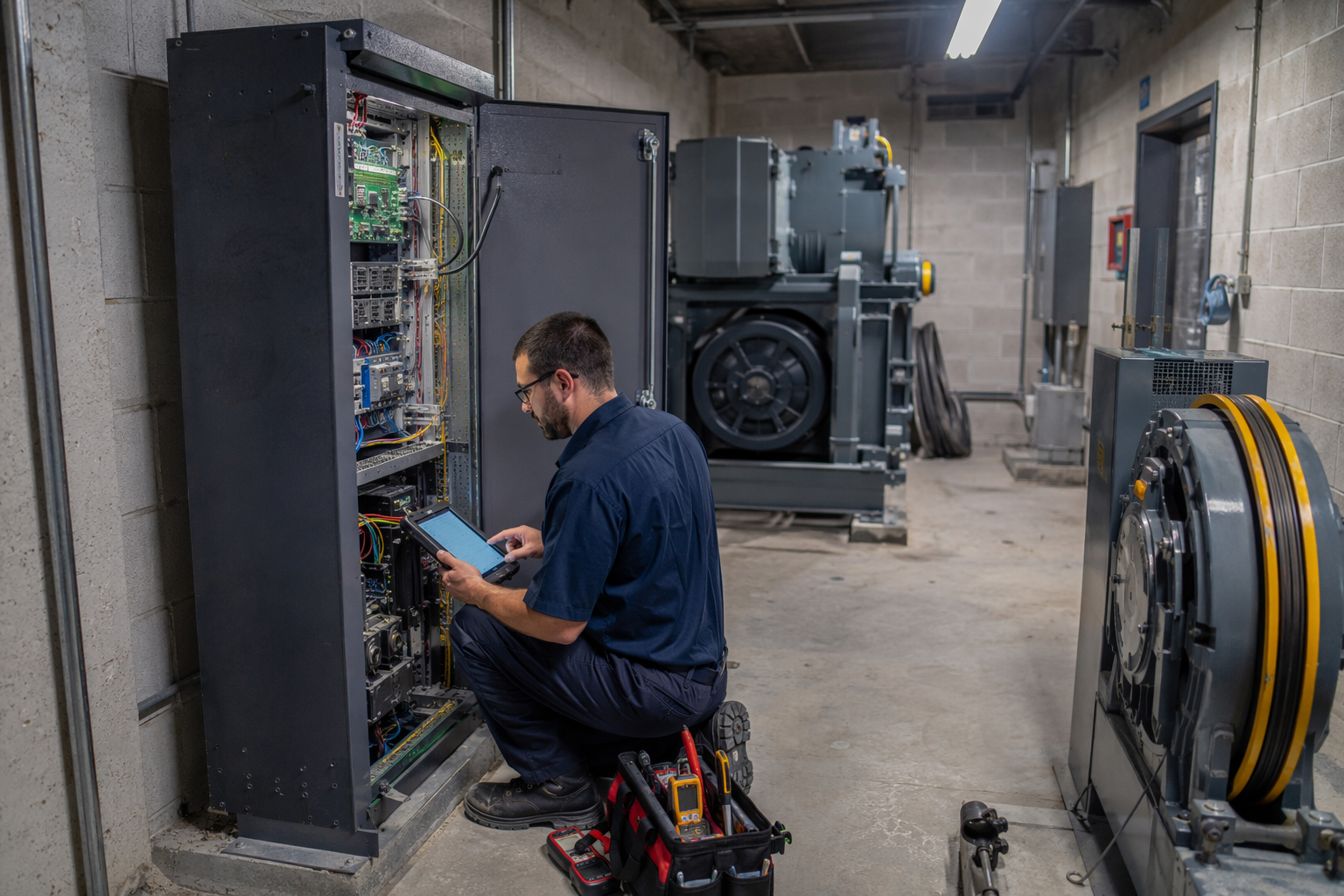
Quality Elevator Company offers a full spectrum of elevator services tailored to the needs of Philadelphia building owners and facility managers:
- Preventive Maintenance: Scheduled maintenance programs designed to identify wear, lubricate components, test safety devices, and keep systems performing at peak reliability — reducing the likelihood of unexpected downtime.
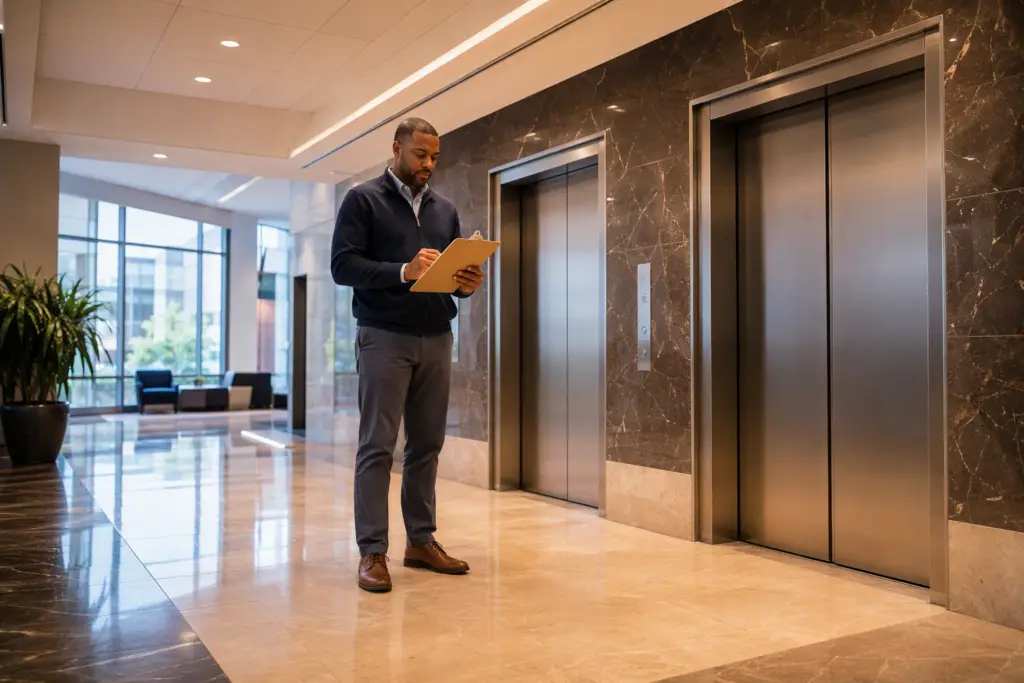
- Safety Inspections & Compliance Consulting: Third-party and pre-inspection readiness reviews aligned with Pennsylvania L&I requirements and the ASME A17.1 code.
- Modernization: Upgrading aging elevator systems with contemporary controls, energy-efficient drive systems, updated cab interiors, and ADA-compliant fixtures — extending equipment life and improving the rider experience.
- Repair Services: Diagnosis and repair of mechanical, electrical, hydraulic, and control system failures across major elevator brands and configurations.
- Emergency Response: Availability for urgent elevator issues when building operations cannot wait. Dispatchers are accessible around the clock to coordinate response to breakdowns and entrapments.
- New Installation Support: Guidance and coordination for new elevator installations in construction or renovation projects, ensuring compliance from day one.
Which Philadelphia Markets and Building Types Does Quality Elevator Company Serve?
The Philadelphia region encompasses an exceptionally diverse range of building types, and elevator service needs vary accordingly. Quality Elevator Company serves:
- Commercial office buildings — from Class A towers in Center City to suburban office parks in the Philadelphia suburbs
- Healthcare facilities — hospitals, medical office buildings, and outpatient clinics where elevator reliability directly affects patient care and staff operations
- Residential buildings — mid-rise and high-rise apartment communities, senior living facilities, and condominiums across neighborhoods including Rittenhouse Square, Northern Liberties, South Philadelphia, and beyond
- Educational institutions — universities, colleges, and K-12 schools throughout the greater Philadelphia area
- Retail and hospitality properties — hotels, shopping centers, and mixed-use developments
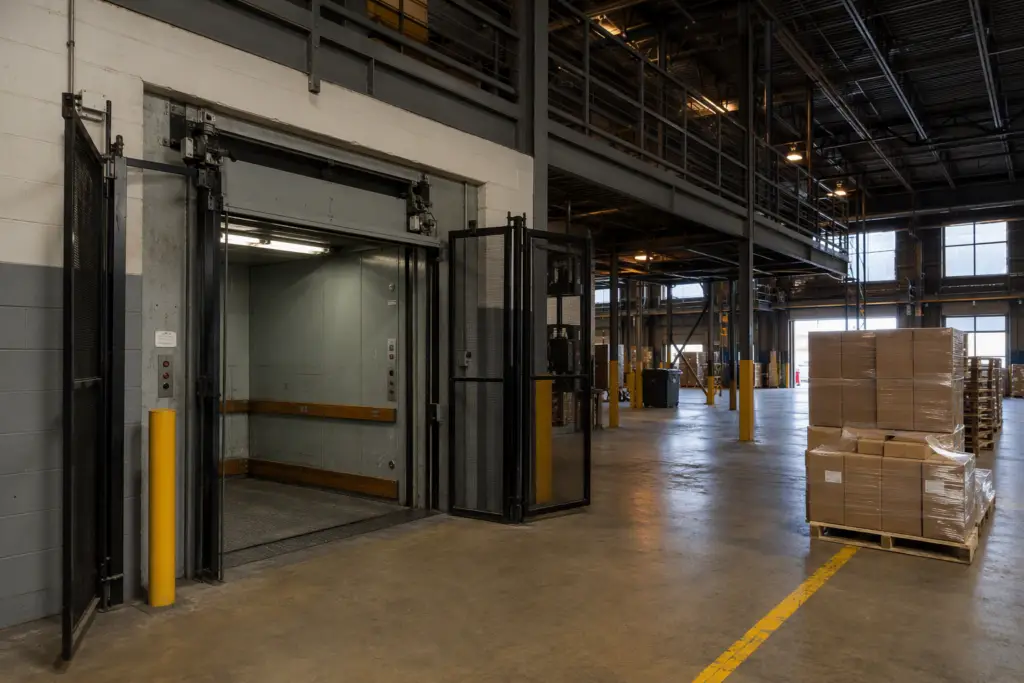
- Industrial and logistics facilities — freight elevators and material lifts supporting warehouse and manufacturing operations
How Often Should Elevators Be Inspected in Philadelphia, PA?
Pennsylvania state regulations, consistent with the ASME A17.1 Safety Code for Elevators and Escalators, require periodic inspections to maintain a valid certificate of operation. The frequency and scope of required inspections depend on the elevator type, usage classification, and any alterations made to the system.
Building owners should not wait for an inspection notice to assess their elevator’s compliance status. Proactive maintenance agreements with a qualified elevator service provider help ensure that equipment is inspection-ready at all times and that any code-related deficiencies are identified and corrected before they result in failed inspections, fines, or mandatory shutdowns.
What Should Building Owners Do When an Elevator Breaks Down or Traps a Passenger?
An elevator entrapment or sudden breakdown requires a calm, structured response. Follow these steps immediately:
- Contact trapped passengers through the emergency phone or intercom to confirm they are safe and to reassure them that help is on the way. Do not attempt to open elevator doors manually.
- Call 911 if there is any indication of a medical emergency or if the passenger is in distress.
- Contact your elevator service provider’s emergency line to dispatch a qualified technician. Quality Elevator Company maintains around-the-clock dispatcher availability for exactly these situations.
- Do not allow untrained building staff to attempt a rescue. Improper intervention can result in serious injury or equipment damage.
- Secure the elevator lobby to prevent other occupants from attempting to use the affected unit.
- Document the incident, including the time, the nature of the malfunction, and any steps taken. This documentation supports required incident reporting and follow-up inspection.
- Arrange for a post-incident inspection before returning the elevator to service, as required under applicable safety codes.
How Does Elevator Modernization Benefit Philadelphia Buildings?
Many of Philadelphia’s buildings were constructed decades ago, and their elevator systems reflect that era’s technology. Modernization is not simply cosmetic — it is a meaningful investment in safety, compliance, and operational efficiency.
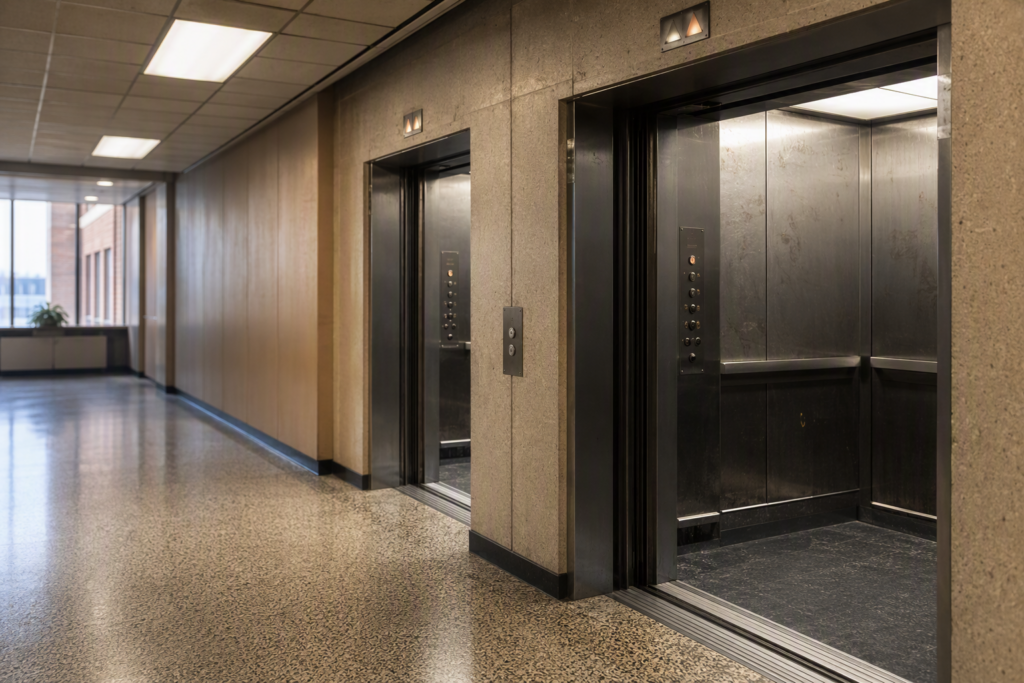
A well-executed modernization project can address outdated relay-logic controls, worn mechanical components, non-compliant cab interiors, and inadequate ADA features. Modern drive systems typically consume less energy than older hydraulic or traction systems, which can contribute to lower utility costs over time. Updated controls also improve reliability and reduce service calls.
From a compliance standpoint, modernization brings aging systems into alignment with current ASME A17.1 editions and ADA standards, reducing liability exposure for building owners. Quality Elevator Company guides Philadelphia property owners through the modernization process — from initial assessment and scope development through project completion and final inspection.
How Should Philadelphia Building Owners Choose an Elevator Service Company?
Selecting an elevator service provider is a consequential decision. Building owners should evaluate candidates based on the following factors:
- Local regulatory knowledge: The provider should demonstrate specific familiarity with Pennsylvania L&I requirements and Philadelphia’s permitting processes — not just generic elevator knowledge.
- Breadth of services: A single provider capable of handling maintenance, inspections, repairs, and modernization reduces administrative burden and ensures consistent accountability.
- Code compliance orientation: The company should proactively flag compliance gaps, not simply address reported problems.
- Emergency accessibility: Around-the-clock dispatcher access is a baseline expectation for any property with elevator-dependent occupants.
- Transparency in scope and documentation: Service reports, inspection records, and maintenance logs should be clear, accurate, and readily available to building owners for their records and regulatory submissions.
- Equipment familiarity: Confirm that the provider has experience servicing the specific makes and models installed in your building.
Quality Elevator Company combines all of these qualities with deep roots in the Philadelphia market, making it a trusted partner for building owners who cannot afford elevator downtime or compliance gaps.
What Are the Consequences of Skipping Elevator Maintenance in Philadelphia?
Deferred elevator maintenance carries serious risks across multiple dimensions:
- Safety hazards: Unmaintained safety devices, worn components, and deteriorating controls increase the risk of malfunction, entrapment, or injury to occupants.
- Regulatory penalties: Philadelphia’s Department of Licenses and Inspections can issue violations, impose fines, and mandate elevator shutdowns for non-compliant units.
- Accelerated equipment deterioration: Minor issues left unaddressed typically develop into major failures that are significantly more costly to repair.
- Legal liability: Building owners have a duty of care to maintain safe premises. Elevator-related injuries attributable to inadequate maintenance can result in significant liability exposure.
- Operational disruption: An elevator shutdown in a multi-story building creates immediate disruption for tenants, residents, and visitors — and can trigger lease disputes or tenant complaints.
A proactive maintenance agreement with Quality Elevator Company is the most reliable way to manage these risks and keep Philadelphia elevator systems operating safely and in compliance year-round.
Schedule a Free Consultation for Elevator Service in Philadelphia, PA
Quality Elevator Company is ready to support Philadelphia building owners, property managers, and facility directors with expert elevator service solutions. Whether the need is a new maintenance agreement, a compliance assessment, an emergency repair, or a full modernization project, the team is equipped to help.
Contact Quality Elevator Company today to schedule your free consultation.
📞 301-307-5363
Serving Center City, University City, Fishtown, Northern Liberties, South Philadelphia, Rittenhouse Square, and all surrounding Philadelphia-area communities.
Need elevator service you can rely on? Quality Elevator Company is ready to help.