Do You Repair Private Residential Elevators?
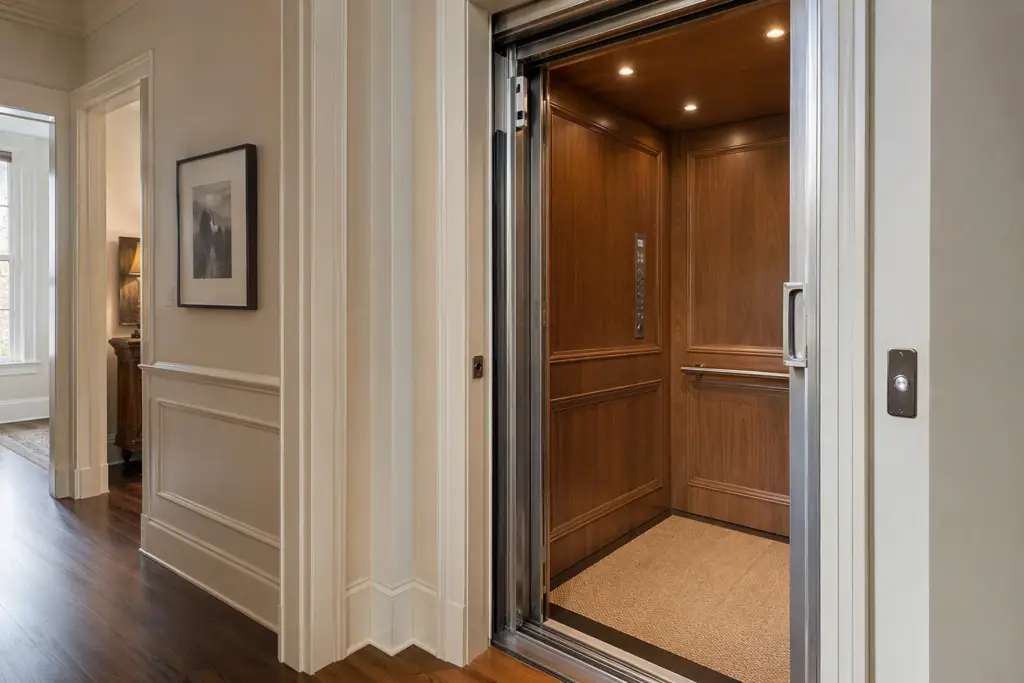
Yes, Quality Elevator Company repairs private residential elevators throughout Baltimore MD, Washington DC, Philadelphia PA, and Richmond VA. Residential elevator repair covers hydraulic, traction, pneumatic vacuum, and inclined platform lifts. All repair work follows ASME A17.1 Safety Code for Elevators and Escalators and applicable state regulations in each market served. Yes — Quality Elevator Company […]
Elevator Consultation
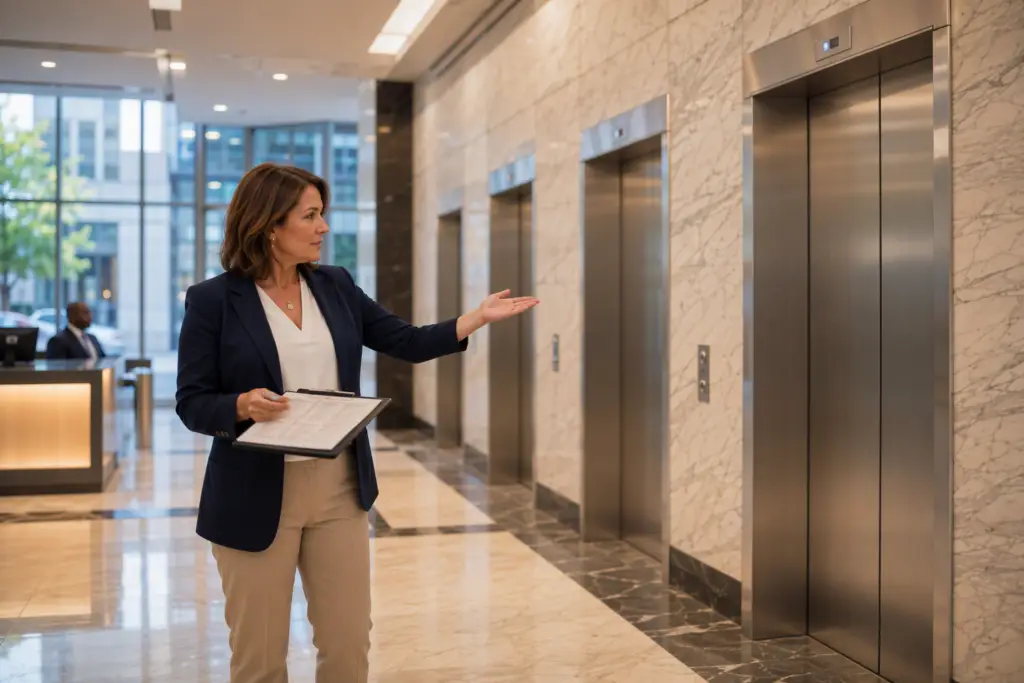
Elevator Consultation: How to Choose the Right Service, Stay Compliant, and Protect Your Investment Quick Answer: An elevator consultation evaluates your equipment’s condition, compliance status, and modernization options, helping building owners in DC, Maryland, Pennsylvania, and Virginia avoid costly violations, unplanned downtime, and liability before committing to any repair, modernization, or service contract. An elevator […]
How Can I Get A Maintenance And Service Quote For A Commercial Building Elevator In D.C.?
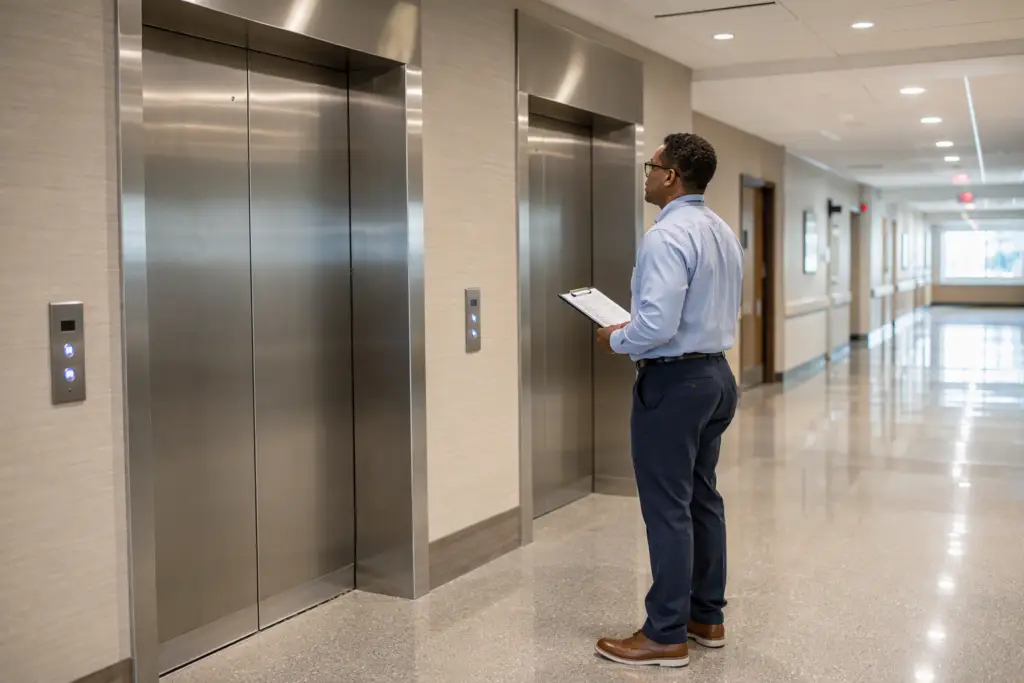
Elevator Maintenance & Service Quotes for Healthcare Buildings in Washington, D.C. Direct Answer: To get a maintenance and service quote for a commercial building elevator in Washington, D.C., contact a licensed elevator contractor such as Quality Elevator Company, which serves the District and can assess your equipment, confirm compliance with DC Department of Buildings requirements, […]
Do You Conduct Annual Inspections For Residential Elevators?
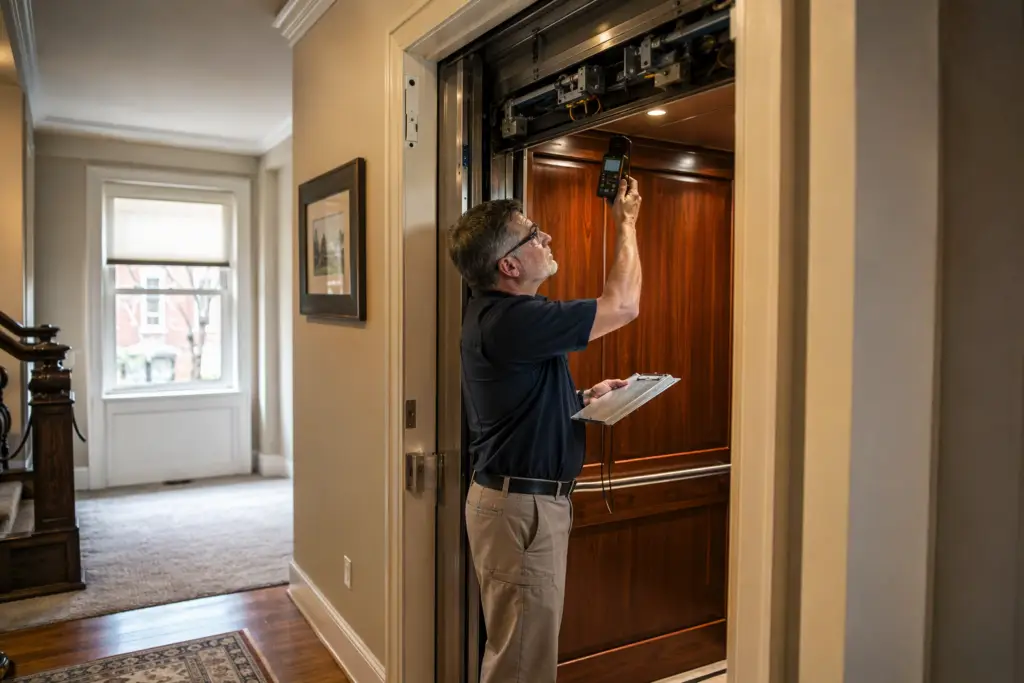
Direct Answer: Yes — Quality Elevator Company conducts annual inspections for residential elevators in Baltimore MD, Washington DC, Philadelphia PA, and Richmond VA, coordinating all required periodic inspections, witnessed tests, and certification paperwork in full compliance with ASME A17.1 and each jurisdiction’s regulatory requirements. A credentialed elevator inspector reviews the door operator and cab interior […]
Elevator Events
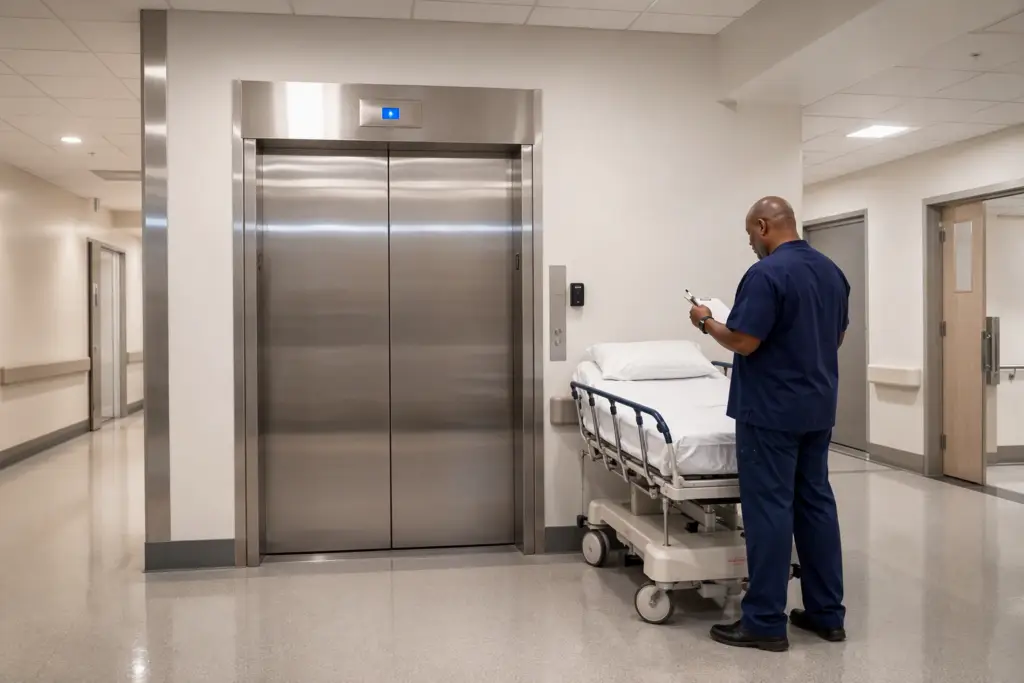
Elevator Events in Healthcare Facilities: Compliance, Safety & Service Quick Answer: In healthcare facilities, an elevator event is any unplanned occurrence—entrapment, unintended movement, door failure, or emergency stop—that requires immediate response, documentation, and regulatory reporting to protect patients, staff, and visitors while maintaining compliance with ASME A17.1 and applicable state elevator codes. In healthcare facilities, […]
Elevator Contractor
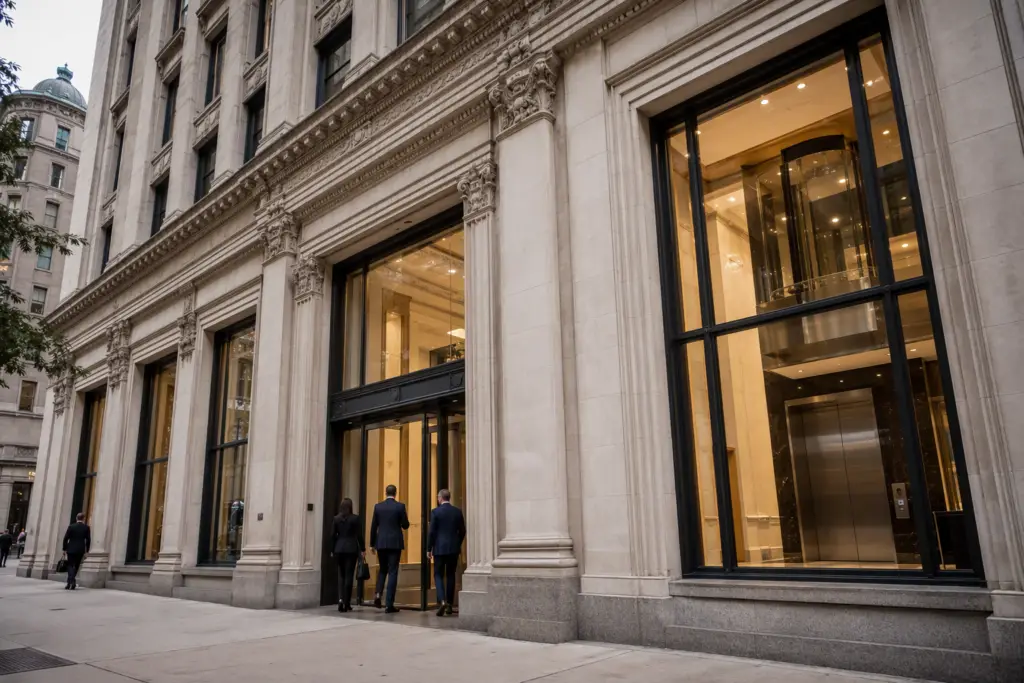
Elevator Service in Baltimore, MD | Quality Elevator Company Quality Elevator Company is a licensed elevator contractor serving Baltimore, MD, providing installation, modernization, maintenance, repair, and code-compliance services for commercial and residential elevator systems under Maryland’s elevator safety regulations. Quality Elevator Company serves Baltimore’s commercial, residential, and institutional buildings as a Maryland-licensed elevator contractor. From […]
Do Elevator Service Companies Service Residential Elevators?
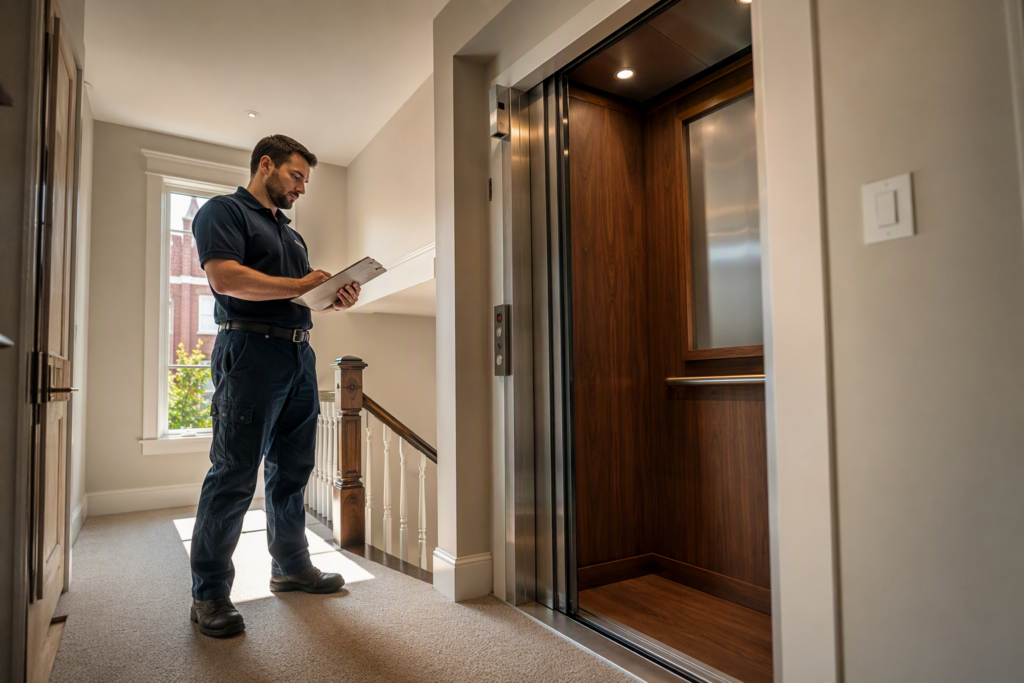
Direct Answer: Yes — elevator service companies do service residential elevators, and certified contractors in Maryland, Virginia, Washington DC, and Pennsylvania are licensed or regulated to install, maintain, inspect, and repair home elevators, stairlifts, and platform lifts under applicable state and federal codes. Elevator service companies routinely service residential elevators, including hydraulic and traction home […]
Elevator Construction Services
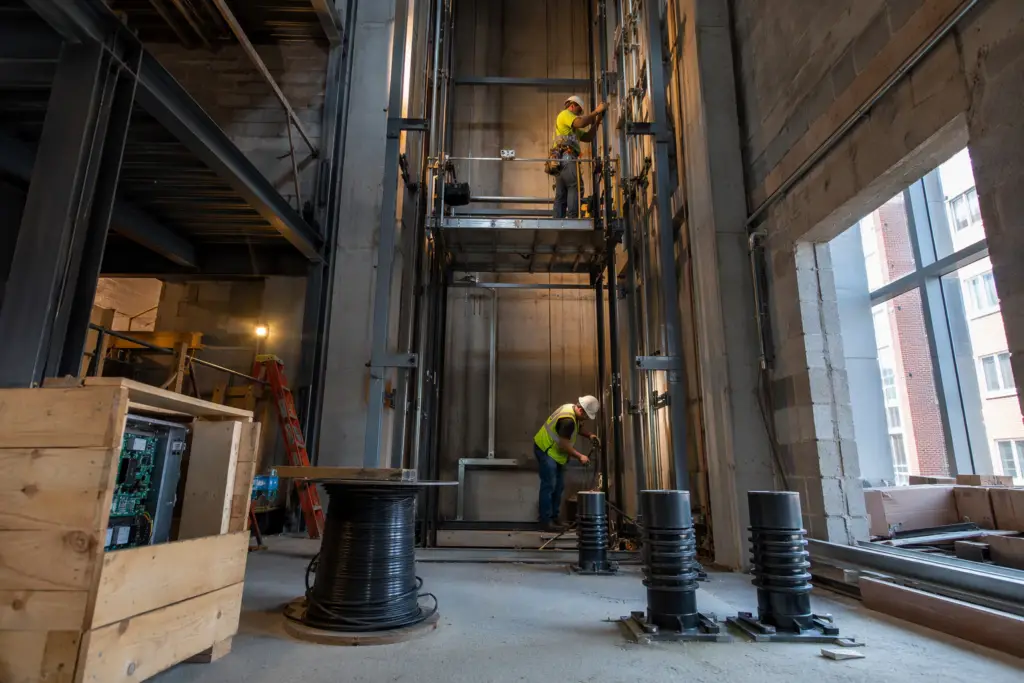
Elevator Construction Services in Baltimore, MD | Quality Elevator Company Quality Elevator Company provides full elevator construction services in Baltimore, MD, managing every phase from permit application and equipment installation through Maryland Department of Labor acceptance inspection and certificate of operation — ensuring new elevator units meet the ASME A17.1/CSA B44-2022 Safety Code for Elevators […]
How Do I Get Elevator Inspection Certificates For A Building I Recently Acquired?
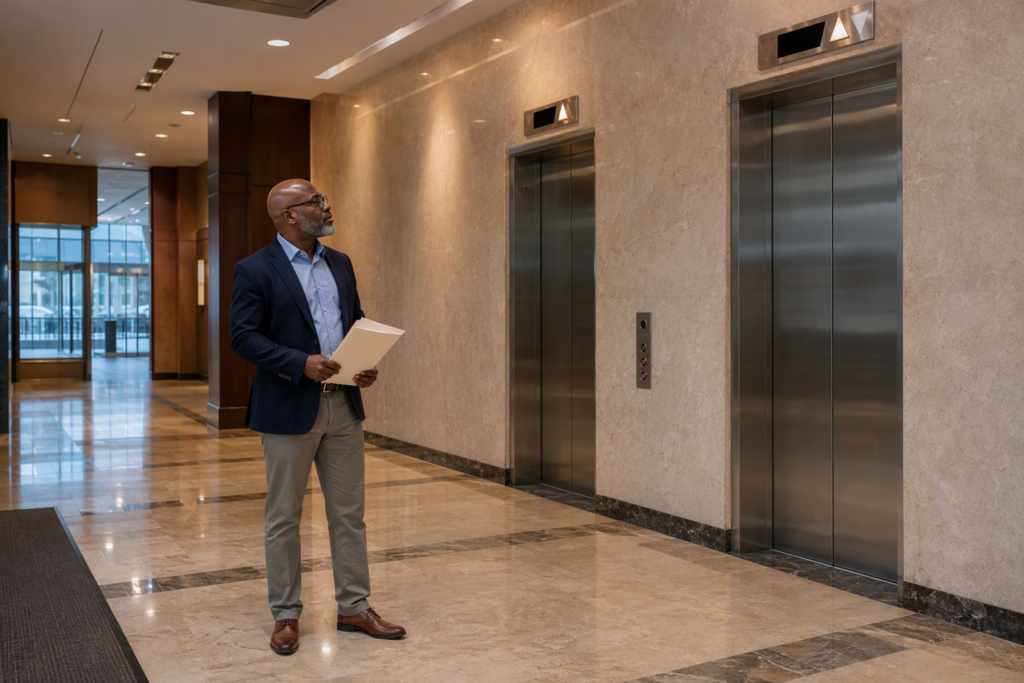
Direct Answer: To get elevator inspection certificates for a recently acquired building, identify the authority having jurisdiction (AHJ) for your property’s location, hire a licensed elevator contractor to bring equipment into compliance, arrange inspections by the appropriate state or local inspector or approved third-party agency, and submit required documentation to receive a valid certificate of […]
Elevator Transportation Services
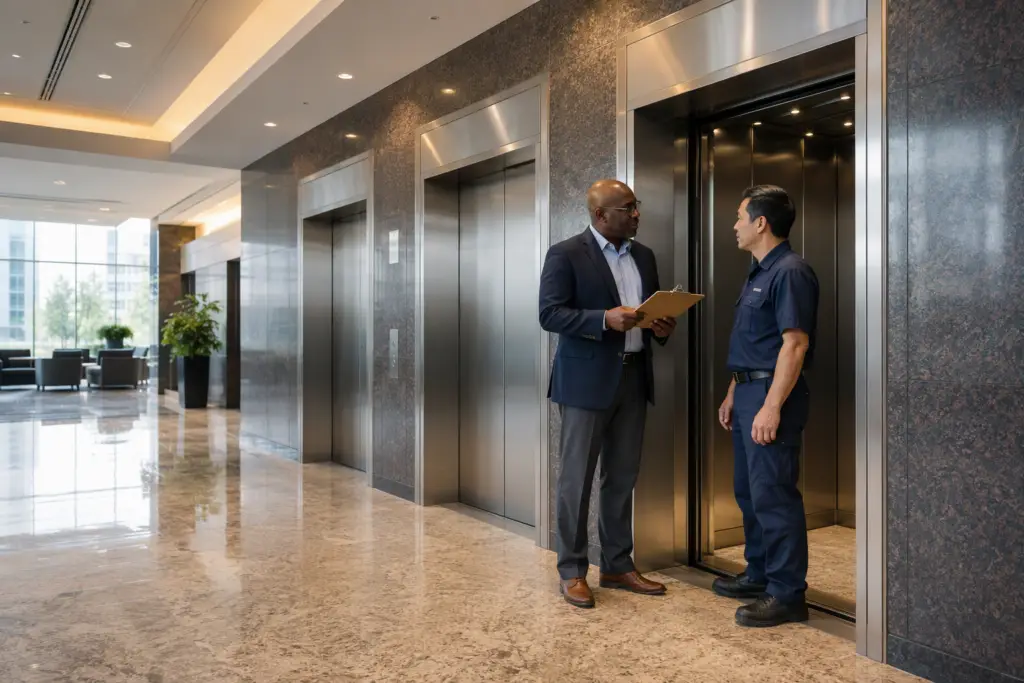
Elevator Transportation Services: Comparison and Decision Guide Quick Answer: Elevator transportation services encompass installation, maintenance, modernization, and inspection of vertical transport systems — choosing the right service type depends on your building’s age, occupancy, regulatory obligations in DC, Maryland, Pennsylvania, or Virginia, and long-term operational goals. A facilities manager consults with an elevator service technician […]