Elevator Service in Baltimore, MD | Quality Elevator Company
Commercial building owners and property managers in Baltimore face a layered compliance picture: federal ADA accessibility standards that apply nationwide, and Maryland-specific elevator safety requirements that govern installation, inspection, certification, and ongoing maintenance. Understanding both frameworks is essential for avoiding violations, protecting occupants, and keeping vertical transportation running reliably. Quality Elevator Company supports commercial clients throughout Baltimore and the broader Maryland market with the expertise needed to navigate these requirements.
What Do ADA Requirements Mean for Elevators in Commercial Buildings?
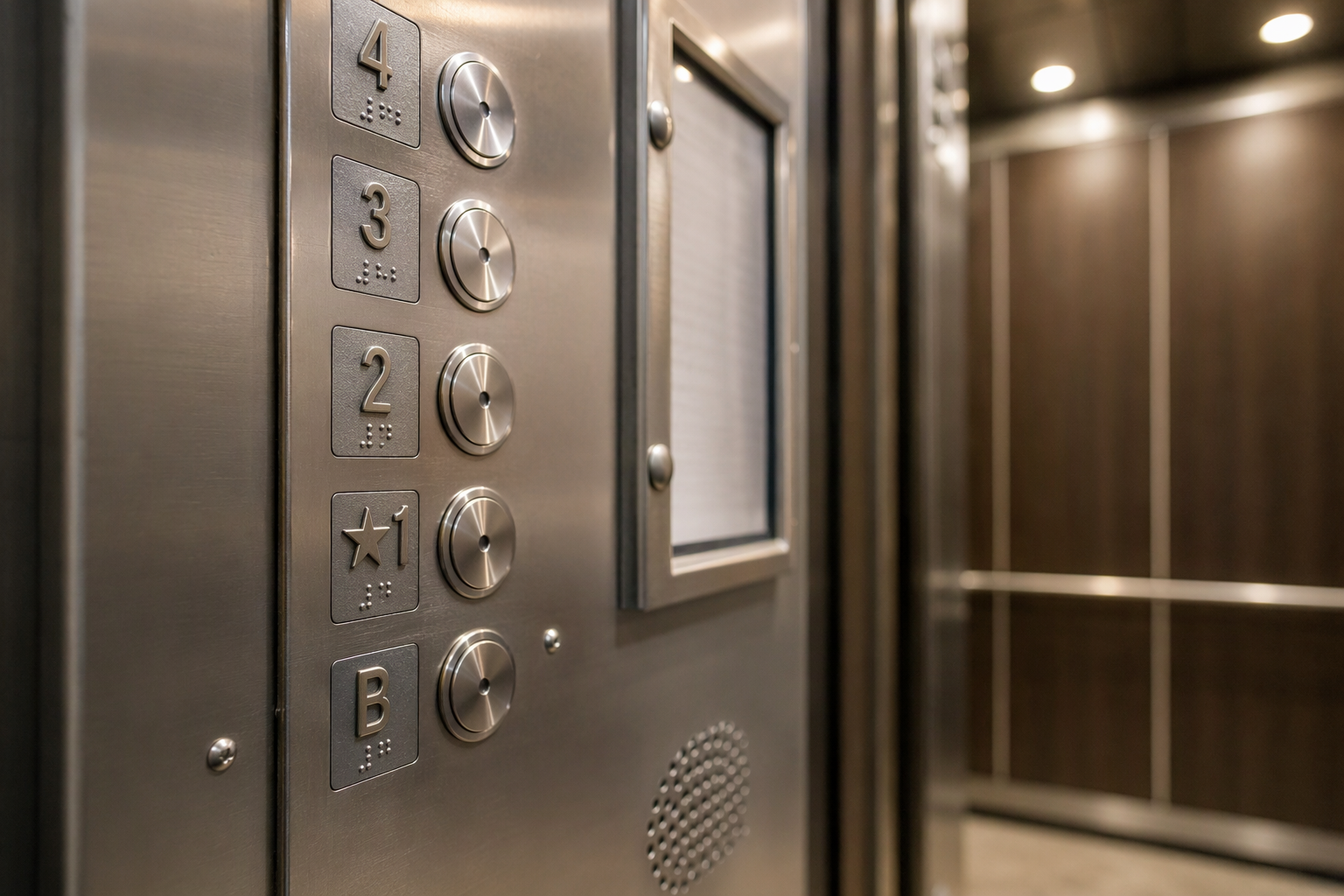
The Americans with Disabilities Act (ADA) establishes federal accessibility standards that apply to commercial facilities and places of public accommodation. For multi-story commercial buildings, these requirements generally mandate that accessible routes connect all accessible levels, which in practice means elevator access is required in most new construction and in existing buildings undergoing alterations affecting usability.
ADA elevator requirements address a range of design and operational elements, including:
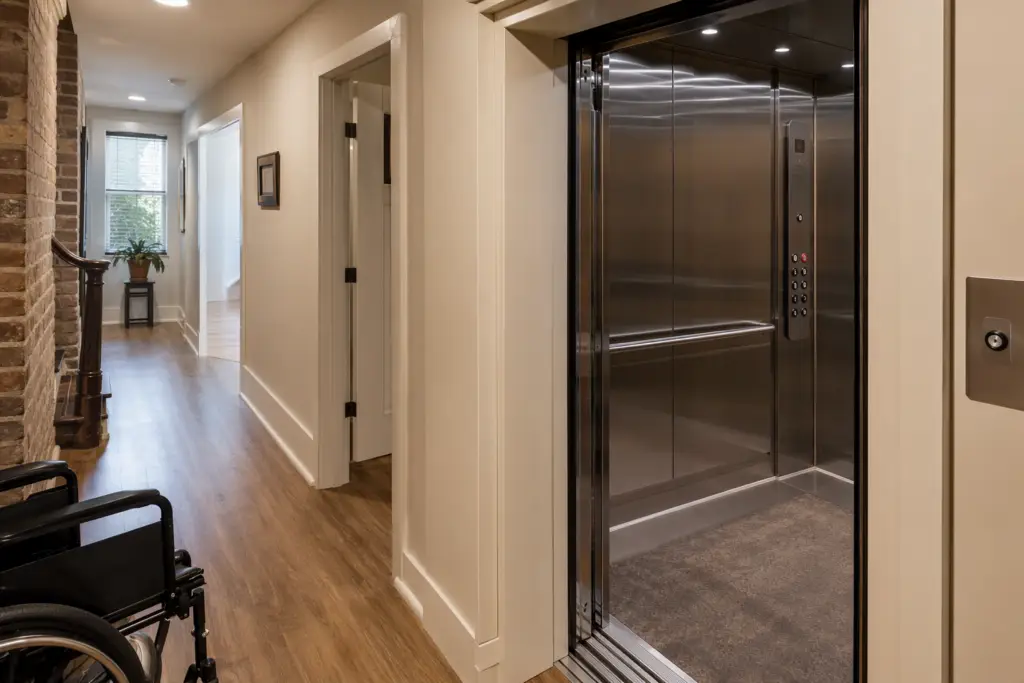
- Minimum car dimensions to accommodate wheelchair users and mobility devices
- Door width, timing, and reopening requirements to prevent closing on a person
- Call button height and placement for users of varying physical abilities
- Raised and Braille floor designations on jambs and control panels
- Audible and visual floor announcements to assist riders who are visually or hearing impaired
- Accessible cab controls at reachable heights for seated users
- Level landings and flush floor alignment for safe boarding and exit
These requirements apply not only to new construction but also to alterations of existing facilities. When a commercial building undergoes renovation that affects a primary function area, the accessible path of travel to that area — including elevator access — must be brought into compliance to the extent that is readily achievable. Quality Elevator Company helps Baltimore property owners evaluate their current equipment against ADA standards and identify what upgrades or modernization work may be required.
Are There ADA Exceptions for Elevators in Smaller Commercial Buildings?
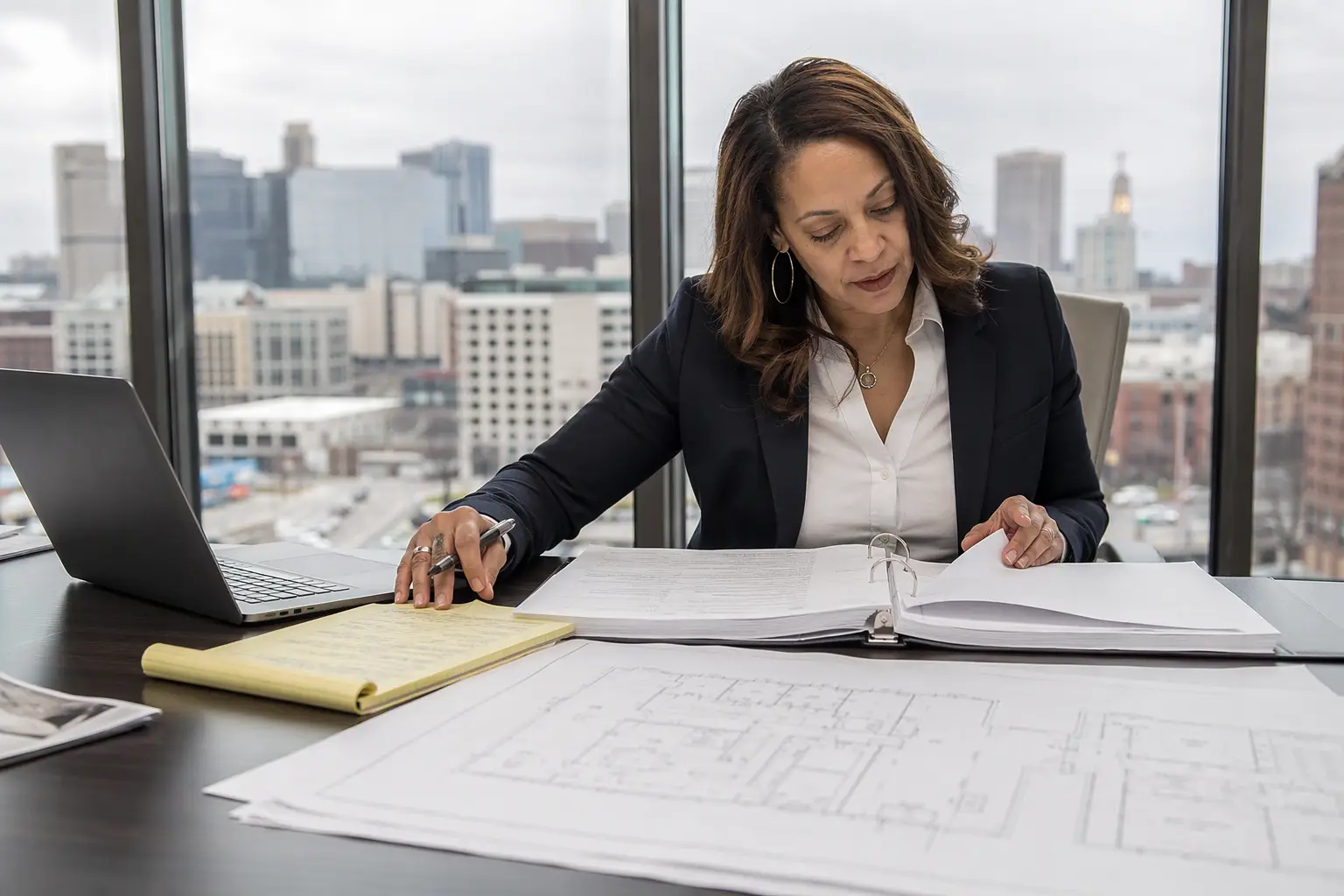
The ADA does include a limited exception for certain smaller buildings. Under federal standards, elevators are not required in facilities that are fewer than three stories or that have fewer than a specified square footage per story, provided the facility is not a shopping center, shopping mall, professional office of a health care provider, or a terminal, depot, or other station used for specified public transportation. However, this exception is narrow and does not apply to many common commercial building types.
Building owners should not assume an exemption applies without a careful review of the facility’s use, size, and configuration against current ADA Standards for Accessible Design. Quality Elevator Company recommends consulting with a qualified accessibility professional or legal counsel when determining whether an exemption applies, as the consequences of a misclassification can include federal complaints and costly retrofits.
What Maryland State Requirements Apply to Commercial Elevators in Baltimore?
In addition to federal ADA obligations, Baltimore commercial elevator owners must comply with Maryland state elevator safety law. The Maryland Department of Labor, Division of Labor and Industry, Elevator and Escalator Safety (Safety Inspection Unit) regulates elevator safety statewide. Mechanics and contractors are licensed by the Maryland Elevator Safety Review Board.
Key Maryland requirements that apply to commercial elevators include:
- No elevator unit may be operated in Maryland unless the Commissioner of Labor and Industry has issued a certificate for it, and that certificate must be posted conspicuously in or on the elevator.
- Each elevator unit must undergo a periodic annual inspection conducted by a State inspector or a third-party qualified elevator inspector.
- Owners must hire a third-party qualified elevator inspector to conduct the periodic inspections required by Maryland’s safety code.
- Elevators suspended by wire ropes, belts, chains, or similar means must receive a comprehensive five-year inspection.
- Tests required for inspection must be performed by a licensed elevator mechanic.
- Each elevator unit must be registered with the Commissioner at least 60 days before its planned completion and before it is placed in service, and owners must re-register annually at the time of each periodic inspection.
- Maintenance, repair, test, and inspection records must be kept at a readily accessible central location in the building where the elevator is located.
Maryland adopted the ASME A17.1/CSA B44, 2022 edition as its governing safety code, with Maryland modifications, effective June 17, 2026. The edition that applies to a specific elevator depends on when the installation contract was signed, and requirements in effect when an elevator was first certified remain in effect for that unit.
Additionally, any business engaging in the installation, alteration, maintenance, repair, or servicing of elevator units in Maryland must be licensed by the Maryland Elevator Safety Review Board as an elevator contractor, and must carry at least $1,000,000 in general liability insurance and at least $500,000 in property damage insurance. Quality Elevator Company operates in full compliance with Maryland’s licensing and insurance requirements.
How Do ADA Requirements and Maryland Elevator Safety Rules Work Together?
ADA accessibility requirements and Maryland elevator safety regulations address different aspects of elevator compliance and both apply simultaneously to most commercial buildings. The ADA governs physical accessibility — dimensions, controls, signage, and usability for people with disabilities. Maryland’s safety code governs the mechanical integrity, inspection frequency, certification, and operational safety of the equipment itself.
A commercial elevator in Baltimore must satisfy both frameworks. An elevator can be mechanically sound and properly certified under Maryland law while still being out of compliance with ADA accessibility standards — and vice versa. Property managers benefit from working with a service provider who understands how these requirements interact, particularly during modernization projects where changes to the cab or controls may trigger both safety and accessibility review.
What Should a Baltimore Building Owner Do to Achieve and Maintain Compliance?
- Conduct an accessibility audit of all vertical transportation in the building against current ADA Standards for Accessible Design, noting any gaps in cab size, door function, control placement, or signage.
- Confirm that all elevator units hold a current certificate of operation issued by the Commissioner of Labor and Industry, and that certificates are conspicuously posted.
- Verify that annual periodic inspections are scheduled and performed by a licensed, third-party qualified elevator inspector, and that a comprehensive five-year inspection is tracked for applicable equipment.
- Ensure that all maintenance and inspection records are kept on-site at a readily accessible central location, as required by Maryland law.
- Confirm re-registration with the Commissioner is completed annually at the time of the periodic inspection.
- Consult with a licensed elevator contractor before undertaking any modernization work to understand how upgrades may affect both ADA compliance and Maryland safety code applicability.
- Establish a preventive maintenance agreement with a licensed elevator contractor to keep equipment in reliable, code-compliant operating condition year-round.
What Types of Commercial Properties Does Quality Elevator Company Serve in Baltimore?
Quality Elevator Company serves a broad range of commercial and institutional property types throughout Baltimore and the surrounding Maryland region. This includes office buildings, retail and mixed-use developments, healthcare facilities, educational institutions, hospitality properties, government buildings, and multi-family residential properties subject to commercial elevator regulations. Each property type carries its own operational demands and compliance considerations, and Quality Elevator Company’s familiarity with the Baltimore market supports effective, locally informed service.
What Happens If a Commercial Elevator Is Found to Be Out of ADA Compliance?
When an elevator is found to be out of ADA compliance, the path forward depends on the nature and extent of the deficiencies. For newer alterations, compliance may be required immediately as a condition of the alteration permit or certificate of occupancy. For existing facilities, the ADA’s readily achievable barrier removal standard may govern the timeline and scope of required corrective action, though this is a legal determination that falls outside the scope of elevator service work alone.
From a practical standpoint, common corrective measures include retrofitting control panels to accessible heights, replacing outdated audible and visual signaling systems, adjusting door timing and reopening sensitivity, upgrading Braille and raised-character signage, and leveling cab floors to eliminate gaps at landings. Quality Elevator Company can assess existing equipment, explain what modifications are technically feasible, and perform the necessary work once the scope is defined in coordination with the building owner and their compliance advisors.
Does Emergency Elevator Service Cover ADA-Critical Equipment?
When an elevator that provides the only accessible route for people with disabilities goes out of service, restoring operation promptly is not only a practical priority but can also affect a building’s ability to remain open and accessible as required. Quality Elevator Company provides emergency elevator service to commercial clients in Baltimore and treats accessibility-critical equipment with the seriousness that situation demands. Emergency availability is offered to help minimize downtime and support building owners in meeting their ongoing obligations to occupants and visitors.
Building owners with elevators that serve as the primary accessible route should communicate this clearly when contacting their elevator service provider, so that the urgency and accessibility implications are understood from the outset of any service call.
Schedule a free consultation with Quality Elevator Company at 301-779-9116.
Need elevator service you can rely on? Quality Elevator Company is ready to help.