Apartment building owners and property managers face a complex web of elevator maintenance obligations. Failing to meet these requirements can result in violations, liability exposure, and — most critically — harm to residents. The sections below break down every dimension of apartment elevator compliance, from routine inspections to ADA accessibility and local code specifics across Baltimore MD, Washington DC, Philadelphia PA, and Richmond VA.
—
What Are the Core Legal Requirements for Apartment Elevator Maintenance?
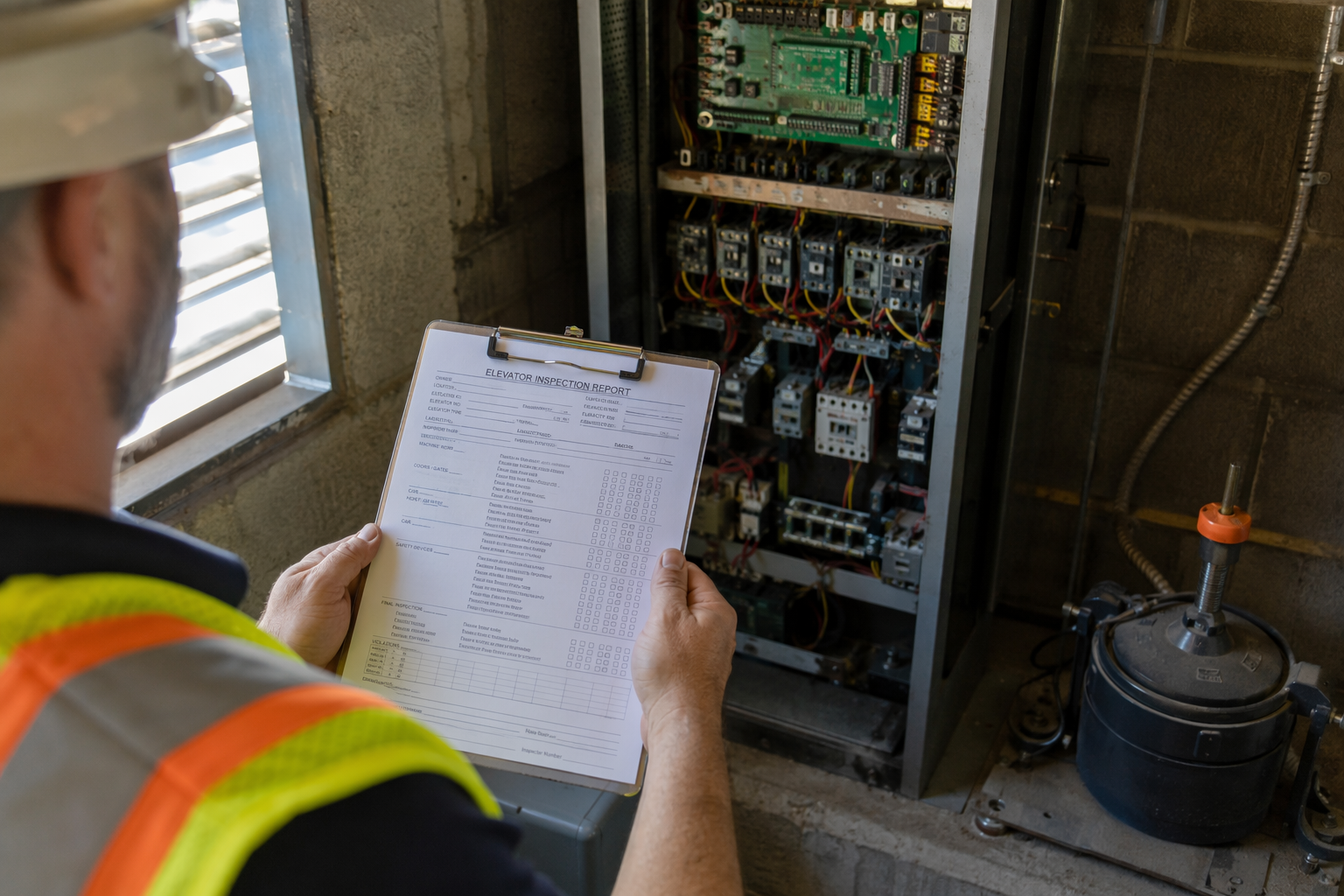
Apartment building elevators in the United States are governed primarily by the ASME A17.1 Safety Code for Elevators and Escalators, which establishes minimum safety standards for design, installation, operation, inspection, testing, and maintenance. Most states and municipalities adopt ASME A17.1 by reference into their own building codes, meaning compliance with the national standard is the legal floor — not the ceiling.
Key legal obligations typically include:
- Periodic inspections conducted by a licensed third-party inspector at intervals defined by the adopting jurisdiction
- Annual or more frequent safety tests of critical components such as safeties, buffers, and interlocks
- Documented preventive maintenance performed by qualified elevator mechanics
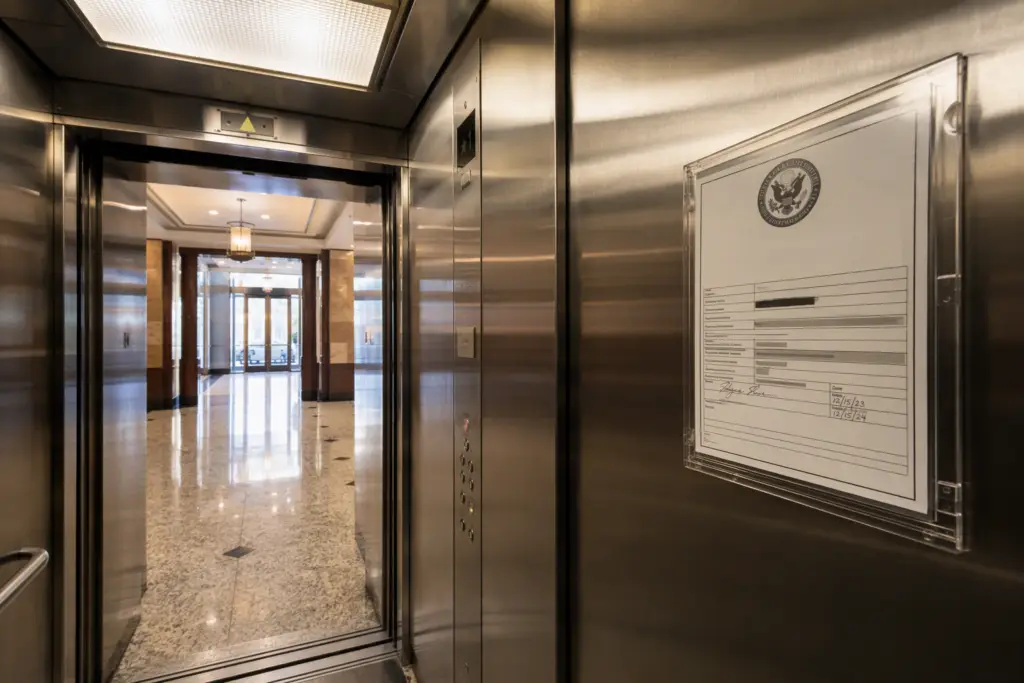
- Certificates of operation posted in or near the elevator cab
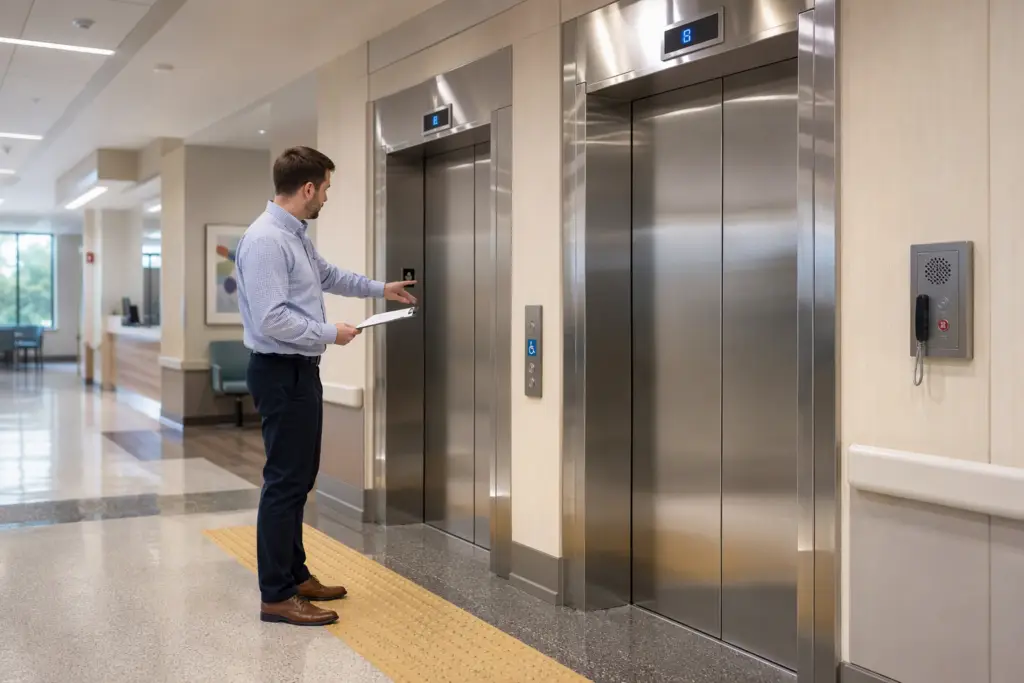
- ADA compliance for cab dimensions, door timing, control panel height, and signage under the Americans with Disabilities Act
- Prompt corrective action after any failed inspection item or safety-related callback
Quality Elevator Company works with apartment owners across the Mid-Atlantic region to ensure all of these obligations are met on a documented, defensible schedule.
—
How Often Must Apartment Building Elevators Be Inspected?
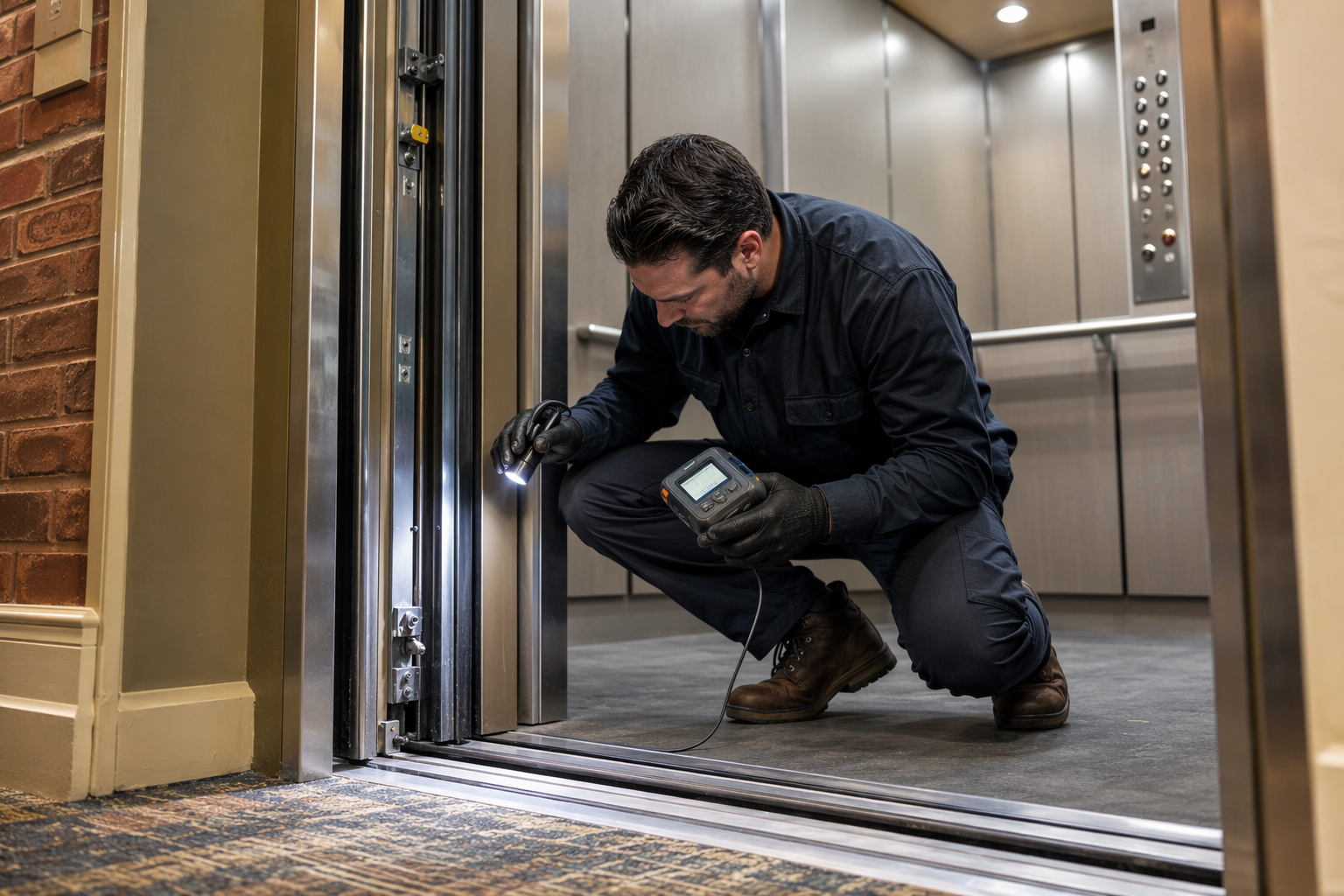
Inspection frequency is set by the jurisdiction that has adopted ASME A17.1. While specific intervals vary by locality, most jurisdictions require at minimum an annual inspection of each elevator unit by a qualified elevator inspector. Some jurisdictions require periodic inspections more frequently for high-use installations. Hydraulic elevators and traction elevators may have different inspection cycles for their respective safety tests.
In the markets served by Quality Elevator Company:
- Baltimore, MD: The Maryland Department of Labor, Licensing and Regulation oversees elevator inspections under state law. Annual inspection certificates are required, and the elevator must display a valid permit.
- Washington, DC: The DC Department of Consumer and Regulatory Affairs (DCRA) administers elevator safety, with mandatory annual inspections and permit display requirements.
- Philadelphia, PA: The Pennsylvania Department of Labor & Industry administers the Uniform Construction Code’s elevator provisions, requiring periodic inspections at intervals established by state regulation.
- Richmond, VA: The Virginia Department of Labor and Industry enforces the Virginia Elevator Safety Act, which mandates regular inspections for all passenger elevators in multi-family residential buildings.
Building owners should confirm current inspection cycle requirements directly with their local authority having jurisdiction (AHJ), as local amendments can modify the base ASME A17.1 intervals.
—
What Does a Preventive Maintenance Program Include?
A compliant preventive maintenance (PM) program goes beyond passing the annual inspection. ASME A17.1 and industry best practice require that elevator contractors perform scheduled maintenance visits that document the condition of all safety-critical components. A thorough PM program for apartment building elevators typically covers:
- Lubrication of guides, rails, and mechanical components
- Inspection and adjustment of door operators, rollers, and safety edges
- Testing of governor and safeties
- Inspection of hoist ropes or hydraulic seals and fluid levels
- Verification of all lighting, emergency communication systems, and ventilation
- Controller and relay checks
- Review and logging of all findings in a maintenance logbook kept on-site
Maintenance logs are not optional. During an inspection, the authority having jurisdiction may review records to confirm that required maintenance intervals have been met. Quality Elevator Company provides clients with documented service records after every maintenance visit to support inspection readiness.
—
What ADA Requirements Apply to Apartment Building Elevators?
The Americans with Disabilities Act establishes accessibility standards for elevators in buildings covered by the law. For apartment buildings, both the ADA and the Fair Housing Act may apply depending on the number of units and the building’s construction date. Key ADA and accessibility requirements relevant to apartment elevators include:
- Cab interior dimensions sufficient to allow wheelchair turning and movement
- Door clear width meeting minimum accessible thresholds
- Door timing configured to allow adequate passage time for individuals with mobility impairments
- Control panel height with all operable controls reachable from a wheelchair
- Braille and raised-character signage on control buttons and floor designations
- Two-way emergency communication that does not rely solely on voice for individuals with hearing impairments
- Visible and audible floor indicators
When an apartment elevator undergoes modernization or a significant alteration, the ADA may trigger a requirement to bring the installation up to current accessibility standards. Consulting with a qualified elevator service provider before beginning any alteration work is strongly advisable.
—
What Happens If an Apartment Elevator Fails Inspection?
A failed inspection typically results in a written violation notice from the authority having jurisdiction. Depending on the severity of the deficiency, the consequences can range from a corrective order with a defined cure period to an immediate out-of-service order requiring the elevator to be taken offline until repairs are completed and re-inspected.
Follow these steps immediately after receiving a failed inspection notice:
- Read the violation notice carefully and identify every cited deficiency.
- Contact a licensed elevator service contractor promptly to assess the scope of required repairs.
- Notify building residents if the elevator must be taken out of service, and consider ADA accommodation obligations for residents with mobility impairments.
- Obtain a written repair proposal and authorize work to begin.
- Ensure the contractor documents all corrective work performed.
- Schedule the re-inspection with the authority having jurisdiction.
- Retain all repair records and re-inspection certificates in the building’s permanent elevator file.
Quality Elevator Company assists property managers throughout Baltimore, Washington DC, Philadelphia, and Richmond in navigating the repair and re-inspection process efficiently.
—
What Are the ASME A17.1 Compliance Requirements Specifically?
The ASME A17.1 Safety Code for Elevators and Escalators is the foundational technical standard for elevator safety in North America. As of 2026, the code is updated on a cycle that allows jurisdictions to adopt newer editions. Key requirements under ASME A17.1 relevant to apartment building maintenance include:
- Maintenance and repair standards specifying that elevators shall be maintained in safe operating condition and that only trained elevator mechanics perform maintenance and repairs
- Safety test requirements for governors, safeties, buffers, and pressure-relief devices at defined intervals
- Maintenance control program (MCP) requirements that mandate a written, manufacturer-informed maintenance plan for each installation
- Machine room and pit safety standards including lighting, clearances, and housekeeping requirements
- Emergency operations requirements including firefighters’ emergency operation (Phase I and Phase II)
Note that not all jurisdictions have adopted the most current ASME A17.1 edition. The locally adopted edition governs; property owners should confirm which edition their AHJ enforces.
—
How Do Elevator Maintenance Requirements Differ for Older Apartment Buildings?
Older apartment buildings present unique compliance considerations. An elevator installed under an earlier code edition may have been legally compliant at the time of installation, but subsequent code editions may have introduced new safety requirements. Jurisdictions handle this through a concept known as “retroactive” or “existing installation” requirements — some safety upgrades are mandated for all elevators regardless of age, while others apply only to new installations or alterations.
Common retroactive safety upgrades that authorities may require in older apartment buildings include:
- Door reopening devices and detector upgrades
- Emergency lighting and communication updates
- Firefighters’ emergency operation updates
- Machine room ventilation improvements
- Phase II firefighters’ operation upgrades in taller buildings
A modernization assessment by a qualified elevator contractor can identify which upgrades are legally required versus which are recommended. Quality Elevator Company provides modernization consulting to help apartment owners prioritize code-required work.
—
What Role Does OSHA Play in Apartment Elevator Maintenance?
While OSHA primarily governs worker safety, its standards directly affect the contractors and mechanics who service apartment elevators. Elevator mechanics performing maintenance and repairs must follow OSHA lockout/tagout procedures, fall protection requirements, and confined space protocols applicable to elevator pits and machine rooms.
For apartment building owners and managers, the practical implication is straightforward: all elevator service work should be performed by contractors whose mechanics are trained in applicable OSHA safety standards. Hiring unqualified personnel to perform elevator maintenance creates both safety risk and potential liability.
—
Questions Your Inspector Will Ask
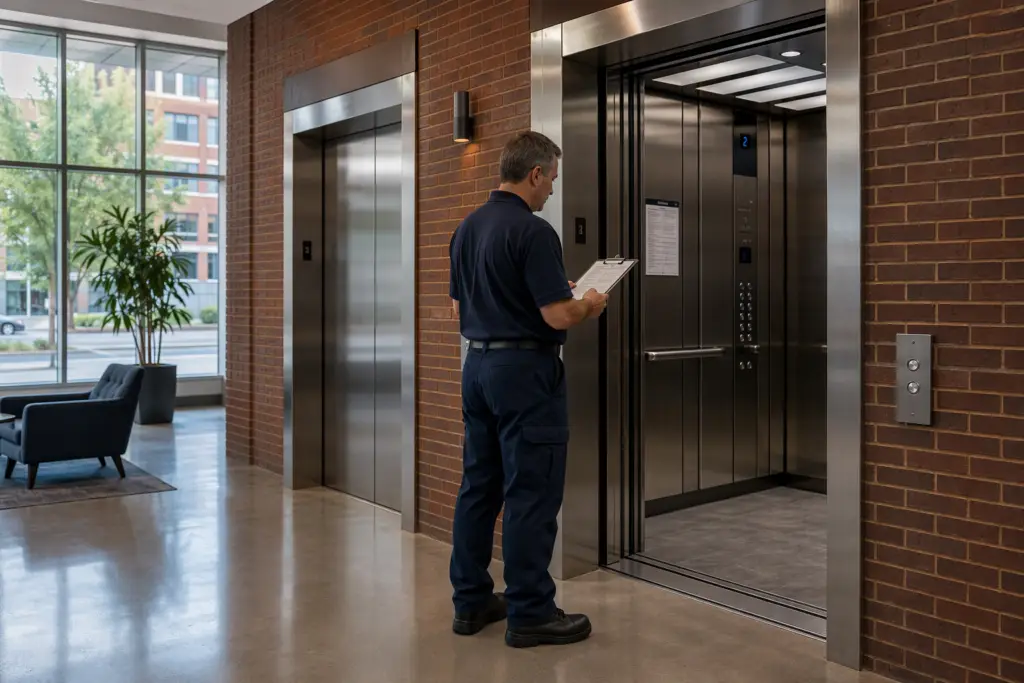
When an elevator inspector arrives at an apartment building, they will typically request documentation and ask questions to verify compliance. Being prepared with clear, organized answers demonstrates active compliance management. Inspectors commonly ask or verify:
- Is the maintenance logbook on-site and current? Inspectors expect to see a record of all maintenance visits, findings, and corrective actions.
- Who holds the current maintenance contract? The contractor must be a licensed elevator company in the applicable jurisdiction.
- When was the last full safety test performed? Documentation of governor, safety, and buffer tests will be requested.
- Is the certificate of operation current and properly posted? An expired or missing certificate is a violation in most jurisdictions.
- Have any repairs been made since the last inspection? All repairs should be documented with work orders.
- Is the machine room secured and properly maintained? Unauthorized access, stored materials, or pest evidence are common violations.
- Is the pit clean, dry, and properly lit? Pit conditions are inspected for safety hazards.
- Are all required ADA features functional? Door timing, signage, and communication systems will be tested.
- Has the emergency communication system been tested? Two-way communication from the cab must be operational.
- Is firefighters’ emergency operation functional? Phase I and Phase II operations will be tested in buildings where required.
—
How Should Apartment Building Owners Choose an Elevator Service Company?
Not all elevator service providers offer the same level of expertise, licensing, or documentation rigor. When evaluating elevator contractors for apartment building maintenance, property owners and managers should consider:
- Licensing: Confirm the company holds all required contractor licenses in the applicable state and municipality.
- Mechanic qualifications: Elevator mechanics should hold relevant trade qualifications recognized by the jurisdiction.
- Documentation practices: The contractor should provide written service reports after every visit, not just verbal updates.
- Code familiarity: The contractor should be current on the edition of ASME A17.1 adopted locally and any local amendments.
- Scope of services: Look for a provider that handles routine maintenance, repairs, modernization, and inspection support under one contract to simplify accountability.
- Service area coverage: Contractors with dedicated presence in your city are better positioned to understand local AHJ requirements and relationships.
Quality Elevator Company serves apartment buildings across Baltimore MD, Washington DC, Philadelphia PA, and Richmond VA, providing maintenance, repair, modernization, and inspection coordination services under one accountable relationship.
—
What Are the Consequences of Deferred Elevator Maintenance in Apartment Buildings?
Deferred maintenance in apartment building elevators creates compounding risk. From a compliance standpoint, deteriorating components are more likely to generate inspection violations, potential out-of-service orders, and fines. From a liability standpoint, evidence of deferred maintenance can be used against a property owner in any personal injury claim arising from an elevator incident. From an operational standpoint, deferred maintenance accelerates component wear, often making eventual repairs significantly more extensive than the preventive work that would have avoided the failure.
Regular, documented preventive maintenance is not simply a regulatory obligation — it is the most cost-effective strategy for managing elevator assets in apartment buildings over the long term.
—
What Is Elevator Modernization and When Is It Required?
Elevator modernization refers to the replacement of major components — such as the controller, hoist machine, door operator, or cab finishes — rather than replacing the entire elevator. Modernization may be required when:
- Critical components reach end of serviceable life and replacement parts are no longer available
- A jurisdiction issues a retroactive code compliance order requiring safety upgrades
- Recurring breakdowns indicate systemic component degradation
- ADA compliance deficiencies require correction
- Energy efficiency improvements are sought
Modernization projects must be permitted and inspected by the local authority having jurisdiction, and the work must comply with the current adopted edition of ASME A17.1 as applicable to alterations. Quality Elevator Company manages modernization projects for apartment buildings throughout the Mid-Atlantic region, from initial assessment through final inspection sign-off.
—
Get Expert Elevator Compliance Support for Your Apartment Building
Apartment elevator maintenance requirements are detailed, jurisdiction-specific, and consequential. Working with a qualified, licensed elevator service company is the clearest path to continuous compliance, documented maintenance records, and confident inspection readiness.
Contact Quality Elevator Company for a free elevator assessment. Call us at 301-779-9116 to speak with a member of our team serving Baltimore MD, Washington DC, Philadelphia PA, and Richmond VA.
Need elevator service you can rely on? Quality Elevator Company is ready to help.