Elevator Service in Richmond, VA | Quality Elevator Company
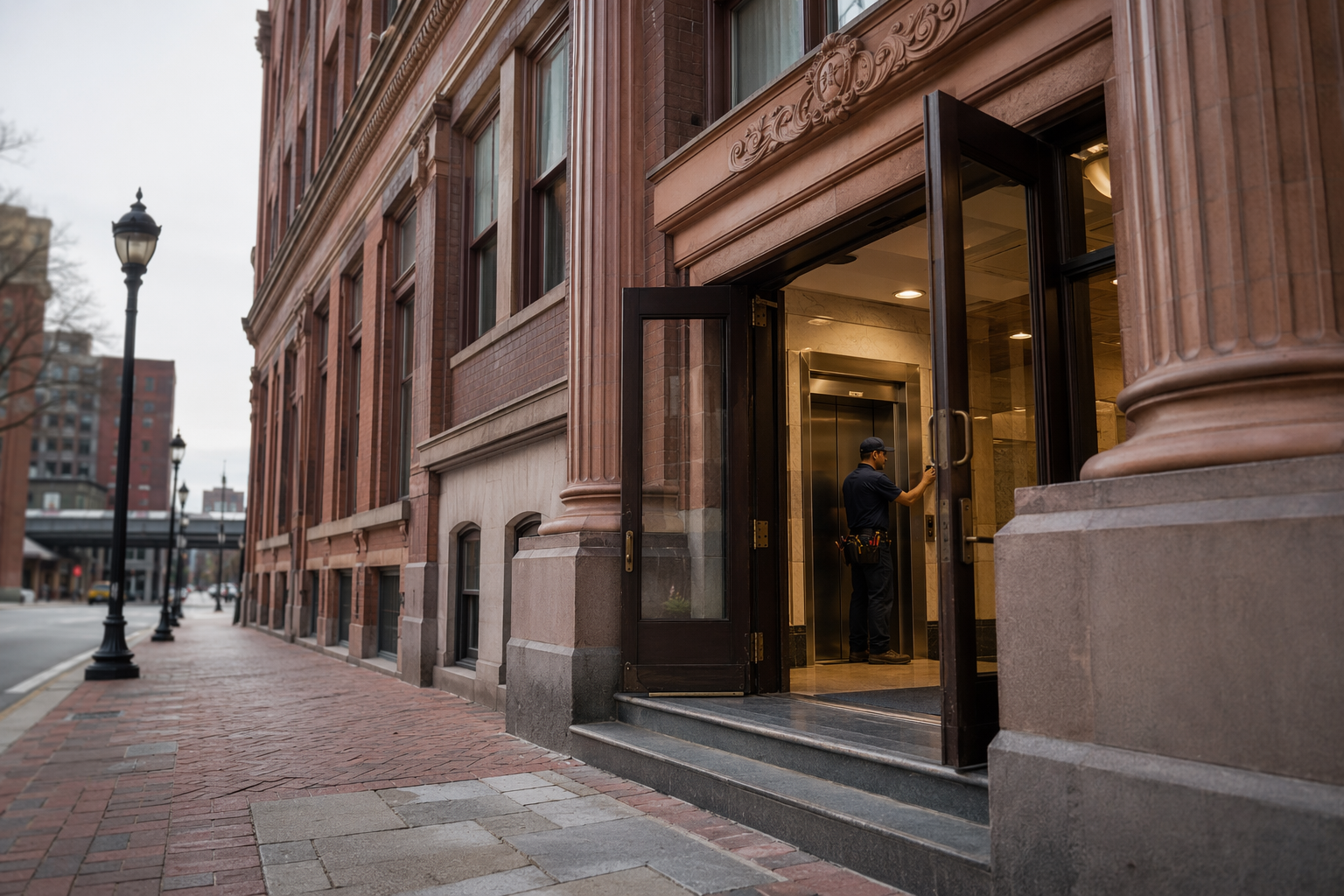
Property owners and facility managers in Richmond, VA face a consistent challenge: keeping vertical transportation systems safe, code-compliant, and operational. Whether the building is a historic downtown office tower near Shockoe Bottom, a mid-rise residential community in the Fan District, or a healthcare facility in the West End, elevator reliability directly affects tenant satisfaction, ADA accessibility obligations, and regulatory standing. Quality Elevator Company serves the Richmond metropolitan area with comprehensive elevator service designed to meet Virginia’s specific code requirements and the practical demands of local building stock.
What Does Elevator Service in Richmond, VA Include?
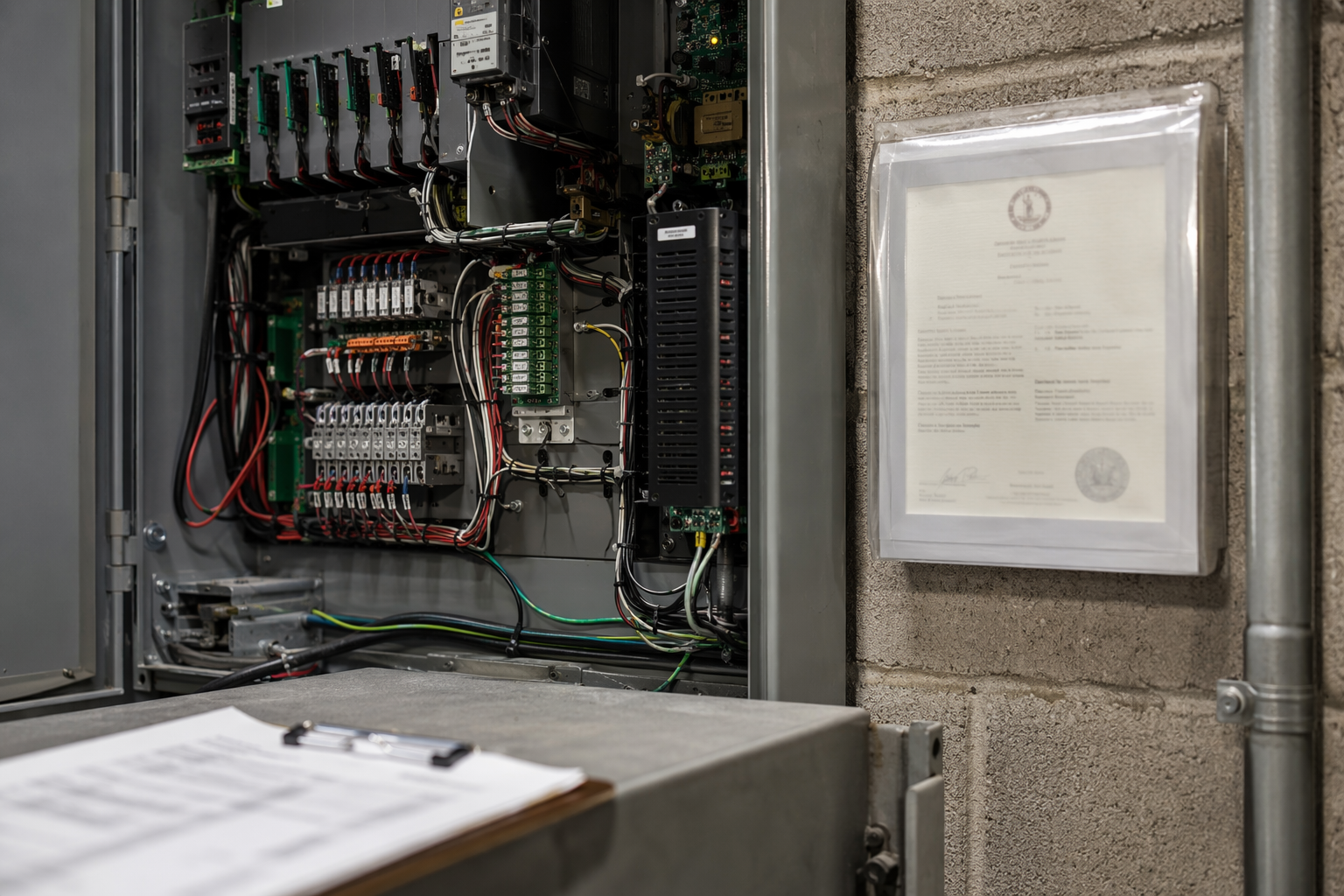
Elevator service encompasses far more than responding to a breakdown. A complete service program for Richmond-area buildings typically covers the following disciplines:
- Preventive Maintenance: Scheduled lubrication, adjustment, and inspection of all mechanical and electrical components to reduce unplanned downtime and extend equipment service life.
- Code-Compliance Inspections: Periodic safety inspections required under Virginia’s elevator safety regulations and the applicable edition of the ASME A17.1 Safety Code for Elevators and Escalators.
- Repair Services: Diagnosis and correction of mechanical, hydraulic, electrical, and control-system faults across a wide range of elevator makes and models.
- Modernization: Upgrading aging drive systems, cab interiors, door operators, controls, and safety devices to bring older equipment to current performance and code standards.
- Emergency Service: Around-the-clock response capability for trapped passengers, safety-system shutdowns, and critical mechanical failures.
- ADA Compliance Consulting: Guidance on meeting ADA accessibility requirements for elevator cab dimensions, controls, signage, and door timing.
- New Installation: Project management and technical support for new elevator installations in ground-up construction or major renovation projects.
What Elevator Codes and Regulations Apply in Richmond, VA?
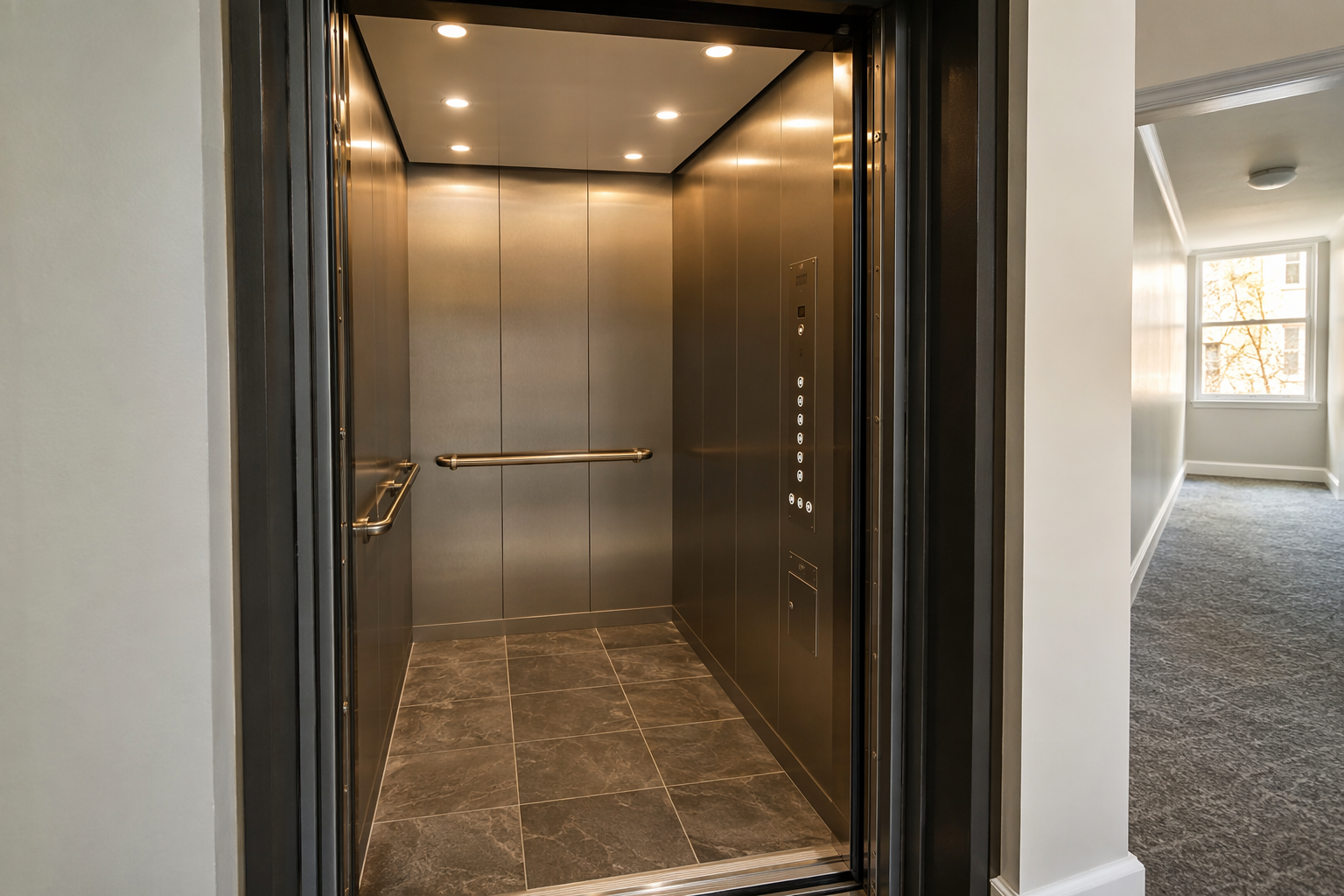
Virginia elevator safety is governed at the state level by the Virginia Department of Labor and Industry (DOLI), which administers the Virginia Elevator Safety Law (Virginia Code § 40.1-51.5 et seq.) and its implementing regulations. The state adopts the ASME A17.1 Safety Code for Elevators and Escalators as the foundational technical standard, with periodic updates incorporated through the rulemaking process. As of 2026, building owners should confirm with their service provider which edition of ASME A17.1 is currently enforced under Virginia’s adopted standards.
Key compliance obligations for Richmond property owners include:
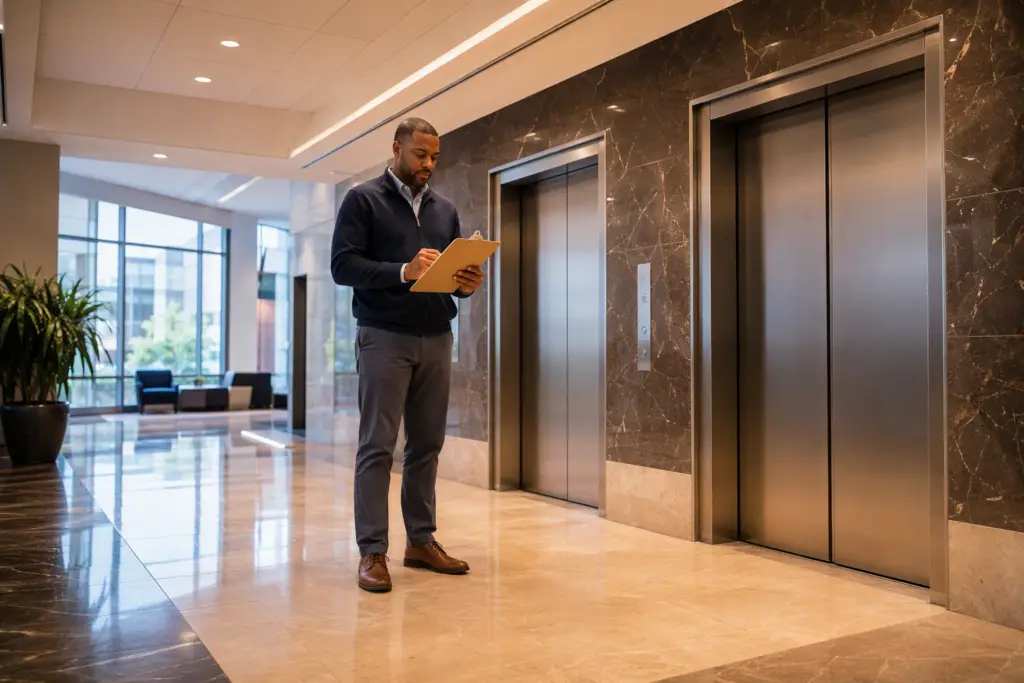
- Annual Inspections: Most conveyances subject to the Virginia Elevator Safety Law require periodic inspections by a Virginia-licensed elevator inspector. Operating without a current Certificate of Operation can expose building owners to fines and liability.
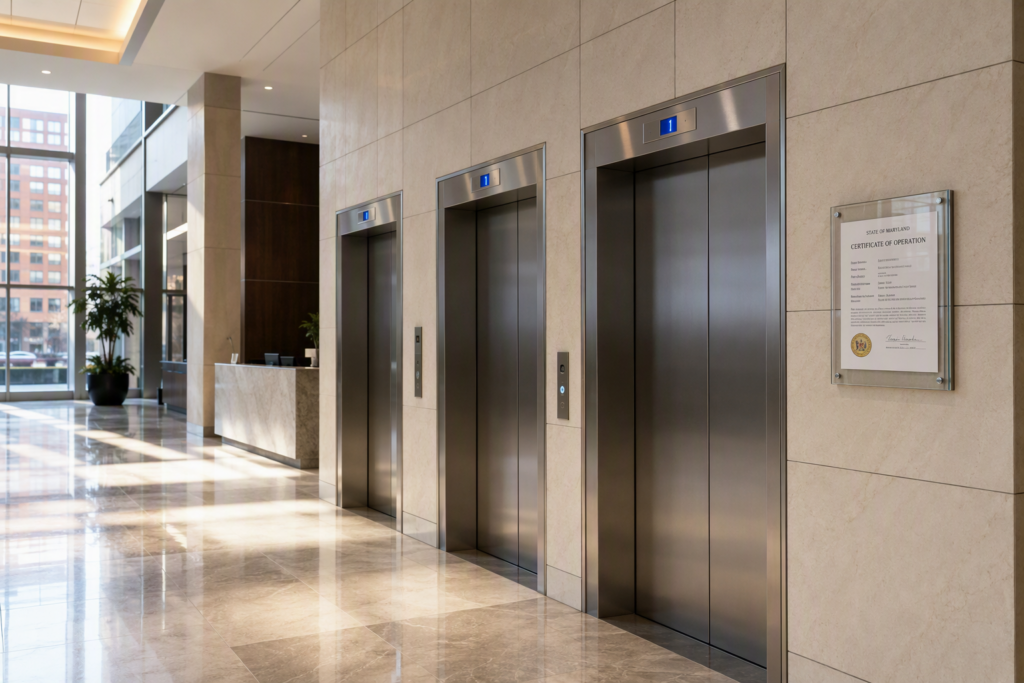
- Certificate of Operation: A valid certificate must be displayed in or near each elevator cab. Quality Elevator Company helps clients track certificate renewal cycles to avoid lapses.
- Hydraulic Elevator Pit Rules: Virginia follows ASME A17.1 requirements for pit depth, lighting, stop switches, and sump systems. Older hydraulic units may require pit upgrades during major repairs or modernizations.
- OSHA Compliance: Work performed on elevator equipment is subject to OSHA regulations governing lockout/tagout procedures and worker safety in confined and elevated work environments. Reputable service providers maintain strict OSHA-compliant work practices on every job.
- ADA Accessibility: Commercial buildings open to the public must meet ADA standards for accessible elevator features, including proper control height, Braille signage, audible indicators, and door timing parameters.
How Does Quality Elevator Company Serve the Richmond, VA Market?
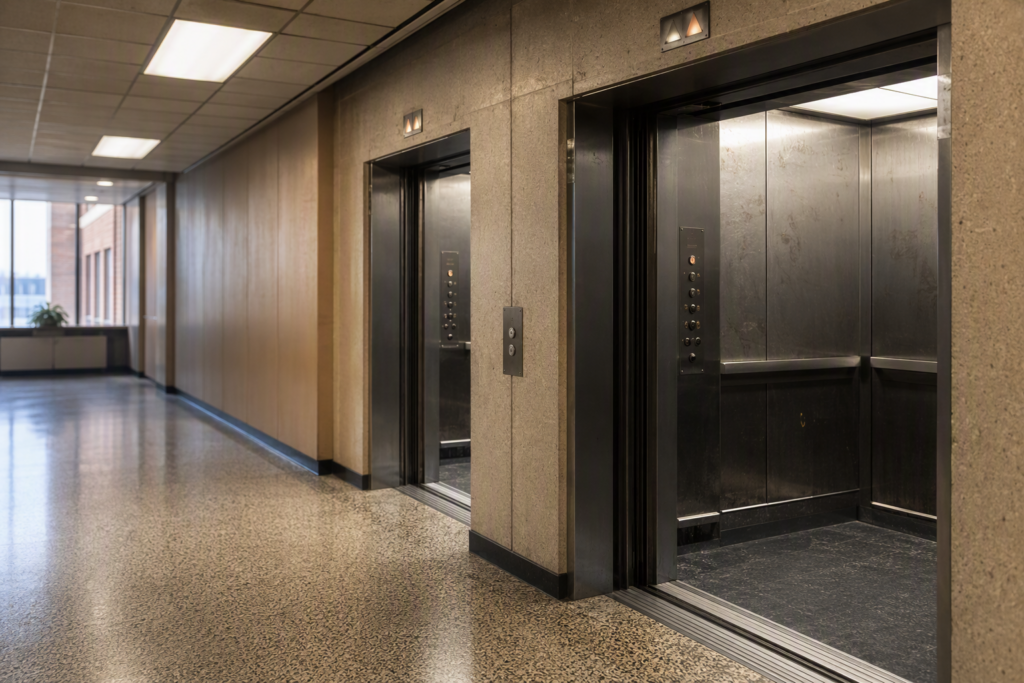
Richmond’s building inventory is diverse, ranging from century-old brick commercial structures in the central business district to contemporary mixed-use developments along the Pulse corridor, suburban office parks in Henrico and Chesterfield counties, and university facilities in the Museum District. Each environment presents distinct elevator service challenges — from cast iron machine rooms in pre-war buildings to machine-room-less (MRL) traction systems in modern construction.
Quality Elevator Company brings locally focused expertise to this full range of equipment types and building contexts. Service teams are familiar with the Richmond-area building inspection process, relationships with Virginia DOLI, and the practical realities of working in occupied buildings where elevator downtime must be minimized and communication with property management is essential.
Markets served in the Richmond metropolitan area include:
- Class A and Class B commercial office buildings
- Multi-family residential communities and condominiums
- Healthcare facilities, medical office buildings, and senior living communities
- Hospitality and hotel properties
- Higher education and K-12 institutional facilities
- Government and municipal buildings
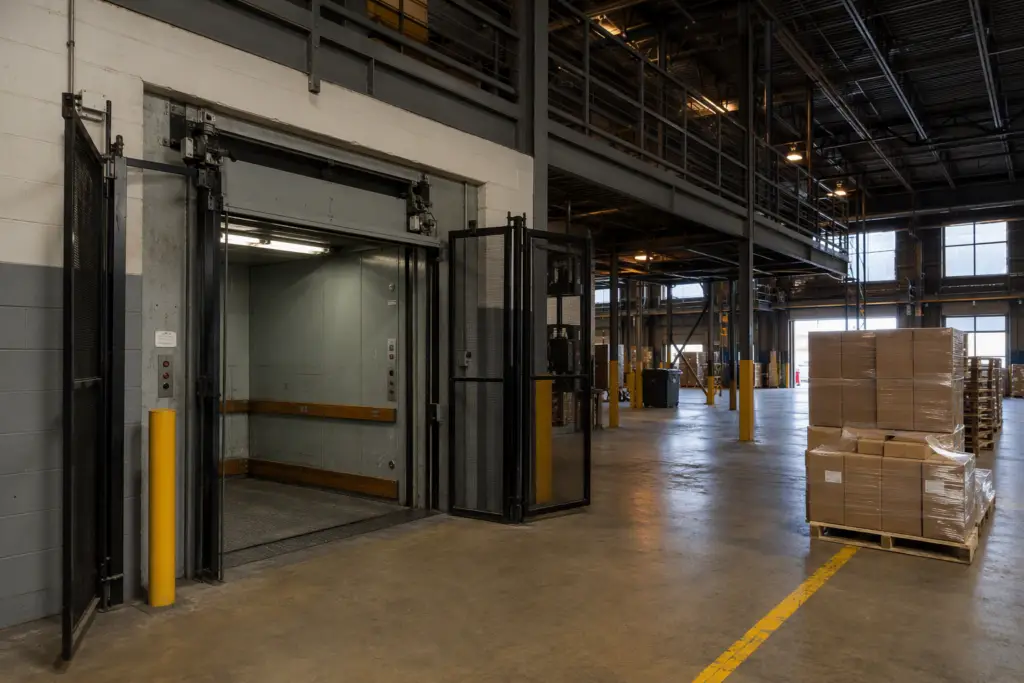
- Industrial and warehouse facilities with freight elevators
- Retail and mixed-use developments
What Should a Property Manager Do When an Elevator Breaks Down?
A clear, consistent response protocol reduces risk to passengers and accelerates the return to service. When an elevator malfunction or passenger entrapment occurs in a Richmond building, follow these steps:
- Ensure passenger safety first. If passengers are confirmed trapped in a stalled cab, instruct them to remain calm, stay in the cab, and use the emergency communication device. Do not attempt to force doors open or self-rescue.
- Call 911 if there is a medical emergency. If a trapped passenger reports a medical issue, contact emergency services immediately before taking any other action.
- Take the elevator out of service. Post clear “Out of Service” signage at every landing to prevent additional passengers from attempting to use the unit.
- Contact your elevator service provider. Notify Quality Elevator Company to dispatch a qualified technician. Provide the building address, elevator number or location, and a description of the fault or alarm condition.
- Document the incident. Record the time, nature of the malfunction, and any passenger involvement. Virginia DOLI may require incident reporting for certain categories of accidents or entrapments.
- Do not restore service until cleared by a technician. The unit should remain out of service until a licensed elevator mechanic has identified the fault, completed repairs, and confirmed the elevator is safe to return to operation.
- Review your maintenance records. Following any breakdown, review recent service logs with your provider to determine whether a recurring issue or deferred maintenance item contributed to the failure.
How Often Should Elevators in Richmond Be Inspected and Maintained?
Inspection frequency is governed by Virginia regulations and the ASME A17.1 Safety Code for Elevators and Escalators, which specifies periodic inspection and test intervals based on equipment type. Most traction and hydraulic passenger elevators require at minimum an annual inspection. Certain safety tests, such as full-load safety and governor tests on traction elevators, follow longer intervals prescribed in ASME A17.1.
Beyond mandatory inspections, preventive maintenance visits should be scheduled based on the equipment’s age, usage volume, and manufacturer recommendations. A high-traffic elevator in a Richmond office building or residential tower will typically require more frequent maintenance attention than a low-usage unit in a smaller building. Quality Elevator Company works with each client to develop a maintenance schedule appropriate to the specific conditions of their equipment and occupancy.
When Is Elevator Modernization the Right Choice?
Elevator modernization becomes worth evaluating when repair costs on aging equipment begin to escalate, when parts availability becomes limited for obsolete components, or when the elevator’s performance no longer meets current expectations for speed, ride quality, door reliability, or energy efficiency. Modernization is also triggered by code-driven upgrades: Virginia’s adoption of updated ASME A17.1 editions or local amendments may impose retrofits on existing equipment, particularly for fire service operation, door safety devices, and emergency lighting.
A modernization project can range from a controls-only upgrade — replacing outdated relay logic with a modern solid-state controller — to a full cab renovation combined with new drive, door operator, fixtures, and safety devices. Quality Elevator Company conducts equipment assessments to help Richmond building owners understand the condition of their existing systems and evaluate modernization options against ongoing repair investment, providing the information needed to make a sound capital planning decision.
How Does Elevator Service Affect ADA Compliance for Richmond Properties?
Under the ADA, elevators in most multi-story commercial buildings and public accommodations must meet specific accessibility standards. These requirements cover cab dimensions, control panel height and reach ranges, Braille and raised character signage, audible and visible floor indicators, door timing, and leveling accuracy. An elevator that drifts significantly above or below floor level, for example, can create a tripping hazard and a compliance exposure.
Routine maintenance directly supports ADA compliance by keeping leveling systems, door timing mechanisms, and cab fixtures in proper operating condition. When aging equipment no longer reliably meets accessibility requirements, modernization may be both a code-compliance and an ADA-compliance solution. Quality Elevator Company helps Richmond property owners and facility managers identify accessibility gaps and address them through maintenance adjustments or targeted upgrades.
How Do You Choose the Right Elevator Service Company in Richmond, VA?
Selecting an elevator service provider is a long-term decision with direct implications for building safety, regulatory compliance, and operating costs. When evaluating companies in the Richmond market, consider the following factors:
- Virginia Licensing: Confirm that the company employs mechanics licensed under Virginia’s elevator safety law and that the company itself holds the required contractor registration.
- Local Market Knowledge: A provider familiar with Richmond’s building types, Virginia DOLI processes, and local inspection workflows will navigate compliance requirements more efficiently than a national chain with limited regional presence.
- Equipment Range: The provider should have documented experience servicing the specific makes and models installed in your building, including legacy systems that may no longer receive manufacturer support.
- Transparency in Reporting: Look for a company that provides clear written service reports after every visit, documenting work performed, parts used, and any observed deficiencies requiring follow-up.
- Emergency Response Capability: Understand how the company handles after-hours calls and what the escalation process is for passenger entrapments and safety shutdowns.
- References: Request references from current clients in comparable Richmond-area building categories — commercial, residential, healthcare — and follow up directly.
Schedule a Free Consultation
Quality Elevator Company is ready to help Richmond, VA property owners and facility managers assess their elevator service needs, review compliance status, and develop a maintenance or modernization plan appropriate to their buildings. Contact the team to schedule a free consultation and learn how a locally focused elevator service partner can support the safety and reliability of your vertical transportation systems.
Call Quality Elevator Company today: 301-307-5363
Need elevator service you can rely on? Quality Elevator Company is ready to help.