Elevator Maintenance and Compliance Requirements for Hospitals and Healthcare Facilities
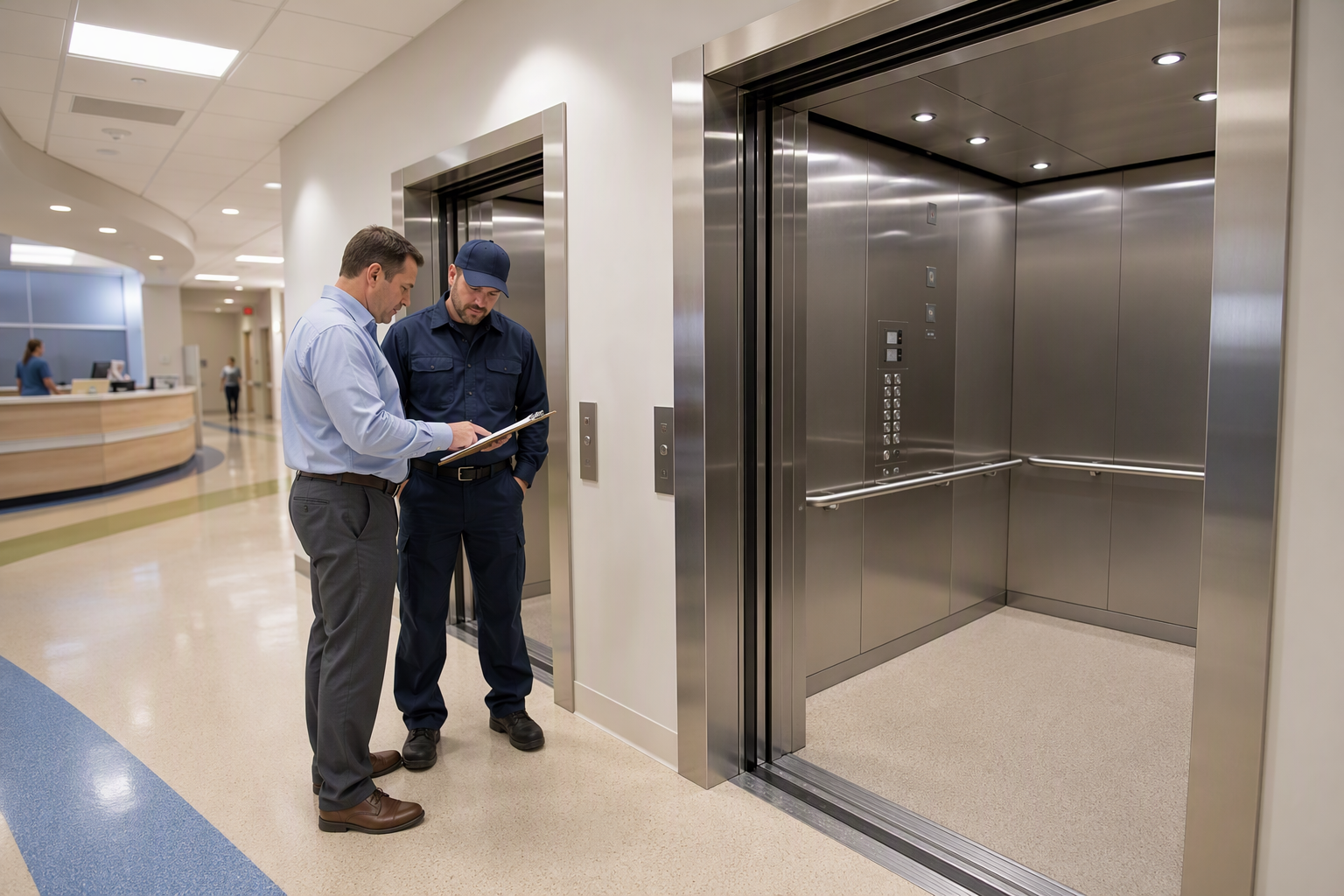
Healthcare facilities operate some of the most demanding elevator environments in any industry. Patient transport, medical equipment movement, emergency evacuations, and round-the-clock operational demands place unique pressure on vertical transportation systems. For hospital administrators, facilities managers, and compliance officers in Baltimore, Washington DC, Philadelphia, and Richmond, understanding exactly what elevator maintenance and compliance requirements apply — and how to meet them — is not optional. It is a patient safety and regulatory imperative.
Quality Elevator Company works with healthcare facilities across Maryland, Virginia, Pennsylvania, and the District of Columbia to ensure vertical transportation systems meet every applicable federal and state compliance standard.
What Federal Codes Govern Hospital Elevator Compliance?
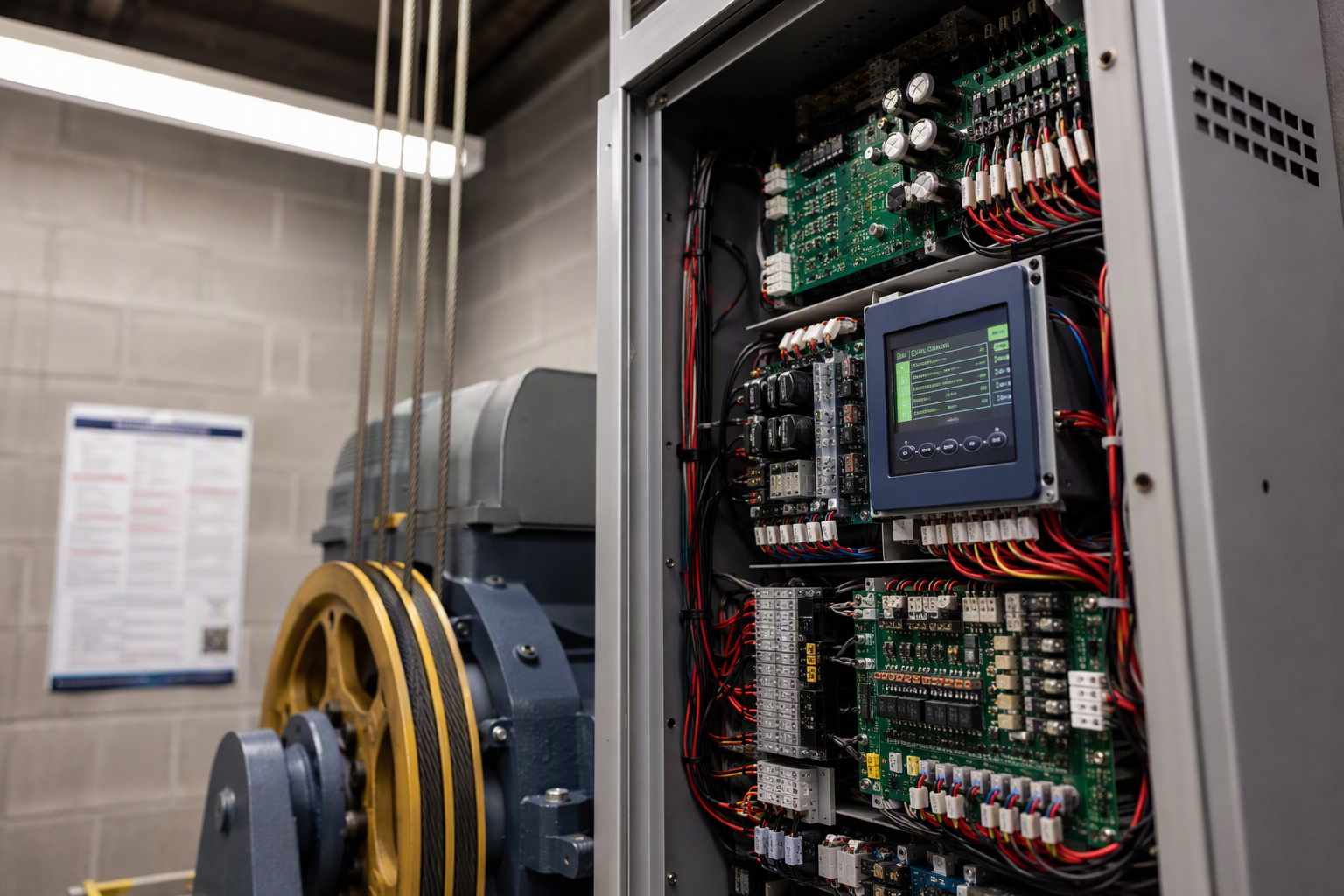
Two primary federal standards frame elevator compliance requirements for healthcare facilities regardless of which state they operate in:
- ASME A17.1 Safety Code for Elevators and Escalators: This is the foundational national standard governing the design, construction, installation, operation, inspection, testing, and maintenance of new elevator equipment. Healthcare facilities with newer elevator installations must comply with the edition of ASME A17.1 adopted by their state’s AHJ.
- ASME A17.3 Safety Code for Existing Elevators and Escalators: This standard applies retroactively to elevators already in service. It establishes minimum safety requirements for existing equipment and is particularly relevant in older hospital buildings throughout the Baltimore, DC, Philadelphia, and Richmond markets.
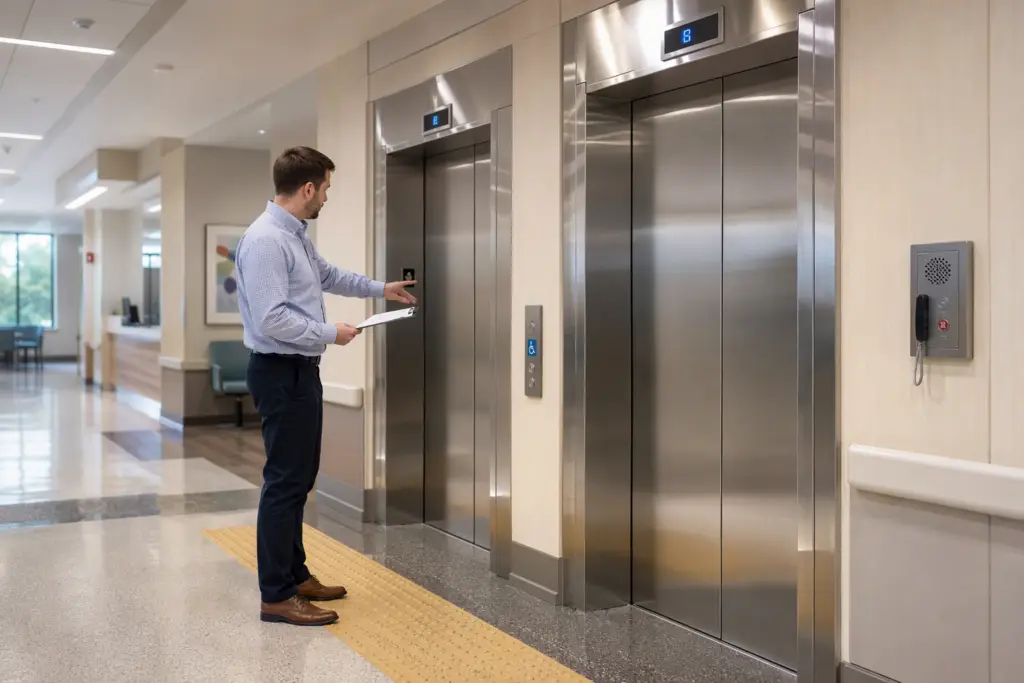
- Americans with Disabilities Act (ADA): The ADA mandates accessible vertical transportation for patients, visitors, and staff with disabilities. Healthcare facilities are required to maintain elevators in operable condition and ensure cab dimensions, control heights, door timing, and audible/visual signals meet accessibility requirements.
- OSHA General Industry Standards: OSHA requirements apply to elevator-related workplace safety, including machine room access, lockout/tagout procedures during maintenance, and safe working conditions for elevator technicians operating within healthcare environments.
What State-Level Inspection Requirements Apply in Maryland, Virginia, Pennsylvania, and DC?
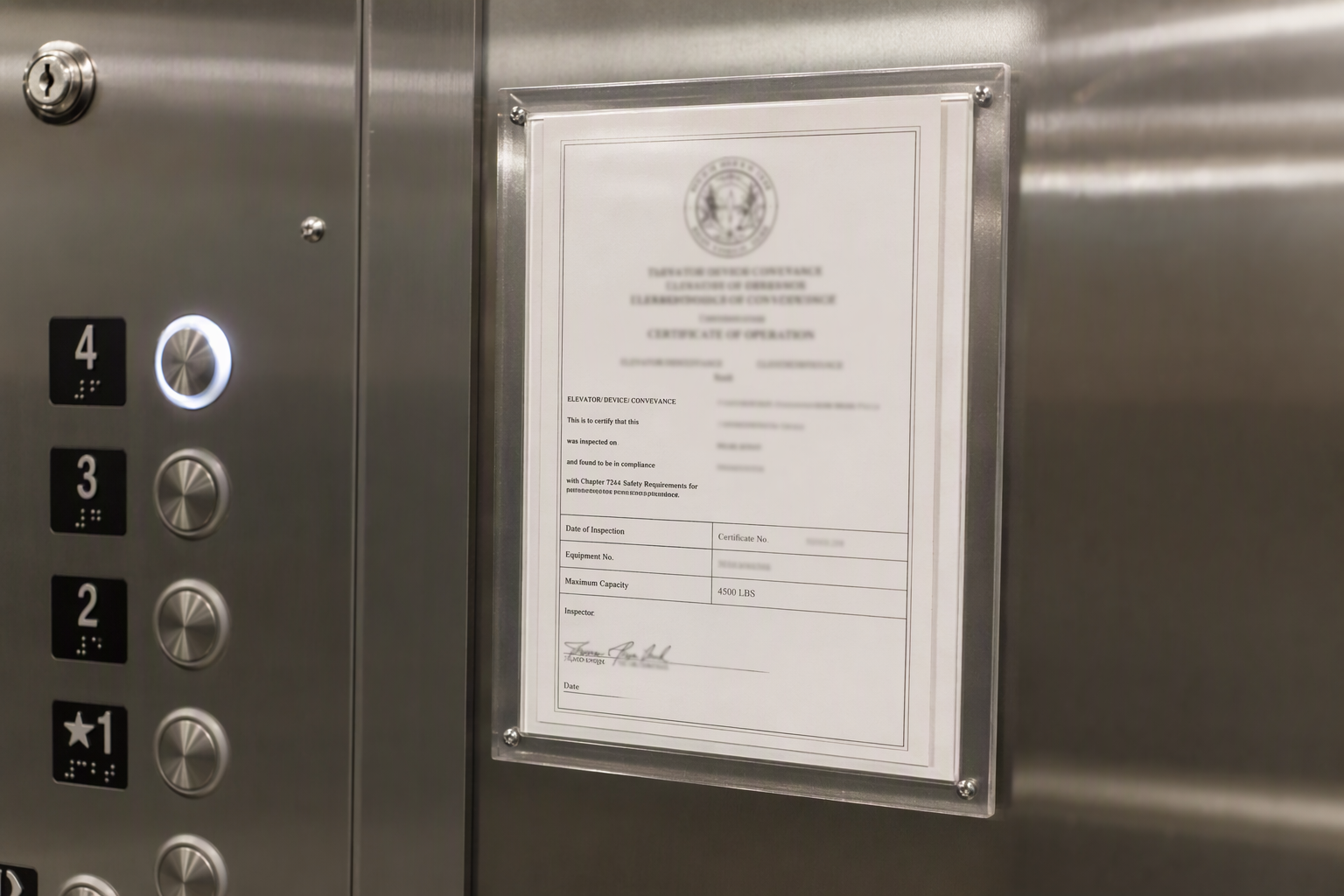
Each jurisdiction served by Quality Elevator Company enforces its own elevator inspection program, implemented through a designated state agency acting as the Authority Having Jurisdiction (AHJ). Healthcare facilities must coordinate directly with their AHJ to schedule and document required inspections:
- Maryland: The Maryland Department of Labor regulates elevator inspections statewide. Elevators in healthcare facilities must be inspected by a licensed inspector, and operating permits must be kept current. Inspection intervals and permit renewal requirements are set by state regulation.
- Virginia: The Virginia Department of Labor and Industry (DOLI) oversees elevator safety under the Virginia Statewide Building Code. Healthcare facilities must obtain and renew annual operating certificates.
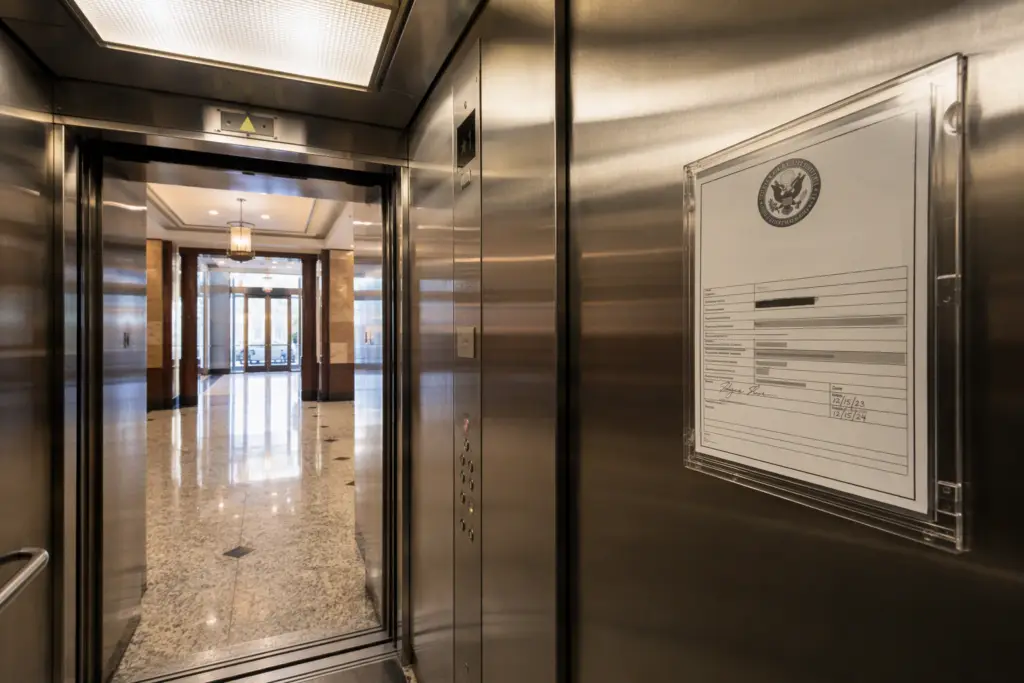
- Pennsylvania: The Pennsylvania Department of Labor & Industry administers the Elevator Law, requiring periodic inspections by a state-licensed inspector and issuance of a certificate of operation that must be posted in the elevator cab.
- District of Columbia: The DC Department of Consumer and Regulatory Affairs (DCRA) administers elevator inspections in the District. Healthcare facilities must comply with DC’s adopted building code and maintain current elevator operating licenses.
Failure to maintain current inspection certificates in any of these jurisdictions can result in mandatory elevator shutdowns — a potentially critical disruption for patient care operations.
Why Are Healthcare Elevator Compliance Requirements Stricter Than Other Buildings?
Hospitals and healthcare facilities face compounded compliance obligations because they must satisfy not only state elevator codes but also accreditation standards from bodies such as The Joint Commission, Centers for Medicare & Medicaid Services (CMS) Conditions of Participation, and facility-specific life safety standards derived from NFPA 101 (the Life Safety Code). Elevator systems are considered a life safety component in healthcare environments, meaning maintenance lapses and compliance gaps can directly affect accreditation status, CMS certification, and patient safety outcomes.
How Often Must Hospital Elevators Be Inspected?
Inspection frequency depends on equipment type and the specific AHJ requirements in each state. In general, passenger and freight elevators in healthcare facilities are subject to periodic inspections — commonly annual — with additional witnessing of safety device tests such as governor, safety, and buffer tests on a longer cycle as defined by the applicable edition of ASME A17.1 and ASME A17.3 adopted by the jurisdiction.
Healthcare facilities should not wait for a scheduled inspection to discover deficiencies. Proactive maintenance programs, such as those offered by Quality Elevator Company, are designed to identify and correct issues before an inspector finds them — protecting both compliance status and patient safety.
What ADA Requirements Apply Specifically to Hospital Elevators?
Under the Americans with Disabilities Act, healthcare facilities must ensure elevators are accessible to individuals with disabilities at all times. Key requirements include:
- Minimum cab interior dimensions sufficient to accommodate wheelchair users and medical transport equipment
- Door reopening devices that respond to obstruction without closing on a person
- Call buttons, floor designation buttons, and emergency controls mounted at accessible heights
- Visible and audible floor-arrival signals
- Braille and raised-character floor designations on hoistway entrance jambs
- Elevator cab floors that are level with landings within specified tolerances
Hospitals that fail to maintain ADA-compliant elevators risk formal complaints, federal investigations, and costly retrofits in addition to compliance penalties.
What Maintenance Practices Are Required for Healthcare Elevator Systems?
ASME A17.1 requires that elevators be maintained in a safe operating condition and that a maintenance control program be in place. For healthcare facilities, a compliant maintenance program typically includes:
- Regular lubrication, adjustment, and inspection of all mechanical and electrical components
- Documented maintenance records accessible to the AHJ upon request
- Periodic testing of safety devices including governors, safeties, buffers, and door interlocks
- Firefighter’s emergency operation testing per ASME A17.1 requirements
- Inspection and testing of car and counterweight safeties
- Door performance and timing verification
Quality Elevator Company provides documented maintenance programs specifically structured to satisfy the record-keeping requirements that AHJs and healthcare accreditation surveyors review during inspections.
What Is Firefighter’s Emergency Operation and Why Does It Matter in Hospitals?
Firefighter’s Emergency Operation (FEO), commonly called Phase I and Phase II operation, is required under ASME A17.1. Phase I automatically returns elevators to a designated floor upon smoke detector activation. Phase II allows firefighters to manually control individual cars. In healthcare facilities, proper FEO function is critical during emergency evacuations — particularly for non-ambulatory patients who depend on elevators as their only means of vertical egress.
FEO systems must be tested regularly and documented. Deficiencies in this system are among the most commonly cited elevator violations during healthcare facility inspections.
What Should Facilities Do When an Elevator Fails or Is Taken Out of Service?
- Immediately secure the elevator by placing it out of service and posting clear signage at every landing to prevent passenger entry.
- Notify the facilities management team and document the time, nature of the failure, and any related incident reports.
- Contact a licensed elevator service contractor to assess the equipment and determine the cause of the failure before returning the unit to service.
- Evaluate impact on patient care operations and activate contingency plans for patient transport, particularly in units dependent on that specific elevator bank.
- Notify the AHJ if required by state regulation, particularly if the out-of-service condition involves a safety device failure or entrapment.
- Obtain written clearance from the elevator contractor and, where required, from the AHJ before returning the elevator to service.
- Document all corrective actions taken, parts replaced, and technician records for inclusion in the maintenance log.
How Does Elevator Compliance Affect Hospital Accreditation?
The Joint Commission and CMS Conditions of Participation require hospitals to maintain a compliant Environment of Care. Elevator systems fall under life safety management plans, and surveyors may request inspection certificates, maintenance logs, and evidence of corrective actions during accreditation surveys. Non-compliant elevator records — or elevators operating without current inspection certificates — can generate findings that jeopardize accreditation status.
Facilities managers working with Quality Elevator Company receive organized documentation support designed to align with what accreditation surveyors and state AHJs expect to see.
What Are the Penalties for Elevator Code Violations in Healthcare Facilities?
Penalties vary by jurisdiction but can include monetary fines, mandatory elevator shutdowns, required third-party audits, and in severe cases, impacts on facility operating licenses. Beyond regulatory penalties, elevator failures that result in patient or staff injury carry significant liability exposure. Proactive compliance — rather than reactive correction — is the lower-risk operational approach for any healthcare facility.
Questions Your Inspector Will Ask
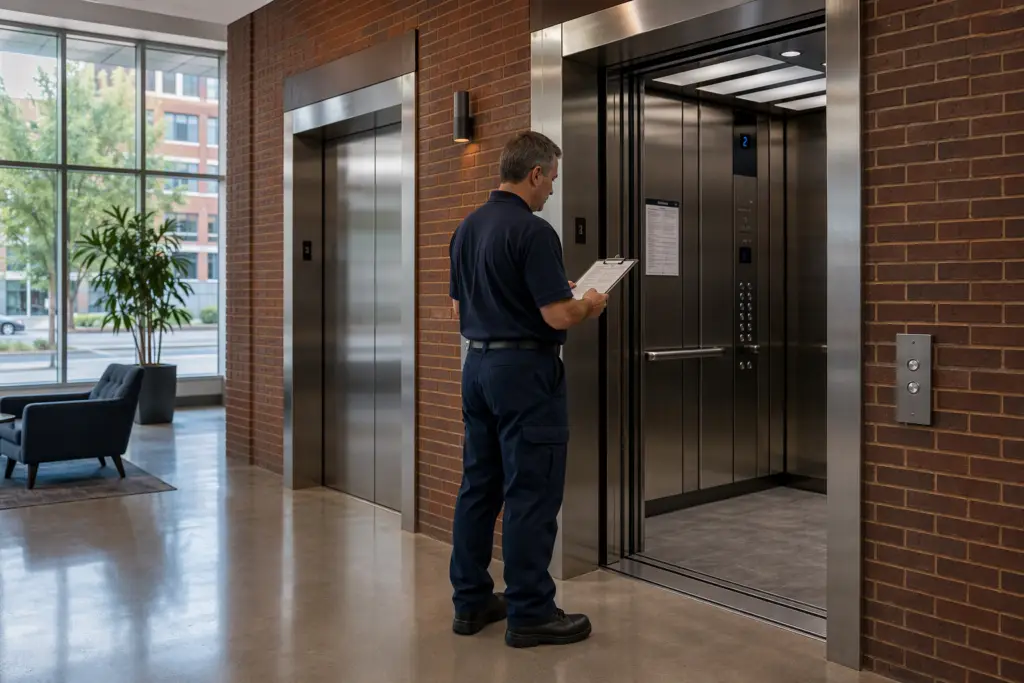
When a state inspector or accreditation surveyor evaluates elevator compliance at a healthcare facility, they commonly focus on the following areas. Facilities managers should be prepared to answer each of these questions with documentation in hand:
- Is the current operating certificate or permit posted inside each elevator cab? Each jurisdiction requires that a valid certificate be displayed.
- When was the last full periodic inspection completed, and by whom? Inspectors will want the date, the inspector’s license number, and the inspection report.
- Is a written maintenance control program in place per ASME A17.1? Verbal assurances are insufficient — documentation is required.
- Are maintenance logs current and on-site? Logs must record all maintenance activities, safety tests, and corrective actions with dates and technician identification.
- Has Firefighter’s Emergency Operation (Phase I and Phase II) been tested and documented within the required interval?
- Have all open deficiencies from the previous inspection been corrected? Unresolved items from a prior inspection report are a primary compliance risk.
- Are ADA-required accessibility features functional and unobstructed? Inspectors check door timing, button heights, and signage.
- Has the elevator contractor performing maintenance provided proof of required state licensing? In Maryland, Virginia, Pennsylvania, and DC, elevator contractors must hold applicable state licenses to perform maintenance legally.
How Should Healthcare Facilities Select an Elevator Service Provider?
Healthcare facilities require elevator service contractors who understand the intersection of state elevator codes, ADA requirements, and healthcare accreditation standards. Key criteria for selecting a provider include:
- State licensing in the applicable jurisdiction (Maryland, Virginia, Pennsylvania, or DC)
- Demonstrated experience servicing healthcare facility elevator environments
- Ability to provide organized, inspection-ready maintenance documentation
- Familiarity with ASME A17.1, ASME A17.3, and ADA compliance in 2026 code editions adopted by each AHJ
- Clear communication protocols with facilities management teams
Quality Elevator Company serves healthcare facilities across Baltimore, Washington DC, Philadelphia, and Richmond with maintenance and compliance programs structured around the specific demands of the healthcare environment.
Get a Free Elevator Compliance Assessment for Your Healthcare Facility
Elevator compliance in a healthcare environment is too consequential to leave to guesswork. Whether your facility is preparing for a state inspection, an accreditation survey, or simply needs to confirm that every elevator in your building meets current ASME, ADA, and state requirements, Quality Elevator Company is ready to help.
Contact Quality Elevator Company for a free elevator assessment: 301-779-9116
Serving hospitals and healthcare facilities in Baltimore MD, Washington DC, Philadelphia PA, and Richmond VA.
Need elevator service you can rely on? Quality Elevator Company is ready to help.