How Much Does Elevator Modernization Cost for a Commercial Building?
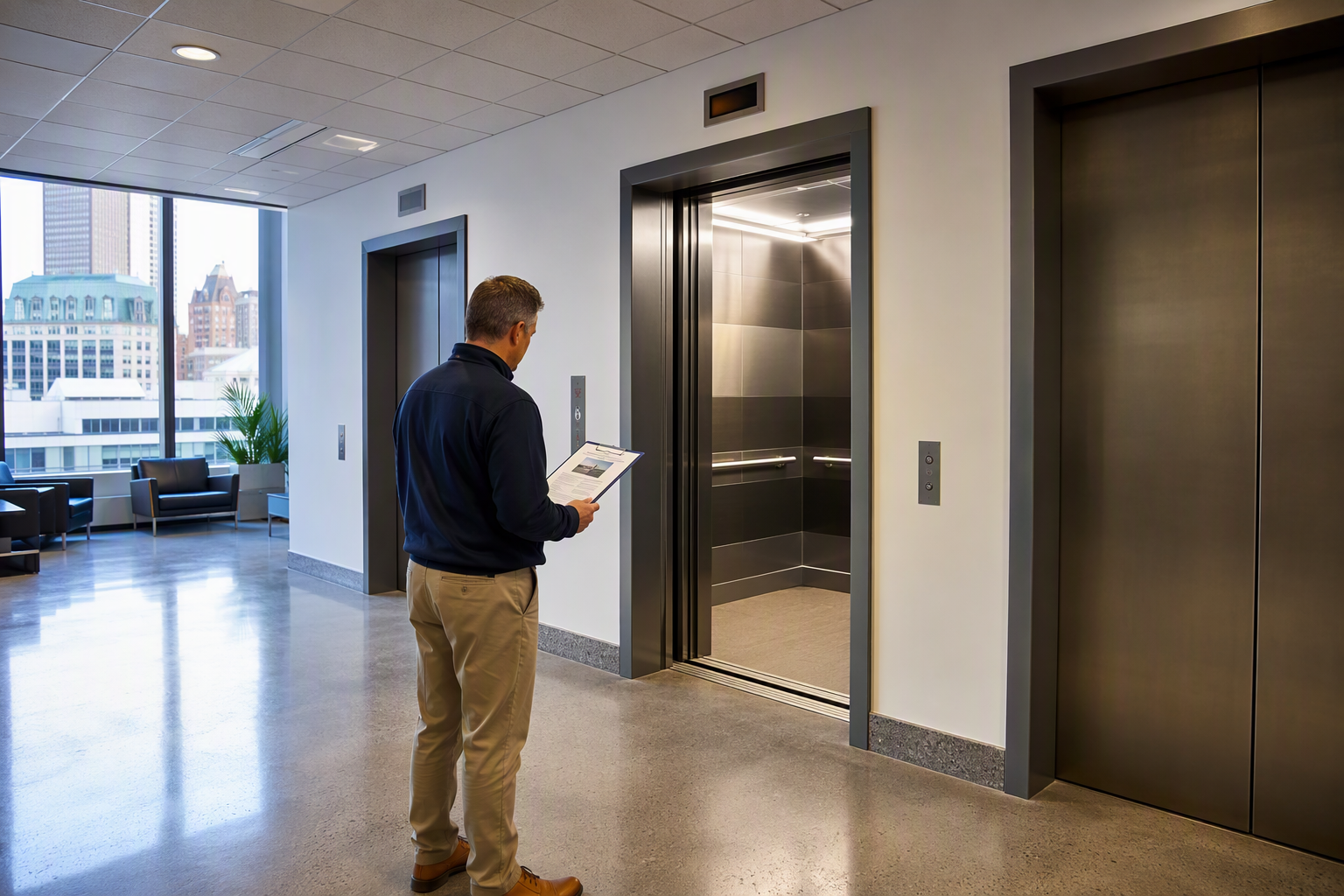
Elevator modernization is one of the most significant capital investments a commercial building owner or facilities manager will make. Unlike a simple repair, modernization replaces or upgrades core components — controls, machine room equipment, cab interiors, doors, and safety systems — to extend useful life, improve energy efficiency, and bring an aging elevator into compliance with current codes. Understanding what drives cost is essential before budgeting or soliciting bids.
What Is Elevator Modernization, and Why Does It Matter for Commercial Buildings?
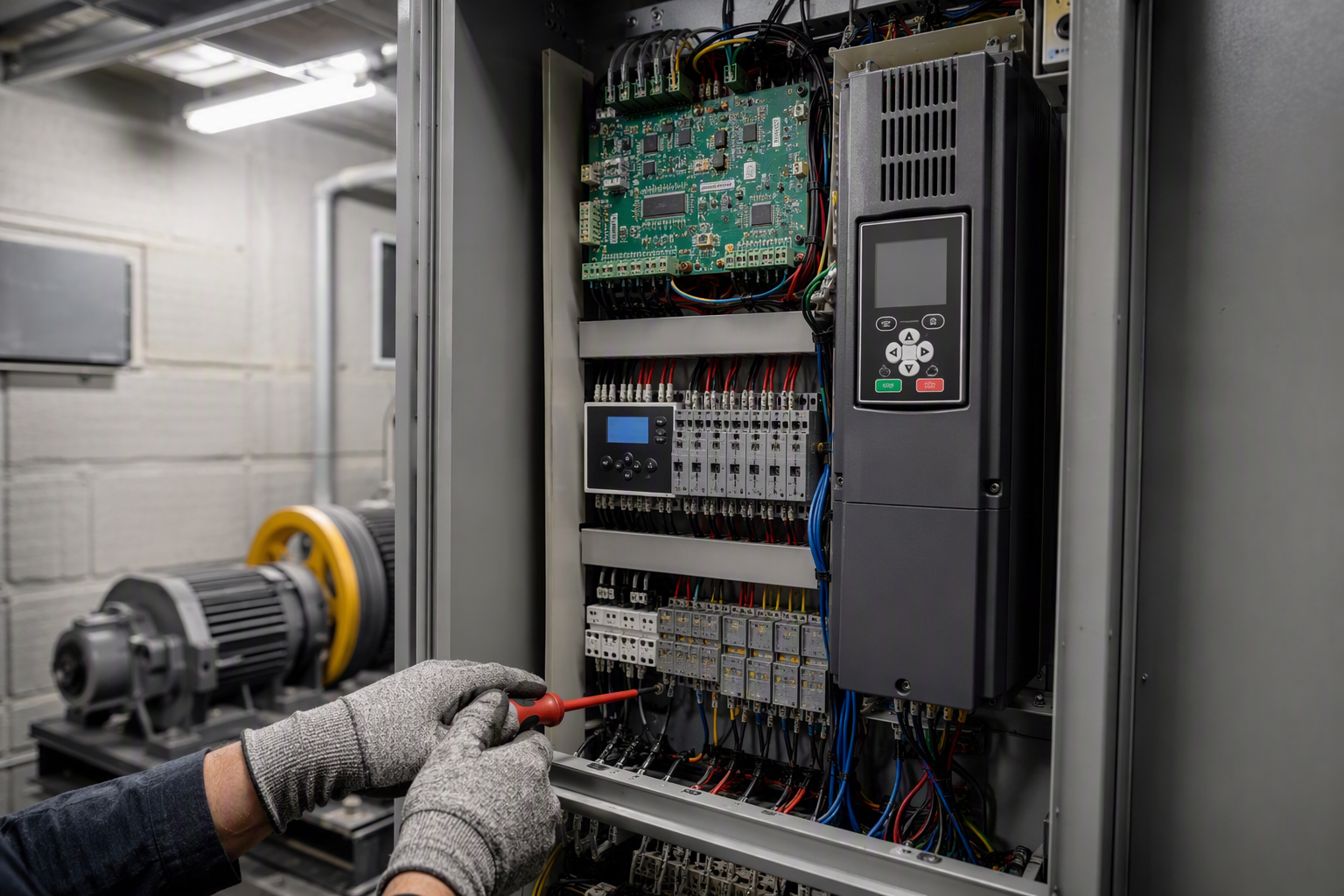
Modernization refers to the planned replacement of major elevator subsystems rather than reactive, piecemeal repair. In a commercial context, this typically means replacing the control system, drive, machine, fixtures, cab finishes, door operators, or some combination of these. The goal is a system that performs reliably, meets current safety standards, and satisfies the requirements of the Authority Having Jurisdiction (AHJ) in the building’s location.
In the District of Columbia, Maryland, Pennsylvania, and Virginia — the markets served by Quality Elevator Company — elevators are subject to both federal standards and state or district-level inspection and permitting requirements. A modernization project triggers AHJ review, which means the upgraded system must conform to the edition of the ASME A17.1 Safety Code for Elevators and Escalators adopted in that jurisdiction, as well as applicable ADA accessibility requirements.
What Are the Main Cost Categories in a Commercial Elevator Modernization?
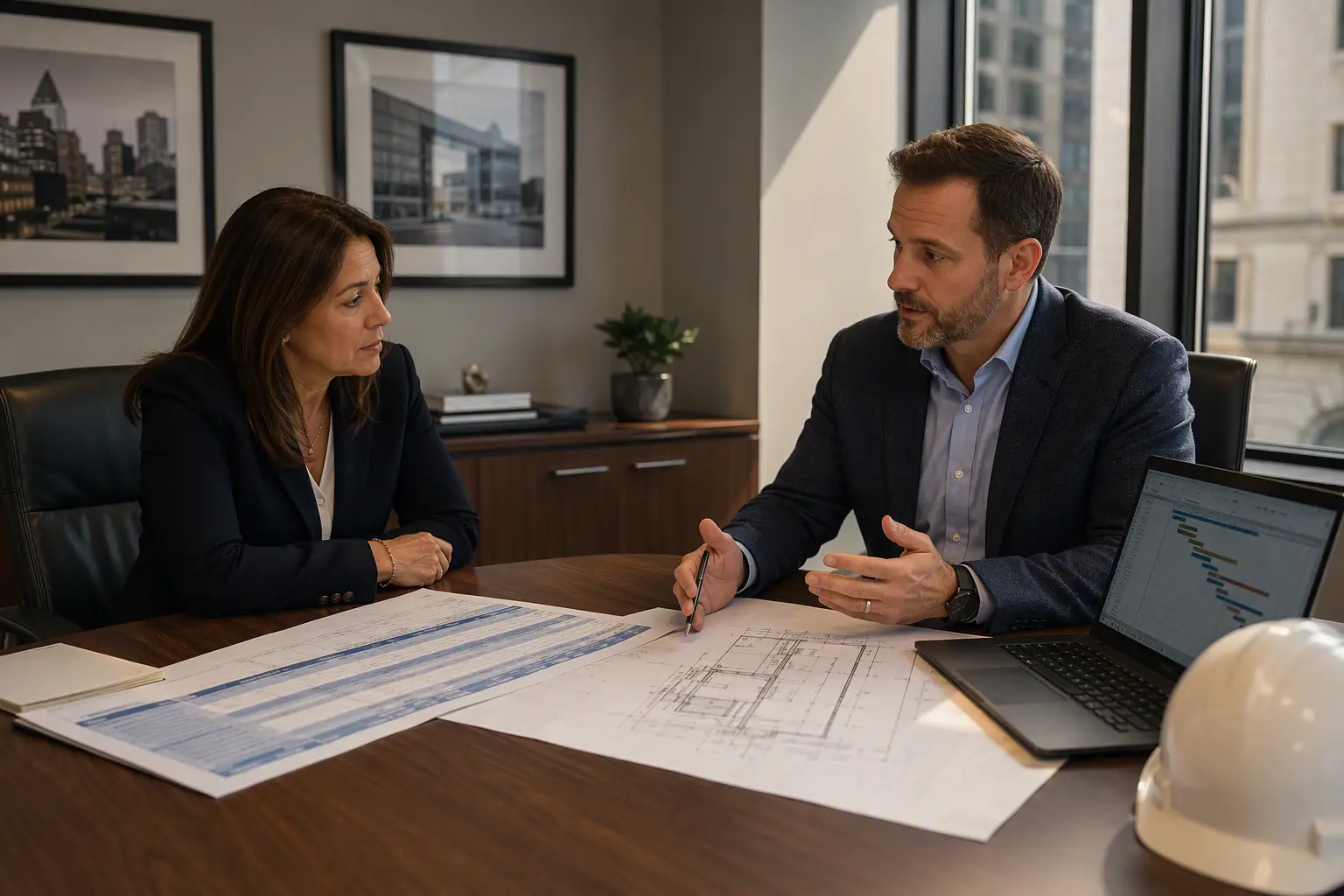
Every modernization budget is built from several distinct cost categories. Understanding each one prevents scope creep and surprise invoices.
- Control System Replacement: The control system is the brain of the elevator. Modern microprocessor-based controls improve dispatching efficiency, enable remote diagnostics, and often reduce energy consumption. Control modernizations are among the most common partial-scope projects and are frequently triggered when original equipment manufacturers discontinue parts support.
- Drive and Machine Upgrades: Older hydraulic or traction systems may require new motors, drives, or complete machine replacements. Switching from a geared to a gearless machine, or from a hydraulic cylinder to a machine-room-less (MRL) configuration, significantly affects cost and shaft modification requirements.
- Door Systems and Operators: Door-related failures are the leading cause of elevator callbacks. New door operators, tracks, rollers, and safety edges improve reliability and passenger safety.
- Cab Interior Renovation: Cab work — new walls, flooring, lighting, signage, and fixtures — is often bundled with mechanical modernization. ADA-compliant controls, tactile markings, and accessible cab dimensions may be required if the scope triggers a change-of-use or substantial alteration review under the ADA Standards for Accessible Design.
- Hoistway and Pit Upgrades: Depending on the jurisdiction’s adopted code edition, pit lighting, ladders, stop switches, and clearances may need to meet current ASME A17.1 requirements at the time of modernization.
- Machine Room or MRL Conversion: Converting a traditional machine room system to a machine-room-less configuration involves structural and electrical coordination and is among the more capital-intensive scopes.
- Permits, Inspections, and Engineering: AHJ permit fees, third-party inspection costs, and engineering drawings add to total project cost. These are non-negotiable in DC, Maryland, Pennsylvania, and Virginia.
- Downtime and Temporary Service Provisions: In multi-tenant commercial buildings, elevator outage during modernization may require temporary lift solutions, tenant notifications, and ADA accommodation planning — all of which carry indirect costs.
What Factors Most Influence Elevator Modernization Cost?
No two modernization projects are identical. The following variables typically have the greatest influence on final cost:
- Number of stops and travel height: A low-rise three-stop commercial elevator requires considerably less material, wiring, and labor than a high-rise with 20+ landings.
- Type of drive system: Hydraulic, geared traction, gearless traction, and MRL systems each carry different labor and equipment costs.
- Scope — partial vs. full modernization: A controls-only project is substantially less expensive than a full modernization that includes machine, cab, doors, and hoistway upgrades.
- Age and condition of existing equipment: Systems that are 30–40 years old often require more ancillary work — wiring, conduit, structural supports — than systems upgraded within the last 15–20 years.
- Code compliance gap: If the building’s current elevator diverges significantly from the adopted edition of ASME A17.3, Safety Code for Existing Elevators and Escalators, the modernization scope expands to close those gaps as a condition of permit issuance.
- Local labor market: Union labor requirements, prevailing wage rules on government-owned or government-funded buildings in DC, Maryland, Pennsylvania, and Virginia, and regional contractor availability all affect labor costs.
- Building access and logistics: High-occupancy buildings, historic structures, and buildings with limited freight access add coordination complexity and cost.
How Do Code Requirements in DC, Maryland, Pennsylvania, and Virginia Affect Modernization Cost?
When a modernization permit is filed, the AHJ reviews the project against the edition of ASME A17.1 currently adopted in that jurisdiction. Each of Quality Elevator Company’s service markets — the District of Columbia, Maryland, Pennsylvania, and Virginia — has its own adoption schedule and may have local amendments. This means a modernization project that is code-compliant in one jurisdiction may require additional work in another.
Additionally, ADA requirements apply to places of public accommodation and commercial facilities. When a modernization constitutes an “alteration” under ADA, the path of travel to the elevator and the elevator cab itself may need to meet current accessibility standards, adding scope that building owners must budget for in advance.
OSHA standards govern the safety of workers performing modernization — including lockout/tagout procedures, confined space entry in pits, and fall protection in hoistways. Reputable elevator contractors factor OSHA compliance into project planning and pricing, and building owners should verify that any contractor’s safety program meets federal OSHA requirements.
What Is the Typical Timeline for a Commercial Elevator Modernization?
Timeline is closely related to scope. A partial modernization — such as a controls replacement on a single elevator — may be completed in a matter of weeks once equipment is delivered. A full modernization of a multi-stop traction elevator in a commercial high-rise can take several months from permit issuance to final inspection and return to service.
Key timeline phases typically include:
- Site survey and scope development: A qualified elevator contractor inspects the existing installation, reviews maintenance records, and documents the gap between current conditions and target specifications.
- Engineering and permit submittal: Drawings and specifications are prepared and submitted to the AHJ. Review times vary by jurisdiction and workload — plan for several weeks in busy markets like the DC metro area.
- Equipment procurement: Lead times for control systems, machines, and specialty components can range from weeks to several months depending on manufacturer backlog.
- Field installation: The physical modernization work takes place with the elevator out of service. Phased installations may be possible in buildings with multiple elevators.
- AHJ inspection and approval: Before return to service, the AHJ or a licensed third-party inspector must witness a full acceptance test. Scheduling this inspection is often on the critical path.
- Closeout and documentation: As-built drawings, maintenance manuals, and updated inspection certificates are delivered to the building owner.
How Should Building Owners Compare Elevator Modernization Bids?
Comparing bids purely on price is one of the most common — and costly — mistakes building owners make. A low bid that omits permit fees, inspection costs, hoistway cleanup, or ADA compliance work will exceed a comprehensive bid once those items are added back as change orders. The following evaluation criteria support an apples-to-apples comparison:
- Verify that each bid specifies the same scope of work, listed component by component.
- Confirm that permits, engineering drawings, and final inspection are included or explicitly excluded with associated costs identified.
- Ask each bidder to identify which edition of ASME A17.1 their design conforms to and how they address any AHJ-specific amendments.
- Review the proposed equipment manufacturers and model lines — not all components are equivalent in reliability, parts availability, or warranty terms.
- Evaluate the contractor’s experience with the specific drive type (hydraulic, geared traction, gearless, MRL) relevant to your building.
- Assess the post-modernization maintenance and service agreement terms, including parts availability and response commitments.
What Are the Signs That a Commercial Elevator Needs Modernization Rather Than Repair?
Certain patterns signal that the cost of continued repair is approaching or exceeding the cost of modernization. Building managers and owners should evaluate modernization when they observe:
- Increasing frequency of service calls for the same recurring failures, particularly door malfunctions, leveling errors, or control system faults.
- Parts unavailability or long lead times for replacement components because the original equipment manufacturer has discontinued support.
- Energy bills attributable to inefficient drives or hydraulic systems that would be substantially reduced by modern variable-frequency drives.
- Persistent ADA accessibility complaints or building inspection findings related to cab controls, signage, or door timing.
- An elevator system that is 20 or more years old and has not had a major component upgrade.
- Code violations identified during routine inspection by the AHJ that cannot be remediated with targeted repairs.
How Does Elevator Modernization Affect Building Value and Tenant Retention?
In commercial real estate, elevator performance is a meaningful factor in tenant satisfaction and lease renewal decisions. Frequent outages, slow door response, poor leveling, and dated cab aesthetics contribute to negative tenant experience — particularly in office, medical, and mixed-use buildings where elevator traffic is high during peak hours. A modernized elevator system signals a well-managed asset and is often cited in building marketing materials as a capital improvement.
From a financial planning perspective, modernization should be evaluated as a long-term capital expenditure that extends equipment life, reduces ongoing maintenance spend, and defers the cost of a full replacement. Property managers and ownership groups in the DC, Maryland, Pennsylvania, and Virginia markets should include elevator condition assessments in their capital needs analyses and reserve studies.
What Are the Key Industry Trends Shaping Elevator Modernization in 2025–2026?
Several qualitative trends are shaping modernization decisions in the commercial elevator industry as of 2025–2026:
- Remote monitoring and predictive maintenance: Modern control systems increasingly include connectivity for remote diagnostics, allowing service providers to identify developing faults before they cause outages. Building owners should ask modernization contractors about remote monitoring capabilities as part of the equipment specification.
- Energy efficiency focus: Regenerative drives and LED lighting upgrades are increasingly included in modernization scopes as building owners pursue LEED certification, ENERGY STAR ratings, and local sustainability mandates. This is particularly relevant in the District of Columbia, which has active building performance standards.
- Supply chain normalization: After several years of extended lead times for control components, the industry has seen gradual improvement in equipment availability — though lead time forecasting remains important in project scheduling.
- Code adoption cycles: Jurisdictions in Quality Elevator Company’s service area continue to review and update their adopted editions of ASME A17.1 and A17.3. Building owners planning modernizations in 2026 and beyond should confirm the currently adopted edition with their AHJ before finalizing scope.
- Accessibility enforcement: Scrutiny of ADA compliance in commercial buildings continues to be active. Modernization projects are a natural checkpoint to audit and remediate accessibility gaps.
How Does Quality Elevator Company Approach Modernization Planning?
Quality Elevator Company serves commercial building owners and facilities managers in the District of Columbia, Maryland, Pennsylvania, and Virginia as a data-driven service provider focused on code compliance, equipment reliability, and transparent project planning. The team conducts thorough site assessments to document existing conditions, identify code compliance gaps relative to the applicable edition of ASME A17.1 and ADA standards, and develop modernization scopes with clear cost structures — so building owners understand what is included before a contract is signed.
Rather than applying a one-size-fits-all solution, Quality Elevator Company evaluates each building’s specific elevator configuration, traffic patterns, code requirements, and ownership objectives to recommend a modernization strategy that is technically sound and financially appropriate for the asset.
What Should Building Owners Do Before Soliciting Modernization Bids?
Preparation before going to market for modernization bids significantly improves the quality of proposals received and the accuracy of cost comparisons. Recommended steps include:
- Gather all existing elevator documentation: original installation permits, as-built drawings, maintenance logs, and prior inspection reports.
- Request an independent condition assessment from a qualified elevator contractor or consultant who can document current equipment status objectively.
- Confirm with the local AHJ which edition of ASME A17.1 is currently adopted and whether any local amendments apply to your building type.
- Review ADA compliance of the current installation, including cab controls, door timing, and signage, to understand what may be triggered by an alteration.
- Establish a realistic project budget range and timeline before soliciting bids, to allow contractors to propose scopes that align with ownership objectives.
- Develop a building communication plan for tenants and occupants regarding elevator downtime during modernization.
Is Phased Modernization a Cost-Effective Option for Commercial Buildings?
For buildings with budget constraints or high occupancy where extended downtime is not feasible, phased modernization can be a practical approach. A common phasing strategy is to modernize the control system first — achieving immediate reliability and diagnostic improvements — and defer cab renovation or door system replacement to a subsequent phase. In buildings with multiple elevators, phasing work across units allows at least one elevator to remain in service at all times.
Phased modernization requires careful planning to ensure that components selected in Phase 1 are compatible with Phase 2 equipment, and that the interim configuration continues to satisfy code requirements at each stage. Building owners should discuss phasing options explicitly with prospective contractors and require that each phase be permitted and inspected independently.
What Warranty and Service Terms Should Accompany a Commercial Elevator Modernization?
A completed modernization should be accompanied by clearly defined warranty terms covering both equipment and workmanship. Building owners should evaluate:
- The duration of the equipment manufacturer’s warranty on major components, including the control system and drive.
- The contractor’s workmanship warranty and how deficiencies discovered after project closeout are handled.
- Whether a post-modernization maintenance agreement is proposed, and how its terms differ from a standard service agreement on older equipment.
- Parts availability commitments — particularly important for proprietary control systems where the contractor is the sole-source parts provider.
Additional Frequently Asked Questions About Elevator Modernization Cost
Does elevator modernization always require a permit in DC, Maryland, Pennsylvania, and Virginia?
Yes. In all four of Quality Elevator Company’s service jurisdictions, modernization work on a commercial elevator requires a permit from the AHJ and a formal acceptance inspection before the elevator may return to service. This is consistent with the permitting framework established under ASME A17.1 and each jurisdiction’s elevator safety program. Unpermitted modernization work creates significant legal and liability exposure for building owners.
Can a building owner modernize only the cab interior without triggering full code review?
Cab interior renovation that does not involve mechanical or electrical systems may be classified differently by some AHJs than a mechanical modernization. However, any work that touches electrical systems, lighting circuits, or control interfaces is typically treated as an alteration requiring review. Building owners should confirm the scope classification with their AHJ before proceeding, and should also evaluate whether the work constitutes an “alteration” under ADA that triggers accessibility improvements.
How long does a modernized elevator typically last before another major investment is needed?
A well-executed modernization with quality components and consistent preventive maintenance can extend an elevator’s productive service life significantly — often by 20 or more years for major systems. The actual longevity depends on equipment quality, maintenance adherence, traffic volume, and whether future code adoption cycles require additional upgrades.
Are there financing options available for commercial elevator modernization?
Financing structures for elevator modernization vary. Some building owners use capital reserve funds, while others access commercial equipment financing, building improvement loans, or — for certain property types — energy efficiency financing programs linked to drive or lighting upgrades. Building owners in the DC, Maryland, Pennsylvania, and Virginia markets should consult with their financial advisors and review available programs through their state’s energy or commerce agencies.
What role does OSHA play in elevator modernization projects?
While OSHA does not regulate elevator design or inspection standards (those are governed by ASME A17.1 and state AHJs), OSHA’s General Industry and Construction standards apply to the workers performing modernization. Relevant requirements include lockout/tagout for energy control, confined space entry procedures for pit work, and fall protection in open hoistways. Building owners should confirm that any contractor’s safety program addresses these requirements.
How does building age affect elevator modernization cost?
Older buildings — particularly those constructed before modern elevator codes were adopted — often present additional challenges: non-standard shaft dimensions, asbestos-containing materials in machine rooms or pit insulation, outdated electrical panels, and structural elements that may need modification to accommodate new equipment. A thorough pre-modernization assessment is essential in any building that is several decades old.
Get an Accurate Modernization Assessment for Your Building
Elevator modernization cost cannot be accurately estimated without a professional site assessment. Variables specific to your building — elevator type, number of stops, current code compliance status, and local AHJ requirements in DC, Maryland, Pennsylvania, or Virginia — determine the scope and budget of any modernization project.
Contact Quality Elevator Company for a free elevator assessment. Call 301-307-5363 to schedule a site visit with the Quality Elevator Company team and receive a detailed, transparent modernization scope and cost analysis for your commercial building.
Need elevator service you can rely on? Quality Elevator Company is ready to help.