Grants and Funding Programs for Elevator Modernization in the United States
Building owners in the District of Columbia, Maryland, Pennsylvania, and Virginia regularly ask whether financial assistance exists to help offset the cost of elevator modernization. The answer is qualified but encouraging: several federal, state, and local programs provide grants, low-interest loans, or tax incentives that can apply to elevator work, particularly when that work improves accessibility, safety, or energy performance. Understanding which programs apply to a specific building type, ownership structure, and jurisdiction is essential before pursuing any funding path.
What Federal Funding Programs Can Apply to Elevator Modernization?

Several federal programs administered through agencies such as the U.S. Department of Housing and Urban Development (HUD), the U.S. Department of Agriculture (USDA), and the U.S. Department of Transportation (FTA) can be applied to elevator modernization, though none is exclusively dedicated to that purpose.
Community Development Block Grants (CDBG). HUD’s CDBG program provides funding to local governments for a wide range of community development activities, including housing rehabilitation and accessibility improvements. Elevator modernization in qualifying residential or mixed-use buildings may be eligible when the work primarily benefits low- and moderate-income persons. Funds flow through state and local grantees, so eligibility and application processes vary by jurisdiction. Building owners should contact their local housing or community development office in DC, Maryland, Pennsylvania, or Virginia to learn whether their project qualifies.
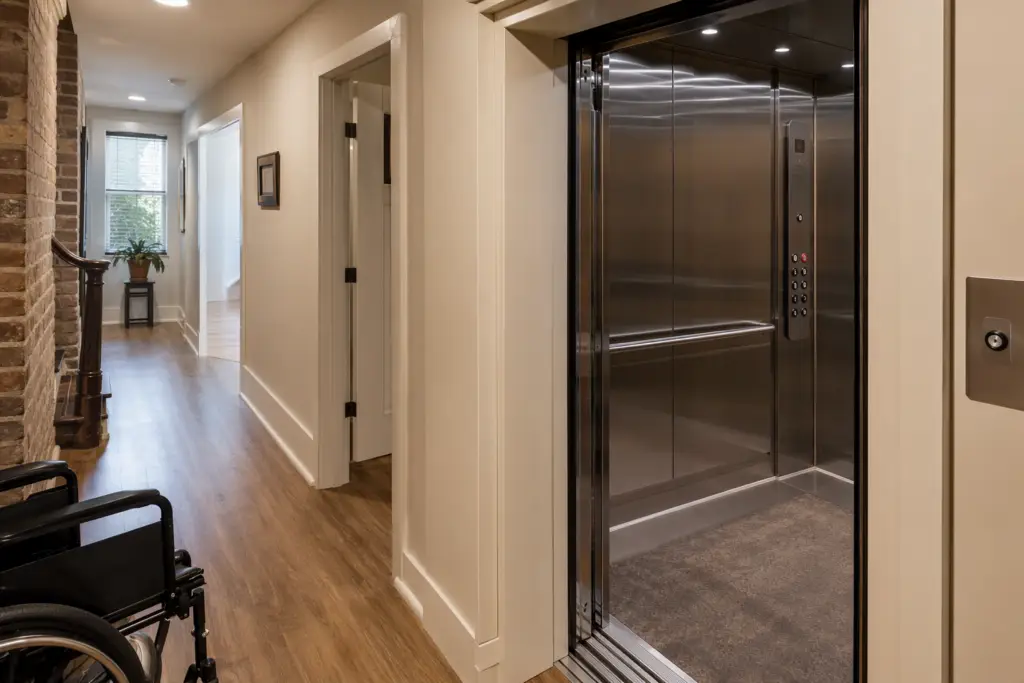
Section 504 Home Repair Program (USDA Rural Development). The USDA Rural Development Section 504 program provides grants and loans to very-low-income homeowners in eligible rural areas to repair, improve, or modernize their homes, including removing health and safety hazards. While this program is targeted at single-family rural housing, residential elevator lifts that address a disability or safety need can qualify. The program does not apply to commercial buildings.
Federal Transit Administration (FTA) Grants. Public transit authorities operating elevators in transit stations may access FTA Capital Investment Grants and formula funding for state-of-good-repair projects, which can include elevator modernization in subway and rail infrastructure. Transit elevator work in the DC Metro system, for example, is subject to these funding streams.
ADA Compliance and Accessibility. The Americans with Disabilities Act (ADA) requires that elevators in covered facilities meet accessibility standards. While the ADA does not itself fund modernization, it creates a legal obligation that many funding programs can be aligned with — particularly HUD, USDA, and Economic Development Administration programs that prioritize accessibility improvements.
Are There Tax Incentives for Elevator Modernization That Serve as Funding Alternatives?
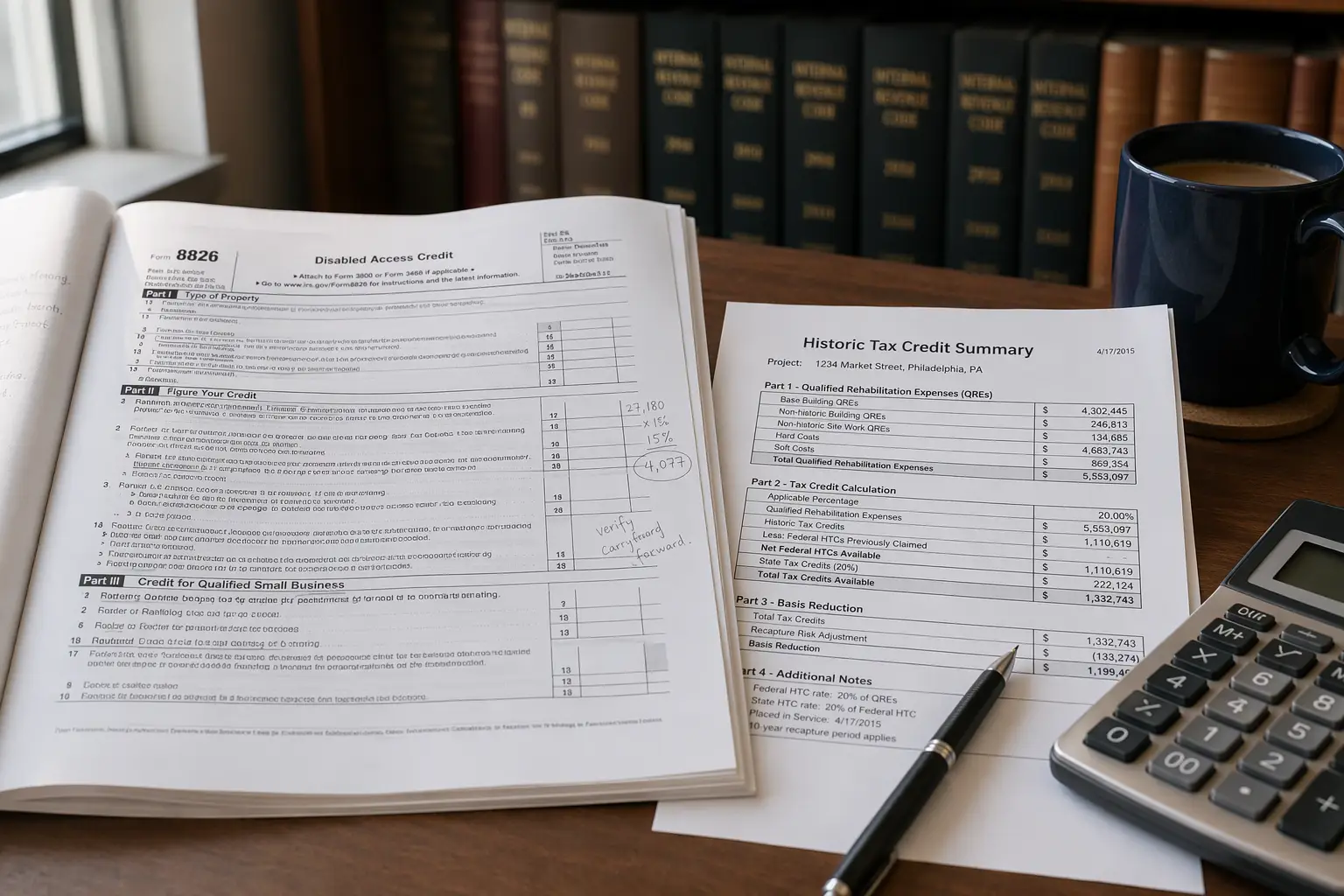
Tax incentives can function similarly to grants by reducing the net cost of elevator modernization. Two federal provisions are particularly relevant.
Disabled Access Credit (IRS Form 8826). Small businesses with no more than 30 full-time employees or no more than $1 million in gross receipts in the prior year may claim a nonrefundable tax credit for expenditures made to comply with the ADA, including elevator accessibility improvements. The credit covers 50 percent of eligible expenditures between $250 and $10,250, for a maximum annual credit of $5,000. Building owners should consult a qualified tax professional for eligibility and documentation requirements.
Barrier Removal Deduction (IRS Section 190). Businesses may deduct up to $15,000 per year in qualifying costs to remove architectural barriers that restrict access for persons with disabilities or elderly individuals. Elevator modernization that improves accessibility can qualify. This deduction can be used in addition to the Disabled Access Credit for expenses that exceed the credit limit.
These federal tax provisions are established under the Internal Revenue Code and are not jurisdiction-specific, meaning building owners in DC, Maryland, Pennsylvania, and Virginia can all pursue them. A certified public accountant familiar with ADA compliance expenditures can advise on proper documentation.
Do State Programs in DC, Maryland, Pennsylvania, or Virginia Offer Elevator Modernization Funding?
State-level programs in the jurisdictions where Quality Elevator Company operates vary considerably. No single state program in these four jurisdictions is dedicated exclusively to elevator modernization, but several broader programs can be applied to elevator work.
District of Columbia. The DC Department of Housing and Community Development (DHCD) administers housing preservation and rehabilitation programs that may include accessibility improvements. Building owners undertaking modernization that brings an elevator into compliance with the DC Department of Buildings (DOB) requirements, including those under the 2017 DC Building Code referencing ASME A17.1-2013/CSA B44-13, should inquire with DHCD about whether their project qualifies for rehabilitation assistance.
Maryland. Maryland’s Department of Housing and Community Development operates several programs, including the Strategic Demolition and Smart Growth Impact Fund and the Community Legacy Program, that target building rehabilitation. Elevator modernization in qualifying buildings in designated revitalization areas may be eligible. The Maryland Department of Labor, Division of Labor and Industry, Elevator and Escalator Safety regulates elevator safety but does not administer funding programs; owners should direct funding inquiries to DHCD Maryland.
Pennsylvania. The Pennsylvania Housing Finance Agency (PHFA) administers programs that include accessibility modifications for older adults and persons with disabilities, particularly in the residential sector. Multifamily property owners may also access funding through PHFA’s rental housing programs for capital improvements. The Pennsylvania Department of Labor and Industry’s Elevator Section oversees safety compliance but is separate from the housing finance agency.
Virginia. Virginia’s Department of Housing and Community Development (DHCD) administers CDBG funds, the Indoor Plumbing Rehabilitation program, and other housing repair programs. Local governments also administer accessibility improvement programs that may cover elevator work. Because elevator inspection in Virginia is administered by local building departments under 13VAC5-63, the Virginia Uniform Statewide Building Code, building owners should consult both their local building department and local DHCD office when planning a funded modernization project.
What Types of Buildings Are Most Likely to Qualify for Elevator Modernization Funding?
Funding eligibility generally follows the type of building, its ownership structure, and the population it serves. The categories most likely to qualify include:
- Affordable and subsidized multifamily housing. Properties with HUD financing, Low-Income Housing Tax Credit (LIHTC) equity, or USDA Rural Development loans often have access to preservation financing that can include elevator modernization as a capital improvement.
- Nonprofit-owned facilities. Nonprofits operating community centers, senior centers, or facilities serving persons with disabilities may access foundation grants, CDBG sub-awards, or state accessibility grant programs.
- Public housing. Public housing authorities in DC, Maryland, Pennsylvania, and Virginia may access HUD’s Capital Fund Program for elevator modernization as part of their annual capital improvement plans.
- Historic buildings. Properties listed on or eligible for the National Register of Historic Places may combine Historic Tax Credits with other funding sources for rehabilitation that includes elevator installation or modernization, provided the work meets the Secretary of the Interior’s Standards for Rehabilitation.
- Small businesses in ADA compliance situations. Small commercial building owners modernizing an elevator primarily to achieve ADA compliance may access the federal Disabled Access Credit and Section 190 deduction discussed above.
What Does Elevator Modernization Typically Involve, and Why Does It Affect Funding Eligibility?
The scope of a modernization project often determines which funding programs apply. Elevator modernization typically includes one or more of the following improvements:
- Replacement of aging hydraulic systems, traction motors, or drive systems
- Modernization of control systems and cab interiors
- Upgrades to door operators, safety devices, and emergency communication systems
- Accessibility improvements to cab dimensions, control panel heights, and door timing to meet ADA requirements
- Code compliance updates required by the applicable edition of the ASME A17.1 Safety Code for Elevators and Escalators or state-adopted amendments
When modernization is driven primarily by ADA accessibility requirements or by documented safety deficiencies, it aligns more naturally with the purpose of available funding programs. Projects that combine accessibility, safety, and energy efficiency improvements may be able to draw on multiple funding sources simultaneously.
How Should a Building Owner Apply for Elevator Modernization Funding?
- Conduct a full elevator assessment. Before approaching any funding source, obtain a documented assessment of the existing elevator’s condition, the specific code deficiencies or accessibility gaps, and the scope of modernization required. This documentation is typically required by funders.
- Identify the building’s ownership and financing structure. HUD-assisted, LIHTC, USDA-financed, and market-rate properties have different funding pathways. Know your property’s status before applying.
- Contact your local housing or community development office. In DC, Maryland, Pennsylvania, and Virginia, CDBG funds flow through state and local agencies. A direct call to the relevant office will clarify current program availability and funding cycles.
- Consult a tax professional about federal tax incentives. The Disabled Access Credit and Section 190 deduction can reduce net project cost significantly and do not require a separate application — they are claimed on the building owner’s federal tax return.
- Obtain competitive contractor proposals. Most public and nonprofit funders require two or more bids. Proposals should reference the applicable code edition in force in the jurisdiction — for example, ASME A17.1-2022 in Maryland or ASME A17.1-2019 in Virginia — to demonstrate code-compliant scope.
- Coordinate with the state elevator regulator. Any modernization that constitutes an alteration requires a permit. In DC, that means filing with the DC Department of Buildings (DOB). In Maryland, work must comply with Maryland Department of Labor, Division of Labor and Industry, Elevator and Escalator Safety requirements. In Pennsylvania, a permit from the Pennsylvania Department of Labor and Industry, Elevator Section is required. In Virginia, local building departments under 13VAC5-63 handle permitting and inspection.
- Submit funding applications aligned with program cycles. CDBG and similar programs operate on annual or biannual cycles. Submit applications with full project documentation during the open application window.
Are There Energy Efficiency Incentives That Apply to Elevator Modernization?
Some elevator modernization improvements — particularly the replacement of older hydraulic systems with regenerative drive systems or LED cab lighting — may qualify for utility rebate programs or energy efficiency incentive programs administered by state energy offices or electric utilities. The availability and amount of these incentives varies by utility provider and program year. Building owners in DC, Maryland, Pennsylvania, and Virginia should contact their electric utility’s commercial energy efficiency program to ask specifically about elevator drive and lighting upgrades before the modernization project begins, as some programs require pre-approval.
What Role Does ADA Compliance Play in Funding Qualification?
The ADA creates both a legal obligation and a funding rationale for elevator modernization. Title II of the ADA (covering state and local government entities) and Title III (covering places of public accommodation) require that elevators in covered facilities meet accessibility standards, including requirements for cab dimensions, door timing, control panel configurations, and signage. When a modernization project is specifically designed to achieve or maintain ADA compliance, it strengthens an application to accessibility-focused funding programs and supports the use of the Disabled Access Credit for small businesses. Demonstrating a documented ADA deficiency that the modernization will correct is often the strongest argument a building owner can make to a funder.
What Should Building Owners Understand About Timing and Code Adoption in 2025–2026?
Code adoption timelines in the four jurisdictions where Quality Elevator Company operates are actively evolving in 2025 and 2026, and these changes directly affect the scope — and therefore the cost and funding need — of a modernization project.
In Pennsylvania, the state’s updated elevator regulation takes effect on December 20, 2026, applying ASME A17.1-2016 to new permit applications from that date forward. Building owners planning modernization work should consider whether to file permit applications before or after that date, as the applicable code edition affects the scope of required upgrades. In the District of Columbia, the DOB plans to adopt new construction codes based on the 2024 model codes by the end of 2027, which may affect future modernization requirements. In Maryland, the 2022 edition of ASME A17.1/CSA B44 became effective in June 2026, meaning recently contracted installations follow updated requirements. Virginia’s 2021 Uniform Statewide Building Code, which incorporates ASME A17.1/CSA B44-2019, took effect in January 2024 and continues to govern new and altered elevator installations through local building departments.
Planning a modernization project during this period of regulatory transition means that the scope of work needed for full code compliance — and therefore the total project cost and funding need — may differ significantly depending on when contracts are signed and permits are filed.
Can Quality Elevator Company Help Identify Funding Opportunities?
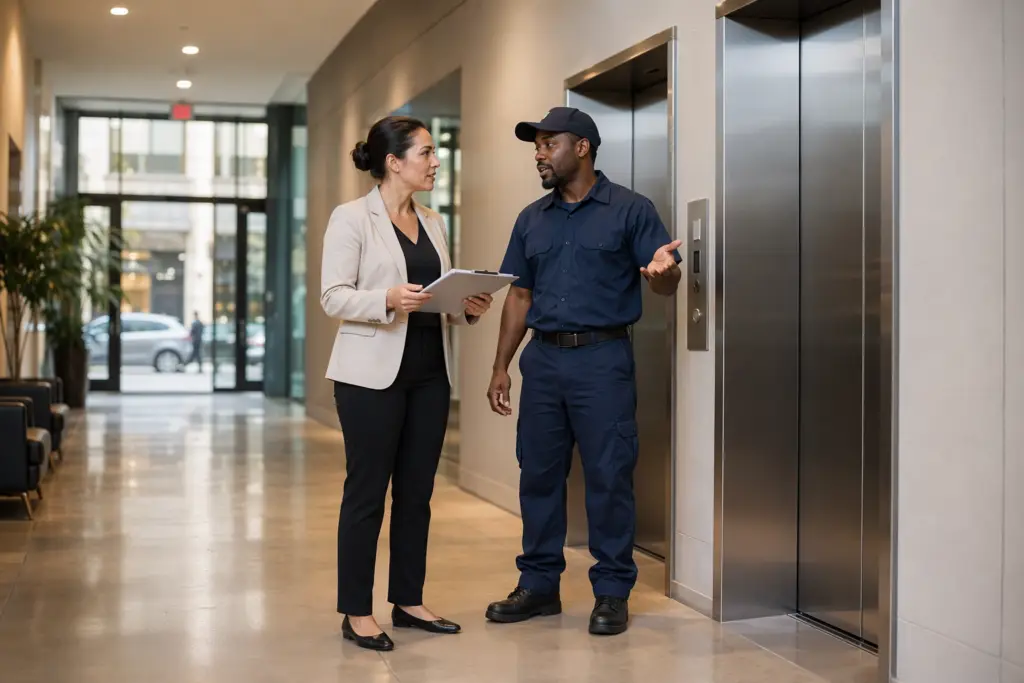
Quality Elevator Company provides data-driven elevator assessments that document the current condition of an elevator, identify code deficiencies under the applicable jurisdiction’s requirements, and outline the scope of modernization work. This kind of professional documentation is typically the first step funders and tax advisors require before reviewing a project for financial assistance. By establishing a clear, code-referenced project scope, building owners in DC, Maryland, Pennsylvania, and Virginia are better positioned to present a credible funding application to HUD programs, state housing agencies, utility rebate programs, or their tax professionals.
Are Grants Available for Residential Elevator Modernization?
Residential funding options are more limited than commercial ones. For private homeowners, the most accessible programs are the USDA Section 504 grant (for very-low-income rural homeowners), state housing rehabilitation programs, and Area Agency on Aging programs that may provide accessibility modification assistance. The federal Disabled Access Credit does not apply to private residences. Local nonprofit housing organizations in DC, Maryland, Pennsylvania, and Virginia sometimes administer small accessibility grant programs, and Area Agencies on Aging in each jurisdiction coordinate services that may include home modification funding for older adults. Homeowners should contact their local Area Agency on Aging or state housing finance agency for current program availability.
What Are the Key Differences Between a Grant, a Loan, and a Tax Incentive for Elevator Modernization?
Understanding the structure of available financial assistance helps building owners choose the right tool for their situation.
| Funding Type | Repayment Required? | Typical Source | Best For |
|---|---|---|---|
| Grant | No | HUD CDBG, USDA Section 504, nonprofit programs | Low-income housing, nonprofits, public facilities |
| Low-interest loan | Yes | State housing finance agencies, USDA, HUD programs | Multifamily and affordable housing owners |
| Tax credit | No (reduces tax liability) | IRS Disabled Access Credit, Historic Tax Credits | Small businesses, historic building owners |
| Tax deduction | No (reduces taxable income) | IRS Section 190 barrier removal deduction | Businesses with ADA compliance expenses |
| Utility rebate | No | Electric utility programs | Energy-efficient drive and lighting upgrades |
Note: This table summarizes program types based on publicly available federal program descriptions. Specific eligibility, amounts, and availability vary by program, jurisdiction, and program year. Consult the administering agency or a qualified advisor for current terms.
What Is the First Step If a Building Owner Wants to Explore Funding?
The most practical first step is a professional elevator assessment that produces a written report documenting the elevator’s current condition, the applicable code requirements in the building’s jurisdiction, and the specific improvements needed to achieve full compliance and accessibility. Without this baseline documentation, funding applications lack the technical foundation most programs require. Building owners in the District of Columbia, Maryland, Pennsylvania, and Virginia should ensure the assessment references the correct regulatory authority — the DC Department of Buildings, the Maryland Department of Labor, Division of Labor and Industry, the Pennsylvania Department of Labor and Industry, or the local building department under Virginia’s Uniform Statewide Building Code — and the edition of the ASME A17.1 Safety Code for Elevators and Escalators that governs the installation.
Contact Quality Elevator Company for a free elevator assessment at 301-779-9116.
Need elevator service you can rely on? Quality Elevator Company is ready to help.