Elevator Modernization & Repair Financing: Funding Options for Commercial Buildings in DC, Maryland, Pennsylvania & Virginia
Direct Answer: Commercial building owners in DC, Maryland, Pennsylvania, and Virginia can finance elevator modernization or repair projects through equipment financing loans, capital lease programs, SBA loan products, PACE (Property Assessed Clean Energy) financing where applicable, energy-efficiency incentive programs, and phased payment arrangements negotiated directly with licensed elevator contractors — with the right structure depending on building ownership type, project scope, and available equity.

Elevator modernization is one of the most capital-intensive maintenance obligations a commercial building owner faces. When a full modernization can represent a six-figure investment, understanding every available financing pathway — before the project goes out to bid — is essential for cash-flow management, compliance planning, and long-term asset value. This guide covers the full financing landscape for commercial elevator projects in the District of Columbia, Maryland, Pennsylvania, and Virginia.
What Financing Options Are Available for Commercial Elevator Modernization?
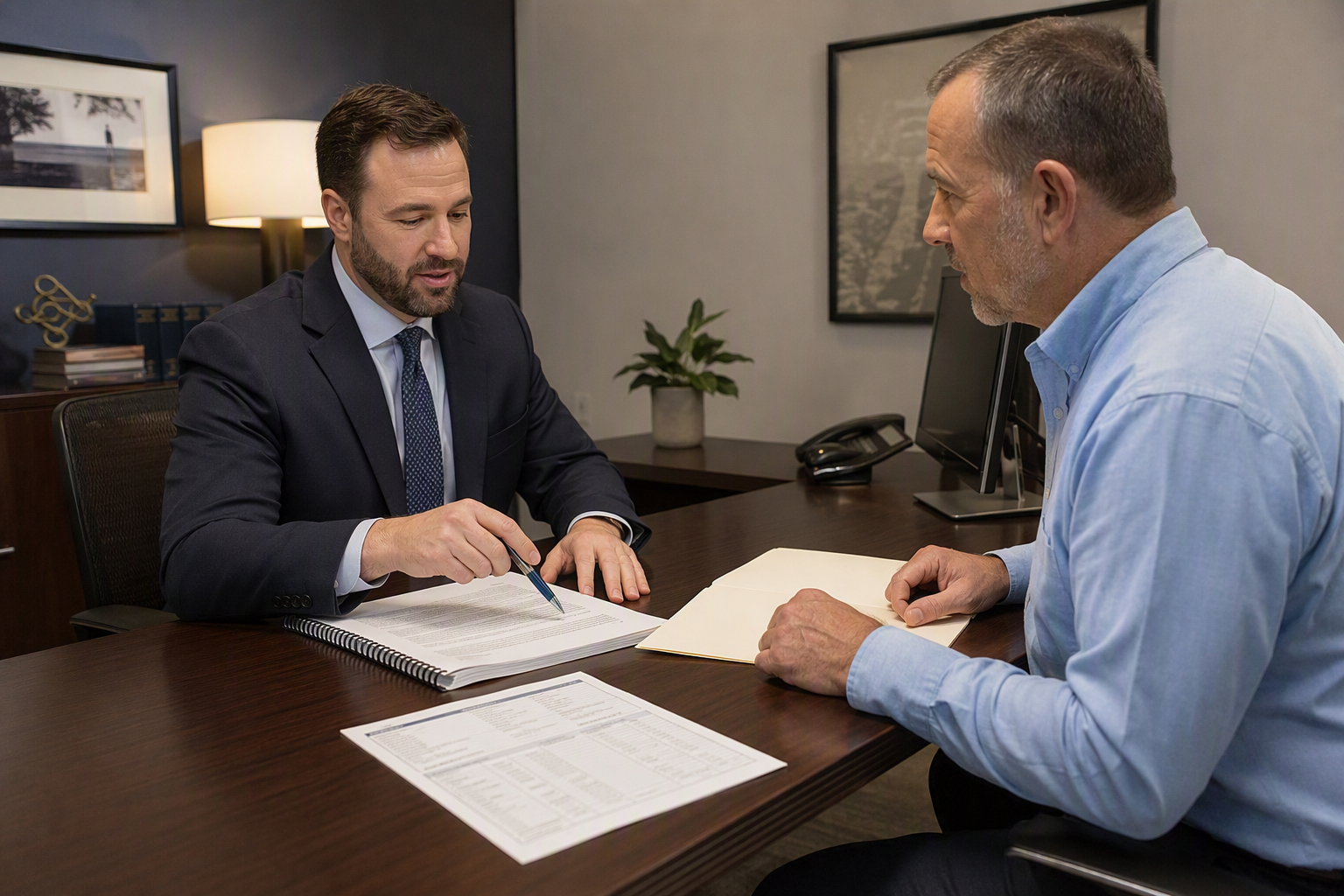
Commercial building owners typically have access to several distinct financing categories, each suited to different ownership structures and project types:
- Equipment financing loans: A lender provides capital secured by the elevator equipment itself. The borrower owns the equipment from day one and repays principal plus interest over a fixed term. This is among the most straightforward structures for privately held commercial properties.
- Capital leases (finance leases): The building owner leases the modernized elevator system from a financing company for a set term, with a nominal buyout at end of lease. From a balance-sheet standpoint this functions similarly to ownership; tax treatment should be confirmed with a CPA.
- Operating leases: Monthly payments cover use of equipment; ownership stays with the lessor. Useful for tenants or building operators who prioritize predictable operating expense over ownership.
- SBA 7(a) and SBA 504 loan programs: The U.S. Small Business Administration’s 504 program is specifically designed for fixed-asset improvements in owner-occupied commercial real estate, making it a strong fit for elevator modernization in buildings where the owner operates a business. The SBA sets maximum loan amounts and certified development company (CDC) requirements that vary by program year.
- PACE financing (Property Assessed Clean Energy): Where enabled by state law, PACE allows building owners to finance energy-efficiency and related capital improvements — including certain elevator control and drive system upgrades — through an assessment attached to the property tax bill. Maryland and Virginia have active commercial PACE programs; Pennsylvania has enabling legislation for commercial C-PACE as well. DC also has a commercial PACE framework. Repayment follows the property, which can be advantageous for long-term holders.
- Conventional commercial real estate lines of credit: Owners with existing equity in their building may draw on a commercial line of credit or execute a cash-out refinance to fund capital improvements. Interest rates and underwriting standards vary with market conditions.
- Phased contractor payment programs: Some elevator contractors — including Quality Elevator Company — structure project milestones to align with a building owner’s capital budget cycles, spreading disbursements over multiple fiscal periods without requiring a third-party lender.
- Utility and government energy-efficiency incentive programs: Certain elevator drive and lighting upgrades qualify for utility rebate programs offered by Pepco, BGE, Dominion Energy, and other regional utilities. These are not loans but direct rebates that reduce net project cost.
What Is PACE Financing and Does It Apply to Elevator Projects in DC, Maryland, Virginia, and Pennsylvania?
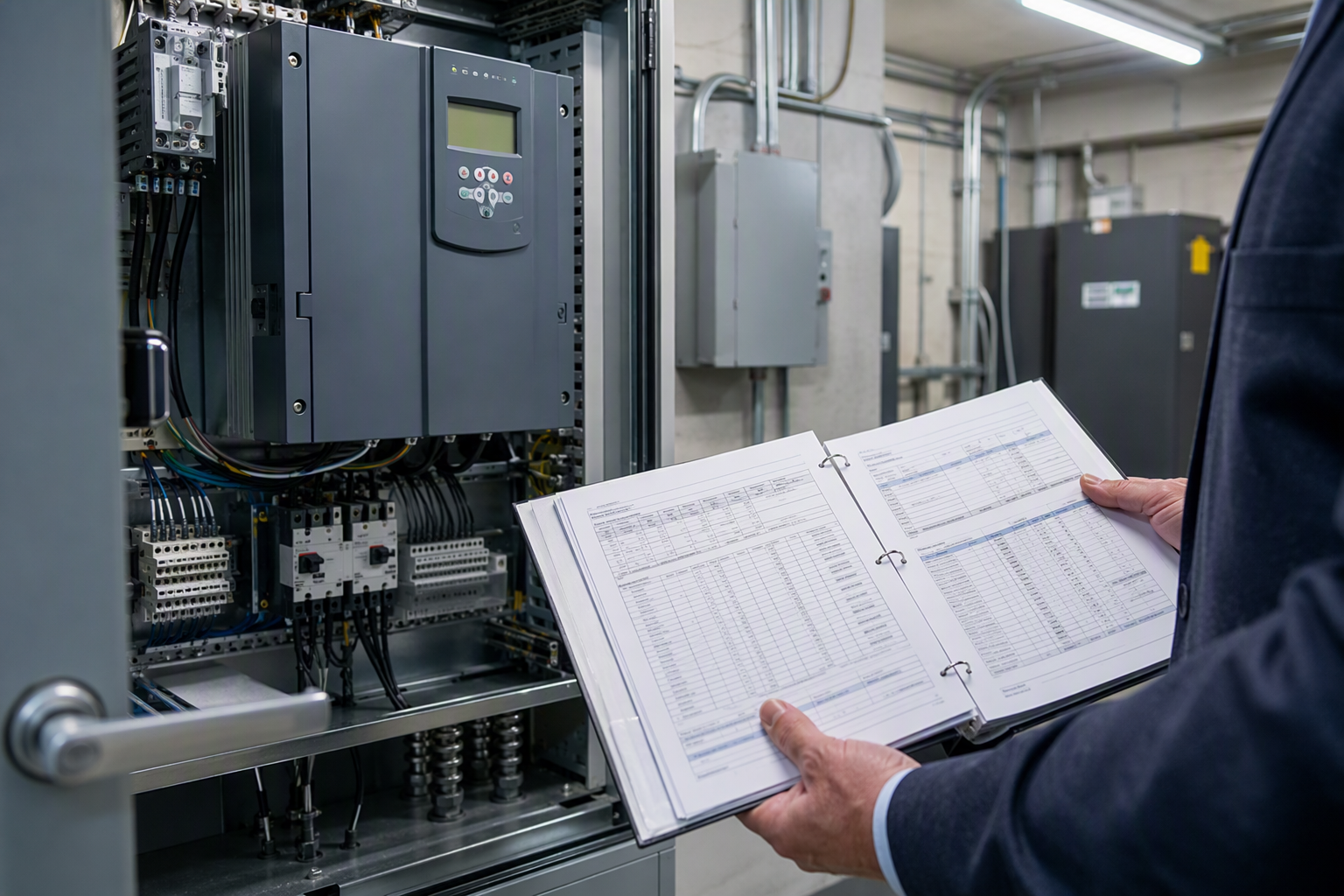
PACE (Property Assessed Clean Energy) financing allows a commercial property owner to borrow capital for qualifying improvements, with repayment structured as a line item on the property tax bill over a period that can extend to 20–25 years. Because repayment is tied to the property rather than the borrower’s personal credit, PACE can be accessible to owners who might not qualify for conventional loans on favorable terms.
All four jurisdictions in Quality Elevator Company’s service area have taken steps to enable commercial PACE:
- Maryland: Maryland’s Commercial PACE program is administered through the Maryland Clean Energy Center. Energy-efficient elevator drives, regenerative drive systems, and lighting retrofits in elevator cabs and machine rooms may qualify as eligible improvements.
- Virginia: Virginia enacted Commercial PACE enabling legislation, and individual localities determine participation. Building owners should confirm their specific locality’s PACE program status before planning.
- Pennsylvania: Pennsylvania has enacted C-PACE enabling legislation, with programs administered at the county or regional level through authorized capital providers.
- District of Columbia: DC’s DC PACE program is one of the more mature commercial PACE frameworks in the region and covers a broad range of clean-energy and energy-efficiency capital improvements.
A critical requirement: the lender or PACE administrator will typically require a Mortgage Holder Consent from any existing lender on the property before the PACE lien can be placed. Building owners with existing mortgages should engage their lender early in the process.
How Do SBA Loans Work for Elevator Modernization Projects?
The SBA 504 loan program is structured for long-term, fixed-rate financing of major fixed assets in owner-occupied commercial real estate. A typical 504 structure involves a conventional bank lender covering a portion of the project, a Certified Development Company (CDC) providing a second tranche backed by an SBA debenture, and an owner equity contribution. This layered structure can make large elevator modernization budgets more accessible to small and mid-size business owners.
The SBA 7(a) program offers more flexibility in use of proceeds and can fund both equipment and associated soft costs (engineering, permitting, consulting). Loan amounts, terms, and guarantee percentages are governed by current SBA standard operating procedures, which building owners and their lenders should reference directly through the U.S. Small Business Administration.
Key practical considerations for using SBA financing on an elevator project include: the project must have a complete scope of work and contractor contract in place or near-final form at application; equipment must meet SBA eligibility definitions; and owner-occupancy requirements must be met for 504 specifically.
What Compliance Requirements Drive the Need for Elevator Modernization Financing?
Understanding what forces a modernization — and therefore what financing is needed — requires familiarity with the applicable code environment. In DC, Maryland, Pennsylvania, and Virginia, elevator safety is governed by a combination of federal standards and state/local adoption of model codes.
The foundational national standards are the ASME A17.1 Safety Code for Elevators and Escalators (for new installations) and ASME A17.3 Safety Code for Existing Elevators and Escalators (for in-service equipment). ASME A17.3 is specifically relevant to modernization because it establishes the retroactive safety requirements that existing elevators must meet — requirements that trigger upgrade obligations when equipment is substantially altered or when an Authority Having Jurisdiction (AHJ) enforcement action occurs.
Accessibility requirements under the Americans with Disabilities Act (ADA) create a separate but frequently parallel driver for modernization. ADA Title III applies to places of public accommodation and commercial facilities, and alterations to a building can trigger obligations to bring the elevator into compliance with current ADA Standards for Accessible Design, including cab dimensions, control reach ranges, door timing, and signage.
Workplace safety requirements under OSHA standards apply to elevator equipment in workplaces and to the safety of elevator maintenance technicians, adding another layer of compliance consideration that can inform modernization scope.
When compliance obligations are the driver — rather than purely elective upgrades — the financing conversation shifts: lenders familiar with code-driven capital expenditures treat compliance modernizations differently than discretionary renovations, and some SBA and PACE programs explicitly recognize regulatory compliance as an eligible project purpose.
What Does a Typical Elevator Modernization Project Scope Include?
Lenders and PACE administrators will request a detailed scope of work. A full modernization typically encompasses some or all of the following components, which together define the total financed amount:
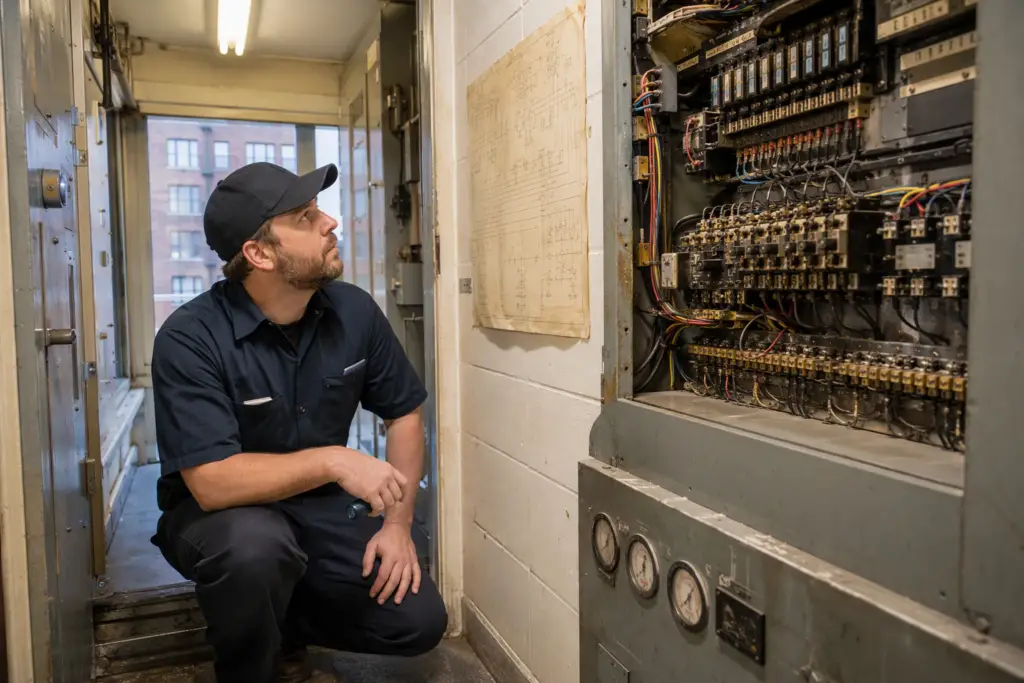
- Controller and relay logic replacement with modern solid-state or microprocessor-based controls
- Drive system upgrade (often from hydraulic or DC motor-generator to variable-voltage variable-frequency, or VVVF, drives)
- Door operator and detector replacement
- Cab interior renovation (lighting, flooring, walls, signals)
- Hall fixtures, call buttons, and position indicators
- Safety device upgrades required under applicable ASME A17.3 retroactive provisions
- Machine room or machine-room-less (MRL) conversion where structurally feasible
- ADA-required control modifications
- Permitting, inspections, and AHJ fees
Partial modernizations — replacing only the controller, for example — are also financeable but require careful scoping to confirm that partial work does not inadvertently trigger additional code-required upgrades under the applicable AHJ’s interpretation of ASME A17.3.
How Long Does Elevator Modernization Financing Take to Arrange?
Timeline varies significantly by financing type:
- Equipment financing and capital leases from specialized lenders can move from application to approval in as little as a few business days for straightforward projects, though larger amounts typically require more due diligence.
- SBA 7(a) loans through preferred lenders can close in weeks under expedited processing; standard processing takes longer and depends on lender and SBA workload.
- SBA 504 loans involve a CDC and SBA debenture process that typically requires more lead time — often 60–90 days or more from complete application to closing.
- Commercial PACE programs vary by jurisdiction and capital provider, but many commercial PACE transactions close within 30–60 days once mortgage holder consent is obtained, which itself can add weeks if the lender requires internal review.
- Utility rebate applications are processed separately from project financing and often require pre-approval before work begins; post-installation inspection is typically required before rebate disbursement.
Given these timelines, building owners are strongly advised to begin financing conversations before a code enforcement deadline or equipment failure forces an emergency timeline.
What Steps Should a Building Owner Take to Finance an Elevator Project?
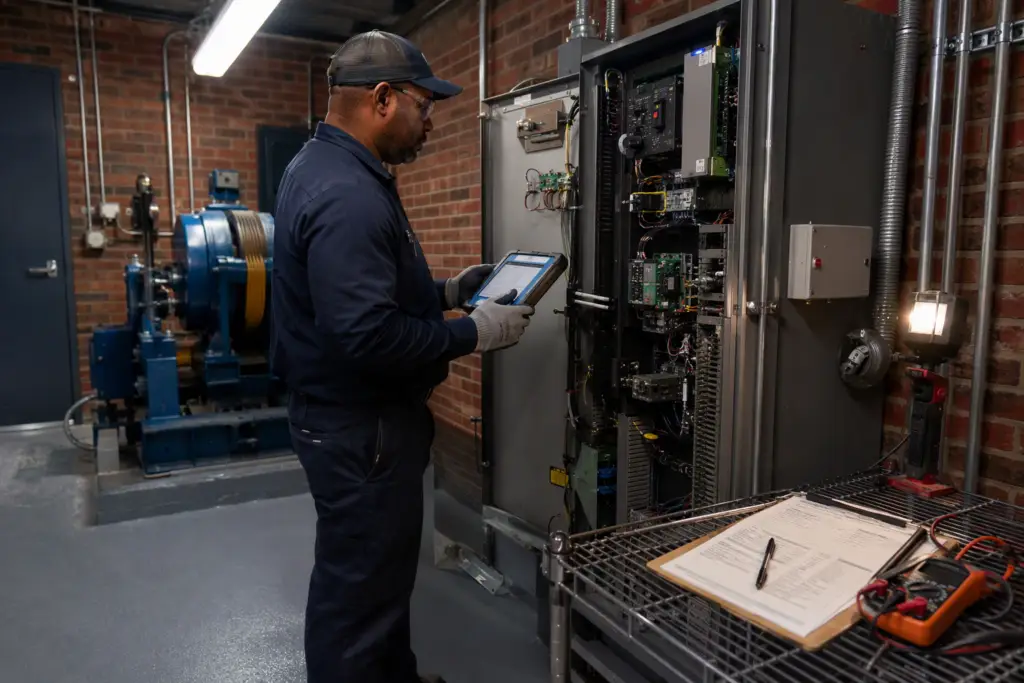
- Obtain a comprehensive assessment of the existing equipment from a licensed elevator contractor. The assessment should document current equipment condition, applicable code deficiencies, and a prioritized scope of work. Quality Elevator Company provides these assessments for commercial buildings in DC, Maryland, Pennsylvania, and Virginia.
- Develop a detailed scope of work and budget estimate with your elevator contractor. Lenders require this document; PACE programs require it; SBA lenders require it. Without a defined scope, financing cannot be structured.
- Identify which financing structures apply to your property type, ownership structure, and project purpose. An accountant or commercial finance broker familiar with equipment and real estate financing can assist in evaluating options side by side.
- Engage your existing mortgage lender early if PACE financing is under consideration. Mortgage holder consent is a prerequisite for PACE lien placement and can delay the process if not initiated promptly.
- Apply for utility rebate pre-approval before work begins if the modernization scope includes energy-efficiency components (drives, lighting). Most utility programs require pre-project enrollment.
- Confirm permitting and AHJ requirements in the relevant jurisdiction with your elevator contractor before finalizing financing amounts. Permit fees, inspection fees, and required upgrades beyond the initial scope can affect total project cost.
- Execute financing agreements and contractor contract with aligned milestone payment structures. Ensure the financing disbursement schedule matches the contractor’s draw schedule.
- Complete project, obtain final inspection and certificate of operation from the AHJ. For PACE and some SBA loans, post-completion verification may be required before the loan is fully funded or closed.
Are There Special Financing Considerations for Nonprofit or Government-Owned Buildings?
Yes. Nonprofit organizations owning commercial or institutional buildings — hospitals, houses of worship, schools, cultural institutions — may have access to financing structures not available to for-profit owners, including tax-exempt bond financing, USDA Community Facilities loans for rural nonprofit facilities, and program-related investments from foundations. Commercial PACE is available to nonprofits in most of the jurisdictions Quality Elevator Company serves, and the property-tax-assessment repayment structure is adapted for tax-exempt properties in ways that vary by PACE program.
Government-owned buildings — municipal, county, state, or federal — typically finance capital improvements through appropriations, general obligation bonds, or lease-revenue bonds. Federal buildings operate under GSA capital planning cycles. Building managers in these environments should engage their facilities finance officer and, where applicable, their agency’s sustainability or energy office regarding energy-efficiency incentive programs that may offset modernization costs.
What Role Do Energy Efficiency Incentives Play in Reducing Total Financed Amount?
Modern elevator drives — particularly variable-voltage variable-frequency (VVVF) and regenerative drive systems — can meaningfully reduce a building’s energy consumption compared with older hydraulic or motor-generator systems. This energy reduction creates eligibility for utility rebate programs and, in some cases, federal tax incentives.
Regional utilities serving the Quality Elevator Company service area — including Pepco and Pepco Holdings companies in DC and Maryland, BGE in central Maryland, Dominion Energy in Virginia, and PECO and PPL in Pennsylvania — operate commercial energy efficiency programs. Rebate eligibility, amounts, and application procedures change periodically; building owners should confirm current program terms directly with their utility.
The federal Section 179D commercial building energy-efficiency tax deduction may apply to qualifying elevator system energy improvements in certain building types. Tax counsel should confirm applicability to the specific project and ownership structure, as 179D has undergone legislative changes in recent years.
Rebates and tax incentives do not replace financing but reduce the net project cost, which in turn reduces the amount that needs to be financed and improves debt service coverage ratios for lenders.
How Does Building Type Affect Elevator Financing Options?
The type of commercial building significantly influences which financing pathways are most practical:
- Multi-tenant office buildings: Elevator uptime is critical to tenant retention and lease renewal. Lenders view elevator modernization as a value-add improvement, and PACE is well-suited to these assets.
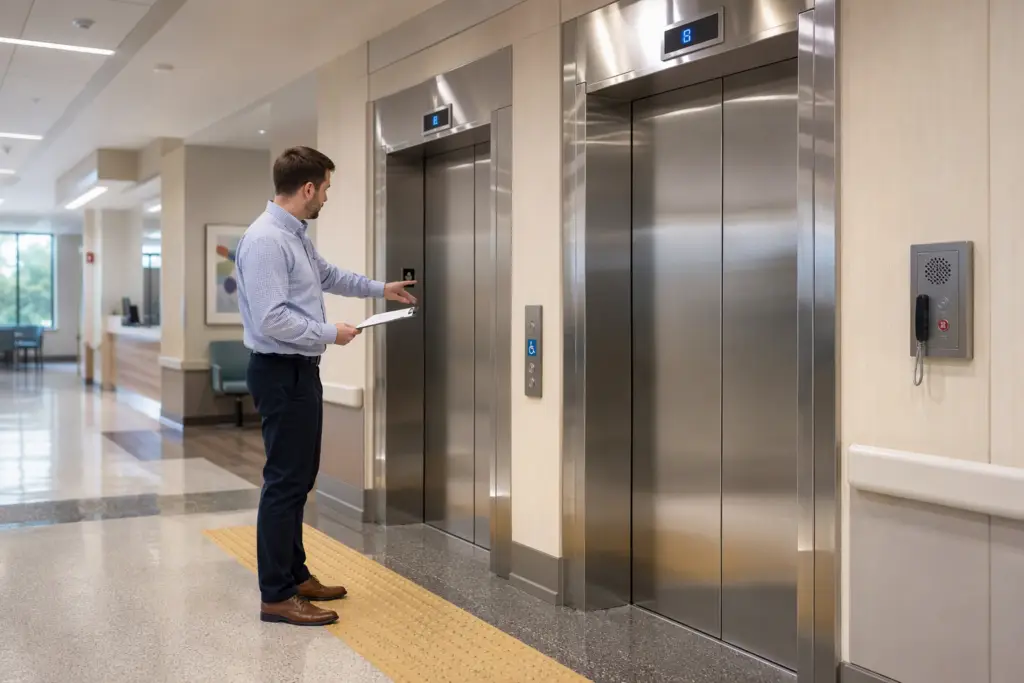
- Retail and mixed-use buildings: ADA compliance obligations are particularly prominent under Title III; financing that addresses a documented compliance gap can be structured as a compliance capital expenditure.
- Multifamily residential (5+ units): Fannie Mae, Freddie Mac, and FHA multifamily loan programs include provisions for capital improvement reserves and supplemental loans that can fund elevator work in qualifying properties.
- Healthcare facilities: Hospitals and medical office buildings may have access to healthcare-specific financing vehicles, including tax-exempt bond markets and HUD Section 242 programs where applicable.
- Industrial and warehouse: Freight elevator modernization is typically financed through equipment financing or conventional commercial credit lines.
What Is the Difference Between Elevator Repair Financing and Modernization Financing?
Emergency repairs — replacing a failed component, fixing a door operator, addressing a safety stop — are generally too small and too urgent for traditional capital financing. Building owners typically address emergency repair costs through operating cash, a commercial line of credit drawn on demand, or a maintenance contract with provisions for major repairs.
Planned modernization, by contrast, involves a defined scope, a contract, a permit, and a project timeline measured in weeks or months — all of which align with the documentation requirements of equipment financing, SBA loans, and PACE programs. The dividing line is not only the dollar amount but the planability of the work.
However, some equipment financing lenders will finance repairs above a minimum threshold, and some building owners use a PACE or equipment loan to fund a combined repair-and-modernization package, addressing both immediate deficiencies and longer-term upgrades in a single transaction to reduce total cost and minimize disruption.
How Can Quality Elevator Company Help with the Financing Process?
Quality Elevator Company serves commercial building owners, property managers, and facilities directors across the District of Columbia, Maryland, Pennsylvania, and Virginia with elevator assessment, modernization, repair, and maintenance services. As a data-driven service provider, Quality Elevator Company prepares detailed condition assessments, scope-of-work documents, and project specifications that meet the documentation standards required by commercial lenders, PACE program administrators, and SBA lenders.
Having a thorough, professionally prepared equipment assessment and project scope is consistently the single most important step a building owner can take to accelerate financing approval — lenders cannot underwrite what they cannot document. Quality Elevator Company’s assessments are structured to provide lenders with the information they need, reducing back-and-forth and shortening the path from financing inquiry to approval.
Quality Elevator Company’s project managers are also familiar with the permit and inspection requirements of AHJs across DC, Maryland, Pennsylvania, and Virginia, helping building owners anticipate regulatory costs that must be included in any financed project budget.
What Are the 2025–2026 Trends in Elevator Modernization Financing?
Several qualitative trends are shaping elevator modernization financing decisions across commercial real estate in 2025 and into 2026:
- PACE program maturation: Commercial PACE programs in DC, Maryland, Virginia, and Pennsylvania continue to expand their lender networks and streamline consent processes, making PACE a more practical option for a wider range of commercial building owners than it was even three years ago.
- ESG-driven capital allocation: Institutional building owners and REITs face increasing pressure from investors and tenants to document energy performance. Elevator drive modernization — particularly regenerative systems that return energy to the building grid — is increasingly framed as an ESG capital investment, opening doors to green bond financing and sustainability-linked loan products.
- Rising insurance and liability costs for aging equipment: Property insurers are becoming more attentive to elevator equipment age and maintenance history in commercial property underwriting. This creates a financial incentive — beyond compliance — to modernize, and some building owners are presenting insurance cost projections to lenders as part of the return-on-investment case for modernization financing.
- Increased AHJ enforcement activity: Across the jurisdictions Quality Elevator Company serves, building owners are reporting increased inspection frequency and enforcement of outstanding violation orders. Code-driven modernization timelines are compressing, making advance financing planning more important than ever.
- Connectivity and remote monitoring as a financing argument: Modern elevator controllers with remote monitoring capability reduce emergency maintenance costs and provide data for predictive maintenance. Lenders are beginning to recognize this operational cost-reduction case as part of modernization project underwriting.
Sourced Data Reference
| Standard / Authority | Relevance to Modernization & Financing | Source |
|---|---|---|
| ASME A17.1 Safety Code for Elevators and Escalators | Governs new elevator installations; defines baseline safety requirements modernization must meet | ASME Codes & Standards |
| ASME A17.3 Safety Code for Existing Elevators and Escalators | Governs retroactive safety requirements; drives compliance-based modernization scope and cost | ASME Codes & Standards |
| ADA Standards for Accessible Design | Accessibility requirements triggered by building alterations; affects modernization scope and financed amount | ADA.gov |
| OSHA General Industry Standards | Workplace safety requirements affecting elevator maintenance environments and technician safety protocols | OSHA.gov |
Summary: Key Takeaways for Commercial Building Owners
- Multiple financing structures exist for elevator modernization — equipment loans, capital leases, SBA programs, PACE, and utility rebates — and the right combination depends on building type, ownership structure, and project scope.
- PACE financing is available across DC, Maryland, Virginia, and Pennsylvania and offers long repayment terms with the obligation attached to the property rather than the borrower.
- Compliance with ASME A17.3 and ADA requirements is a documented project driver that lenders and PACE administrators recognize as a legitimate financing purpose.
- A comprehensive, professionally prepared project scope and equipment assessment is the single most important document in the financing process.
- Financing timelines range from days (equipment financing) to months (SBA 504, PACE with complex mortgage consent), making advance planning critical — especially when AHJ enforcement deadlines are involved.
- Energy-efficiency incentives from utilities and federal tax programs can reduce the net financed amount and improve project economics.
Get Started: Free Elevator Assessment from Quality Elevator Company
The first step toward securing financing for an elevator modernization or repair project is a comprehensive assessment of the existing equipment — documenting condition, code deficiencies, and a prioritized scope of work that lenders can underwrite. Quality Elevator Company provides free elevator assessments for commercial buildings across the District of Columbia, Maryland, Pennsylvania, and Virginia.
Contact Quality Elevator Company for a free elevator assessment: 301-779-9116
Need elevator service you can rely on? Quality Elevator Company is ready to help.